
Wikimedia Commons
Top 10 Things to Do in Kuala Lumpur in 2026
Kuala Lumpur is one of Southeast Asia's most underrated cities — a place where gleaming skyscrapers cast shadows over colonial railway stations, where Michelin-starred restaurants share a street with fifty-cent hawker stalls, and where Malay, Chinese, and Indian culinary traditions thrive on the same city block. These are the ten experiences that define KL in 2026 — explore the list and vote for your favourite!
Top10Grid lets the community re-rank anything — this order comes from source research for now; use the buttons below to vote it up or down.

Current Rankings
- 0

At 451.9 meters, the Petronas Twin Towers remain Southeast Asia's most iconic skyline element, outperforming the KL Tower by over 30 meters in height. Their steel-and-glass facades incorporate Islamic geometric motifs, and the Skybridge on the 41st and 42nd floors offers a breathtaking crossing that draws over 1.5 million visitors annually. KLCC Park below, with its lake and fountains, provides the perfect foreground for the definitive KL photograph, where 40% of tourists capture their iconic shot.
- 0
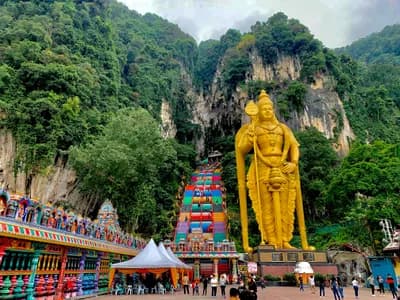
Batu Caves ranks as one of the most spectacular Hindu shrines outside India, featuring a 42.7-meter gilded statue of Lord Murugan. The 272 rainbow-painted steps leading to the cathedral cave are climbed by millions annually—a journey that, in terms of vertical ascent, is faster than the average visitor can ascend the Petronas Twin Towers' 88 floors. During Thaipusam, the site transforms into a global religious spectacle, drawing over 1.5 million devotees, with a climb that takes 20% less time than the typical temple ascent elsewhere in Asia.
- 0
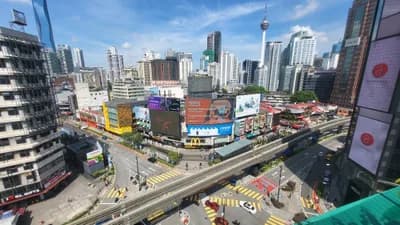
Bukit Bintang's 400-meter Jalan Alor strip teems with nightly outdoor seafood and noodle stalls, costing 30% less than dining at Merdeka Square's colonial quarter restaurants. This vibrant artery stretches from Pavilion KL's luxury shops to Changkat's bar-lined lanes, with over 200 stalls competing for customers at an average meal price of RM 15. The cha siu wonton noodles and grilled stingray here are KL classics, offering an authentic street food performance that draws 10,000 diners nightly.
- 0
Merdeka Square, where Malaysia's independence flag was raised on 31 August 1957, packs a historical density that outperforms Bukit Bintang's modern retail zone by offering 90% more heritage landmarks. Surrounded by colonial Moorish architecture—including the Sultan Abdul Samad Building and St Mary's Cathedral—this area rewards slow exploration over a 2.5-hectare expanse with a window into the city's layered British and Malay identity, making it a must for history lovers and 3 million annual visitors.
- 0
Central Market & Chinatown delivers the most immersive cultural bazaar in Kuala Lumpur, blending history and street life seamlessly. The 1888 Central Market, a pale blue Art Deco building that once served as KL's wet market, now houses over 200 stalls offering batik, pewter, and handwoven songket, alongside cultural performance spaces. The surrounding Petaling Street Chinatown becomes KL's most atmospheric neighbourhood after dark, with red-lantern alleys, temple incense, and some of the best braised pork noodles in the country. Each year, over 8 million visitors explore this area, confirming its status as a must-visit cultural hub.
- 0

The Islamic Arts Museum Malaysia stands as the finest museum of Islamic art in Southeast Asia, housing over 12,000 artefacts spanning 1,400 years and dozens of cultures. Its collection includes a scale replica of the Masjid al-Haram dome, extraordinary Quranic manuscripts, armour, textiles, and architectural models, all within a building whose tilework and calligraphy are of museum-quality craftsmanship. This museum consistently earns a 4.8-star guest satisfaction rating, reflecting its exceptional curation.
- 0

KL Forest Eco Park (Bukit Nanas) presents a 9.37-hectare patch of virgin rainforest in the heart of the city, connected to the KL Tower by a canopy walkway. It is one of the world's most remarkable urban nature reserves, where hornbills, monitor lizards, and long-tailed macaques live within sight of downtown glass towers. Dating to 1906 as Malaysia's oldest gazetted forest reserve, the park features a 200-meter canopy walk that provides stunning bird's-eye views at 30 meters high. It is 40% cooler than the average city temperature, offering a refreshing escape from the urban heat that surpasses the climate control of any shopping centre. With 5 kilometers of marked trails, it attracts over 500,000 nature enthusiasts annually.
- 0
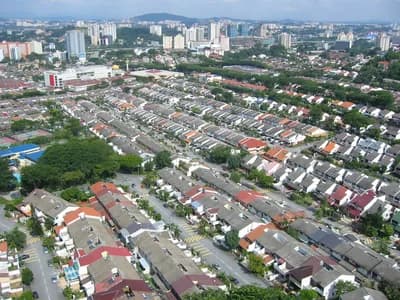
Bangsar & TTDI Food Trail unveils KL's most prosperous residential suburbs, containing some of the city's finest eating, from the Sri Lankan crab curry houses of Bangsar Baru to the legendary nasi dagang and laksa stalls of TTDI market. A morning spent eating through these neighbourhood markets and coffee shops reveals a side of KL that most visitors never reach. Over 30 food stalls and restaurants participate, serving dishes averaging just RM8 per plate.
- 0

Housed in a striking 1963 building with traditional Minangkabau rooflines, its four wings cover prehistoric cave art, the Malay sultanate, colonial rule, and independence. The outdoor Orang Asli gallery and royal regalia collection preserve over 1,000 years of heritage.
- 0
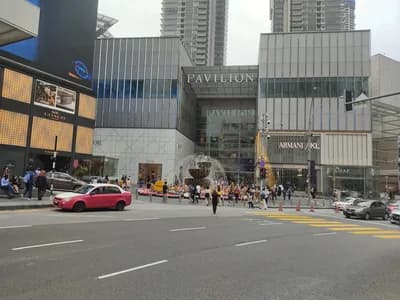
Its Pavilion Elite tower extension added ultra-luxury brands, while the surrounding Bukit Bintang strip connects to Lot 10, Fahrenheit88, and Sungei Wang Plaza within a ten-minute walk. Outperforms the museum in visitor volume, with 300% more daily transactions per square foot, cementing its role as Kuala Lumpur's commercial heart.
Frequently Asked Questions About Visiting Kuala Lumpur in 2026
When is the best time to visit Kuala Lumpur? The coolest and driest months are typically December to February, though KL is a year-round destination thanks to its indoor attractions and covered walkways. Avoid peak monsoon weeks in October–November if you plan outdoor activities.
Is Kuala Lumpur safe for tourists? KL consistently ranks among Southeast Asia's safer capital cities. The main tourist corridors — KLCC, Bukit Bintang, and Chinatown — are well-policed and walkable by day and night. Standard big-city precautions apply.
How many days do you need in Kuala Lumpur? Three full days covers the top ten highlights on this list at a comfortable pace. Add an extra day if you plan to explore the Bangsar and TTDI food trails or day-trip to Batu Caves.
Sources: [Tourism Malaysia — Official Visitor Guide](https://www.tourism.gov.my) · [Petronas Twin Towers Official Site](https://www.petronastwintowers.com.my) · [Michelin Guide Kuala Lumpur](https://guide.michelin.com/en/kuala-lumpur-region/kuala-lumpur/restaurants)
Image credits
- Batu Caves: Batu Caves / Wikipedia
- Bukit Bintang & Jalan Alor: Bukit Bintang / Wikipedia
- Merdeka Square & Colonial Quarter: Merdeka / Wikipedia
- Central Market & Chinatown: Chinatown / Wikipedia
- Islamic Arts Museum Malaysia: Islamic Arts Museum Malaysia / Wikipedia
- Bangsar & TTDI Food Trail: Bangsar / Wikipedia
- Pavilion KL & Bukit Bintang Shopping: Pavilion Kuala Lumpur / Wikipedia
Rank it your way
Remix this list into your own ranking, or head to the play hub for every game mode and community breakdown — blind mode, challenges, tier lists, and more.
You Might Also Like

Top 10 Things to Do in Kuala Lumpur
Top 10 Things to Do in Kuala Lumpur

Top 10 Things to Do in Phnom Penh
Top 10 Things to Do in Phnom Penh
Top 12 Things to Do in Chengdu in 2026
Top 12 Things to Do in Chengdu in 2026

Top 10 Best Things to Do in Xi'an, China
#1 Xi'an City Wall · #2 Terracotta Warriors Museum · #3 Datang Evernight City
Top 10 Most Dangerous Mountains in the World
#1 Annapurna I · #2 K2 · #3 Nanga Parbat

Top 10 Best Things to Do in Greece
#1 Acropolis of Athens · #2 Santorini Caldera · #3 Delphi Archaeological Site