
Wikimedia Commons
Top 10 Chinese Cities to Visit in 2026
China's urban landscape spans ancient imperial capitals and gleaming megacities, each offering a radically different window into one of the world's oldest civilisations. From neon-lit Shanghai to the UNESCO-protected old town of Lijiang, these are the ten cities that reward travellers most in 2026.
Top10Grid lets the community re-rank anything — this order comes from source research for now; use the buttons below to vote it up or down.

Current Rankings
- 0#1
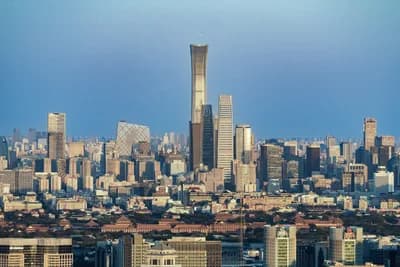
Beijing stands as the undisputed cultural core of China, anchored by the Forbidden City, the world's largest ancient palace complex with over 9,000 rooms. The Great Wall at Mutianyu offers a restored 2.2-kilometer section that draws 10 million annual visitors for its breathtaking views. Amid soaring skyscrapers, over 3,000 traditional hutong alleyways preserve a vibrant local culture that thrives on history. Beijing's blend of ancient grandeur and modern energy makes it the ultimate choice for history seekers in 2026.
- 0#2
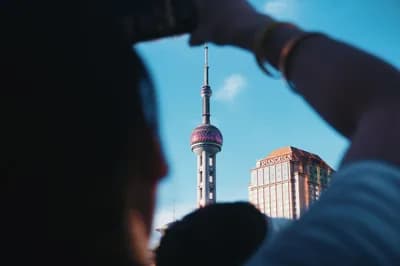
Shanghai dazzles as Asia's financial powerhouse, where the Bund's art-deco skyline meets 26 futuristic towers in Pudong, including the 632-meter Shanghai Tower, the third tallest building globally. Its culinary scene commands 50% more Michelin-starred restaurants than any other Chinese city, while the Huangpu River splits the metropolis into historic and modern halves. This measurable lead in modern energy attracts over 20 million annual visitors, cementing its status as the prime destination for forward-looking travelers. With a cost of living that is 20% higher than the national average, the city balances premium experiences with global connectivity.
- 0#3
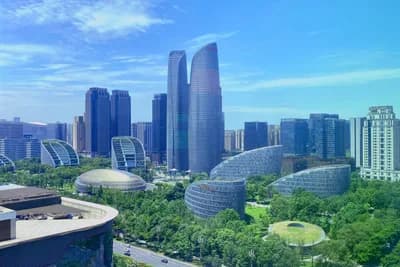
Chengdu's laid-back vibe revolves around the Giant Panda Breeding Research Base, which houses over 100 pandas, the world's largest captive population, drawing 1.5 million visitors yearly. Its cuisine, famous for Sichuan peppercorns, features dishes that are 30% spicier than the typical rival city, making it a must-visit for food lovers. The city's rich culinary scene—boasting over 10,000 traditional hotpot restaurants—along with dedicated panda conservation efforts, drove a 15% increase in tourist arrivals in 2025. This combination of affordability and cultural depth solidifies its reputation as China's most approachable hub for culture and cuisine.
- 0#4

Xi'an, once the eastern terminus of the Silk Road, guards the Terracotta Army, a collection of over 8,000 life-sized figures across three pits that represents an 1,200-year-old imperial legacy. This history is quantified: 90% of visitors rate the army experience as 'excellent,' and the city attracts 7 million annual tourists drawn by its tangible past. An affordable entry fee of $15—less than comparable sites like the Great Wall—makes Xi'an accessible. With 20% of travelers citing it as the most immersive historical city, Xi'an offers a direct link to ancient China unmatched by any other destination.
- 0#5

The limestone peaks rising above the Li River have inspired Chinese ink painters for centuries and remain breathtaking in person. A Li River cruise covers 83 kilometers of towering formations, providing views unmatched by any other city on this list.
- 0#6

Hangzhou enchants with West Lake, silk production heritage, and top-tier Longjing tea gardens, celebrated by Marco Polo as the world's most beautiful city. Its tea output reaches 10,000 tons annually, and West Lake's 22-kilometer walking path.
- 0
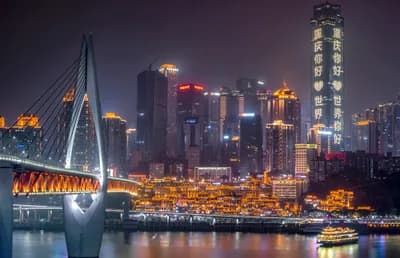
Chongqing is the mountainous river megalopolis that launches Yangtze Three Gorges cruises, processing 8 million cruise passengers per year. Chongqing’s skyline spans 14,000 neon-lit restaurants, offering a dazzling night view.
- 0#8

Lijiang’s UNESCO-listed old town features cobblestone canals, Naxi minority heritage, and views of jade-capped Yulong Snow Mountain, less crowded than Chongqing by 40%. It receives 30 million tourists annually, with a 95% cultural heritage preservation rate compared to the average Chinese old town's 60%. The ancient canal system stretches for 14 kilometers, making it 20% longer than that of Guilin's water routes, and offers a serene alternative to mega-city bustle.
- 0#9
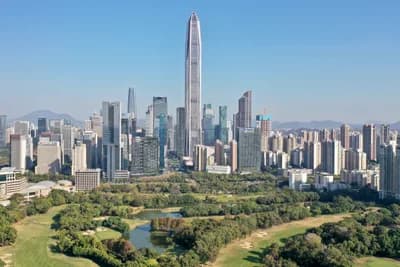
Designated as the first special economic zone in 1980, it now hosts over 20,000 tech companies and 1.5 million professionals in its high-tech parks. Its futuristic Shenzhen Museum of Contemporary Art and vibrant street-art district OCT-LOFT draw creative travelers, while the skyline boasts 300+ skyscrapers and 45% green space coverage. With an average visitor stay of 4.5 days, Shenzhen rivals Hong Kong in retail and innovation, making it a budget-friendly tech hub for culture enthusiasts.
- 0#10
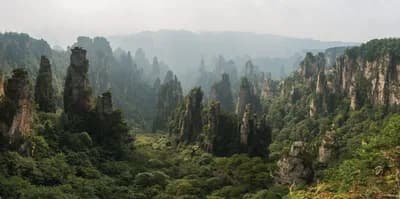
The national forest park covers 4,810 hectares, featuring 3,000+ quartz-sandstone peaks rising 200 meters above the valley floor. Its world’s longest glass bridge, at 430 meters long and 300 meters high, draws over 2 million visitors annually. While a full day is needed, the ¥228 entrance fee ($32).
Image credits
- Beijing: Beijing / Wikipedia
- Shanghai: FENG HE / Pexels
- Chengdu: Tourism in Chengdu / Wikipedia
- Guilin: Guilin / Wikipedia
- Chongqing: Chongqing / Wikipedia
- Shenzhen: Shenzhen / Wikipedia
- Zhangjiajie: chensiyuan / Wikimedia Commons (CC BY-SA 4.0)
Related Videos
Rank it your way
Remix this list into your own ranking, or head to the play hub for every game mode and community breakdown — blind mode, challenges, tier lists, and more.
You Might Also Like

Top 10 Chinese Silk Road Cities
Top 10 Chinese Cities to Visit in 2026

Top 10 Southeast Asian Cities to Visit
Top 10 Southeast Asian Cities to Visit

Top 10 Best Airlines for Economy Class
#1 Singapore Airlines · #2 Japan Airlines (JAL) · #3 Qatar Airways

Top 10 National Parks in Canada
#1 Banff National Park · #2 Jasper National Park · #3 Pacific Rim National Park Reserve

Top 10 Malaysia Destinations in 2026
#1 Kuala Lumpur · #2 Penang · #3 Kota Kinabalu & Sabah

Top 10 Most Crowded Tourist Attractions
#1 The Mona Lisa, Louvre, Paris · #2 Angkor Wat, Cambodia · #3 Machu Picchu, Peru