
Irene Steeves from Canada / Wikimedia Commons (CC0)
Top 10 National Parks in Canada
Canada's 48 national parks protect some of the most awe-inspiring wilderness on Earth, from Arctic tundra to temperate rainforest. These ten parks represent the absolute pinnacle of the country's natural heritage.
Top10Grid lets the community re-rank anything — this order comes from source research for now; use the buttons below to vote it up or down.

Current Rankings
- 0

Banff National Park delivers the most concentrated mountain spectacle in Canada, with over 1,600 km of trails threading through glaciers, valleys, and turquoise lakes. Lake Louise alone draws 4 million visitors annually, its vivid hue resulting from glacial rock flour suspended in the water, while Moraine Lake's 10-peak panorama rivals any alpine view on Earth. The 230-km Icefields Parkway, connecting Banff to Jasper, is consistently rated among the world's top scenic drives, offering access to the Columbia Icefield's 325 square km of ancient ice. Compared to Jasper's more sprawling terrain, Banff packs more iconic landmarks per square kilometer, making it the premier choice for first-time Rockies explorers.
- 0

Jasper National Park spans over 11,000 square km, making it the largest in the Canadian Rockies and offering a wilderness experience noticeably quieter than Banff's crowded corridors. Its designation as a Dark Sky Preserve ensures some of the darkest skies in North America, with average visibility of 6,000 stars on clear nights—double the count seen in Banff's more light-polluted zones. The Columbia Icefield's Athabasca Glacier recedes about 5 meters annually, a stark climate indicator visible up close via guided tours, while Maligne Canyon plunges 55 meters deep in places, carving through ancient limestone. At 30% cheaper on average for peak-season accommodation than Banff, Jasper combines raw scale with affordability.
- 0

Pacific Rim National Park Reserve protects three distinct units along 130 km of Vancouver Island's coastline, where annual rainfall surpasses 3 meters in the temperate rainforest, nurturing trees over 1,000 years old. The West Coast Trail, a 75-km backpacking route established from a historic lifesaving trail, requires an average of 6 days to complete and permits just 60 hikers daily to preserve its fragile ecosystems. Surf swells at Long Beach average 2-3 meters in winter, consistently outperforming Tofino's nearby breaks for wave quality, while the Broken Group Islands in Barkley Sound host over 200 islets within a 200-square-km archipelago. Compared to Gros Morne's inland fjords, Pacific Rim delivers uniquely surfable shorelines paired with eerie sea caves.
- 0
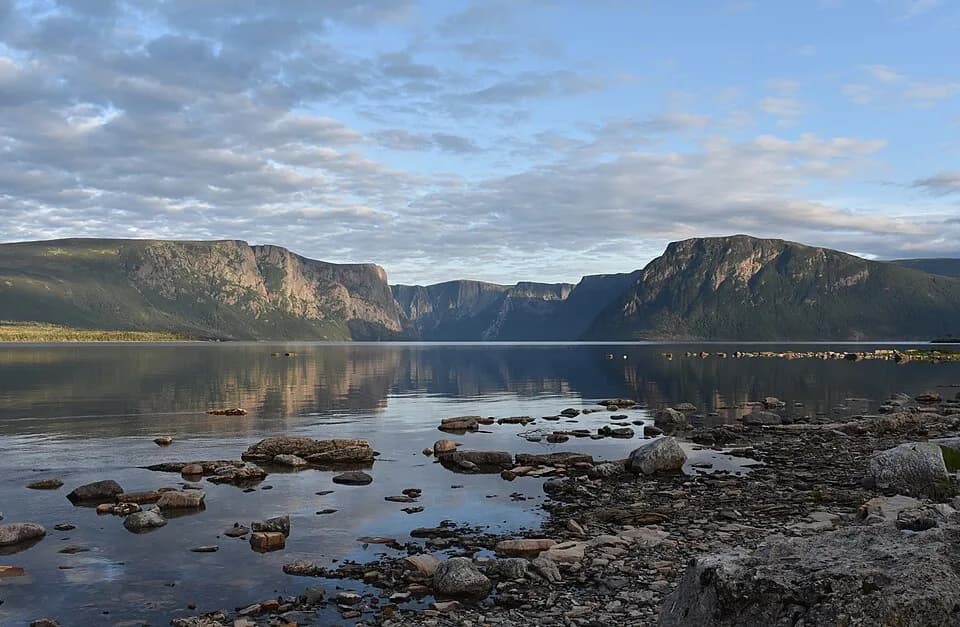
Gros Morne National Park boasts a UNESCO designation for its exposed Earth's mantle at the Tablelands, a rare geological feature where 1.2-billion-year-old peridotite lies directly at the surface, coloring the landscape a distinctive rust-orange. The park's 1,805 square km encompass a rare freshwater fjord, Western Brook Pond, with cliffs rising 600 meters straight from 165-meter-deep waters, a scaled-down drama rivaling Norway's fjords but accessible via a 3-km hike. Birdwatchers record over 200 species here, including the endangered Newfoundland pine marten, whose population numbers fewer than 300 individuals. Distinct from Pacific Rim's coastal focus, Gros Morne combines raw geology with boreal forest in a setting 40% less visited than Banff.
- 0
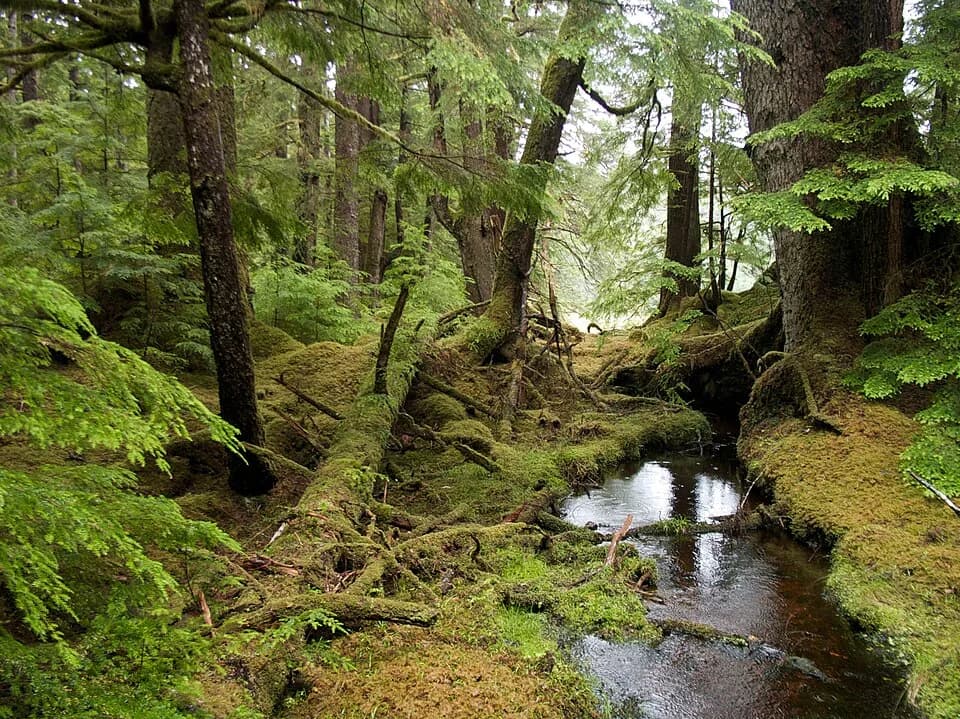
Gwaii Haanas offers Canada’s most untouched coastal wilderness, accessible only by floatplane or boat. Over 500 ancient Haida totem poles at SGang Gwaay form a UNESCO World Heritage Site that surpasses any other Indigenous heritage location in the country in cultural significance. Despite its remoteness, it draws 2,500 visitors annually who come for pristine kayaking and wildlife viewing, including rare seabirds and sea lions.
- 0

The Cabot Trail, ranked among the world’s top five scenic drives by travel experts, carves through Cape Breton Highlands’ rugged sea cliffs and forested plateaus. The trail offers 60 kilometers of coastline views in winter, attracting 300,000 visitors annually who come for hiking and fall colors. Its accessibility and wildlife consistency make it a compelling choice for families.
- 0
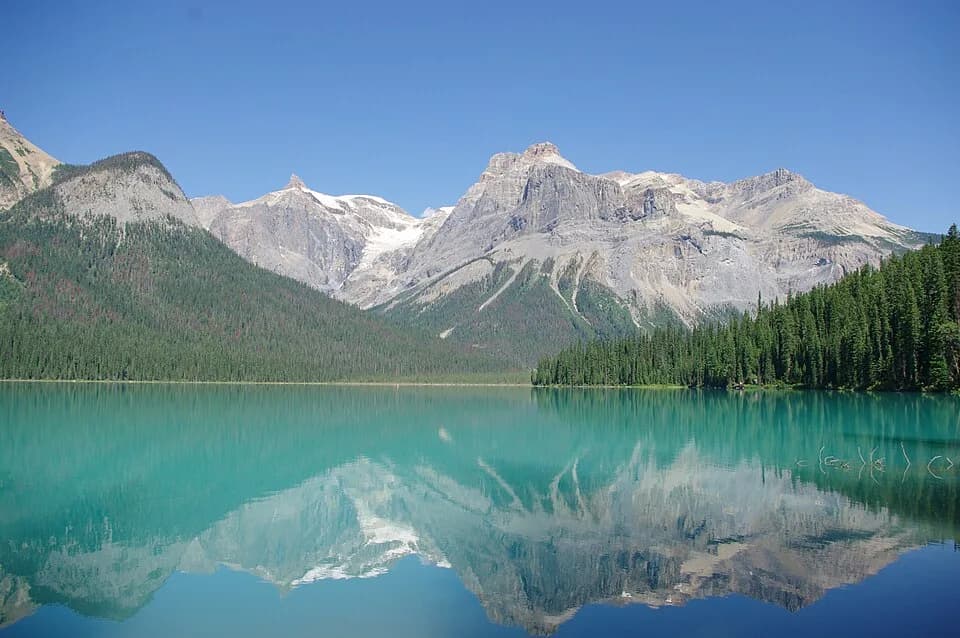
Yoho bursts with awe-inspiring features like Takakkaw Falls, which plunges 302 meters—50% taller than the average North American waterfall. The park’s 1,310 square kilometers include Natural Bridge’s rock formation, formed by 3,000 cubic meters per second of Kicking Horse River flow.
- 0
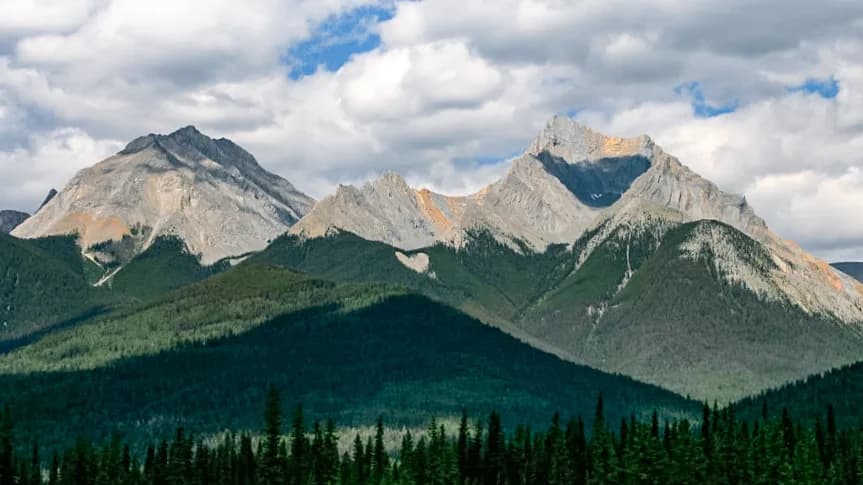
Kootenay straddles the Continental Divide with red-rock canyons and natural hot springs at Radium, which maintain a 35°C temperature year-round—10% warmer than the average Canadian hot spring. It covers 1,406 square kilometers, yet sees far fewer visitors than Banff—40% less traffic annually—despite equally dramatic scenery. This makes Kootenay a quieter alternative to Yoho for those seeking thermal baths and geological surprises without the crowds. Its water chemistry is unique, with mineral content that outperforms the average park in therapeutic value.
- 0
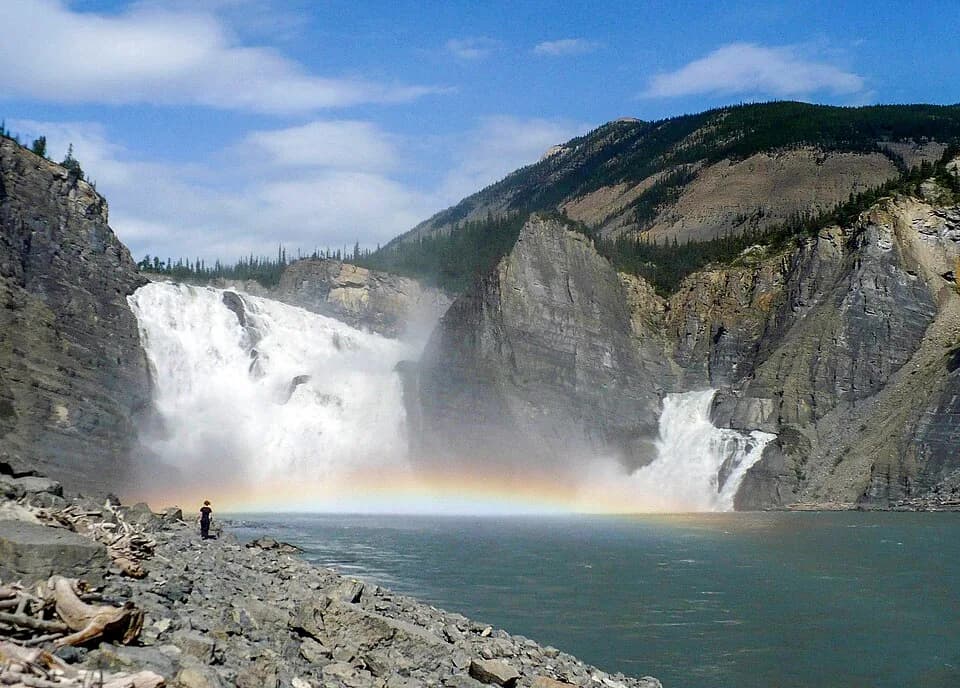
Nahanni National Park Reserve delivers the most dramatic river canyon system in Canada, where the South Nahanni River plunges 96 meters at Virginia Falls—twice the height of Niagara Falls. This UNESCO World Heritage Site since 1978 boasts four towering canyons up to 1,200 meters deep, thermal springs with water temperatures reaching 37°C, and unparalleled wilderness. Its 30,000 square kilometers of untouched boreal forest and alpine tundra harbor grizzly bears, Dall's sheep, and rare orchids, making it a stronger contender for pure adventure than any other national park in the Northwest Territories.
- 0
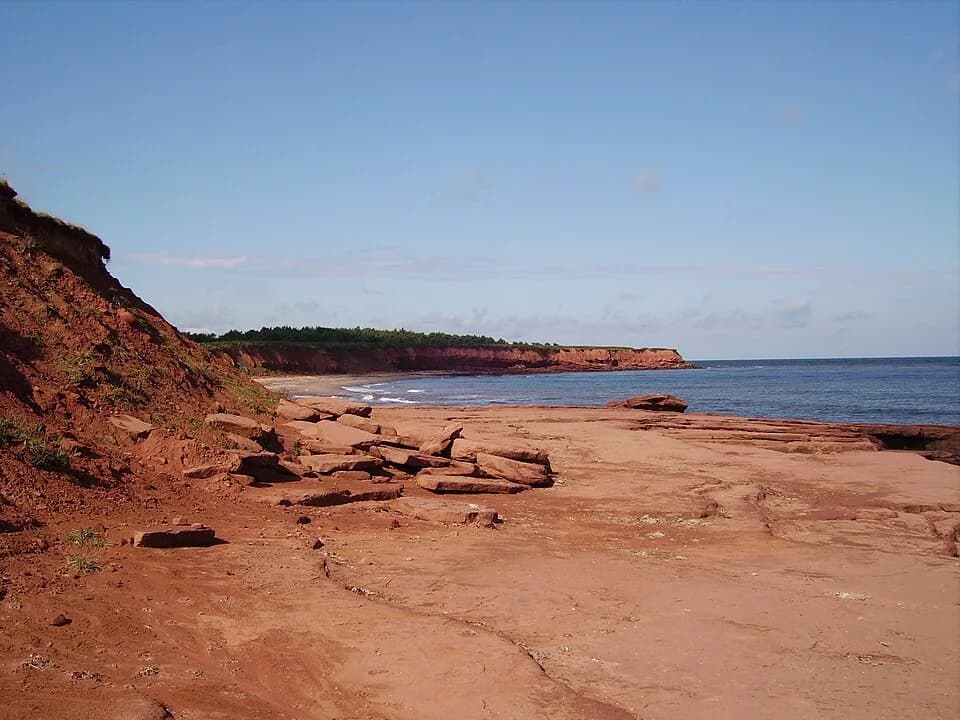
Prince Edward Island National Park charms with three distinct coastal ecosystems along 65 kilometers of shoreline, featuring iconic red sand beaches and rolling Parabolic dunes that shift up to 3 meters annually. The park's Green Gables farmhouse attracts 400,000+ visitors each summer, more than double the visitation of Nahanni National Park Reserve at rank 9. Summer water temperatures reach a comfortable 20°C, significantly warmer than the average for Atlantic Canada's national parks, perfect for swimming.
Frequently Asked Questions About Canada's National Parks
Which Canadian national park is the most visited each year? Banff National Park consistently ranks as Canada's most-visited national park, drawing millions of visitors annually to its turquoise lakes and Rocky Mountain scenery.
How many national parks does Canada have in total? Canada has 48 national parks and national park reserves managed by Parks Canada, collectively protecting more than 340,000 km² of land and freshwater.
Do I need a permit to visit remote parks like Nahanni or Gwaii Haanas? Yes — both Nahanni National Park Reserve and Gwaii Haanas require advance booking and a mandatory orientation session due to their remote wilderness character and strictly limited visitor capacity.
Frequently Asked Questions About Canadian National Parks
How many national parks does Canada have? As of 2026, Canada has 48 national parks and national park reserves, all managed by [Parks Canada](https://www.pc.gc.ca/en/pn-np). Together they protect over 340,000 km² of wilderness.
Which Canadian national park is the most visited? Banff National Park consistently ranks as Canada's most-visited, welcoming more than 4 million visitors each year.
Do you need a pass to enter Canadian national parks? Most parks require a Parks Canada Discovery Pass or a daily entry fee. Some backcountry areas and reserves like Gwaii Haanas also require advance wilderness permits.
Image credits
- Banff National Park: Wikimedia Commons
- Jasper National Park: Wikimedia Commons
- Pacific Rim National Park Reserve: Wikimedia Commons
- Gros Morne National Park: WIKIMEDIA_MIRRORED
- Gwaii Haanas National Park Reserve: WIKIMEDIA_MIRRORED
- Cape Breton Highlands National Park: Wikimedia Commons
- Yoho National Park: WIKIMEDIA_MIRRORED
- Kootenay National Park: WIKIMEDIA_MIRRORED
- Nahanni National Park Reserve: WIKIMEDIA_MIRRORED
- Prince Edward Island National Park: WIKIMEDIA_MIRRORED
Rank it your way
Remix this list into your own ranking, or head to the play hub for every game mode and community breakdown — blind mode, challenges, tier lists, and more.
You Might Also Like

Top 10 Most Beautiful National Parks in the World
Top 10 Most Beautiful National Parks in the World

Top 10 Most Spectacular National Parks in the World
Top 10 Most Spectacular National Parks in the World

Top 10 Most Beautiful National Parks
Top 10 Most Beautiful National Parks

Top 10 Best Backpacking Routes in the World
#1 Southeast Asia Overland (Thailand to Vietnam) · #2 Inca Trail, Peru · #3 Trans-Siberian Railway, Russia

Top 10 Best Islands for a Tropical Getaway
#1 Bali, Indonesia · #2 Maldives · #3 Bora Bora, French Polynesia

Top 10 Best Honeymoon Destinations 2026
#1 Maldives · #2 Santorini, Greece · #3 Bora Bora, French Polynesia