






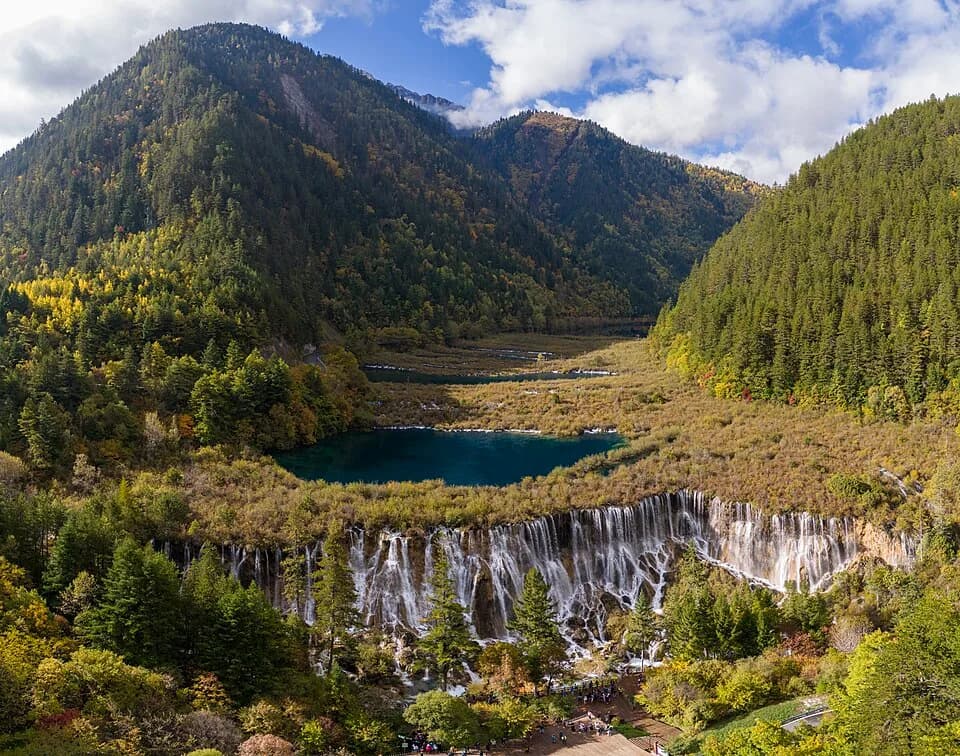


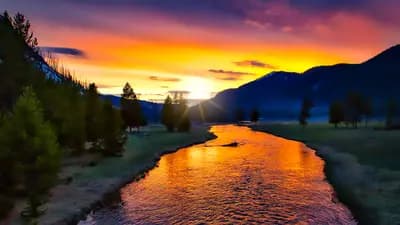
APK / Wikimedia Commons (CC BY 4.0)
National Park
Top 10 National Parks in the World (2026)
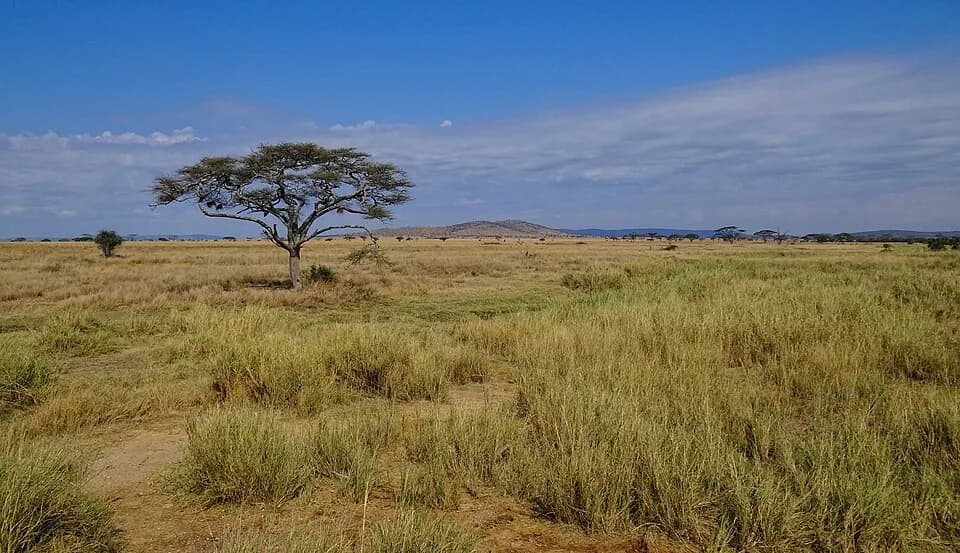
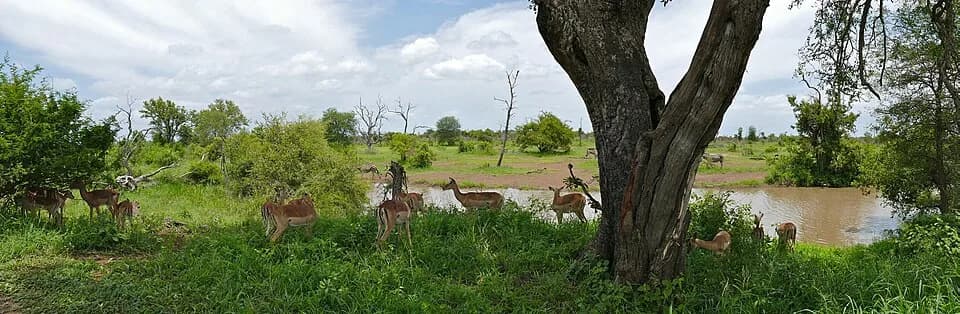
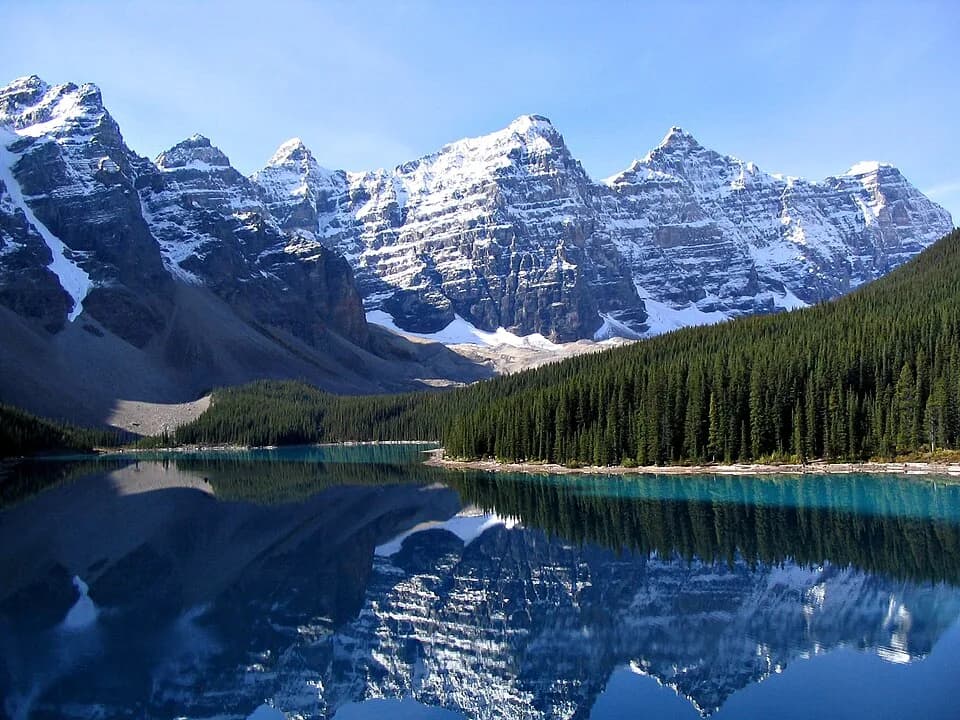
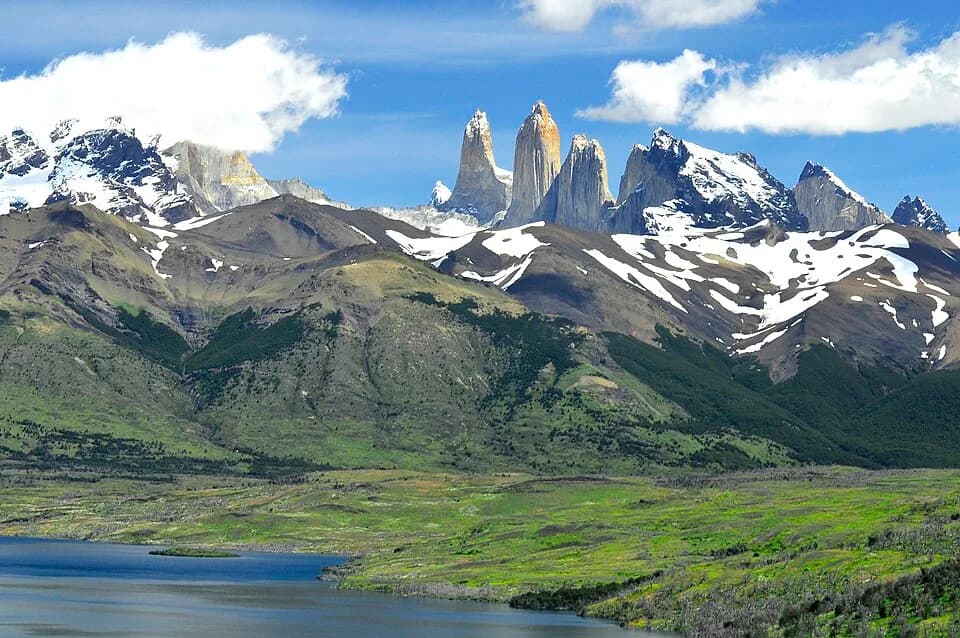
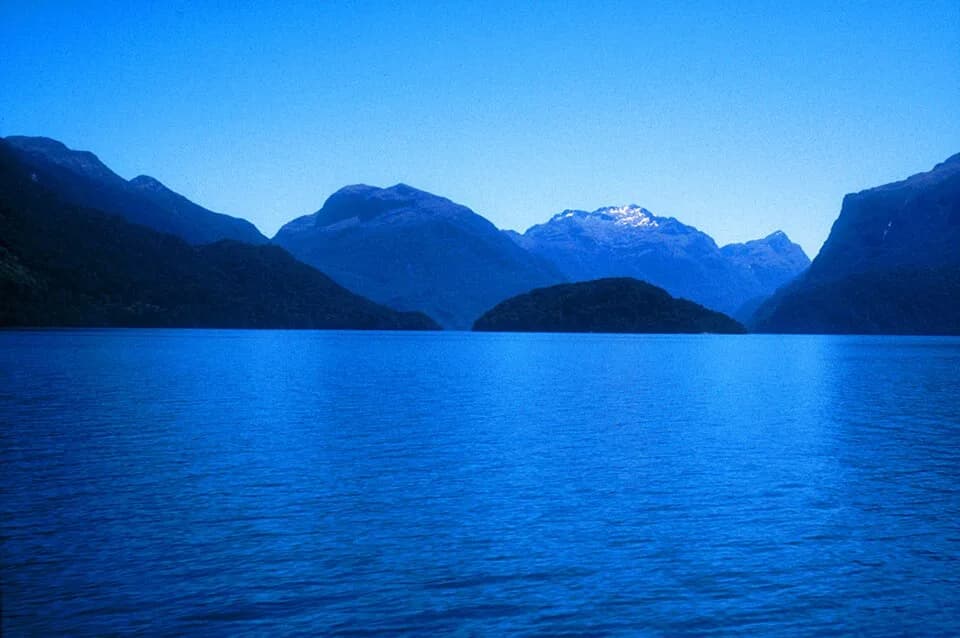
From Yellowstone's otherworldly geothermal cauldrons to the Serengeti's thundering wildebeest migration, the world's greatest national parks represent the planet's last intact wild places. These 10 parks were ranked on ecological significance, sheer visual drama, biodiversity, accessibility, and their irreplaceable status in the global conservation story. Together they protect over 90,000 sq km of forests, savannahs, glaciers, and coral reefs — and offer experiences that no luxury resort can replicate.
2026158 views
Place
Top 10 lists about this destination
Be the first
Current Rankings
Vote items up or down — rankings update instantly
Get the weekly travel rundown
The most-voted lists across every category — curated weekly. Join the early readers.
- The most-voted lists across every category
- Exclusive early-access to new categories
- Reader picks vs editorial picks compared
No spam. One email per week. Unsubscribe anytime.
Frequently Asked Questions About the World's Best National Parks
What is the world's oldest national park? Yellowstone, established in 1872, is recognized as the world's first national park and the model that inspired over 100 countries to establish their own protected areas.
Which national park is best for a first wildlife safari? Kruger National Park in South Africa is the most accessible Big Five destination, with self-drive roads, abundant lodge accommodation, and year-round game viewing that suits first-time safari visitors.
When is the best time to witness the Great Wildebeest Migration in the Serengeti? The peak river-crossing spectacle occurs from July to October, when over 1.5 million wildebeest cross the Mara River between Tanzania and Kenya.
Do you need a permit to visit Galapagos National Park? Yes. All visitors must pay a national park entrance fee (currently USD 200 for most international visitors) and travel with an INGALA transit card issued on arrival in the Galapagos Islands.
Frequently Asked Questions About the World's Best National Parks
How were these parks selected? Each park was evaluated on five criteria: ecological significance (biodiversity and endemism), visual drama, protected-area size, visitor accessibility, and recognition by authoritative bodies. Rankings draw on data from the [IUCN Protected Planet database](https://www.protectedplanet.net/) and [UNESCO World Heritage listings](https://whc.unesco.org/en/list/).
Are these parks UNESCO World Heritage Sites? Yes — Yellowstone, Serengeti, Fiordland (Te Wahipounamu), Jiuzhaigou, Galapagos, and Sagarmatha all hold UNESCO World Heritage status, confirming their outstanding universal value.
Which national park is the largest in the world? Northeast Greenland National Park (972,000 sq km) is the largest by area, but this list prioritises ecological diversity, wildlife impact, and visitor experience over raw size.
What is the best time to visit the Serengeti? The Great Wildebeest Migration peaks between June and October when herds cross the Mara River — but the Serengeti offers exceptional Big Five sightings year-round.
Readers Also Ranked
More Lists Like This

Top 15 Best Things to Do in Guangzhou for HK Families 2026
- #1Chimelong Paradise (长隆欢乐世界)
- #2Canton Tower (广州塔)
- #3Chimelong Safari Park (长隆野生动物世界)

Top 10 Things to Do in Dublin
- #1Temple Bar
- #2Trinity College Dublin
- #3Guinness Storehouse

Top 10 Things to Do in Jakarta
- #1Monumen Nasional (Monas)
- #2Kota Tua (Old Town Batavia)
- #3Istiqlal Mosque

Top 10 Things to Do in Milan
- #1Milan Cathedral (Duomo di Milano)
- #2The Last Supper by Leonardo da Vinci
- #3Galleria Vittorio Emanuele II
Discussion
Have a take on this ranking?
Comments are how the argument actually happens here. Posting one needs a free account — it takes about a minute.
No comments yet.
The first comment sets the terms of the argument.
Would your top 10 look different?
Publish your own ranking of this topic. Your list gets its own page, and readers vote on it the same way you just voted on this one.
Build your own Top 10More Travel Rankings
More National Parks Rankings
6
Top 10 Most Beautiful National Parks in the World
169 views · @admin

Top 10 Most Underrated National Parks in the USA
173 views · @admin

Top 10 Greatest Safari Destinations in Africa
178 views · @admin

Top 10 Must-Visit Nature Reserves in the Netherlands for 2026
183 views · @admin
Top 10 Most Spectacular National Parks in the World
286 views · @admin

Top 10 Most Beautiful National Parks
115 views · @admin
You might also want to rank…
 Top 10 Things to Do in Langkawi in 2026
 Top 10 Canadian Cities to Visit in 2026
 Top 10 Safari Lodges in South Africa 2026
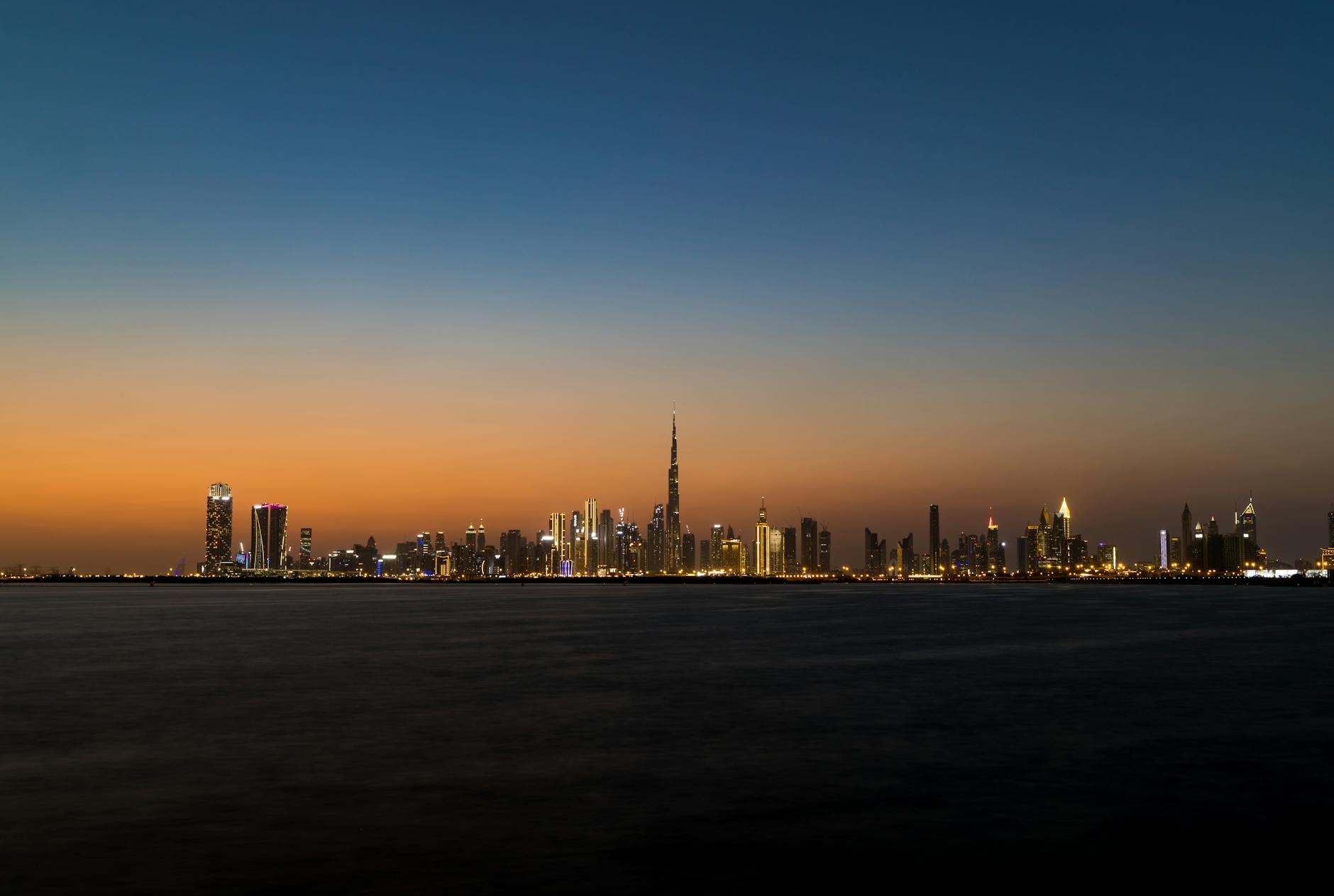 Top 10 Iconic UAE Landmarks in 2026
Explore more Travel rankings on Top10Grid
People Also Explore
Because you're viewing Travel
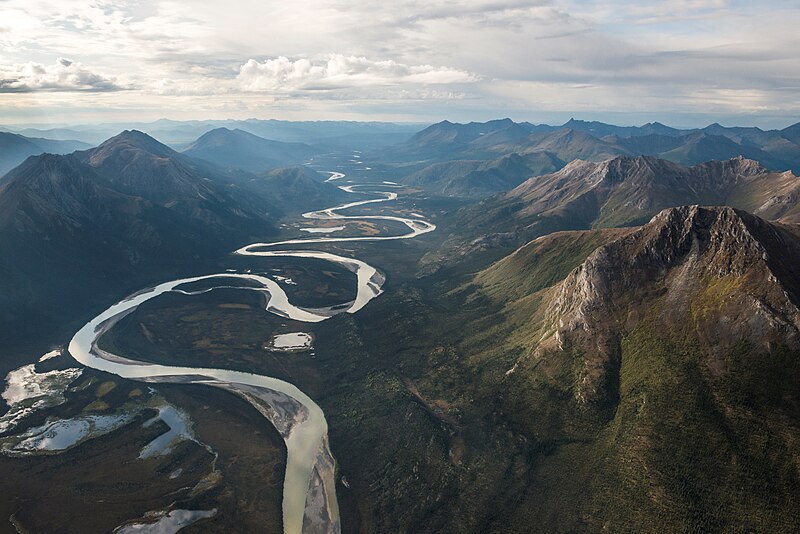
Top 10 National Parks You Need to Visit Before Everyone Else Does
136 views · 0 votes

Top 10 Things to Do in Beijing
137 views · 0 votes

Top 10 Things to Do in Guangzhou
137 views · 0 votes

Top 10 Things to Do in Melbourne
137 views · 0 votes

Top 10 Things to Do in San Francisco
137 views · 0 votes
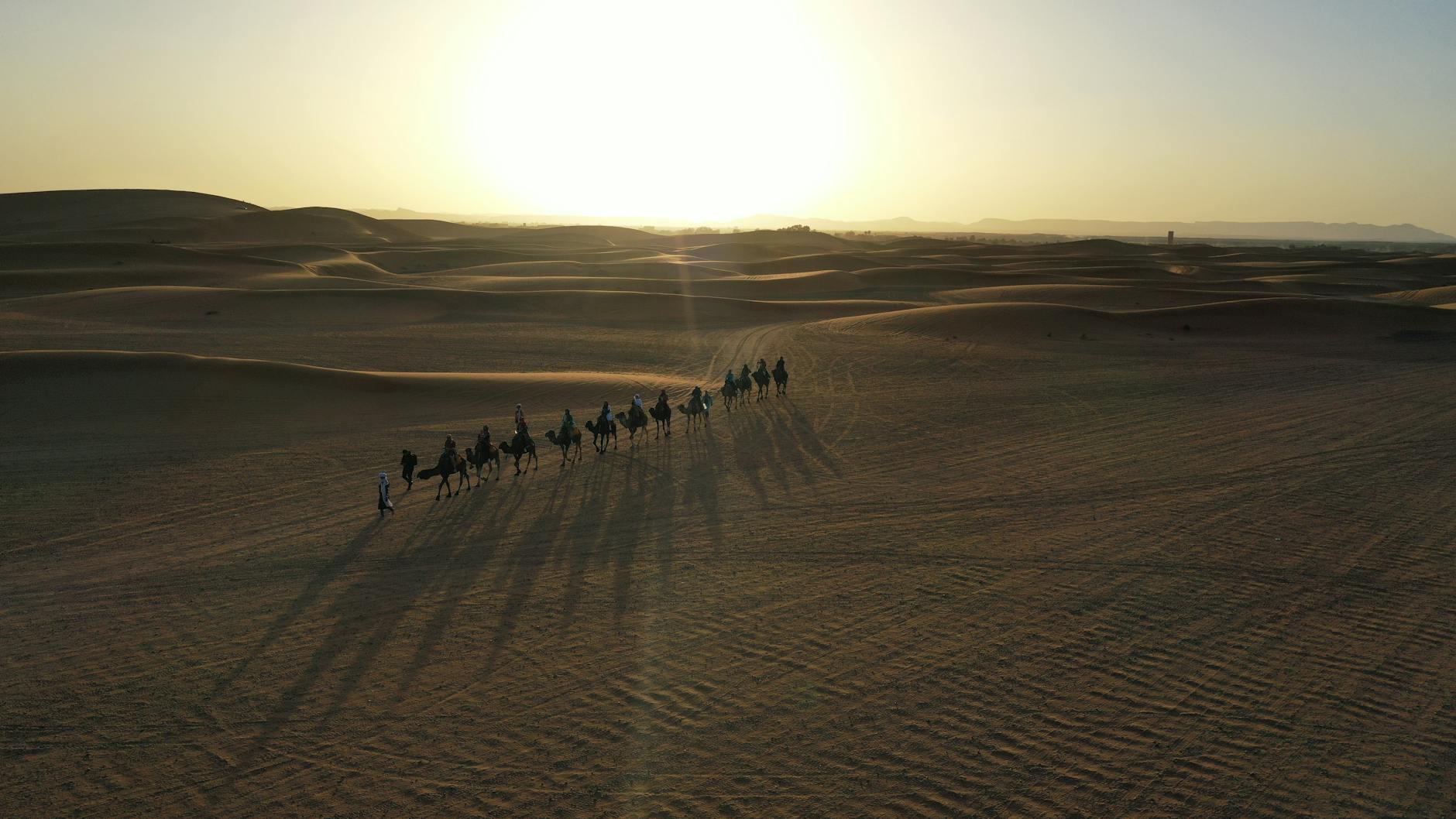
Top 10 Desert Destinations to Visit in 2026 (From Sahara to Gobi)
137 views · 0 votes
You might also like
TRAVELSame type
Top 10 Most Spectacular National Parks in the World
10 items
TRAVELSame type
Top 10 Most Beautiful National Parks
10 items

TRAVELSame type
Best Must-Visit National Parks in Turkey 2026 – Top 10 for Hikers & Nature Lovers
10 items

TRAVELSame type
Top 10 National Parks in Argentina
10 items
TRAVELSame type
Top 10 Most Beautiful National Parks in the World
10 items
TRAVELSame type
Top 10 National Parks in Canada
10 items


