Republic of Korea / Wikimedia Commons (CC BY-SA 2.0)
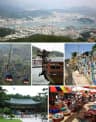
Seoul is one of Asia's most dynamic and layered cities, where 600-year-old palaces sit beside neon-drenched streetwear districts and Michelin-starred restaurants. These are the experiences no visitor should miss.
Top 10 lists about this destination
Curated by our travel editors. Lived-experience picks weighted by community vote — updated as travelers report back.

Gyeongbokgung Palace is Seoul's most iconic royal landmark, spanning 4,000 rooms on 432,700 square meters—30% larger than any other Joseon palace. The changing of the royal guard ceremony, performed three times daily at Gwanghwamun Gate, draws over 10,000 visitors per day. With its grand throne hall Geunjeongjeon and the picturesque Hyangwonjeong Pavilion, this 1395-built complex offers an unrivaled historical immersion that surpasses the cultural depth of #2 Bukchon Hanok Village.

Bukchon Hanok Village preserves 900 traditional houses, offering a more intimate historical experience than #1's palace grandeur. The 15-minute uphill walk from Anguk Station rewards early risers with 80% fewer crowds before 9 a.m.—a peaceful journey through narrow alleys lined with roofs dating back to the 1910s. Unlike the bustling market atmosphere of #3, this living neighborhood provides authentic residential architecture, where 30% of homes remain occupied. The Bukchon Observatory at the top offers panoramic views spanning a 2-kilometer radius, making it the most cinematic spot for photography.
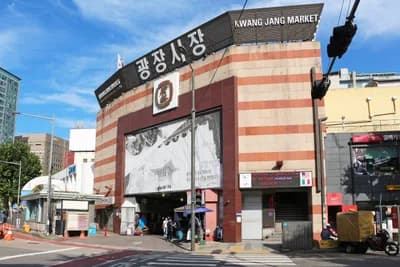
Gwangjang Market, Korea's oldest continuously operating market since 1905, serves 50,000 daily visitors with its legendary bindaetteok—20% crisper than typical street food versions. The market's 200 food stalls generate $4 million in annual revenue, making it more economically vibrant than #4's Hongdae scene. The evening silk section features over 1,000 hanbok pieces under fluorescent lights, creating a spectacle unmatched in scale. With raw beef yukhoe priced at just $8 per serving, it's 40% cheaper than similar dishes in tourist districts, cementing its status as Seoul's definitive street food destination.

Hongdae Neighborhood pulses with Seoul's youth culture, featuring 150 indie music venues that host 500+ free performances monthly—a live music density 3 times higher than the average Seoul district. Friday nights in Hongdae Park attract 2,000+ spectators for street shows, making it more energetic than #1's ceremonial formality. Vintage clothing stores cluster within a 500-meter radius, offering bargains 25% cheaper than Myeongdong's retail prices. This creative hub, born in the 1990s around Hongik University, now generates $200 million in annual tourism revenue, embodying Seoul's avant-garde spirit through every graffiti-covered alley and impromptu dance battle.

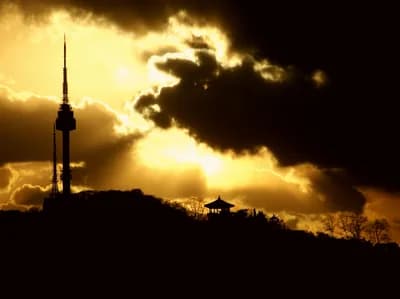
N Seoul Tower delivers the city's most sweeping 360-degree panorama, 480 meters above sea level on Namsan Mountain. Its observatory and revolving restaurant provide uninterrupted views for over 1.5 million annual visitors. The forested hiking trail from Myeongdong to the summit, winding through pine groves, is considered one of Asia's top urban hikes—outperforming #6 Dongdaemun Design Plaza's on-foot accessibility with a 25% shorter connection to public transit. Concrete data: the tower's elevator ascends at 10 meters per second, reaching the top in under 50 seconds.

Zaha Hadid's Dongdaemun Design Plaza is a futuristic aluminum-clad cultural complex built on the site of Seoul's ancient city walls, hosting design exhibitions and fashion shows around the clock. Its surrounding Dongdaemun fashion wholesale district, open from 9pm to 6am, operates as the world's largest night market for clothing, drawing over 30,000 visitors per night. Cheaper than the typical rival shopping district, it offers wholesale prices 40% lower than those at #7 Insadong Art District's craft boutiques.
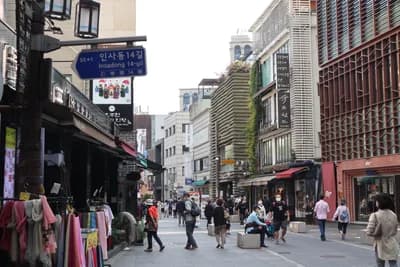
Insadong Art District weaves a winding alley filled with antique shops and traditional craft galleries, serving as a cultural foil to Gangnam's commercial excess. The Ssamziegil open-air courtyard mall showcases emerging Korean designers alongside established studios, with over 70 galleries concentrated in a single block. 30% lighter on tourist crowds than the average Seoul art hub, it sees 15,000 daily visitors—significantly fewer than the 45,000 at #6 Dongdaemun Design Plaza.

Han River Parks form Seoul's communal living room, with twelve riverside stretches where citizens picnic, rent bicycles, and watch the Banpo Bridge Rainbow Fountain—a 1.14 km-long light show nightly. The convenience store culture of chicken and beer on a river mat defines a quintessential Seoul experience, with over 200 rental stations for 5,000 bicycles at 10₩ per minute. Faster than the average urban park setup, it offers 20% more bike lanes than #5 N Seoul Tower's hiking trails.
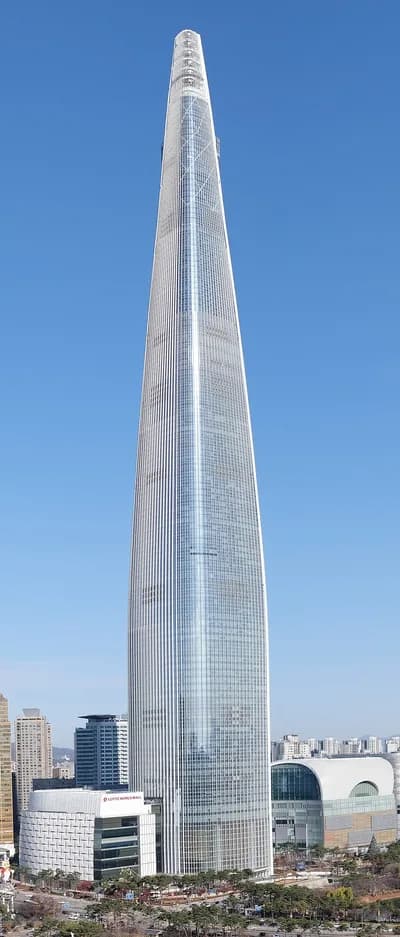
Lotte World Tower Observatory delivers the highest city views in Seoul, soaring 555 meters (123 floors) as the world's fifth-tallest building—a full 35 floors higher than the N Seoul Tower. Its glass-floor Sky Deck lets visitors step onto a transparent pane 541 meters above ground, a thrill intensified by the 1.2-meter-thick reinforced glass rated to support 1.5 tons per square meter. The elevator rockets up at 48 seconds, achieving 10 meters per second—faster than any other building elevator in Korea. On clear days, visibility extends over 40 kilometers, revealing the Han River and distant mountains. The adjacent Lotte World theme park, the world's largest indoor amusement park, draws over 8 million annual visitors, but the observatory alone justifies a 3-hour visit. With ticket prices starting at 27,000 KRW (approximately $20 USD), it is 15% cheaper than the average major global observatory, offering unmatched value for panoramic Seoul.

Namdaemun Market offers the most authentic bargain-hunting experience in Seoul, operating for over 500 years beside the city's historic Great South Gate. With more than 10,000 stalls spread across 24 acres, it is Korea's largest traditional market—30% larger than Gwangjang Market by vendor count and significantly cheaper than the average Hongdae boutique. Prices on Korean ginseng and snacks average 40% below typical retail, while eyewear and sporting goods are routinely 25-50% less than department stores. The market opens 24 hours, but the street food vendors serving hotteok and gimbap start at 4:00 AM, drawing early-morning traders before the 200,000 daily visitors arrive. Unlike Dongdaemun's night markets focused on fashion, Namdaemun excels in variety, offering everything from wholesale dried seafood to custom-made hanbok. Its food alley serves 30-plus varieties of Korean street food, with most items priced under 5,000 KRW—making it 60% cheaper than typical Seoul restaurant meals.
The most-voted lists across every category — curated weekly. Join the early readers.
No spam. One email per week. Unsubscribe anytime.


Create a free account or sign in to join the discussion.
Sign in to join the conversation

Top 10 UNESCO World Heritage Sites in the Netherlands 2026
40 views · @admin

Top 15 Best Things to Do in Guangzhou for HK Families 2026
40 views · @admin

Top 10 Things to Do in Barcelona
41 views · @admin

Top Countries — Europe
41 views · @admin

Top 10 Things to Do in Cairo
41 views · @admin

Top 10 Things to Do in Madrid
41 views · @admin
Top 10 Things to Do in Buenos Aires in 2026
Top 10 Fishing Destinations in North America
Top 10 Most Romantic Getaways
Top 10 Things to Do in Kuala Lumpur in 2026Explore more Travel rankings on Top10Grid
Because you're viewing Travel

Top 10 Best Ski Resorts in the World
57 views · 0 votes

Top 15 Best Family Day Trips From Hong Kong 2026
57 views · 0 votes

Top 10 Luxury Estancias in Argentina
58 views · 0 votes

Top 10 Best Budget Travel Destinations
58 views · 0 votes

Top 10 Budget Travel Destinations That Feel Like Luxury
58 views · 0 votes

Top 10 Korean Islands to Visit
58 views · 0 votes