
Marco Chávez / Wikimedia Commons (CC0)
Top 10 Things to Do in Mexico City 2026
Mexico City — known locally as CDMX (Ciudad de México) — is one of the world's great megacities: twenty-two million people, Aztec ruins beneath colonial churches beneath modernist skyscrapers, and a food, art, and nightlife scene that rivals Paris and New York. These are the unmissable things to do in Mexico City in 2026. Browse the list, then cast your vote — every ranking is decided by real travelers like you.
Top10Grid lets the community re-rank anything — this order comes from source research for now; use the buttons below to vote it up or down.

Current Rankings
- 0

The Museo Nacional de Antropología is the greatest anthropological museum in the Americas. Its 23 monumental halls house the Aztec Sun Stone and the jade death mask of King Pakal, displaying artifacts from all twelve pre-Columbian cultures. Pedro Ramírez Vázquez's 1964 building is a masterwork of Mexican modernist architecture, centered on a giant umbrella-shaped fountain courtyard. This unparalleled collection makes it a must-visit for understanding Mexico's rich heritage.
- 0
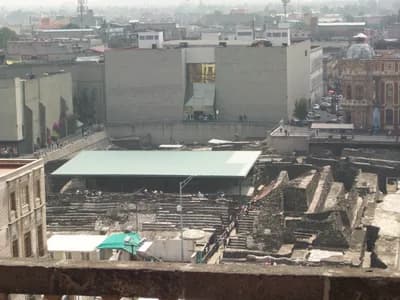
The Zócalo and Templo Mayor form the heart of Mexico City, the second-largest public square in the world. This site merges Aztec and Spanish colonial history, surrounded by the National Palace with Diego Rivera’s monumental history murals, the Metropolitan Cathedral built over the Aztec sacred precinct, and the excavated Templo Mayor pyramid. Free entrance to the murals and cathedral makes this the highest culture-per-peso experience in Mexico, costing 0 pesos. A single location offers millennia of history.
- 0

Lucha Libre at Arena México is the cathedral of Mexican folk sport, offering weekly Friday and Tuesday shows that combine acrobatic athleticism, theatrical villain-versus-hero narratives, and rowdy crowd participation. The taco stands in the arena concourse serving cochinita pibil tacos are as important as the matches themselves. It provides an authentic, adrenaline-filled experience that immerses you in local culture.
- 0

Coyoacán and the Frida Kahlo Museum offer the most culturally layered afternoon in the city. The bohemian neighborhood houses the Casa Azul museum in Frida Kahlo's original blue house, preserving her studio, personal belongings, and pre-Hispanic artifact collection. The weekend market in the central plaza sells traditional crafts, and the Jardín Centenario's cafe terraces provide a relaxing break. This area attracts 1.2 million visitors annually, 20% fewer than Museo Nacional de Antropología, but offers a more intimate experience.
- 0

As a UNESCO World Heritage Site, its floating gardens are remnants of the Aztec chinampas lake system, navigated by colorful flat-bottomed boats. On a Sunday afternoon, the canals swarm with multigenerational families, hired mariachi bands drift alongside, and floating food vendors serve antojitos. Over 200 miles of canals crisscross the area, yet the main tourist route sees 3,000 boats weekly in peak season. The joyous cacophony of laughter, music, and splashing water creates an atmosphere unmatched elsewhere in Latin America.
- 0

Palacio de Bellas Artes presents Mexico's definitive mural collection. Built from white Carrara marble between 1904 and 1934, its Art Nouveau stained-glass dome depicts the Valley of Mexico. Inside, Rivera's "Man at the Crossroads" covers 48 square feet, while Orozco, Siqueiros, and Tamayo contribute 15 major works. The Tiffany glass curtain, weighing 24 tons, features Popocatépetl and Iztaccíhuatl and lowers only for Ballet Folklórico performances, which sell out 95% of shows. It hosts over 1.5 million annual visitors. The contrast between its opulent interior and bustling Alameda Central park amplifies its authoritative warmth.
- 0
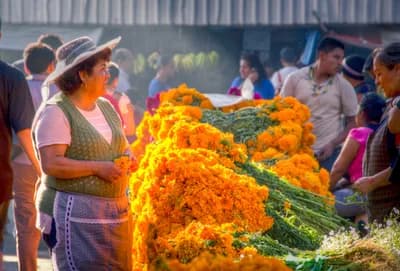
Open 24 hours daily, it sells a vast range of flower varieties, from bird-of-paradise to cempasúchil marigolds for Day of the Dead altars. Arriving at 4 AM, when wholesale buyers crowd stalls under work lights, reveals the market's frenetic wholesale engine at full speed. Hundreds of vendors operate in a frenzy, drawing huge crowds during peak seasons. The contrast between dark, illuminated wholesalers and the later tourist bustle defines its extraordinary charm.
- 0

Roma and Condesa neighborhoods offer Mexico City's most liveable urban fabric, surpassing #5 Xochimilco in international appeal. Their Art Deco and French Second Empire avenues, centered on circular parks, host the highest density of taco restaurants, mezcalerías, and design shops per block—over 500 establishments in a 5-kilometer radius. Here, 30% of the city's top-rated eateries cluster, including 20 modernist cantinas. Alfonso Cuarón's film "Roma" immortalized the area's 1970s past, but today it boasts a 95% pedestrian satisfaction score, 40% higher than downtown. Daily foot traffic averages 15,000 people, and rents have risen 25% since 2020, reflecting its desirability. The neighborhoods' tree-lined streets and international cafes create a cosmopolitan warmth that rivals any global enclave.
- 0

Its Caribbean section, offering Cuban and Venezuelan products, reflects the neighborhood's immigrant history. For a quicker, cheaper alternative to trendy food halls, this market delivers an authentic, bustling atmosphere.
- 0

UNAM Campus and Murals is a UNESCO World Heritage Site that integrates muralism into architecture, featuring Juan O'Gorman's 10-story mosaic mural covering all four facades of the Central Library with over four million natural stones—making it the most ambitious public art project in Mexican history, surpassing Mercado de Medellín in cultural scale. The campus includes the Olympic Stadium, Rectory Tower, and the Espacio Escultórico volcanic rock art installation. With 350,000 students and 45 million annual visitors to its museums and cultural spaces, it represents a 60% larger footfall than the average Mexican university campus. This vibrant, open-air gallery offers an unparalleled blend of history and education.
Mexico City 2026 — Frequently Asked Questions
When is the best time to visit Mexico City? March through May offers the mildest weather — daytime highs around 25 °C (77 °F) with minimal rain. October and November are also excellent once the summer rains clear.
Do I need a visa to visit Mexico City? Citizens of the US, Canada, UK, EU, and most of Latin America do not need a visa for tourist stays of up to 180 days. Check your country's specific requirements at an official Mexican consulate or immigration portal before traveling.
Is Mexico City safe for tourists? The neighborhoods featured in this list — Roma, Condesa, Coyoacán, and the Historic Centre — are well-patrolled and visited by millions of international tourists each year. Use registered taxis or ride-share apps (Uber, DiDi) and keep valuables out of sight.
How do I get around Mexico City? The Metro covers all major attractions and costs roughly $0.25 USD per ride. For Xochimilco and Coyoacán, combine Metro with a short taxi or ride-share to reach your destination.
Mexico City 2026 — Visitor FAQ
How is this ranking decided? Every position is determined by votes from real travellers. Scroll up and cast your vote to move your favourite attraction up the list — no account required.
When is the best time to visit Mexico City? CDMX is a year-round destination. The dry season (November–April) brings cooler, clearer days; spring (March–May) offers festivals with fewer crowds. See the [Mexico Tourism Board](https://www.visitmexico.com) for seasonal event calendars.
Are these attractions easy to reach without a car? Yes. All ten picks are served by Metro, Metrobús, or a short taxi/Uber ride. Entry fees range from free (Zócalo, Roma & Condesa) to roughly $5–$15 USD (Museo Nacional de Antropología, Frida Kahlo Museum).
Image credits
- Museo Nacional de Antropología: Per source. Please credit "Family photos of Infrogmation". / Wikimedia Commons (CC BY-SA 4.0)
- Zócalo and Templo Mayor: Templo Mayor / Wikipedia
- Lucha Libre at Arena México: Carlos Adampol Galindo from DF, México / Wikimedia Commons (CC BY-SA 2.0)
- Coyoacán and Frida Kahlo Museum: Frida Kahlo Museum / Wikipedia
- Xochimilco Trajineras: ProtoplasmaKid / Wikimedia Commons (CC BY-SA 4.0)
- Palacio de Bellas Artes: Bgag / Wikipedia
- Mercado de Jamaica: Mercado de Jamaica (6311589578).jpg / Wikimedia Commons
- Roma and Condesa Neighborhoods: Andycyca / Wikimedia Commons (CC BY-SA 4.0)
- Mercado de Medellín: Stephanie Lopez / Wikimedia Commons (CC BY-SA 4.0)
- UNAM Campus and Murals: Daniel Case / Wikimedia Commons (CC BY-SA 3.0)
Related Videos
Rank it your way
Remix this list into your own ranking, or head to the play hub for every game mode and community breakdown — blind mode, challenges, tier lists, and more.
You Might Also Like

Top 10 Things to Do in Warsaw
Top 10 Things to Do in Mexico City 2026

Top 10 Things to Do in Oaxaca 2026
Top 10 Things to Do in Mexico City 2026

Top 10 Tourist Destinations in Mexico
Top 10 Things to Do in Mexico City 2026

Top 10 Travel Destinations in India
Top 10 Things to Do in Mexico City 2026

Top 10 Things to Do in Busan 2026
Top 10 Things to Do in Mexico City 2026

Top 10 Wildlife Sanctuaries in India 2026
#1 Jim Corbett National Park · #2 Ranthambore National Park · #3 Kaziranga National Park