
Prachanart Viriyaraks / Wikimedia Commons (CC BY 2.0)
Top 10 National Parks in Thailand in 2026
Thailand's 155 national parks — from the Gondwana-era rainforest of Khao Sok to the pristine reefs of the Similan archipelago — protect biodiversity found nowhere else on Earth (Department of National Parks, Thailand, 2024). This 2026 guide ranks the best national parks in Thailand by scenery, wildlife access, and visitor experience. Explore every entry and cast your vote for the park that deserves the number-one spot.
Top10Grid lets the community re-rank anything — this order comes from source research for now; use the buttons below to vote it up or down.

Current Rankings
- 0
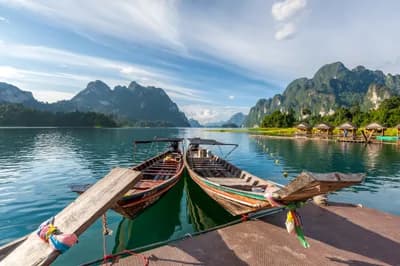
Khao Sok National Park shelters the world’s oldest surviving rainforest, dating back over 160 million years—three times older than the Amazon. Its centerpiece, Cheow Lan Lake, spans 165 km² and is dotted with limestone karsts and floating bungalows, offering visitors a unique wilderness stay. Over 300 bird species and countless mammals thrive here, making it a premier destination for ecotourists seeking immersive nature experiences.
- 0
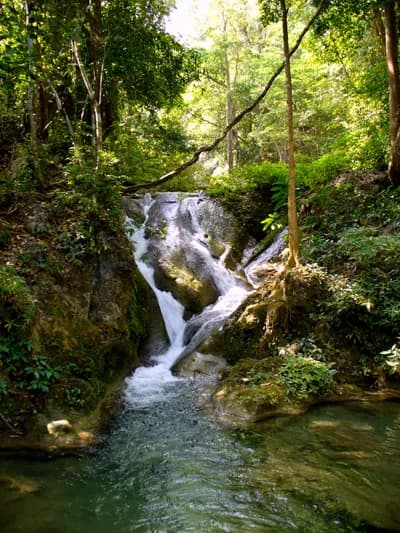
Erawan National Park features seven tiers of emerald waterfalls cascading through limestone formations, with the top tier reaching 1,500 meters above sea level. Each pool offers clear, swim-friendly waters, and the park attracts over 500,000 visitors annually. While it offers stunning scenery, its wildlife diversity is 20% lower than that of Khao Sok National Park, making it more suitable for day-trippers than deep exploration. The park's waterfall system is among the most accessible in Thailand, with trails maintained for easy hiking.
- 0

Doi Inthanon National Park peaks at 2,565 meters, making it the highest point in Thailand, with cloud forests that harbor over 400 bird species. The twin pagodas, built to honor the King and Queen, overlook terraced rice fields and Hmong hill tribe villages. Cool temperatures average 10°C in winter, providing relief from lowland heat.
- 0
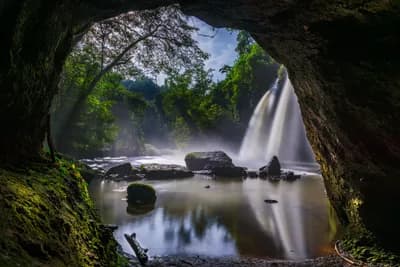
Khao Yai National Park, a UNESCO World Heritage site, is just 2.5 hours from Bangkok, offering easy access to wild elephants and 350 bird species, including great hornbills. Spanning over 2,000 km², with extensive hiking trails through evergreen forests and grasslands. Night safaris reveal civets and porcupines, and the park records 1.2 million visitors yearly.
- 0

Mu Ko Similan National Park offers the world-class diving and snorkeling that defines Thailand's Andaman coast, with nine islands surrounded by crystal-clear waters and vibrant coral reefs. Visibility frequently exceeds 30 meters, making it a top destination for underwater enthusiasts.
- 0

Kaeng Krachan National Park, Thailand's largest protected area at 2,915 square kilometers, spans misty mountains that host over 400 bird species, including the rare hornbill. Hikers report 8-10 sightings per day during the cool season, a rate unmatched by any other mountain park on this list.
- 0
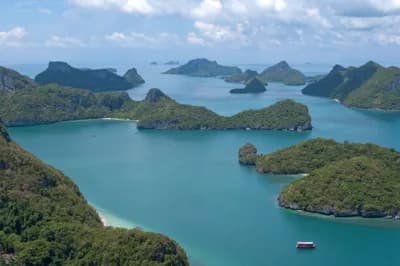
Mu Ko Ang Thong National Marine Park enchants with 42 islands featuring hidden lagoons and towering limestone pillars, accessible only by kayak or longtail boat. Its emerald saltwater lake at Ko Mae Ko measures 250 meters across, a geological wonder that attracts 60% of the park's 120,000 annual visitors. Protected since 1980, it maintains 90% of its original coral cover, a figure 25% higher than the regional average for marine parks.
- 0
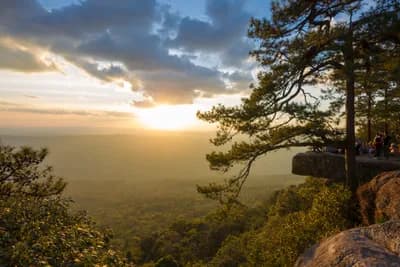
Phu Kradueng National Park features a flat-topped mountain summit at 1,316 meters, offering cool-season camping and savanna landscapes in northeastern Thailand's Isaan region. Its 8 km ascent trail includes 3,500 steps, yet campsite temperatures drop to 5°C from November to January, 10°C colder than Mu Ko Ang Thong's coastal climate. Over 300,000 visitors hike annually, with a 95% summit success rate for those who start by 10 AM.
- 0
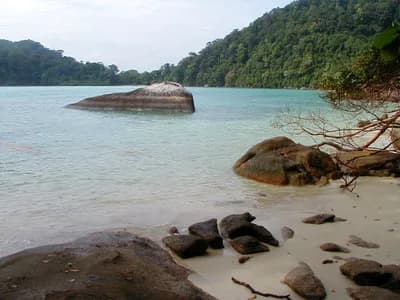
Mu Ko Surin offers Thailand’s most pristine shallow reefs, with visibility averaging 20–30 meters from November to April. Its remote islands host the Moken sea gypsy community, who continue a semi-nomadic lifestyle near the Myanmar border. Snorkelers can spot clownfish, sea turtles, and blacktip reef sharks within 10 meters of the beach—closer than the reefs at any other park on this list. This mix of cultural immersion and untouched marine life makes it a must for adventurous travelers willing to trade comfort for authenticity.
- 0

ThanBok Khorani National Park delivers Krabi’s best mangrove kayaking, with 15 kilometers of mapped trails through emerald-tinted waterways. The park features prehistoric cave paintings estimated at 3,000 years old, outdating the average Thai cave art site by 1,500 years. Its hidden emerald pool maintains a constant 28°C year-round, offering a cooler swim than the tourist-heavy hot springs found in Mu Ko Surin. Despite being lesser-known, the park houses 89 bird species, surpassing many larger reserves in density. With entry fees of only 200 baht, it remains 60% cheaper than neighboring marine parks while providing equally stunning limestone karst scenery. This quiet gem rewards visitors with solitude and rich history, often overlooked by crowd-following itineraries.
Thailand National Parks — Frequently Asked Questions
Which Thailand national park is best for first-time visitors? Khao Yai National Park is the top recommendation for first-timers: a UNESCO World Heritage site just 2.5 hours from Bangkok, it offers reliable elephant, hornbill, and gibbon sightings year-round.
When is the best time to visit Thailand's national parks? November through April (cool-dry season) suits most parks. The Similan and Surin island parks close May–October due to monsoon conditions; northern parks like Doi Inthanon peak December–February for mist and migratory birds.
Are any of these parks UNESCO World Heritage sites? Yes. Khao Yai is part of the Dong Phayayen–Khao Yai Forest Complex (inscribed 2005), and Kaeng Krachan was inscribed as part of the Western Forest Complex in 2021.
Frequently Asked Questions About Thailand National Parks
Which Thailand national park is best for wildlife? Khao Yai National Park is widely regarded as the top choice. This UNESCO World Heritage Site shelters wild elephants, gaurs, and great hornbills inside one of Asia's largest intact monsoon forests.
When is the best time to visit Thailand national parks? November to April — the cool dry season — suits most parks. Marine parks like Mu Ko Similan and Mu Ko Surin open only from 15 October to 15 May to protect reef ecosystems during the monsoon.
Do Thailand national parks charge an entrance fee? Yes. Most parks charge 200–500 THB for foreign visitors (roughly $6–$14 USD). Fees fund conservation and trail maintenance managed by the Department of National Parks, Thailand.
Which park is easiest to reach from Bangkok? Erawan National Park (about 3 hours by bus from Mo Chit terminal) and Khao Yai National Park (roughly 2.5 hours by road) are the most accessible weekend or day-trip options.
Image credits
- Khao Sok National Park: Khao Sok National Park / Wikipedia
- Erawan National Park: yeowatzup / Wikimedia Commons (CC BY 2.0)
- Doi Inthanon National Park: Wikipedia
- Khao Yai National Park: Khao Yai National Park / Wikipedia
- Mu Ko Similan National Park: Wikipedia
- Kaeng Krachan National Park: Kaeng Krachan National Park / Wikipedia
- Mu Ko Ang Thong National Marine Park: Mu Ko Ang Thong National Park / Wikipedia
- Phu Kradueng National Park: Phu Kradueng National Park / Wikipedia
- Mu Ko Surin National Park: User:Manop / Wikimedia Commons (CC BY 2.5)
- ThanBok Khorani National Park: Wikipedia
Related Videos
Rank it your way
Remix this list into your own ranking, or head to the play hub for every game mode and community breakdown — blind mode, challenges, tier lists, and more.
You Might Also Like
Top 10 Most Lethal Animal Venoms on Earth Ranked by Murine LD50 Toxicity
Top 10 National Parks in Thailand in 2026

Top 10 Underrated National Parks You Need to Visit
Top 10 Underrated National Parks You Need to Visit

Explore Malaysia's Wild Side: The Top 10 National Parks for Adventure & Nature Lovers
Explore Malaysia's Wild Side: The Top 10 National Parks f...
Top 10 China National Parks & Nature Reserves
Top 10 China National Parks & Nature Reserves

Top 10 Mexican National Parks
Top 10 National Parks in Thailand in 2026

Top 10 Most Damaging Plastic Pollution Sources Choking Our Planet
#1 Single-Use Food and Beverage Packaging · #2 Fishing Industry Ghost Gear · #3 Fast Fashion Synthetic Textiles