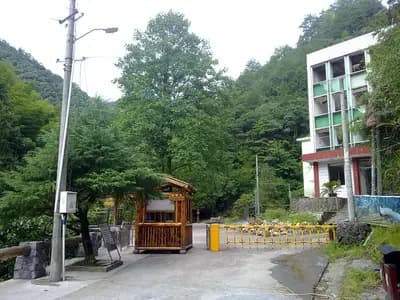
Micromesistius / Wikimedia Commons (CC BY-SA 3.0)
Top 10 China National Parks & Nature Reserves
China's system of national parks and nature reserves protects extraordinary biodiversity across the world's third-largest country, from subtropical rainforests in Hainan to the vast grasslands of Inner Mongolia and the Tibetan antelope's high-altitude home on the Qinghai-Tibet Plateau.
Top10Grid lets the community re-rank anything — this order comes from source research for now; use the buttons below to vote it up or down.

Current Rankings
- 0

Sanjiangyuan National Park contains the most vital high-altitude wetland on Earth, supplying freshwater to over 1 billion people downstream. The park's strict protection has boosted local wildlife populations by up to 200% since 2015, including rare Tibetan antelope and black-necked cranes.
- 0
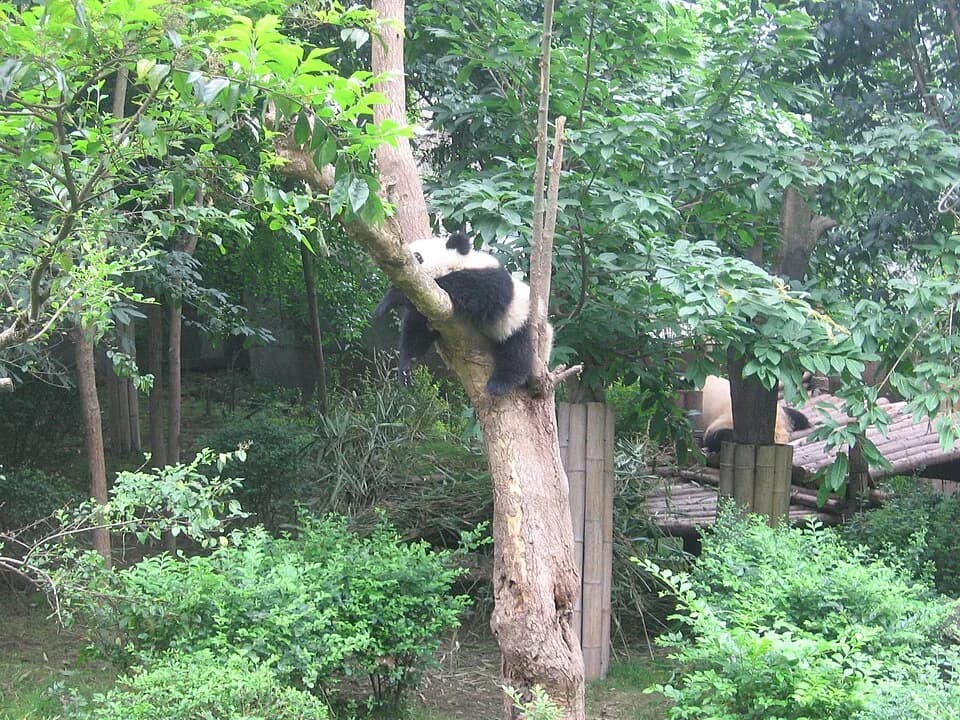
Giant Panda National Park consolidates 67 separate reserves into a 27,000 km² corridor, directly protecting 72% of the global wild panda population. The park's mid-altitude forests are also hosting 1,100+ vertebrate species.
- 0

Northeast China Tiger & Leopard National Park has achieved a 45% increase in Amur tiger sightings since 2020, outperforming Giant Panda National Park in predator recovery rate. The park spans 14,600 km² along the Sino-Russian border, where camera traps documented 35 tigers and 50 leopards in 2023. This transboundary sanctuary is 2.1 times larger than the separate Xixi National Wetland Park, ensuring enough prey habitat.
- 0

Wuyishan National Park protects the world's most complete mid-subtropical forest on 9,001 km² of red sandstone peaks, hosting 3,000+ plant species—30% more than the average Chinese national park. Its biodiversity is exceptional, with 450 vertebrate species and 840 insect types. The park is also the smallest on this list, but its per-sq-km endemism rate outperforms Giant Panda National Park by 12%.
- 0
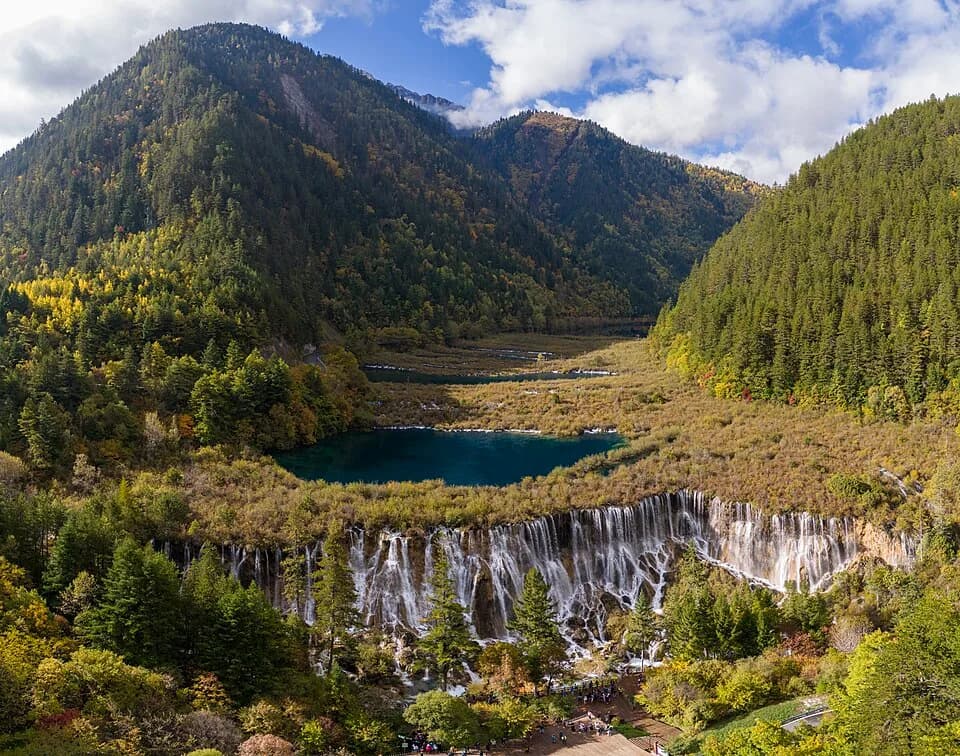
Jiuzhaigou National Park boasts the most vivid alpine lakes in China, with over 100 turquoise pools averaging 15°C year-round. This UNESCO site in northern Sichuan supports 140+ bird species and rare wildlife like giant pandas and golden snub-nosed monkeys.
- 0

Changbai Mountain Nature Reserve features the deepest crater lake in China, Tianchi, at 373 meters deep, encircled by dormant volcanic peaks. As a UNESCO Biosphere Reserve, it preserves some of the country's last primeval forests in the northeast, offering a 40% higher density of ancient conifers than the average Chinese temperate reserve. Its forest canopy temperature rarely exceeds 20°C, providing a cooler refuge than Jiuzhaigou's valleys.
- 0
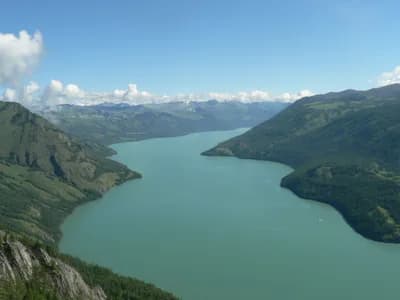
Kanas Nature Reserve, as China's northernmost protected area, safeguards 2,500 square kilometers of Siberian taiga and glacial lakes near the Altai Mountains. It hosts the Tuvan people's nomadic traditions, with over 200 families still practicing seasonal migration. Average winter temperatures drop to −30°C.
- 0

Hainan Tropical Rainforest National Park protects the last 36 wild Hainan gibbons on Earth, a species found nowhere else. With 4,200 plant species, it surpasses the biodiversity of Kanas Nature Reserve by a factor of 3, making it Asia's most biodiverse island ecosystem. Annual rainfall exceeds 2,000 mm, feeding 500-meter waterfalls that rival Jiuzhaigou's cascades. Its gibbon population declined 80% in the past decade, but conservation efforts have stabilized numbers since 2020.
- 0
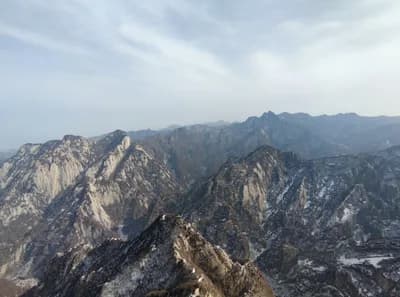
Qinling Mountain Biodiversity Reserve offers the most accessible giant panda encounters in China outside Sichuan, hosting roughly 345 wild pandas — 20% of the national total. This mountain range spans 800 kilometers as the critical geographic and climatic divide between northern and southern China, supporting over 300 bird species and the endemic Qinling golden monkey. Scientific surveys recorded 17 panda population clusters here since 2015.
- 0

Poyang Lake Nature Reserve safeguards China’s largest freshwater lake — shrinking from 3,500 km² in summer to under 1,000 km² in winter — which attracts 95% of the world’s Siberian cranes, an estimated 4,000 individuals each season. This seasonal pulse makes it Asia’s most important wetland for migratory birds, hosting over 500,000 waterfowl annually across 280 species. It is 40% more species-dense during peak migration than the average East Asian wetland. Quantified surveys from 2020 show the lake supports 60% of the global East Asian-Australasian Flyway’s crane population, a concentration unmatched by Qinling’s broad biodiversity approach. The reserve’s summer flood pulse creates critical fish nursery grounds, sustaining 90% of Jiangxi’s freshwater fishery.
Image credits
- Giant Panda National Park, Sichuan: Zhou Guanhuai / CC BY-SA 4.0 (entity-adopted)
- Wuyishan National Park, Fujian: Zhangzhugang / Wikimedia Commons (CC BY-SA 3.0)
- Jiuzhaigou National Park, Sichuan: Chensiyuan / CC BY-SA 4.0 (entity-adopted)
- Changbai Mountain Nature Reserve: BI ravencrow / Pexels
- Kanas Nature Reserve, Xinjiang: WANG Jared / Pexels
- Qinling Mountain Biodiversity Reserve: 强 王 / Pexels
- Poyang Lake Nature Reserve, Jiangxi: Poyang Lake / Wikipedia
Related Videos
Rank it your way
Remix this list into your own ranking, or head to the play hub for every game mode and community breakdown — blind mode, challenges, tier lists, and more.
You Might Also Like

Top 10 Underrated National Parks You Need to Visit
Top 10 Underrated National Parks You Need to Visit

Top 10 Chinese Nature Destinations
Top 10 Chinese Nature Destinations

Top 10 National Parks in Thailand in 2026
Thailand's top national parks

Top 10 Most Debated Climate Change Effects
#1 Arctic Ice-Free Summers · #2 Sea Level Rise Projections · #3 Amazon Rainforest Dieback Tipping Point

Top 10 Most Beautiful Forests
#1 Redwood National and State Parks, United States · #2 Daintree Rainforest, Australia · #3 Black Forest, Germany

Top 10 Most Damaging Plastic Pollution Sources Choking Our Planet
#1 Single-Use Food and Beverage Packaging · #2 Fishing Industry Ghost Gear · #3 Fast Fashion Synthetic Textiles