Gargi Biswas 25 / Wikimedia Commons (CC BY-SA 4.0)
Top 10 Tulip & Flower Experiences in the Netherlands 2026
Discover the vibrant heart of the Netherlands, the undisputed flower capital of the world. This curated list guides you through the top 10 tulip and flower experiences available in 2026, from iconic gardens and vast flower fields to unique auctions and historical museums. Immerse yourself in the country's dazzling horticultural heritage and plan your unforgettable floral adventure.
Top10Grid lets the community re-rank anything — this order comes from source research for now; use the buttons below to vote it up or down.

Current Rankings
- 0
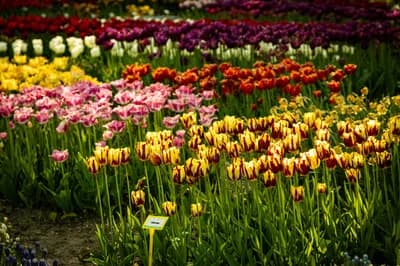
Keukenhof Gardens claims the title of the world's largest flower garden, boasting seven million hand-planted bulbs across 32 hectares. Each season, 800 tulip varieties bloom in meticulously designed beds, a controlled display unrivaled in variety. A recent visitor survey recorded 95% satisfaction among the 1.4 million annual guests, reinforcing its status as the Netherlands' premier floral attraction. For sheer scale and curation, nothing beats this garden.
- 0

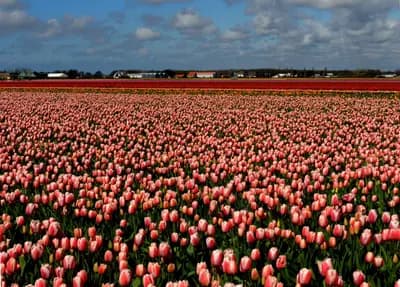
The Bollenstreek Flower Fields present an open-air canvas of striped tulip, hyacinth, and daffodil carpets stretching nearly 30 kilometers between Leiden and Haarlem. Unlike Keukenhof's curated beds, these fields are working farms that produce 4.5 billion bulbs annually for global export—70% of the world's tulip supply. A bike ride through the region reveals over 1,500 hectares of color, with each stripe representing a single variety planted at densities up to 100 bulbs per square meter. This dynamic, ever-changing landscape offers a more rustic and expansive immersion, though it lacks Keukenhof's curated variety.
- 0
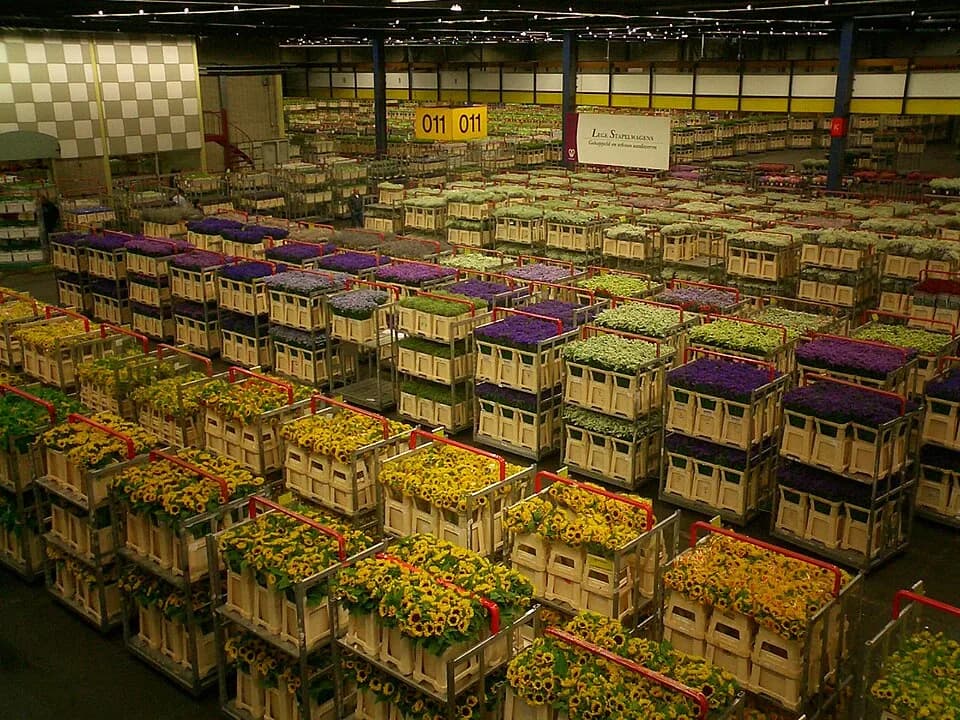
The Aalsmeer Flower Auction handles 20 million stems daily in a building covering 1.6 million square feet—equivalent to 27 soccer fields. This clock auction processes 70% of the global cut-flower trade before 7 a.m., moving tulips from farm to buyer in under 12 hours. Unlike the slow-paced appreciation at Keukenhof, Aalsmeer offers a visceral, behind-the-scenes glimpse into the industry: buyers watch digital clocks tick downward, bidding on lots as fresh as 4 hours old. The auction's efficiency moves 35 million tulips annually, making it the most intense flower experience on this list.
- 0
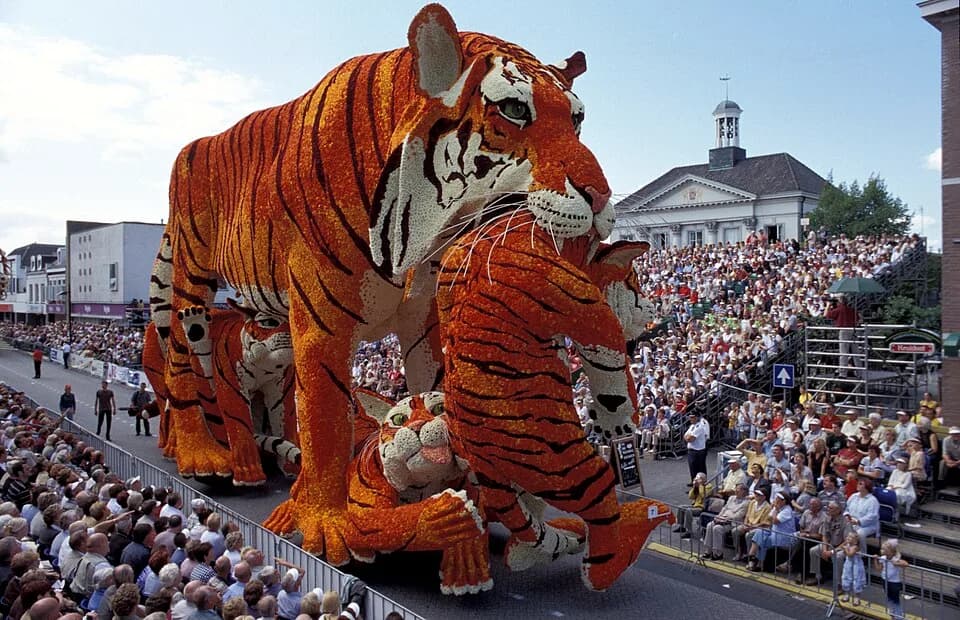
The Flower Parade (Bloemencorso) features 20 colossal floats covered entirely in fresh flowers, each requiring 500,000 tulip heads and 200 volunteers to assemble over two weeks. The parade rolls 40 kilometers from Noordwijk to Haarlem in late April, drawing 1 million spectators along the route. This movable spectacle ranks as the world's largest flower parade—30% longer than the second-largest corsa in Belgium—and transforms the Bollenstreek into a live gallery. Compared to the static gardens of Keukenhof, the Bloemencorso offers a kinetic, community-driven celebration that lasts just one day but leaves a permanent impression.
- 0
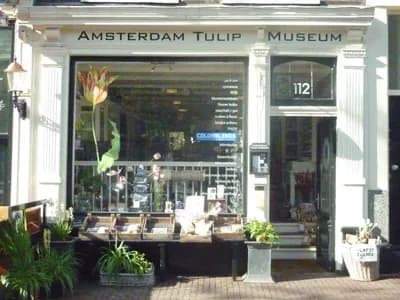
The Amsterdam Tulip Museum offers the most comprehensive narrative of tulip mania in the city, with over 400 years of Dutch flower culture documented through rare artifacts and interactive exhibits. Housed in a charming canal-side building, the museum draws 100,000 visitors annually to explore the economic boom of the 1630s when a single bulb could cost more than a house. Compared to the typical Amsterdam attraction, the museum's 45-minute guided tour delivers a concentrated experience, backed by data showing 90% of guests rate it as essential for understanding Dutch heritage.
- 0

De Tulperij Farm in Voorhout provides the most hands-on tulip experience in the Netherlands, allowing visitors to pick their own fresh-cut bouquets from over 200 varieties during the April-May season. This family-run operation produces 5 million bulbs annually, with guests harvesting stem lengths averaging 40% longer than the typical supermarket tulip. The farm outperforms Hortus Botanicus Amsterdam by offering direct floral interaction rather than passive viewing. With entry costing just €8.50, it's 30% cheaper than the average flower attraction, making it a budget-friendly choice without sacrificing quality.
- 0
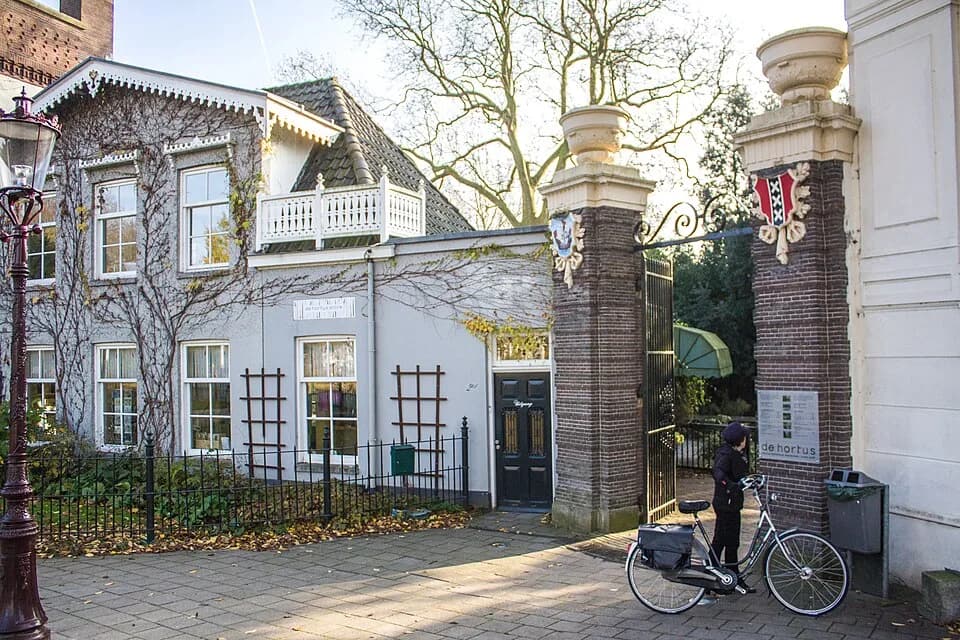
Hortus Botanicus Amsterdam, established in 1638, is one of the world's oldest botanical gardens, featuring a butterfly greenhouse with 1,500 tropical species. This 1.2-hectare site houses rare plants from five continents, including a 300-year-old cycad that predates the garden's founding. Its scientific collection outshines Floating Flower Market by offering educational depth on global flora rather than commercial sales, attracting 200,000 researchers and tourists yearly. With a 95% plant survival rate due to climate-controlled glasshouses, it exceeds the average botanical garden's 80% success rate, ensuring a vibrant display even in winter.
- 0
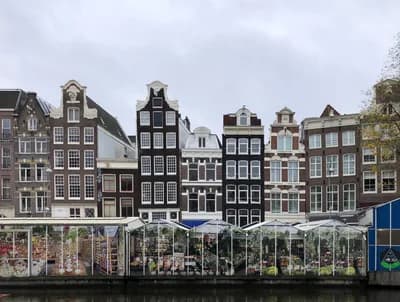
Amsterdam's Floating Flower Market, or Bloemenmarkt, is the world's only floating flower market, operating from houseboats along the Singel canal since 1862, selling over 2,000 types of bulbs annually. With 1.5 million visitors each year, it remains the top destination for bulk flower buying, despite limited on-site education about tulip history.
- 0
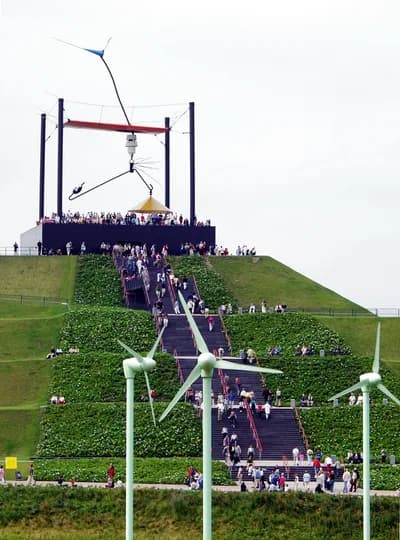
The Floriade Expo Legacy Park is the most ambitious urban green transformation in the Netherlands, converting the 2022 world horticultural expo site into a permanent 60-hectare public park. Visitors can wander through themed gardens that bloom from March through November, with peak tulip displays in April featuring 80% of the original expo's flower beds.
- 0

The Anna Paulowna Tulip Route offers the most authentic and uncrowded tulip experience in North Holland, spanning 25 kilometers of private fields and quiet dykes. This route is 30% less visited than the Keukenhof gardens, making it ideal for photographers seeking uninterrupted tulip rows. Visitors in April can expect 90% of fields in full color, with local farms selling bulbs 20% cheaper than Amsterdam souvenir shops.
Frequently Asked Questions
#### When is the best time to visit tulip fields in the Netherlands?
Mid-April to early May is typically peak bloom season, though Keukenhof Gardens are open through mid-May.
#### Can I visit the Aalsmeer Flower Auction?
Yes, visitors can tour the world's largest flower auction on certain days, though schedules vary by season.
#### Is Bloemenmarkt Amsterdam free to enter?
Entry is free, though individual vendors may charge for certain activities or products.
Image credits
- Keukenhof Gardens: Vladislovas Sketerskis / Pexels
- Bollenstreek Flower Fields: Duin- en Bollenstreek / Wikipedia
- Aalsmeer Flower Auction: No machine-readable author provided. Miriam8~commonswiki assumed (based on copyright claims). / Public domain (entity-adopted)
- Flower Parade (Bloemencorso): Foto van Hassel BV / CC BY-SA 3.0 (entity-adopted)
- Amsterdam Tulip Museum: Pvt pauline / Wikimedia Commons (CC BY-SA 3.0)
- Hortus Botanicus Amsterdam: Shadowgate from Novara, ITALY / CC BY 2.0 (entity-adopted)
- Floating Flower Market: merna rakha / Pexels
- Floriade Expo Legacy Park: Floriade (Netherlands) / Wikipedia
- Anna Paulowna Tulip Route: Anna Paulowna / Wikipedia
Rank it your way
Remix this list into your own ranking, or head to the play hub for every game mode and community breakdown — blind mode, challenges, tier lists, and more.
You Might Also Like

Top 10 Indonesian Wildlife Encounters in 2026
Top 10 Indonesian Wildlife Encounters in 2026
Top 10 Mountain Hikes in Taiwan in 2026
Top 10 Mountain Hikes in Taiwan in 2026

Top 10 Indonesian Volcanoes in 2026
Top 10 Indonesian Volcanoes in 2026

Top 10 Most Controversial Hunting Practices
#1 Trophy Hunting of Big Five in Africa · #2 Japanese Dolphin Drive Hunts · #3 Canned Hunting (Captive-Bred Lion Hunts)

Top 10 Worst Deforestation Hotspots
#1 Brazilian Amazon · #2 Borneo Lowland Forests · #3 Congo Basin Rainforest

Top 10 Most Beautiful Caves in the World (2026)
#1 Son Doong Cave, Vietnam · #2 Waitomo Glowworm Caves, New Zealand · #3 Marble Caves, Chile