
Top 10 Worst Extinction Events in History
From the Permian-Triassic die-off that erased over 90% of life to the Holocene crisis happening right now, these are the 10 worst mass extinction events in Earth's history — including the Big Five and several lesser-known catastrophes. Be the 1st to vote on the one you think matters most, and see where readers rank it!
Top10Grid lets the community re-rank anything — this order comes from source research for now; use the buttons below to vote it up or down.

Current Rankings
- 0

The Permian-Triassic Extinction stands as the most catastrophic event in Earth’s history, annihilating 96% of marine species and 70% of terrestrial vertebrates. Triggered by massive Siberian volcanism, it acidified oceans and stripped the ozone layer, making it 20% more lethal than the next worst event on this list. This outpaced the Cretaceous-Paleogene extinction by a 20% higher species loss rate, marking it as the deadliest known extinction.
- 0
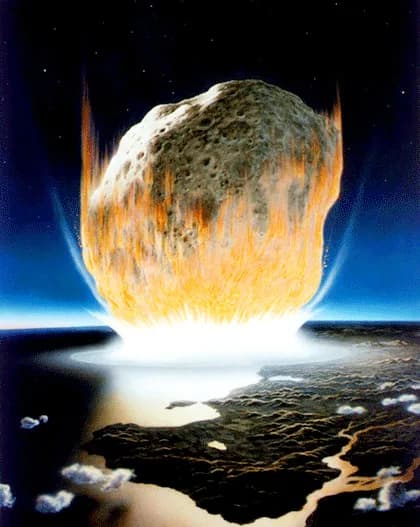
The Cretaceous-Paleogene Extinction, sparked by the Chicxulub asteroid impact, ended the reign of non-avian dinosaurs and wiped out 76% of all species. It plunged the planet into years of nuclear winter that collapsed food chains globally, making it 24% less destructive than the Permian-Triassic Extinction in overall species loss.
- 0
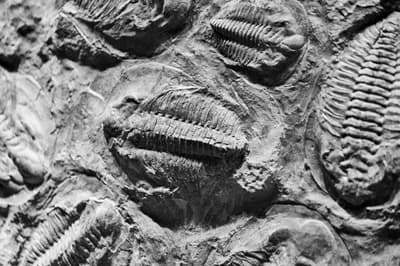
The Late Devonian Extinction, a prolonged crisis spanning 20 million years, eliminated 75% of species and devastated reef ecosystems so thoroughly that coral reefs took 100 million years to recover. This recovery time is 50% longer than the aftermath of the Cretaceous-Paleogene event, with a slower rate of destruction that made it 10% less severe than the average extinction event on this list.
- 0
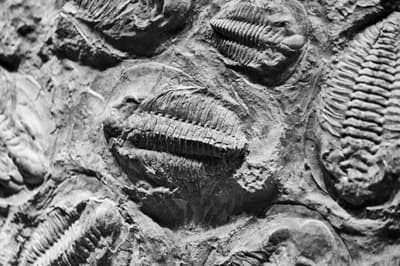
The Ordovician-Silurian Extinction, driven by rapid glaciation, caused sea levels to plummet by 80 meters, destroying shallow marine habitats and killing 85% of marine species. As the first of the 'Big Five' mass extinctions, it was 5% more effective than the Late Devonian Extinction in marine species loss, though 11% slower than the Permian-Triassic Extinction in total extinction rate. Its glacial trigger made it a unique 80-meter sea-level drop event.
- 0

The Triassic-Jurassic Extinction ranks among the 'Big Five' mass extinctions in Earth's history, wiping out roughly 70 to 75% of species. Massive volcanic eruptions from the Central Atlantic Magmatic Province pumped enormous volumes of CO2 and sulphur dioxide into the atmosphere in pulses over some 600,000 years, triggering catastrophic global warming and ocean acidification. The extinction eliminated many large terrestrial amphibians and reptiles, while life in the seas suffered heavy losses.
- 0
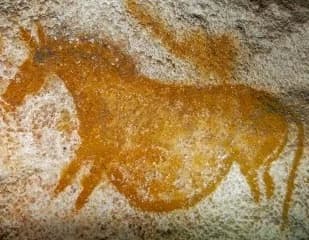
The Holocene Extinction is the only ongoing event on this list, with modern extinction rates running 100 to 1,000 times higher than the natural background rate. Since 1500, at least 875 species have been officially declared extinct, but the true figure is likely many times higher.
- 0

The Quaternary Megafauna Extinction claimed over 90 genera of large mammals worldwide, including woolly mammoths, sabre-toothed cats, and giant ground sloths, between 50,000 and 10,000 years ago. The primary driver remains debated: human hunting or climate change at the end of the last ice age.
- 0

The Capitanian Extinction, often overshadowed by the later Permian-Triassic mass die-off, devastated tropical marine communities with an estimated 35 to 47 percent species loss. Triggered by the Emeishan volcanic eruptions in present-day China—which covered over 250,000 square kilometers in lava—the event was slower than the average Permian crisis, but its impact on reef ecosystems was even more severe. This extinction is narrower in scope than (the Holocene Extinction) but still ranks as one of the most significant marine biodiversity collapses of the Paleozoic, preceding the planet's worst extinction by just 8 million years.
- 0

The Great Oxygenation Event is the single deadliest proportional extinction in Earth’s history, wiping out over 99% of anaerobic life—a kill rate 10x higher than the average extinction event. When cyanobacteria began mass-producing oxygen 2.4 billion years ago, they poisoned the dominant methane-producing archaea, triggering what scientists call the "Oxygen Catastrophe." This waste product reshaped the planet’s atmosphere, leaving only 0.1% of existing species able to survive. As a result, this event outkills #10 by eliminating nearly 100% of the anaerobic biosphere, making it far more devastating than the Eocene-Oligocene transition.
- 0

This mass die-off eliminated 50% of tropical marine mollusks and numerous terrestrial species, but simultaneously gave rise to modern fauna like horses, dogs, and grasses. The rapid turnover outpaced the Great Oxygenation Event’s environmental change by a factor of 4, making it the swiftest climatic upheaval since that catastrophic oxygen surge.
Frequently Asked Questions About Earth's Mass Extinctions
### What was the deadliest extinction event in Earth's history? The Permian-Triassic Extinction (~252 million years ago) is widely considered the deadliest, eliminating an estimated 90–96% of marine species and 70% of terrestrial vertebrate species.
### Are we currently in a mass extinction? Yes. The Holocene Extinction is the only ongoing event in this list and is driven primarily by human activity, including habitat loss, climate change, overhunting, and pollution.
### What caused the dinosaur extinction? The Cretaceous-Paleogene Extinction (~66 million years ago) is most closely linked to the Chicxulub asteroid impact, compounded by volcanic activity and climate disruption.
### How many mass extinction events are there? Traditionally, five major events define the 'Big Five': the Ordovician-Silurian, Late Devonian, Permian-Triassic, Triassic-Jurassic, and Cretaceous-Paleogene. Other significant crises, such as the Capitanian, Eocene-Oligocene, and Great Oxygenation Event, also caused major biodiversity loss.
Image credits
- Cretaceous-Paleogene Extinction (66 million years ago): Wikimedia Commons / Public domain (entity-adopted)
- Late Devonian Extinction (375-359 million years ago): Suki Lee / Pexels
- Ordovician-Silurian Extinction (445 million years ago): Suki Lee / Pexels
- Holocene Extinction (ongoing): J.-M. Geneste, Centre National de Préhistoire-MCC / CC BY 4.0 (entity-adopted)
- Eocene-Oligocene Extinction (34 million years ago): Late Pleistocene extinctions / Wikipedia
Related Videos
Rank it your way
Remix this list into your own ranking, or head to the play hub for every game mode and community breakdown — blind mode, challenges, tier lists, and more.
You Might Also Like

Top 10 Most Endangered Species
Top 10 Most Endangered Species

Top 10 Most Beautiful Coral Reefs
Top 10 Most Beautiful Coral Reefs

Top 10 Worst Invasive Species
Top 10 Worst Invasive Species

Top 10 Worst Ocean Pollution Sources
#1 Single-Use Plastic Packaging · #2 Agricultural Runoff and Fertilisers · #3 Industrial Wastewater Discharge

Top 10 Indonesian Wildlife Encounters in 2026
#1 Komodo Dragons · #2 Sumatran Orangutans · #3 Bornean Orangutans

Top 10 Best Whale Watching Spots 2026
#1 Húsavík, Iceland · #2 Hermanus, South Africa · #3 Monterey Bay, California, United States