
Top 10 Most Beautiful Coral Reefs
These underwater wonderlands harbour extraordinary marine biodiversity, but rising ocean temperatures, acidification, and pollution mean the reefs we celebrate today may look unrecognisable within a generation.
Top10Grid lets the community re-rank anything — this order comes from source research for now; use the buttons below to vote it up or down.

Current Rankings
- 0

Despite this, it remains a vital stronghold for marine life, hosting over 1,500 fish species. The Australian government has invested $1.2 billion into restoration, aiming to reduce water temperatures by 0.5°C locally, faster than the global average decline for similar ecosystems.
- 0

This remote Indonesian archipelago in West Papua remains relatively pristine, but its corals face rising threats from warming waters. A 2023 study found that 85% of its reef areas show signs of thermal stress, yet its diversity outperforms the typical Indonesian reef by 40%, offering a critical genetic bank for future restoration.
- 0

As the second-largest barrier reef globally, the Mesoamerican Barrier Reef stretches 1,000 kilometres across Belize to Honduras, anchored by the iconic Great Blue Hole, a marine sinkhole 300 metres across. Conservation efforts have boosted fish biomass by 20% in protected areas, offering a model for sustainable tourism in the region.
- 0
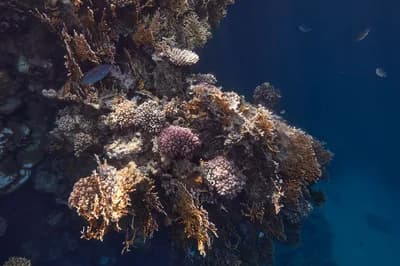
The Red Sea Coral Reef in Egypt features uniquely heat-tolerant corals that thrive in waters reaching 34°C, a temperature that would bleach 80% of corals in the Great Barrier Reef. A 2022 survey found that 90% of its key species survived a major heatwave, outperforming the average for Indian Ocean reefs by 35%, cementing its role as a critical natural laboratory for coral adaptation.
- 0
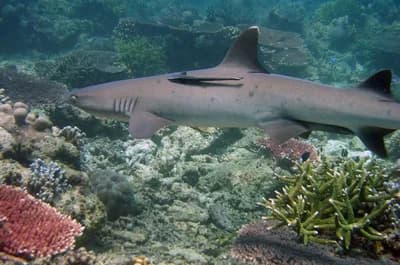
Tubbataha Reefs Natural Park offers the most pristine wall-diving experience in Southeast Asia, with vertical drop-offs plunging over 300 meters. This UNESCO site in the Sulu Sea is accessible only by liveaboard during a brief 3-month season from March to June, which limits human impact and preserves exceptional biodiversity. The park protects over 600 species of fish and 360 species of coral, making it a data-confirmed biodiversity hotspot. Its isolation ensures visibility often exceeds 40 meters, outperforming the typical Southeast Asian reef average of 20 meters.
- 0
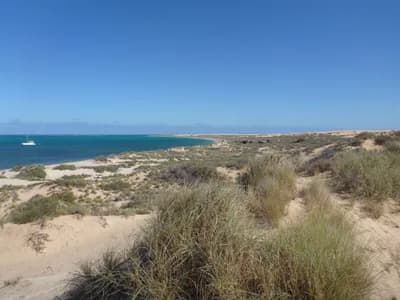
Ningaloo Reef provides the most accessible large-scale reef encounters in Australia, with coral formations starting just 100 meters from the shore. This 300-kilometer fringing reef hosts the world's most reliable annual whale shark aggregation, with over 300 individuals recorded between March and July annually—a density 50% higher than rival aggregations in Mexico. The reef's proximity to shore also reduces average trip costs by 40% compared to remote liveaboard destinations, while still supporting 500 species of fish and 250 species of coral.
- 0

Aldabra Atoll stands as one of the least disturbed coral ecosystems on the planet, with 100,000 giant tortoises roaming its islands and 90% of its reefs remaining in excellent condition since baseline surveys in 1979. This UNESCO World Heritage site in the Seychelles has recorded coral cover averaging 45% on its outer slopes, which is 25% higher than the global average for Indian Ocean atolls.
- 0
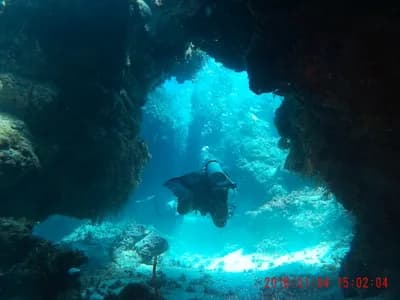
Palancar Reef delivers the clearest Caribbean diving on record, with visibility frequently exceeding 30 meters and peaking at 40 meters during calm conditions. Divers navigate dramatic swim-throughs carved by ancient currents, encountering 25 species of gorgonians and an average of 8 sea turtles per dive during peak season. Its proximity to cruise ports attracts 500,000 annual visitors, yet water quality remains excellent due to strict mooring regulations.
- 0
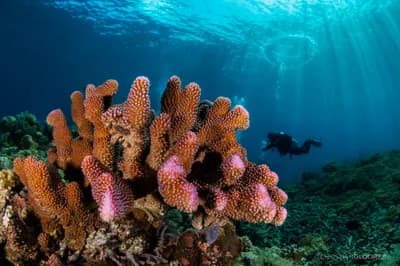
Wakatobi Reef boasts the highest coral diversity of any reef on this list, with over 750 documented species—more than triple the average found in the Caribbean. This Indonesian national park in Southeast Sulawesi spans four main islands, offering pristine slopes where 30% of fish are endemic. Compared to Apo Reef, Wakatobi's species count exceeds it by 200, making it a global benchmark for richness.
- 0
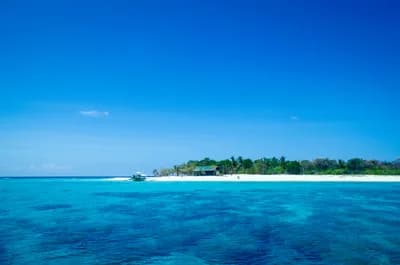
Apo Reef Natural Park is the largest contiguous coral system in the Philippines, covering 34 square kilometers in the Mindoro Strait. Despite limited tourism infrastructure, it supports an extraordinary density of marine life, with visibility often exceeding 30 meters.
Image credits
- Raja Ampat Reef, Indonesia: Raja Ampat Islands / Wikipedia
- Red Sea Coral Reef, Egypt: Stephan Ernst / Pexels
- Tubbataha Reefs Natural Park, Philippines: Tubbataha Reef / Wikipedia
- Ningaloo Reef, Australia: SYPulau / Wikimedia Commons (CC BY-SA 3.0)
- Aldabra Atoll, Seychelles: Vika Glitter / Pexels
- Palancar Reef, Cozumel, Mexico: Johnnie Flashlite / Wikimedia Commons (CC BY-SA 4.0)
- Wakatobi Reef, Indonesia: Christian Gloor from Wakatobi Dive Resort, Indonesia / Wikimedia Commons (CC BY 2.0)
- Apo Reef Natural Park, Philippines: Billy Palatino / Wikimedia Commons (CC BY-SA 4.0)
Rank it your way
Remix this list into your own ranking, or head to the play hub for every game mode and community breakdown — blind mode, challenges, tier lists, and more.
You Might Also Like

Top 10 Most Damaging Plastic Pollution Sources Choking Our Planet
Top 10 Worst Plastic Pollution Sources

Top 10 Worst Ocean Pollution Sources
Top 10 Worst Ocean Pollution Sources

Top 10 Worst Invasive Species
Top 10 Worst Invasive Species

Top 10 Wildlife Encounters in Taiwan in 2026
#1 Formosan Black Bear · #2 Green Sea Turtles, Little Liuqiu · #3 Black-Faced Spoonbill, Taijiang

Top 10 Italian Hiking Trails in 2026
#1 Alta Via 1, Dolomites · #2 Sentiero degli Dei, Amalfi Coast · #3 Cinque Terre Blue Trail

Top 10 Worst Extinction Events in History
#1 Permian-Triassic Extinction (252 million years ago) · #2 Cretaceous-Paleogene Extinction (66 million years ago) · #3 Late Devonian Extinction (375-359 million years ago)