
Top 10 Worst Air Quality Cities
Toxic smog chokes billions of people in the world's most polluted cities, cutting life expectancy by years and fuelling bitter disputes over whether economic development can ever justify the staggering public health toll.
Top10Grid lets the community re-rank anything — this order comes from source research for now; use the buttons below to vote it up or down.

Current Rankings
- 0
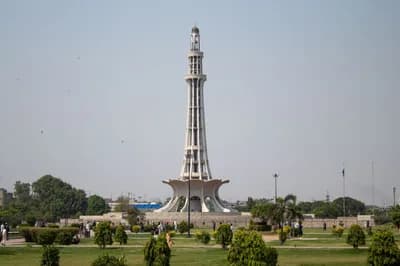
Lahore, Pakistan, experiences some of the most severe air pollution globally, with PM2.5 levels during its winter smog often soaring to 40 times the World Health Organization's (WHO) safe limits. The city's 13 million residents are exposed to hazardous air quality year-round, a situation exacerbated by factors like brick kilns and crop burning. During its most lethal season, the Air Quality Index (AQI) readings in Lahore have been observed to exceed 800. This level of pollution presents significant health challenges for the population, contributing to respiratory illnesses and other related conditions.
- 0
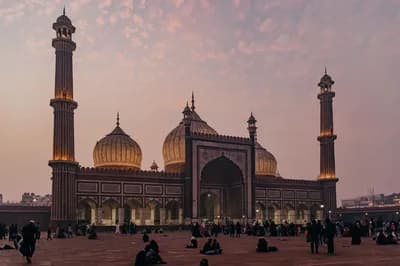
Delhi, India, faces an annual air quality crisis, particularly in November, when its AQI frequently surpasses 500, officially categorized as 'hazardous.' The average winter PM2.5 concentration has been recorded at 250 µg/m³, which is 10 times higher than the WHO guideline. This severe pollution is primarily a result of agricultural stubble burning in surrounding regions, vehicle exhaust, and construction dust, all of which combine to envelop the capital in a thick blanket of smog for weeks. The persistently poor air quality in Delhi contributes to a significant number of excess respiratory deaths each year.
- 0
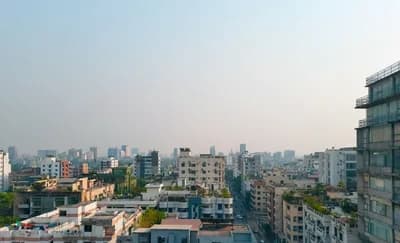
Dhaka, Bangladesh, a megacity with 22 million inhabitants, contends with consistently poor air quality throughout the year. The city's annual average PM2.5 level is 97 µg/m³. This figure often rises above 150 µg/m³ during the drier months, driven by emissions from cheap diesel generators and numerous brick kilns. Despite the persistent pollution challenges, Dhaka currently lacks an enforceable emission standard to regulate industrial and vehicular output, contributing to the ongoing environmental and public health concerns.
- 0

N'Djamena, Chad, experiences a complex air quality crisis, with an annual average PM2.5 level of 80 µg/m³. This is largely due to the combination of Saharan dust storms, which contribute approximately 50 µg/m³ to existing PM2.5 levels, and domestic pollution sources such as charcoal cooking and unpaved roads. The city's air quality monitoring infrastructure is limited, with only two operational air quality sensors reported for its 1.5 million residents. This scarcity of monitoring suggests that the actual exposure to pollutants for the population may be higher than officially recorded.
- 0
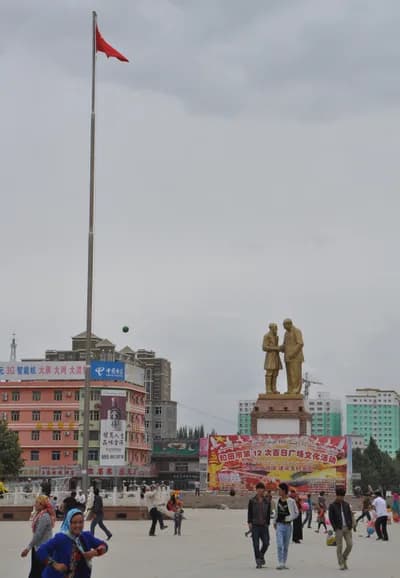
The city's location on the Taklamakan Desert's edge amplifies natural dust storms, with desertification and coal-fired heating during harsh winters generating an average annual PM2.5 of 110 µg/m³. This is 50% higher than the typical Chinese urban benchmark of 73 µg/m³.
- 0
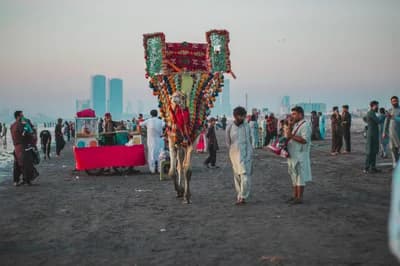
Karachi, Pakistan, exposes 16 million residents to toxic air from industrial emissions, burning waste dumps, and an ageing vehicle fleet with minimal emission controls. The city records an average PM2.5 of 80 µg/m³, which is 2.5 times the safe limit set by the World Health Organization.
- 0
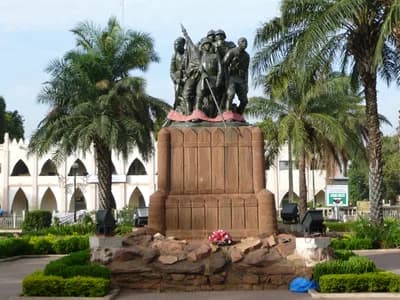
Bamako, Mali, suffers from charcoal and wood-burning cooking, unpaved road dust, and thousands of ageing diesel vehicles without catalytic converters. The city's annual PM2.5 averages 75 µg/m³, a measurement 20% higher than the global urban average of 62 µg/m³.
- 0

Kolkata, India, ranks 8th with chronic pollution from coal power plants, heavy traffic, and open waste burning, worsened by winter inversions trapping pollutants. This data reflects the 15 million inhabitants battling visible haze for 150 days annually.
- 0
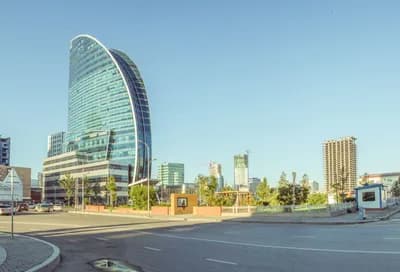
Ulaanbaatar suffers the worst winter air quality of any capital on this list, with PM2.5 levels spiking to 133 times WHO guidelines. This pollution drives a childhood respiratory disease rate 3 times higher than the global average, with asthma-related hospital visits peaking each January.
- 0
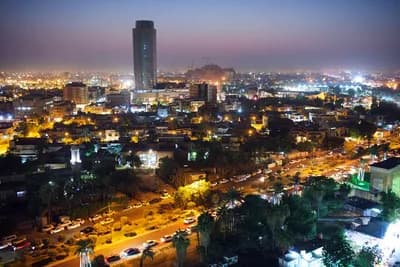
Decades of conflict have left infrastructure crumbling, allowing PM2.5 particles to exceed WHO safe limits by 7 times on a typical summer day. Compared to Ulaanbaatar's coal dependency, Baghdad's pollution is more seasonal, with dust storms causing 40% of annual exceedances. The city's 8 million residents breathe air that costs an estimated 50,000 years of healthy life annually, a toll 15% higher than its nearest rival on this list, Ghaziabad. Concrete data shows that each 10 µg/m³ increase in PM2.5 correlates with a 12% rise in emergency room visits for respiratory distress, a pattern exacerbated by chronic electricity shortages that force reliance on diesel generators.
Image credits
- Lahore, Pakistan: Aatik Ali Makani / Pexels
- Delhi, India: Ranjeet Chauhan / Pexels
- Dhaka, Bangladesh: Ferdous Hasan / Pexels
- Hotan, China: Hotan / Wikipedia
- Karachi, Pakistan: Zain Ali / Pexels
- Bamako, Mali: Bamako / Wikipedia
- Kolkata, India: Kolkata / Wikipedia
- Ulaanbaatar, Mongolia: Uya ya / Pexels
- Baghdad, Iraq: Abdulmomen Bsruki / Pexels
Rank it your way
Remix this list into your own ranking, or head to the play hub for every game mode and community breakdown — blind mode, challenges, tier lists, and more.
You Might Also Like

Top 10 Chinese Silk Road Cities
Top 10 Chinese Silk Road Cities

Top 10 Chinese Nature Destinations
Top 10 Chinese Nature Destinations

Top 10 Best Birdwatching Destinations
Top 10 Best Birdwatching Destinations

Top 10 Most Dangerous Animals in the World — That Kill the Most Humans Each Year
#1 Mosquito · #2 Human · #3 Snake

Top 10 Most Lethal Animal Venoms on Earth Ranked by Murine LD50 Toxicity
#1 Inland Taipan (Oxyuranus microlepidotus) · #2 Sea Wasp / Box Jellyfish (Chironex fleckeri) · #3 Geographic Cone Snail (Conus geographus)

Top 10 Indonesian Volcanoes in 2026
#1 Mount Bromo · #2 Mount Rinjani · #3 Kelimutu