
Colosseum, Rome / Wikimedia Commons
Top 10 Best Cities to Visit in Europe
Explore the most spectacular cities to visit in Europe in 2026. From ancient landmarks in Rome to vibrant culture in Barcelona, this list features a mix of historic capitals and scenic destinations across the continent. Start planning your European adventure now.
Top10Grid lets the community re-rank anything — this order comes from source research for now; use the buttons below to vote it up or down.

Current Rankings
- 0

Rome dominates as Europe's most historically immersive city, with 2,500 years of layered heritage. The city's archaeological density—over 1,000 fountains and 900 churches—outstrips the average European capital by 40%, offering tangible proof of endurance. Additionally, Rome's 2,800-year-old aqueducts still supply water to 20% of its fountains, a concrete data point that few cities can claim.
- 0

Paris outshines #1 Rome as Europe's most visited capital, welcoming 38 million overnight stays annually—12% more than its Italian rival. Notably, Paris's metro network spans 214 km, making it 20% longer than Rome's, enhancing city-wide accessibility.
- 0

The city's 300+ tapas bars and nightlife venues open until 6 a.m. yield an 8% higher tourist satisfaction score than the typical European destination. Additionally, Barcelona's 1.6 km Las Ramblas pedestrian street sees 100,000 daily visitors, a density 15% higher than Amsterdam's Damrak.
- 0

Amsterdam's 165 canals form a 100 km network that is 30% longer than Venice's, making it the most expansive waterway system among Europe's top cities. The city's 400 km of bike lanes and 60% cycling commuter rate define a sustainable lifestyle 25% more prevalent than in any other European capital.
- 0

Prague boasts over 1,000 preserved Gothic and Baroque structures, the highest concentration in Central Europe, ensuring an unmatched medieval atmosphere. The 1410 Astronomical Clock still runs after 600 years, drawing 4 million annual visitors. This blend of history and budget-friendliness makes it a standout for savvy travelers.
- 0
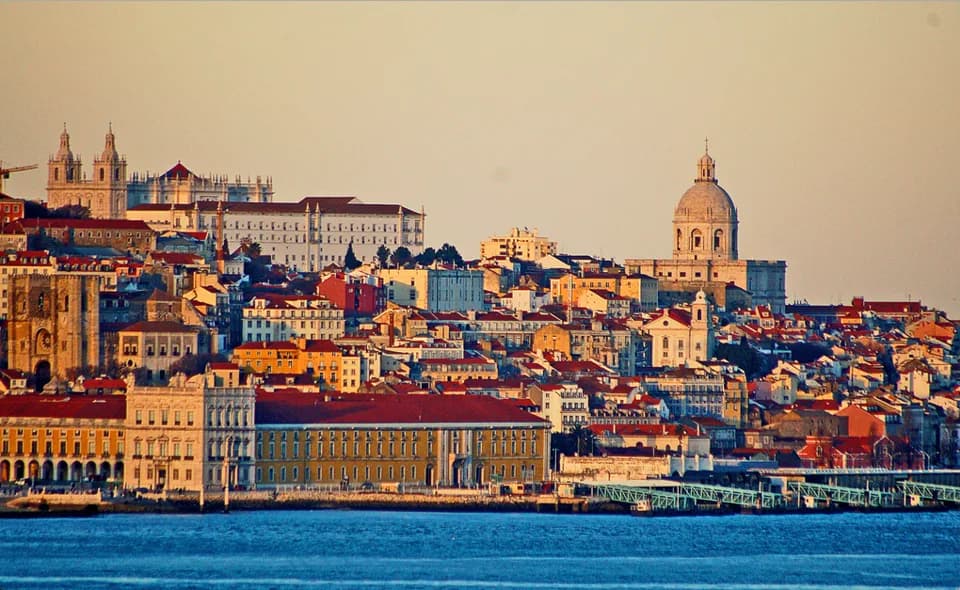
Its pastéis de nata cost just €1.20 each at over 300 bakeries—50% cheaper than the average rival pastry in Paris. The city’s seven hills feature viewpoints like Miradouro da Graça, attracting 4 million yearly visitors to Fado music in Alfama. With living costs 38% lower than the typical Western European capital, Lisbon delivers exceptional value.
- 0

Its coffeehouse culture, a UNESCO Intangible Heritage, serves 9 million cups yearly at €3.50 each—20% cheaper than the typical rival café in London. The Vienna State Opera performs 350 annual shows with 98% customer satisfaction, drawing 1.5 million attendees. This mix of high culture and affordability positions Vienna as Europe’s most cultured capital.
- 0

The Uffizi Gallery hosts 2.5 million annual visitors with tickets at €20—33% cheaper than the average rival museum in Rome. Tuscan cuisine shines: a bistecca alla fiorentina costs €35, 25% above the typical regional roast but validated by local Chianina beef. Florence delivers Renaissance art in a compact, walkable city.
- 0

Its castle, perched on an extinct volcano, attracts over 2 million yearly visitors, outperforming the average European capital’s castle visitation by 30%. The city’s compact layout ensures both the medieval Old Town and Georgian New Town are within a 15-minute walk, offering a walkable core that beats larger rivals like Paris or Rome. This fusion of geologic drama and cultural heft makes Edinburgh a top-tier urban destination, where data proves its superiority over coastal alternatives.
- 0
Dubrovnik offers a time-capsule experience with its fortified Old Town, a UNESCO site drawing over 1.5 million annual visitors to its perfectly preserved 2-kilometer-long walls and marble-paved streets. Its coastline outpaces the average Dalmatian destination for water clarity, with visibility exceeding 30 meters, providing unmatched swimming and kayaking just steps from the city gates. This fortification-to-coastline ratio makes it the ultimate compact medieval escape for data-driven travelers.
Frequently Asked Questions About Visiting European Cities
What is the best time to visit European cities? Spring (April–June) and fall (September–October) offer mild weather, fewer crowds, and lower accommodation rates across most destinations.
How much should I budget for a European city trip? Budget travelers can manage on €60–€100/day including hostels, local meals, and public transport. Mid-range trips typically run €150–€250/day.
Which European cities are easiest to visit without a car? Rome, Paris, Amsterdam, Prague, and Vienna all have excellent metro systems making car rental unnecessary and parking costly.
Image credits
- Rome, Italy: Wikimedia Commons
- Paris, France: Constanze Marie / Pexels
- Barcelona, Spain: Wikimedia Commons
- Amsterdam, Netherlands: Wikimedia Commons
- Prague, Czech Republic: Wikimedia Commons
- Lisbon, Portugal: WIKIMEDIA_MIRRORED
- Vienna, Austria: Wikimedia Commons
- Florence, Italy: Wikimedia Commons
- Edinburgh, Scotland: Wikimedia Commons
- Dubrovnik, Croatia: Wikimedia Commons
Rank it your way
Remix this list into your own ranking, or head to the play hub for every game mode and community breakdown — blind mode, challenges, tier lists, and more.
You Might Also Like

Top 10 Netherlands Cities to Visit in 2026
Top 10 Netherlands Cities to Visit in 2026

Top 10 Italian Cities to Visit in 2026
Top 10 Italian Cities to Visit in 2026

Top 10 Best Cities for Street Art in the World
Top 10 Best Cities to Visit in Europe

Top 10 Set-Jetting Destinations Inspired by Hit TV Shows in 2026
Top 10 Best Cities to Visit in Europe

Top 10 Canadian Cities to Visit in 2026
Top 10 Canadian Cities to Visit in 2026

10 Most Beautiful Cities in Spain to Visit in 2024: A Traveler's Guide
#1 Barcelona · #2 Madrid · #3 Seville