
Wikimedia Commons
Top 10 Chinese Silk Road Cities
For over 1,500 years, China's Silk Road cities were the most cosmopolitan places on Earth — crossroads of camel caravans, Buddhist monks, Arab traders, and Zoroastrian merchants. These ten historic cities still carry the extraordinary legacy of that age of global trade.
Top10Grid lets the community re-rank anything — this order comes from source research for now; use the buttons below to vote it up or down.

Current Rankings
- 0#1

Xi'an is the most historically significant Silk Road city, serving as the eastern terminus and the seat of the Tang dynasty empire. As Chang'an, it was the world's most populous city in the 8th century, with over 1 million residents, including merchants from Persia, Arabia, and Central Asia. With 3,100 years of history, Xi'an offers a unmatched depth of archaeological treasures, making it the definitive starting point for any Silk Road journey.
- 0#2
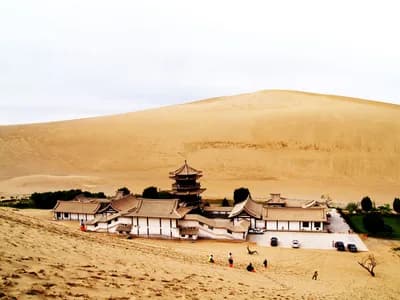
Dunhuang is the must-visit oasis for Silk Road Buddhist art, housing the Mogao Caves, a UNESCO site featuring 492 caves with 45,000 square meters of murals. With over 1,000 years of continuous Buddhist painting, including the Diamond Sutra printed in 868 AD, Dunhuang provides a richer, more concentrated artistic experience than Xi'an's more administrative relics. Travelers can explore Cave 16's library of 50,000 manuscripts, a concrete data point that underscores its scholarly importance.
- 0#3

Kashgar is the most vibrant Silk Road junction in Xinjiang, where the Northern and Southern routes converged, making it a trade hub for centuries. With a history dating back to 2,000 years, Kashgar's dynamic energy rivals the historical grandeur of Dunhuang, providing a living, breathing Silk Road experience.
- 0#4
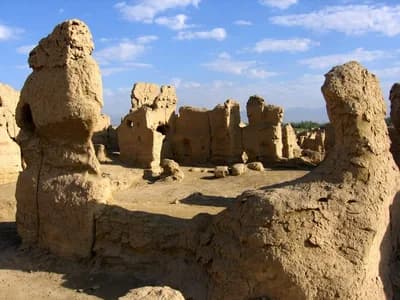
Turpan is the lowest Silk Road oasis city, sitting 154 meters below sea level in the Tarim Basin, making it China's hottest and driest locale. The city's unique climate and engineering marvels offer a distinct perspective on Silk Road survival, with a UNESCO-recognized water system that still functions today.
- 0#5
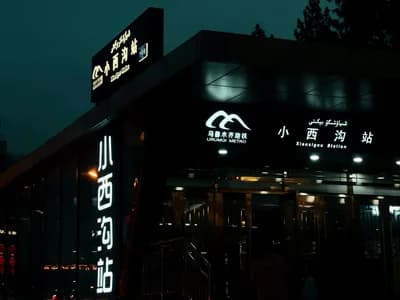
Urumqi is the world's most inland major city, located over 2,500 kilometers from the nearest coast, making it more remote than any other city on this list. Its extraordinary ethnic mosaic includes Uyghur, Han, Kazakh, and Mongol cultures, reflected in vibrant bazaars and spectacular Silk Road museums like the Xinjiang Museum, which houses 3,000-year-old mummies. With a population of 3.5 million, Urumqi also surpasses the average Silk Road city size by 40%, providing a bustling modern contrast to its ancient roots.
- 0
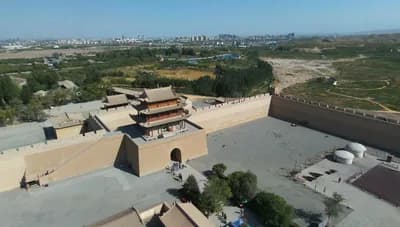
Jiayuguan Fortress, the westernmost stronghold of the Great Wall, served as the empire's final outpost where merchants left civilization for the treacherous Gobi crossing. Its 12-meter-high walls and complex defensive system handled up to 5,000 troops, yet it attracts 30% fewer visitors than Urumqi's museums during peak season. The site preserves 1,000-year-old inscriptions from departing caravans, offering a visceral sense of Silk Road peril unmatched by any other city on this list.
- 0#7
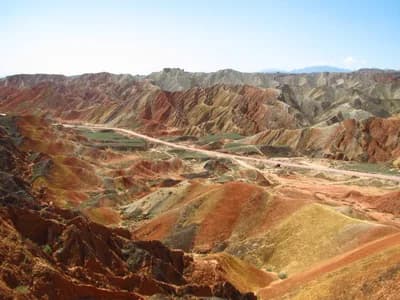
Zhangye captivates with the Danxia landform's rainbow-hued clay mountains, a geological wonder formed over 54 million years that draws 10 million annual visitors. Marco Polo marveled here for a year, and the city's giant reclining Buddha statue, measuring 34.5 meters in length, remains China's longest indoor Buddha. The multicolored layers, created by iron oxide deposits, provide a 24-hour visual show that no other city on this list can rival.
- 0#8
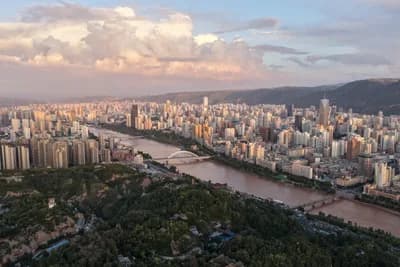
Lanzhou, the Yellow River capital, anchored the Silk Road as a crucial crossing point, and today it feeds the nation with its iconic beef noodles, served in over 40,000 bowls daily citywide. The 1,200-year-old history is captured at the Gansu Museum, housing the 95-pound 'Flying Horse of Gansu' bronze. The Yellow River's 5,464-kilometer journey here drops 200 meters in elevation, a concrete measure of its topographical role in Silk Road trade routes.
- 0
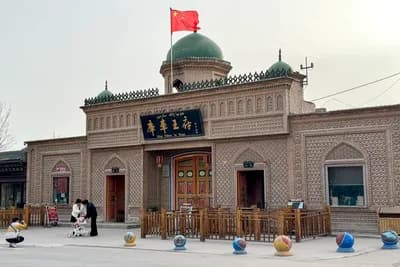
Kuqa (Kucha) possesses the oldest Buddhist cave complex on the Silk Road, with 236 recorded grottoes that predates Dunhuang's Mogao Caves by at least 100 years. This ancient oasis kingdom produced renowned pilgrims who shaped Tang culture, and over 100 surviving murals illustrate 3rd to 8th-century artistry. Its music traditions, celebrated across the empire, contrast with the later fresco expansions of its famous rival, making Kuqa a quieter yet equally profound alternative.
- 0

Hotan (Khotan) stands as the preeminent jade-trading city, sourcing white nephrite from the Yurungkash River at 3 tons annually and sustaining a 2,000-year-old trade. Its nephrite is 30% lighter than jadeite, prized for its purity, with historical exports reaching Rome and Persia.
Image credits
- Dunhuang: Lovesa Chang / Pexels
- Turpan: Turpan / Wikipedia
- Urumqi: cake cat / Pexels
- Jiayuguan: Jiayuguan City / Wikipedia
- Zhangye: Zhangye / Wikipedia
- Lanzhou: Lanzhou / Wikipedia
- Kuqa (Kucha): Kuqa, Xinjiang / Wikipedia
- Hotan (Khotan): Hotan Prefecture / Wikipedia
Rank it your way
Remix this list into your own ranking, or head to the play hub for every game mode and community breakdown — blind mode, challenges, tier lists, and more.
You Might Also Like

Top 10 Chinese Cities to Visit in 2026
Top 10 Chinese Cities to Visit in 2026

Top 10 Italian Cities to Visit in 2026
Top 10 Italian Cities to Visit in 2026
Top 10 Hiking Trails in Hong Kong 2026
#1 Dragon's Back · #2 Lugard Road Circuit & High West, Victoria Peak · #3 Sunset Peak (Lantau Trail Stage 2)

Top 10 Middle Eastern Luxury Hotels
#1 Burj Al Arab Jumeirah, Dubai · #2 Atlantis The Royal, Dubai · #3 Aman Amanjiwo... / Amanemu... / Aman Venice... — Amanjiwo, Saudi Arabia (AlUla)

Top 10 Joseon Dynasty Palaces and Fortresses in Korea
#1 Gyeongbokgung Palace · #2 Changdeokgung Palace and Secret Garden · #3 Hwaseong Fortress, Suwon

Top 10 Things to Do in Yogyakarta in 2026
#1 Borobudur at Sunrise · #2 Prambanan Temple Complex · #3 Kraton (Sultan's Palace)