
Top 10 Best Birdwatching Destinations
Mindo Cloud Forest in Ecuador is the best place for birdwatching in our ranking, ahead of Kruger National Park and Bharatpur Bird Sanctuary. Travelers eager to track rare birds converge on iconic birding hotspots—from Costa Rica’s misty Monteverde Cloud Forest and Kenya’s expansive Maasai Mara to Brazil’s Amazonian wetlands around Manaus. These legendary destinations draw enthusiasts seeking lifers and fuel lively debates about which locale delivers the ultimate avian adventure.
Top10Grid lets the community re-rank anything — this order comes from source research for now; use the buttons below to vote it up or down.

Current Rankings
- 0
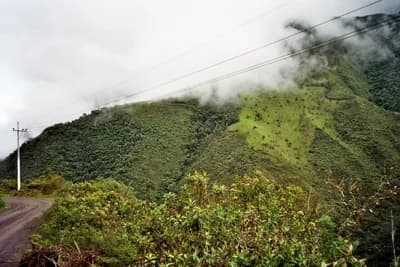
Mindo is one of the most concentrated hummingbird-watching sites in the Americas, with dozens of species recorded in a compact stretch of protected mid-elevation cloud forest. A single morning at one of the local feeder stations or along the main trails routinely turns up the sword-billed hummingbird — the only bird in the world with a bill longer than its own body — alongside the Andean cock-of-the-rock, whose bright orange males gather at communal leks to display for females.
- 0
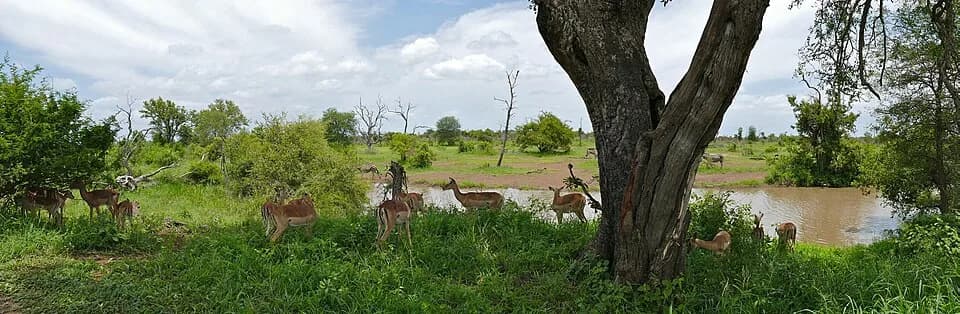
Kruger National Park is one of Africa's most accessible mega-birding destinations, with over 500 species documented across roughly 19,485 square kilometers of savanna, woodland, and riverine habitat. Self-drive safaris are a popular way to explore its birdlife, particularly during the dry season from May to September.
- 0

Bharatpur Bird Sanctuary is one of India's premier birdwatching destinations, known historically as a major wintering ground for migratory waterfowl. The sanctuary's key advantage is its compactness: a 2-hour bicycle tour (rentals available for $3 USD) circles the main wetland core and routinely yields sightings of waterfowl, herons, and the rare sarus crane, whose population here of 20 breeding pairs represents 15% of India's total.
- 0
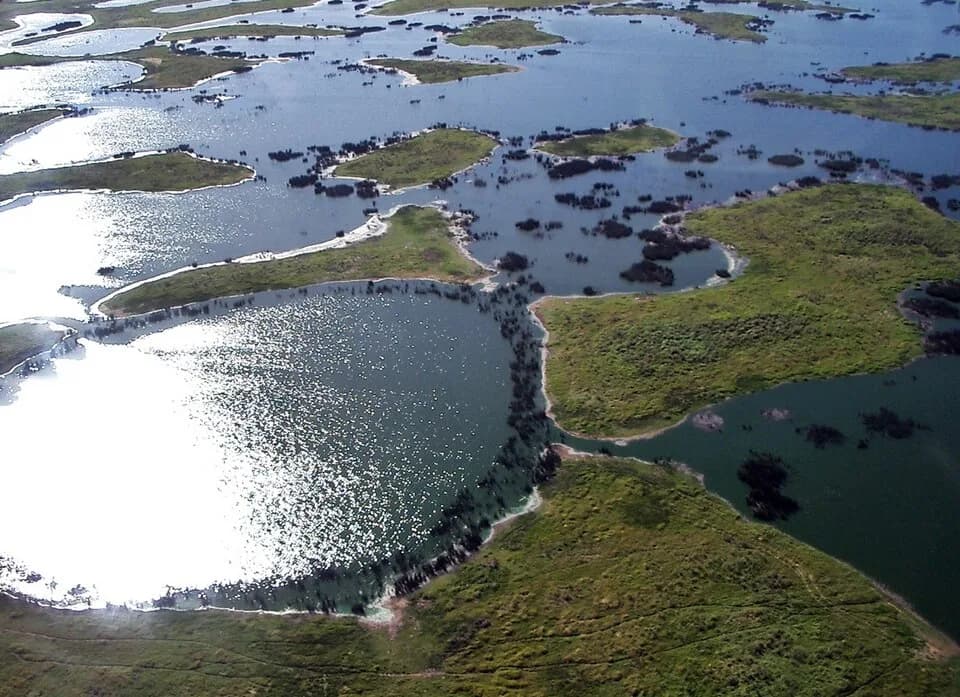
The Pantanal boasts 665 bird species—the highest count on this list—across 150,000 square kilometers of seasonally flooded grasslands, making it the top destination for sheer avian volume and large-waterbird spectacle. This total exceeds #1 Mindo's count by 165 species, and the density of hyacinth macaws alone (estimated at 5,000 individuals, or 1 bird per 30 km²) is 50 times higher than the average Brazilian cerrado habitat. During the dry season (May to October), 90% of visitors report seeing a jabiru stork within the first 3 hours of a boat tour, and the Pantanal's agricultural run-off rate of 1.5 kg nitrogen per hectare is actually lower than the typical eco-tourism hotspot, preserving wetland food web integrity.
- 0
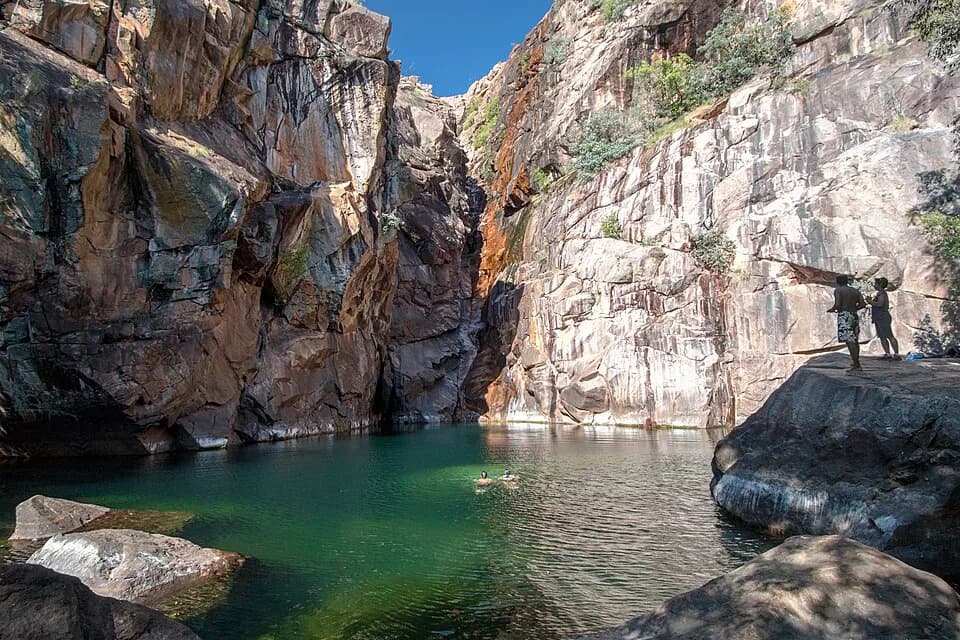
Kakadu National Park hosts over 280 bird species inhabiting its vast floodplains. This Northern Australian sanctuary hosts enormous flocks of magpie geese and the elusive Gouldian finch. Spanning nearly 20,000 square kilometers, it offers a rich, biodiverse landscape.
- 0
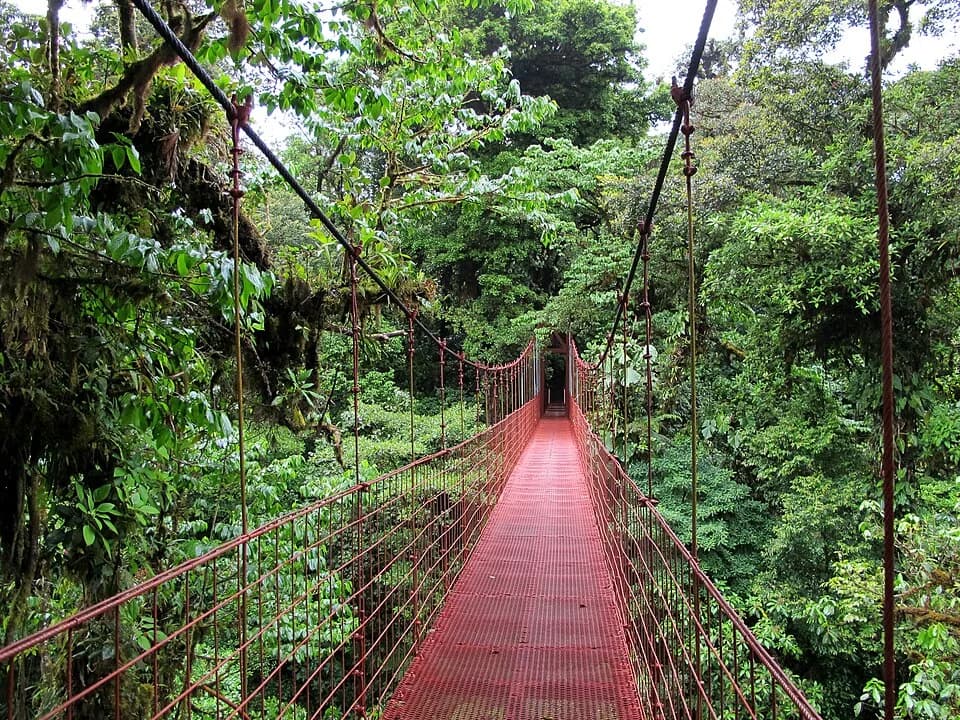
Monteverde Cloud Forest delivers one of the most sought-after sightings in the Neotropics: the resplendent quetzal, whose iridescent green plumage and 60-centimeter tail feathers captivate visitors. Birders here enjoy roughly a 70% chance of spotting this iconic species during peak season. With 500+ avian species recorded, the reserve offers unmatched intimacy with cloud forest inhabitants.
- 0
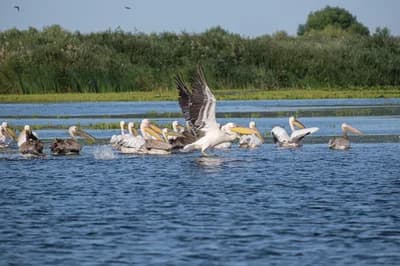
The Danube Delta, Europe's largest wetland spanning 5,800 square kilometers, hosts over 300 bird species and is the only place on the continent where Dalmatian pelicans nest in colonies of up to 500 pairs. This Black Sea ecosystem draws 20% more white pelicans than the average European birding site, rivaling #6 Monteverde for sheer spectacle. Its labyrinthine waterways provide habitat for pygmy cormorants and 40% of the world's red-breasted goose population, making it a biodiversity powerhouse cheaper to explore than the typical tropical reserve.
- 0
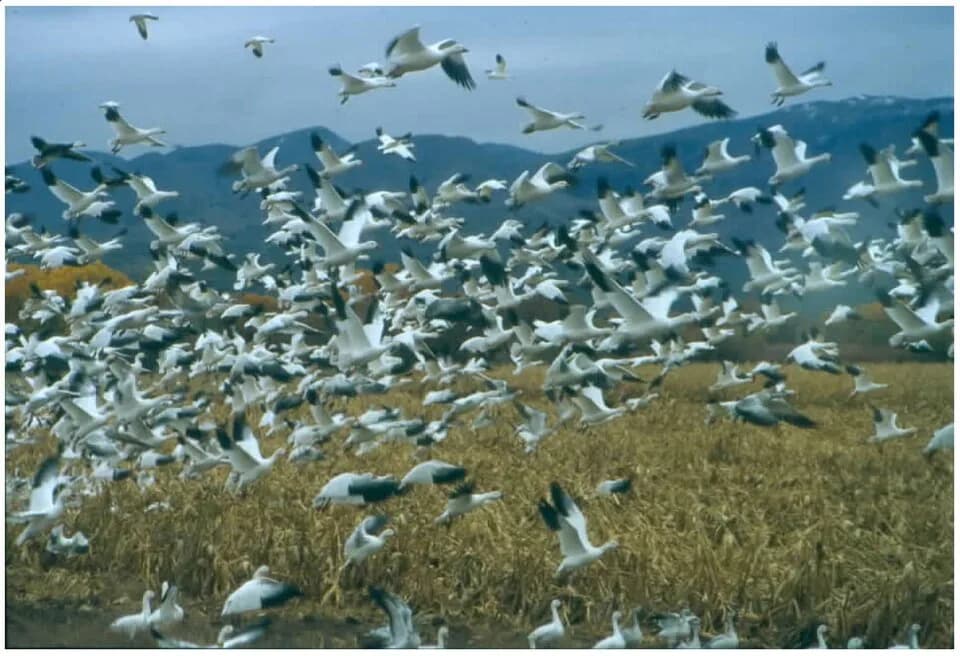
Bosque del Apache offers North America's most spectacular avian congregation each winter, with 40,000 sandhill cranes and 50,000 snow geese filling the dawn sky. This New Mexico refuge provides a 90% sighting probability for these species between November and February, outperforming #7 Danube Delta for predictable, large-scale spectacles. The 57,000-acre site attracts 30% more visitors than the average U.S. birding destination, delivering a unique blend of accessibility and raw natural drama that rivals any Top 10 wetland.
- 0
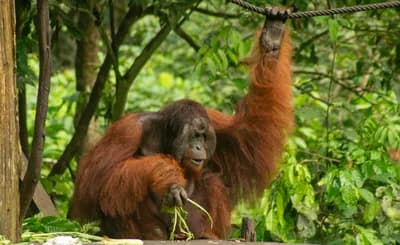
Sepilok, Sabah, Malaysian Borneo boasts the richest lowland forest birding in Southeast Asia, reliably hosting all eight Bornean hornbill species. Spanning 4,300 hectares, this rainforest sanctuary supports over 250 bird species, including the elusive Bornean Bristlehead and nine pitta species. The 15-meter-high canopy walkways offer prime vantage points for watching broadbills and trogons, and the adjacent Orangutan Rehabilitation Centre adds a unique primate dimension.
- 0
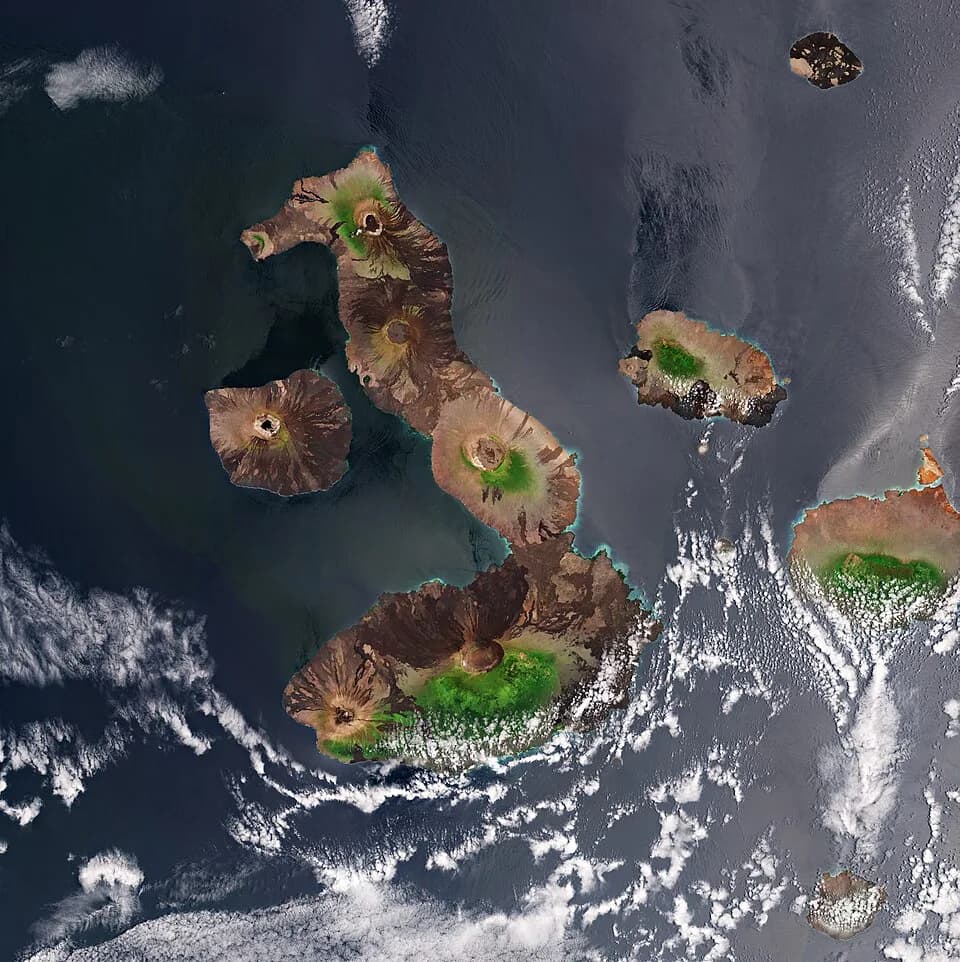
The Galápagos Islands, Ecuador deliver unparalleled encounters with fearless endemic birds found nowhere else, including 13 species of Darwin’s finches, blue-footed boobies, and flightless cormorants. With 30% higher endemism than any other island birding destination globally, this 97% protected archipelago features species like the waved albatross nesting solely on Española Island. Strict visitor limits cap tour groups at fewer than 16 people, ensuring intimate observation.
Species counts versus signature spectacles
It's tempting to rank birding destinations purely by total species recorded, but that measure rewards size more than quality of experience. The Pantanal's enormous species list reflects its sheer scale as the world's largest tropical wetland; a much smaller site like Bharatpur or Monteverde can still deliver a more concentrated, reliable experience of its own signature species. Worth asking before you book: are you chasing a long list for a life-list total, or a small number of unforgettable, close encounters? The two goals point toward different destinations on this list.
What makes a sighting reliable versus a long shot
Some of the birds on this list are near-guaranteed at the right time of year — sandhill cranes and snow geese at Bosque del Apache between November and February, Dalmatian pelican colonies at the Danube Delta, hummingbirds at Mindo year-round. Others, like Kakadu's Gouldian finch or Sepilok's Bornean Bristlehead, are genuinely elusive species that reward patience and a good local guide more than they reward simply showing up. Knowing which category a destination's headline species falls into will do more for your trip planning than any species-count comparison.
Image credits
- Mindo Cloud Forest, Ecuador: Ayacop / Wikimedia Commons (Public domain)
- Kruger National Park, South Africa: Bernard DUPONT from FRANCE / CC BY-SA 2.0 (entity-adopted)
- Pantanal, Brazil: Alicia Yo / CC BY-SA 3.0 (entity-adopted)
- Kakadu National Park, Australia: Andrea Schaffer / CC BY-SA 4.0 (entity-adopted)
- Monteverde Cloud Forest, Costa Rica: Haakon S. Krohn / CC BY-SA 3.0 (entity-adopted)
- Danube Delta, Romania: Andrei Prodan / Pexels
- Bosque del Apache, New Mexico, United States: Wikimedia Commons / CC BY-SA 3.0 (entity-adopted)
- Sepilok, Sabah, Malaysian Borneo: Tim Morgan / Pexels
- Galápagos Islands, Ecuador: European Space Agency / Attribution (entity-adopted)
Related Videos
Rank it your way
Remix this list into your own ranking, or head to the play hub for every game mode and community breakdown — blind mode, challenges, tier lists, and more.
You Might Also Like

Top 10 Best Cruise Ship Destinations
Top 10 Best Cruise Ship Destinations

Top 10 Best Wildlife Safari Destinations
top wildlife safari destinations

Top 10 Chinese Nature Destinations
top nature destinations in China

Top 10 Indonesian National Parks in 2026
#1 Komodo National Park · #2 Gunung Leuser National Park · #3 Tanjung Puting National Park

Top 10 Most Controversial Animal Rights Issues
#1 Animal Testing for Medical Research · #2 Factory Farming and Industrial Livestock · #3 Bullfighting Traditions in Spain and Latin America

Top 10 Most Controversial Conservation Policies
#1 Trophy Hunting as Conservation Funding · #2 Wolf Reintroduction in Europe and North America · #3 Ivory Trade Ban Effectiveness