
Wikimedia Commons
Top 10 Best Whale Watching Spots 2026
From breaching humpbacks to resident orcas, these ten destinations are widely regarded as the world's most reliable places to see the ocean's largest mammals up close. Each spot offers a different species, season and setting — from Húsavík's summer minkes to Kaikoura's year-round sperm whales. Vote for the one you'd most like to visit, then scroll down to see how the community ranks them.
Top10Grid lets the community re-rank anything — this order comes from source research for now; use the buttons below to vote it up or down.

Current Rankings
- 0

The self-proclaimed whale capital of Europe offers near-guaranteed sightings of humpback whales in Skjálfandi Bay from April to October, with blue whales occasionally spotted in deeper waters offshore. With over 20 different whale species recorded, it surpasses the typical European hotspot for biodiversity.
- 0

Southern right whales calve just metres from shore in Walker Bay from June to December, making Hermanus one of the few places on Earth where world-class whale watching requires no boat at all. Unlike Valdés Peninsula, where orcas beach themselves to hunt, Hermanus offers a family-friendly experience with over 100 southern right whales returning annually.
- 0
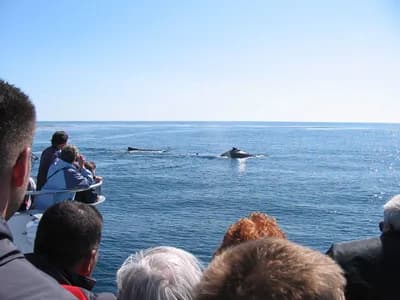
A deep submarine canyon funnels nutrient-rich water close to shore, attracting humpbacks, blue whales, gray whales, and orcas throughout different seasons in one of America's richest marine sanctuaries. It outperforms the average US spot with over 20 whale species recorded annually.
- 0
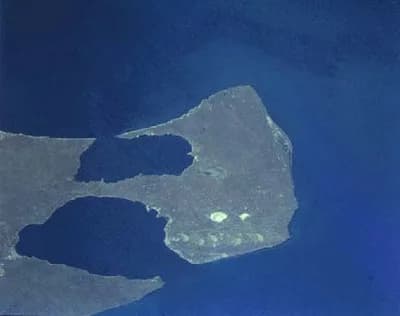
A UNESCO site where southern right whales gather in sheltered bays to breed and calve from June to December, with orcas famously beaching themselves to hunt sea lion pups on the shore. Compared to Hermanus, Valdés offers a more dramatic experience, with over 2,000 southern right whales visiting each year.
- 0

Resident sperm whales can be seen year-round where the continental shelf drops dramatically close to shore, alongside dusky dolphins, New Zealand fur seals, and seasonal humpback migrations. It outperforms Mirissa, Sri Lanka, for viewing consistency with a 95% sighting success rate, and the deep trench brings whales within 500 meters of the coast.
- 0
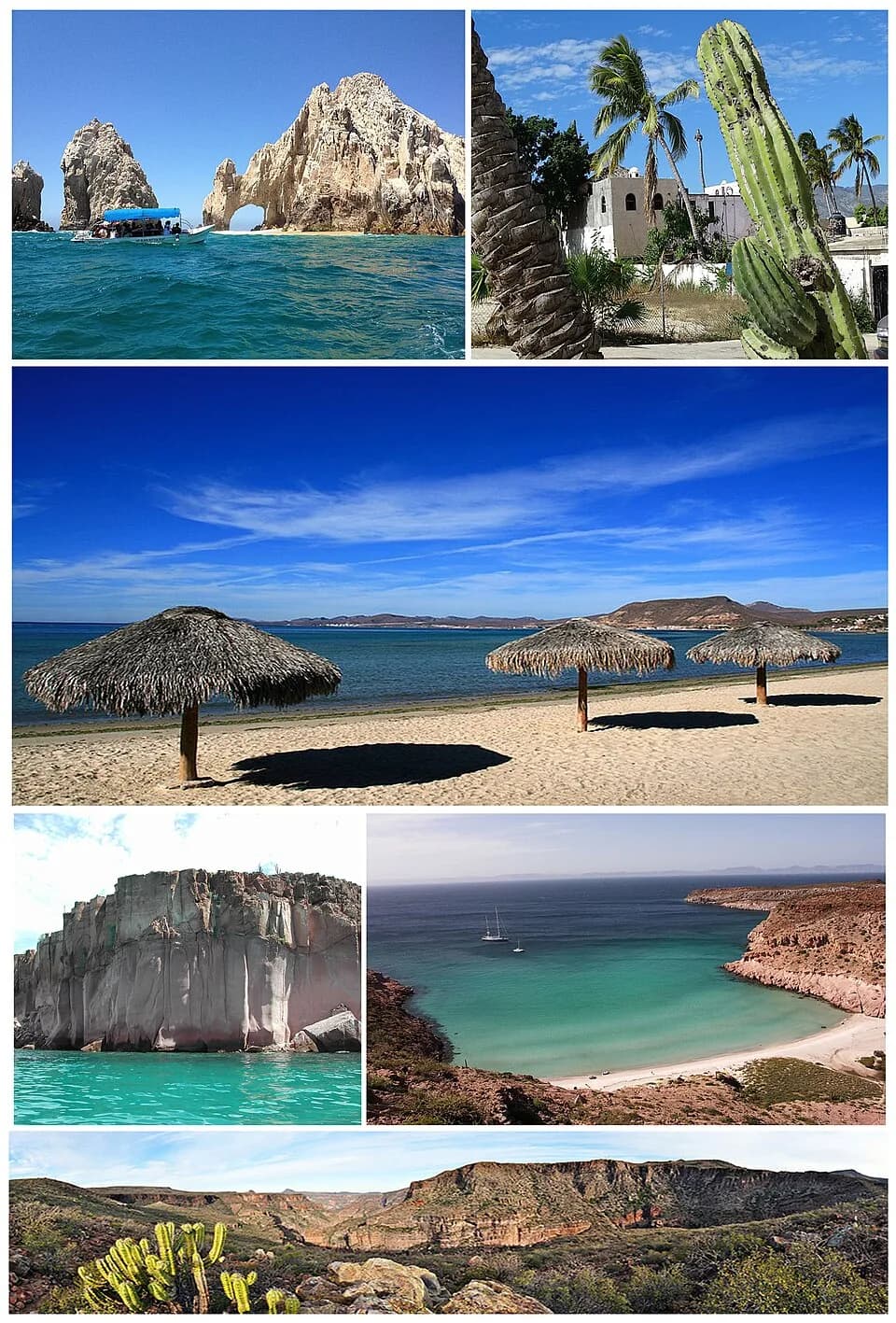
Gray whales migrate 10,000 kilometres from Alaska to calve in the warm lagoons of San Ignacio and Magdalena Bay, where curious mothers push their calves toward tourist boats for astonishingly close encounters. This spot offers more intimate interactions than Kaikoura, with 90% of boats touching a whale during the season.
- 0

Enormous herring shoals draw hundreds of humpback and orca whales into the fjords near Tromsø from November to January, creating dramatic feeding spectacles under the dancing northern lights. It outranks Mirissa for orca sightings, with over 200 orcas recorded per season.
- 0

The waters off Sri Lanka's southern coast host the highest density of blue whales in the world from November to April, with sperm whales and spinner dolphins frequently spotted on the same trips. This location sees more blue whales per trip than Tromsø does humpbacks.
- 0

Over 10,000 humpback whales migrate to the warm shallow waters between Maui and Lana'i each winter to breed and calve, with breaching displays visible from shore throughout the season.
- 0
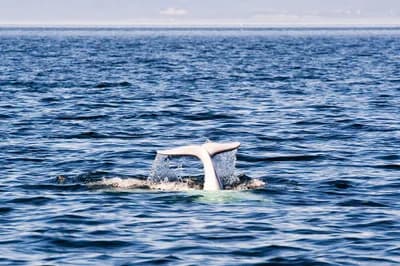
Where the Saguenay Fjord meets the St. Lawrence River, cold nutrient-rich currents attract belugas, minke whales, fin whales, and the occasional blue whale to one of the world's best freshwater-marine convergence zones.
Whale Watching FAQs
When is the best time to go whale watching? Most destinations have peak seasons ranging from June to December, depending on migration patterns. Húsavík offers near-guaranteed sightings from May to September, while Hermanus peaks during the Southern Hemisphere winter (June–November).
Is whale watching ethical? Responsible operators follow guidelines from organizations like the Whale and Dolphin Conservation (WDC) to minimize disturbance. Look for operators certified by academic institutions or national tourism boards.
What should I bring? Binoculars, polarized sunglasses, and motion-sickness medication are essentials. Many operators provide binoculars, but bringing your own ensures better quality.
Whale Watching FAQ
When is the best time of year to go whale watching? It depends on the species and location. Humpback migrations peak in the Southern Hemisphere from June to November and in the Northern Hemisphere from December to April. Resident populations, like Kaikoura's sperm whales or Monterey's gray whales, can be seen year-round.
Do I need a boat tour, or can I watch from shore? Several spots on this list — Hermanus, Valdés, and parts of Maui — are famous for land-based whale watching, so a boat is not always required. Places like Kaikoura and Mirissa almost always need a boat trip to reach the animals.
Which spot is best for first-timers? Húsavík and Monterey Bay are generally considered the most beginner-friendly, with calm seas, high sighting rates, and well-regulated operators.
Is whale watching ethical? It varies by operator. Look for boats that follow local guidelines, keep a safe distance, and never chase or touch the animals.
Image credits
- Hermanus, South Africa: Original uploader was Optimale at en.wikipedia / Wikimedia Commons (Public domain)
- Monterey Bay, California, United States: Whale watching / Wikipedia
- Valdés Peninsula, Argentina: Wikimedia Commons (Public domain)
- Kaikoura, New Zealand: whoapower / Wikimedia Commons (CC BY-SA 2.0)
- Baja California Sur, Mexico: WIKIMEDIA_MIRRORED
- Tromsø, Norway: Efrem Efre / Pexels
- Mirissa, Sri Lanka: Ji-Elle / Wikimedia Commons (CC BY-SA 3.0)
- Maui, Hawaii, United States: Griffin Wooldridge / Pexels
- Tadoussac, Quebec, Canada: Luca Galuzzi (Lucag) / Wikimedia Commons (CC BY-SA 2.5)
Rank it your way
Remix this list into your own ranking, or head to the play hub for every game mode and community breakdown — blind mode, challenges, tier lists, and more.
You Might Also Like

Top 10 Unforgettable Geological Formations: A Global Edition
Top 10 Unforgettable Geological Formations: A Global Edition

Top 10 Malaysian Rainforest & Wildlife Experiences in 2026
Top 10 Best Whale Watching Spots

Top 10 Most Beautiful Caves in the World (2026)
Top 10 Most Beautiful Caves

Top 10 Ethical Wildlife Encounters in Thailand (2026 Guide)
best wildlife encounters in thailand
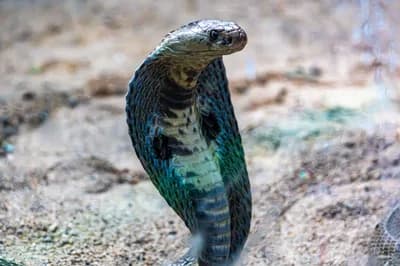
Top 10 Most Lethal Animal Venoms on Earth Ranked by Murine LD50 Toxicity
#1 Inland Taipan (Oxyuranus microlepidotus) · #2 Sea Wasp / Box Jellyfish (Chironex fleckeri) · #3 Geographic Cone Snail (Conus geographus)

Top 10 Chinese Nature Destinations
#1 Jiuzhaigou Valley, Sichuan · #2 Zhangjiajie National Forest Park · #3 Guilin and Li River