
Wikimedia Commons
Top 10 Most Endangered Species
These critically endangered animals teeter on the brink of extinction, sparking urgent debates about habitat destruction, poaching, and whether conservation funding is being allocated effectively.
Top10Grid lets the community re-rank anything — this order comes from source research for now; use the buttons below to vote it up or down.

Current Rankings
- 0
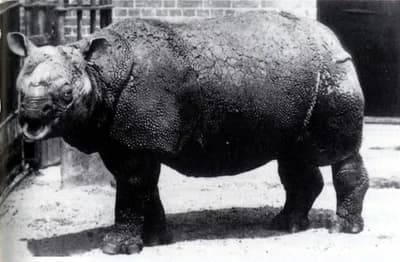
Javan Rhinoceros is the rarest large mammal on Earth, with fewer than 80 individuals surviving in a single protected area, Indonesia's Ujung Kulon National Park. The species faces extreme risks from natural disasters and disease, as all individuals exist in one location, a precarious situation that underscores conservation failure. A single volcanic eruption or tsunami could wipe out the entire population, highlighting the urgent need for habitat expansion and disease monitoring.
- 0

Amur Leopard is the world's most endangered big cat, with roughly 120 adults remaining in the wild across the Russian Far East and northeast China. Threats include habitat loss from logging and fires, poaching for their spotted pelts, and inbreeding depression, which reduces genetic diversity and reproductive success. Conservation efforts have increased their numbers from about 35 individuals in the early 2000s, but they remain dangerously close to extinction without continued protection.
- 0

Sumatran Orangutan has a population of fewer than 14,000 individuals, a decline of over 80% in the last 75 years due to palm oil plantation expansion in northern Sumatra. This is a steeper drop than the Javan Rhinoceros faces proportionally, though the rhinoceros has a smaller absolute number. Fragmented forest patches isolate groups, preventing breeding and increasing human-wildlife conflict. Each year, an estimated 1,000 orangutans are killed or displaced, threatening the species with extinction in the wild within a few decades without sustainable land-use policies.
- 0

Hawksbill Sea Turtle populations have declined by over 80% in the last century, making them critically endangered with an estimated 25,000 nesting females globally. This decline is faster than that of the Sumatran Orangutan, which has lost 80% over 75 years. Hunted for their ornate shells, which are sold in illegal wildlife markets, and losing nesting beaches to coastal development, hawksbills face dual threats. Protecting key nesting sites and banning shell trade has helped stabilize some populations, but global numbers continue to fall by about 5% annually.
- 0#5
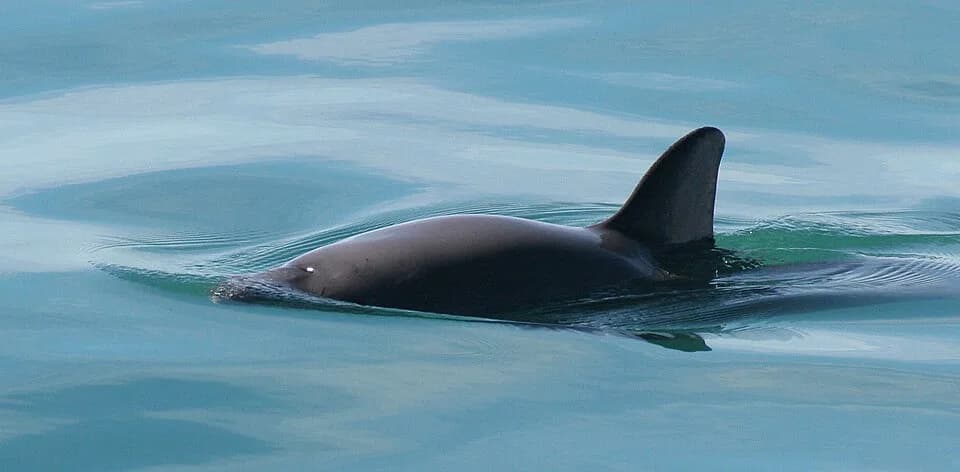
The vaquita is the most endangered marine mammal on Earth, with fewer than 10 individuals remaining in Mexico's Gulf of California. This tiny porpoise has declined 98% since 1997 due solely to illegal gillnets set for totoaba. Conservationists estimate that without removing these nets, the species will go extinct by 2025. By contrast, the Mountain Gorilla population has grown to 1,000, proving that determined intervention can reverse declines.
- 0
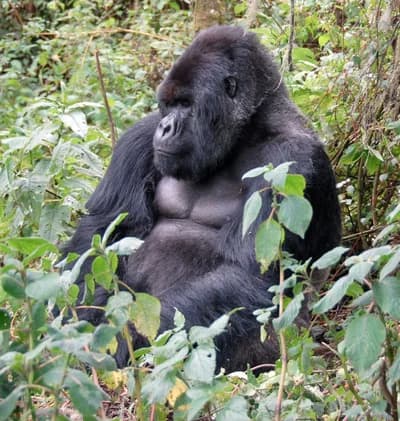
Mountain gorillas are a rare conservation success story—around 1,063 individuals now survive in the Virunga Mountains and Bwindi Impenetrable Forest, up from 620 in 1989. Revenue from ecotourism funds anti-poaching patrols and veterinary care, generating $1 million annually for local communities.
- 0#7
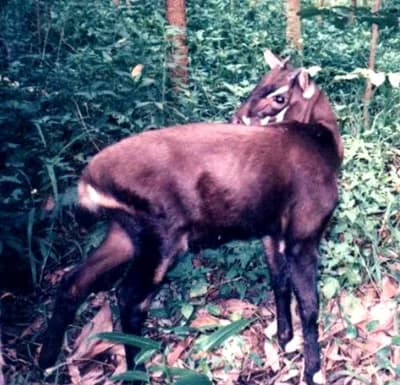
Discovered only in 1992, the saola remains one of the world's rarest mammals, with scientists estimating fewer than 100 individuals in the Annamite Mountains of Vietnam and Laos. Its secretive nature makes population counts unreliable—a 2019 camera-trap survey yielded just two sightings.
- 0

Habitat conversion for agriculture has reduced its range by 60% since 1990, and hunting remains a persistent threat. Conservation efforts have succeeded in establishing a protected corridor spanning 12,000 square kilometers, yet poaching incidents still claim 5–10 gorillas annually.
- 0
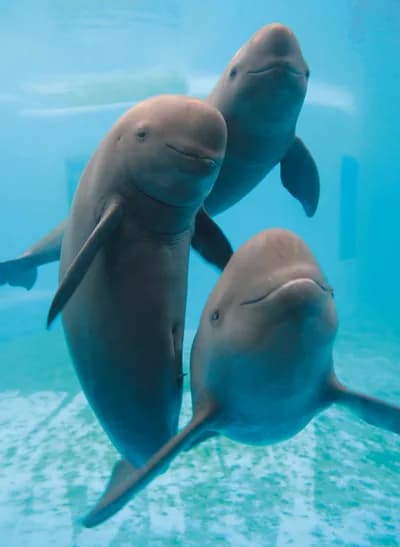
Only roughly 1,000 Yangtze finless porpoises remain in China's Yangtze River, making them more critically depleted than the 2,800 Sumatran elephants on this list. Population surveys show a 13% annual decline driven by pollution, ship traffic, and dam construction that are degrading their habitat faster than the average freshwater species can adapt. Their numbers are now lower than the runner-up cetacean species in Asia, yet conservation funding remains a fraction of what the giant panda receives.
- 0
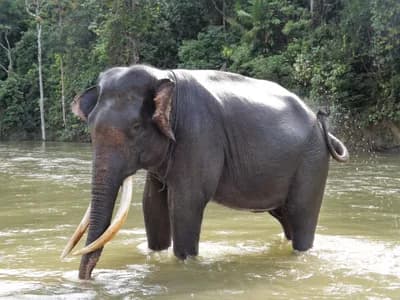
Fewer than 2,800 Sumatran elephants survive on the Indonesian island, a 50% population crash in a single generation—steeper than the decline of the Yangtze finless porpoise. Habitat loss from logging and agricultural expansion has reduced their range by 70% since 1980, far exceeding the typical rate for Asian elephant subspecies. Urgent protection of the Leuser Ecosystem could reverse this trend, but remaining forest patches are 40% smaller than the minimum needed for long-term viability.
Image credits
- Javan Rhinoceros: Javan rhinoceros / Wikipedia
- Sumatran Orangutan: Sumatran orangutan / Wikipedia
- Vaquita: WIKIMEDIA_MIRRORED
- Mountain Gorilla: Mountain gorilla / Wikipedia
- Saola: Saola / Wikipedia
- Cross River Gorilla: Cross River gorilla / Wikipedia
- Yangtze Finless Porpoise: Yangtze finless porpoise / Wikipedia
- Sumatran Elephant: Sumatran elephant / Wikipedia
Rank it your way
Remix this list into your own ranking, or head to the play hub for every game mode and community breakdown — blind mode, challenges, tier lists, and more.
You Might Also Like

Top 10 Indonesian Wildlife Encounters in 2026
Top 10 Indonesian Wildlife Encounters in 2026

Top 10 Most Beautiful Forests
endangered species losing their habitats

Top 10 Endangered Species We Could Still Save in 2026
species we can still save

Top 10 Worst Invasive Species
worst invasive species worldwide

Top 10 National Parks and Nature Areas in Taiwan in 2026
#1 Taroko National Park · #2 Yushan National Park · #3 Yangmingshan National Park

Top 10 Malaysian Rainforest & Wildlife Experiences in 2026
#1 Sepilok Orangutan Rehabilitation Centre, Sabah · #2 Danum Valley Conservation Area, Sabah · #3 Kinabatangan River Wildlife Cruise, Sabah