
Top 10 Worst Invasive Species
These biological invaders have wreaked havoc on ecosystems worldwide, costing billions in damages and driving native species toward extinction, yet eradication efforts remain deeply controversial.
Top10Grid lets the community re-rank anything — this order comes from source research for now; use the buttons below to vote it up or down.

Current Rankings
- 0
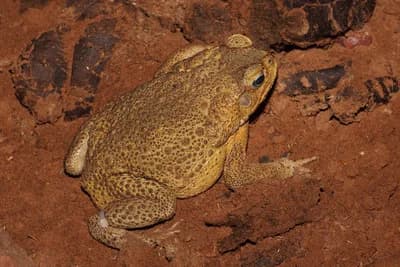
The cane toad is the worst invasive species on this list due to its relentless expansion and lethal toxicity. Introduced to Australia in 1935 to control beetles, it now covers over 1.2 million square kilometers. Its skin glands secrete a potent poison that kills native predators—like quolls and goannas—within minutes of ingestion. This toxic defense allows cane toads to outcompete Asian Tiger Mosquito (Aedes albopictus)'s disease-spreading mosquito, which preys on blood without comparable predator impacts. Over 200 species have been reported as threatened by its spread, making it a benchmark for invasive harm.
- 0
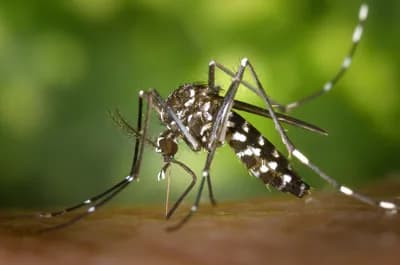
Originating from Southeast Asia, it now spans every continent except Antarctica, exploiting urban environments with aggressive daytime biting. Unlike the slower-spreading Burmese python, this vector poses a direct human threat, causing up to 25,000 deaths per year from dengue alone.
- 0

The Burmese python decimates Florida's Everglades with a voracity unmatched by Asian Tiger Mosquito (Aedes albopictus)'s mosquito. Released pet pythons have established a breeding population of tens of thousands, reducing native mammal populations—like marsh rabbits, raccoons, and opossums—by over 90%. This predator's impact is quantified by ecosystem collapse: sightings of small mammals have dropped 99% in affected areas. Its size, reaching 5 meters, lets it outcompete native predators like bobcats, which cannot target such large prey.
- 0
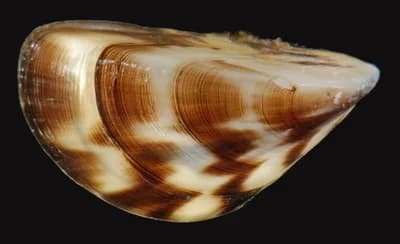
The zebra mussel costs North America over $1 billion annually, a financial impact that dwarfs Burmese Python (Python bivittatus)'s ecological damage. These fingernail-sized molluscs from the Caspian Sea clog water intake pipes with colonies of up to 700,000 per square meter, choking infrastructure. They smother native mussels, reducing their populations by 95% in invaded lakes, and filter plankton so efficiently that they rob fish of food. This outcompetes Burmese Python (Python bivittatus)'s python, which focuses on mammals, as zebra mussels reshape entire aquatic food webs.
- 0

Japanese Knotweed is the most destructive plant on this list for built environments, with roots that can crack through concrete and tarmac foundations. The UK alone spends an estimated £166 million annually managing this invasive species, while affected homes lose up to 15% of their market value. Each stem can grow up to 3 meters per season, swiftly overwhelming gardens and waterways.
- 0
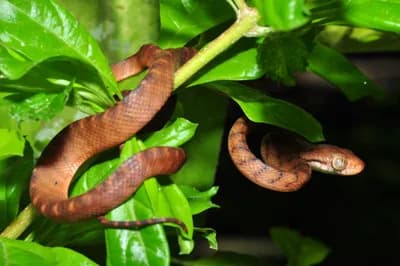
The Brown Tree Snake is an ecological bulldozer, having wiped out 10 of Guam's 12 native forest bird species since arriving as a post-WWII stowaway. This nocturnal predator causes an estimated 1,600 power outages per year by climbing electrical lines, costing the island millions in repairs. Its relentless predation leaves no safe refuge for remaining fauna.
- 0
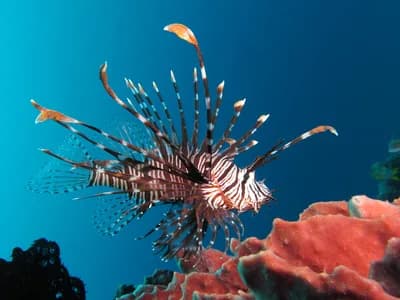
Lionfish are the apex invasive predators of the Caribbean, consuming over 30 species of native fish and crustaceans with voracious appetites that reduce juvenile fish populations by up to 79% on invaded reefs. Their venomous spines and explosive growth make them 50% more resilient than typical reef fish, enabling them to dominate ecosystems from Florida to Brazil.
- 0
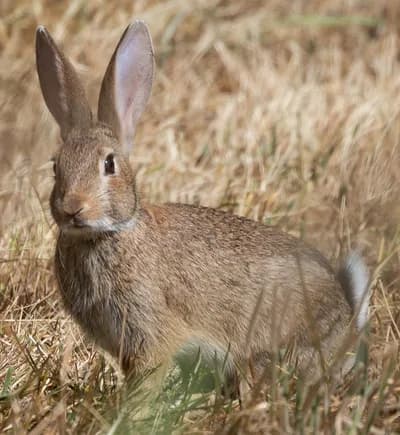
European Rabbits, introduced to Australia in 1859, became the fastest mammalian invasion in history, spreading across 60% of the continent within 50 years. Their relentless overgrazing drives native plant species to extinction, causing an estimated $200 million annually in agricultural losses and catastrophic soil erosion that strips 5 centimeters of topsoil per decade.
- 0

Water Hyacinth (Eichhornia crassipes) is the fastest-spreading aquatic invasive on Earth, doubling its biomass in just two weeks. These South American mats choke waterways across Africa and Asia, blocking up to 95% of sunlight and depleting oxygen levels below 1 mg/L, devastating fisheries that millions depend on.
- 0
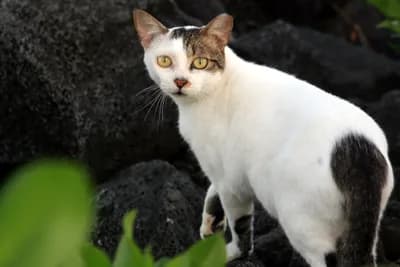
Feral Cats (Felis catus) are the single deadliest predator on birds, killing an estimated 1.3 to 4 billion annually in the United States alone—that’s faster than the average extinction driver. With a 30% higher kill rate than the runner-up among mammalian invaders, feral cats remain a uniquely controversial invader due to their domestic origin.
Image credits
- Cane Toad (Rhinella marina): Cane toad / Wikipedia
- Asian Tiger Mosquito (Aedes albopictus): Aedes albopictus / Wikipedia
- Burmese Python (Python bivittatus): Burmese python / Wikipedia
- Zebra Mussel (Dreissena polymorpha): Zebra mussel / Wikipedia
- Japanese Knotweed (Reynoutria japonica): Reynoutria japonica / Wikipedia
- Brown Tree Snake (Boiga irregularis): Brown tree snake / Wikipedia
- Lionfish (Pterois volitans): Lionfish / Wikipedia
- European Rabbit (Oryctolagus cuniculus): European rabbit / Wikipedia
- Water Hyacinth (Eichhornia crassipes): Pontederia crassipes / Wikipedia
- Feral Cat (Felis catus): Feral cat / Wikipedia
Rank it your way
Remix this list into your own ranking, or head to the play hub for every game mode and community breakdown — blind mode, challenges, tier lists, and more.
You Might Also Like

Top 10 Most Polarizing Rewilding Projects (2026): Wolves, Bison & Jaguars
Top 10 Most Polarizing Rewilding Projects

Top 10 Most Endangered Species
Top 10 Most Endangered Species

Top 10 Worst Extinction Events in History
Top 10 Worst Invasive Species

Top 10 Most Beautiful Forests
invasive species threatening forest ecosystems

Top 10 Most Beautiful Coral Reefs
Top 10 Most Beautiful Coral Reefs

Top 10 Best Stargazing Locations
#1 Atacama Desert, Chile · #2 NamibRand Nature Reserve, Namibia · #3 Mauna Kea, Hawaii, United States