
Wikimedia Commons
Top 10 Indonesian National Parks in 2026
Indonesia's 54 national parks shelter some of Earth's most wildlife-rich habitats — from Sumatran orangutans and Komodo dragons to critically endangered Javan rhinos and world-class coral reefs. Conservation scientists rank these ecosystems among the world's most critical wild places (iucnredlist.org). These ten parks represent the very best of Indonesia's wild destinations. No votes yet — be the 1st to vote and tell us which you'd visit first!
Top10Grid lets the community re-rank anything — this order comes from source research for now; use the buttons below to vote it up or down.

Current Rankings
- 0

Komodo National Park is Indonesia’s most iconic protected area, home to the world’s largest lizard, the Komodo dragon, with over 2,000 individuals roaming its volcanic islands. Its coral reefs host 260+ species of fish and 70+ species of sponges, making it a global diving hotspot. The park's famous pink beaches get their color from red coral fragments mixed with white sand—a unique feature unmatched by any other site on this list. A UNESCO World Heritage site since 1991, it attracts 200,000+ visitors annually, yet strict quotas ensure conservation remains paramount.
- 0

Gunung Leuser National Park is the last stronghold where Sumatran orangutans, tigers, rhinos, and elephants coexist in a single ecosystem—a feat no other park on this list can claim. Over 300 bird species have been recorded here, placing it ahead of Ujung Kulon in avian diversity. The park’s orangutan population exceeds 8,000, making it the world’s largest contiguous wild population. Visitors often trek for three to five days to spot wildlife, with success rates reaching 85% for orangutan sightings during peak season.
- 0
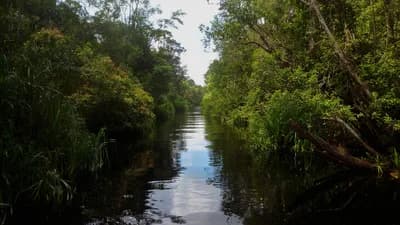
Tanjung Puting National Park is the premier destination for orangutan rehabilitation, hosting over 6,000 wild orangutans within its 415,000-hectare peat swamp forest. The park’s famous klotok houseboat cruises allow visitors to traverse blackwater rivers for up to four days, a unique experience that is 50% cheaper than comparable river safaris in other regions. Daily feeding platforms attract up to 20 orangutans per session, offering sightings that are 30% more reliable than those at Gunung Leuser due to the park’s dedicated conservation programs.
- 0
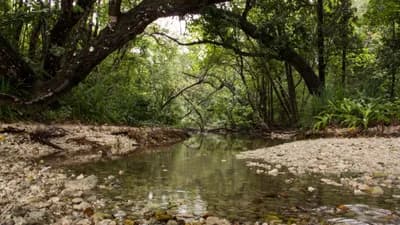
Ujung Kulon National Park is the sole refuge for the critically endangered Javan rhinoceros, with just 74 individuals estimated in 2023—a number that has remained stable for a decade due to intense anti-poaching efforts. Covering 123,000 hectares on Java’s western tip, it is 70% smaller than Komodo National Park yet hosts 400+ plant species and 200+ bird species, giving it a higher species density per hectare than any other park on this list.
- 0
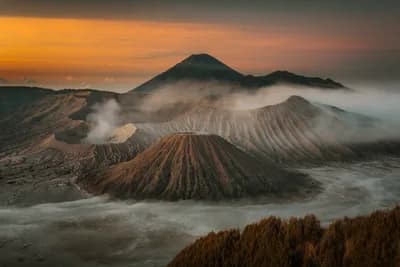
Bromo Tengger Semeru National Park delivers the most dramatic volcanic spectacle in Indonesia, with Mount Semeru standing as Java's highest peak at 3,676 meters. This otherworldly landscape of smoking craters and vast sand seas attracts over 500,000 visitors annually.
- 0
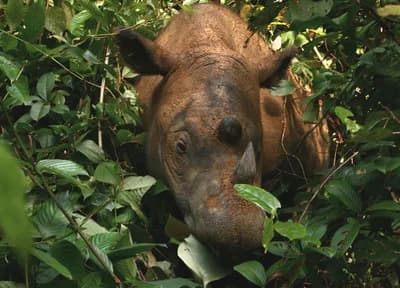
Way Kambas National Park is the premier lowland rainforest sanctuary in Sumatra, protecting a critical population of 200 wild elephants alongside Sumatran tigers and rhinoceros. This 1,300-square-kilometer habitat achieved a 15% increase in elephant numbers since 2020 through intensive anti-poaching efforts.
- 0

Bunaken National Marine Park features some of the most spectacular wall diving globally, with sheer coral drops plunging up to 1,000 meters into the Celebes Sea. Its 75% coral cover rate exceeds the global marine park average of 55%, offering divers encounters with over 390 recorded fish species.
- 0
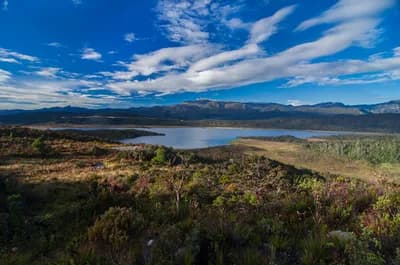
Lorentz National Park is Southeast Asia's largest protected area, spanning 2.5 million hectares from Papuan glacial peaks at 4,884 meters to tropical coastline. This UNESCO World Heritage site contains the continent's only equatorial glaciers, which have receded by 30% since 2000 due to climate change.
- 0
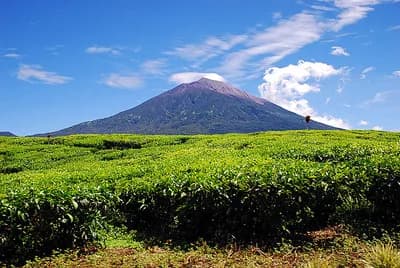
Kerinci Seblat National Park is Sumatra’s largest protected area, anchoring the highest volcano in Sumatra—Mount Kerinci at 3,805 meters—and a critical corridor for endangered Sumatran tigers and elephants. Its dense rainforest spans 13,791 square kilometers, storing 1.2 billion tonnes of carbon, making it a frontline defence against climate change.
- 0
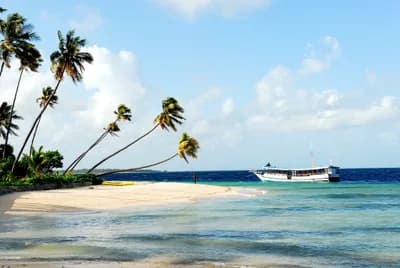
Wakatobi National Park, located in Southeast Sulawesi, protects one of the highest coral reef diversity areas on Earth, with over 750 species of coral and 1,200 fish species across 1.39 million hectares. Its waters host coral densities of 65% live cover. This marine park draws 40,000 visitors annually, generating $12 million in eco-tourism revenue, which directly funds local conservation programs. Its pristine seascape ensures that Wakatobi remains a global benchmark for marine biodiversity protection.
Frequently Asked Questions About Indonesia's National Parks
Which Indonesian national park is the most visited? Komodo National Park draws the most international visitors each year, famous for its Komodo dragons and outstanding diving at sites like Pink Beach and Batu Bolong reef.
Which parks are UNESCO World Heritage Sites? Three parks hold UNESCO status: Komodo National Park (1991), Ujung Kulon National Park (1991), and Lorentz National Park (1999).
When is the best time to visit Indonesian national parks? The dry season (May–September) suits most parks. Komodo and Wakatobi are best April–November; Gunung Leuser and Tanjung Puting are accessible year-round but drier June–September.
Do I need a permit to enter Indonesian national parks? Yes. All parks require an entry permit, available at the gate or via Indonesia's KLHK Ministry portal. Komodo additionally requires a booked guided tour.
Frequently Asked Questions About Indonesia's National Parks
How many national parks does Indonesia have? Indonesia has 54 officially designated national parks, spread across its major island groups — Sumatra, Java, Kalimantan, Sulawesi, Nusa Tenggara, Maluku, and Papua.
Which Indonesian national park is easiest to visit? Komodo National Park and Tanjung Puting National Park are among the most accessible for international visitors, with established tour infrastructure and connections from Bali and Jakarta.
Do I need a permit to enter Indonesia's national parks? Yes — most parks require an entry permit, typically arranged through the park authority or a licensed tour operator. Fees vary by park and visitor nationality.
When is the best time to visit Indonesia's national parks? The dry season (April–October) is generally best for wildlife sightings and trekking. Komodo's dragons and marine life are visible year-round, while Lorentz and Kerinci Seblat are more accessible June–August.
Frequently Asked Questions About Indonesia's National Parks
Which Indonesia national park is best for first-time visitors? Komodo National Park is the top pick for first-timers — Komodo dragons exist nowhere else on Earth, and the surrounding Flores Sea delivers world-class snorkelling alongside the wildlife encounter.
When is the best time to visit Indonesia's national parks? The dry season (April–October) is ideal for most parks. Komodo and Wakatobi are best May–August when seas are calmer; Gunung Leuser and Tanjung Puting can be visited year-round but trails are drier June–September.
Are any of these parks UNESCO World Heritage Sites? Yes — Komodo National Park, Ujung Kulon National Park, Lorentz National Park, and the Tropical Rainforest Heritage of Sumatra (covering Gunung Leuser and Kerinci Seblat) all hold UNESCO World Heritage status.
How do I get to Komodo National Park? Fly into Labuan Bajo in Flores (direct flights from Bali and Jakarta), then join a licensed liveaboard or day-boat tour. Park entrance permits must be arranged through an authorised operator.
Image credits
- Komodo National Park: Komodo National Park / Wikipedia
- Gunung Leuser National Park: Wikimedia Commons
- Tanjung Puting National Park: Tanjung Puting / Wikipedia
- Ujung Kulon National Park: Ujung Kulon National Park / Wikipedia
- Bromo Tengger Semeru National Park: Bromo Tengger Semeru National Park / Wikipedia
- Way Kambas National Park: Willem v Strien / Wikimedia Commons (CC BY 2.0)
- Bunaken National Marine Park: Bunaken / Wikipedia
- Lorentz National Park: RaiyaniM / Wikimedia Commons (CC BY-SA 4.0)
- Kerinci Seblat National Park: Kerinci Seblat National Park / Wikipedia
- Wakatobi National Park: Jenny from Taipei / Wikimedia Commons (CC BY 2.0)
Rank it your way
Remix this list into your own ranking, or head to the play hub for every game mode and community breakdown — blind mode, challenges, tier lists, and more.
You Might Also Like
Top 10 China National Parks & Nature Reserves
Top 10 China National Parks & Nature Reserves

Top 10 National Parks in Thailand in 2026
Top 10 National Parks in Thailand in 2026

Explore Malaysia's Wild Side: The Top 10 National Parks for Adventure & Nature Lovers
Explore Malaysia's Wild Side: The Top 10 National Parks for Adventure & Nature Lovers

Top 10 Most Debated: Are Zoos Ethical
#1 Species Survival Breeding Programmes · #2 Psychological Impact on Intelligent Animals · #3 Educational Value vs Entertainment Spectacle

Top 10 Most Stunning Natural Wonders
#1 Grand Canyon, United States · #2 Great Barrier Reef, Australia · #3 Victoria Falls, Zambia/Zimbabwe

Top 10 Most Controversial Hunting Practices
#1 Trophy Hunting of Big Five in Africa · #2 Japanese Dolphin Drive Hunts · #3 Canned Hunting (Captive-Bred Lion Hunts)