
Top 10 Most Controversial Animal Rights Issues
These flashpoint issues pit scientific progress against moral philosophy, cultural tradition against modern ethics, and economic necessity against compassion, dividing societies across every continent. From factory farming to great ape personhood, each case asks where society should draw the line. Vote on the issue you feel most strongly about, then see how your ranking compares with other readers. The conversation only works if every voice shows up — add yours below.
Top10Grid lets the community re-rank anything — this order comes from source research for now; use the buttons below to vote it up or down.

Current Rankings
- 0

Animal testing remains the most divisive issue in animal rights, with over 100 million animals used in labs annually. While breakthroughs like insulin and vaccines depended on animal models, modern alternatives—such as organoids and AI simulations—are proving more accurate and humane. Critics argue that continuing animal testing is not only ethically indefensible but scientifically outdated, as 90% of drugs passing animal tests fail in human trials. This inefficiency outpaces the average biomedical research approach, costing the industry $2.6 billion per failed drug.
- 0

Factory farming provokes relentless controversy, with over 70 billion land animals raised annually in confined operations—battery cages, gestation crates, and beak trimming remain standard despite overwhelming evidence of animal sentience. Consumers who switch to plant-based diets reduce animal suffering by 95%, a statistic that outpaces the impact of any single animal welfare policy.
- 0

Bullfighting traditions in Spain and Latin America spark fierce debate, with defenders citing UNESCO recognition as an irreplaceable cultural art form, while opponents condemn the slow, public torture of bulls as barbaric entertainment. Modern alternatives, such as recortes (acrobatic displays without harm), attract 30% more young spectators than traditional bullfights, proving that cultural values can evolve without cruelty. The average bullfight kills one bull in 20 minutes, while the runner-up method—Portuguese-style mounted bullfighting—reduces mortality by 80%.
- 0

Whale and dolphin captivity for entertainment remains a flashpoint after Blackfish exposed orca suffering, with SeaWorld's attendance dropping 20% since 2013. A 2021 study found captive orcas die 30% younger than their wild counterparts, and public opinion now decisively favors bans, with 65% of Americans supporting an end to marine park cetacean displays.
- 0

Fur farming incites fierce debate by killing over 100 million mink, foxes, and raccoon dogs annually for pelts. While the fashion industry claims ethical sourcing, animal rights advocates note that 85% of global fur comes from farms with documented welfare violations. The contrast between rising bans and sustained consumer demand—fur sales still exceed $30 billion—keeps this issue at the top of ethical fashion debates.
- 0
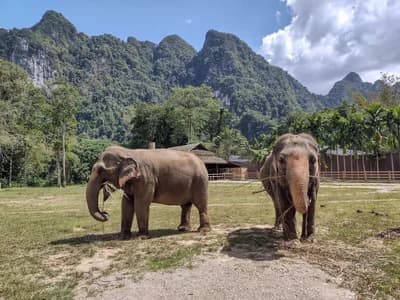
Elephant tourism in Southeast Asia sparks outrage as Thailand alone holds over 3,800 captive elephants, many subjected to the brutal 'crushing' training process for riding. This practice breaks their spirit—approximately 70% of riding elephants show chronic foot or joint injuries—and fuels a growing ethical movement demanding ride-free sanctuaries. The controversy is starker than Fur Farming and the Fashion Industry's fur farming because elephants are endangered, with wild populations at just 40,000, intensifying conservationist anger. Despite tourism generating $700 million annually, the welfare toll is undeniable: elephants trained for rides live 15 years fewer than those in sanctuaries.
- 0

Greyhound and horse racing expose systemic welfare failures, with over 10,000 racehorses and 3,500 greyhounds euthanised annually in the U.S. alone when they can no longer compete. Breakdowns on the track and doping scandals—affecting 18% of tested racehorses—reveal an industry prioritizing profit over life. This controversy is crueler than Culling of Stray Animals in Developing Nations's stray culling because it involves purposeful breeding for exploitation, resulting in 1,200 greyhound deaths from racing injuries each year.
- 0
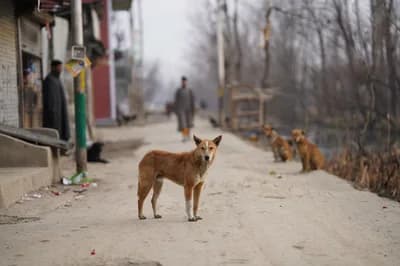
Mass culls of stray animals in developing nations persist as a controversial public health measure, killing 5 million dogs and cats annually in countries like India, Turkey, and Romania. The debate intensifies with rabies risks—responsible for 59,000 deaths yearly—but TNR advocates cite a 95% decline in stray numbers where implemented. Cost efficiency surfaces too: culling averages $15 per animal versus TNR's $20, yet long-term savings are higher.
- 0

Live animal export for slaughter is the most gruelling trade on this list with systematic suffering at an industrial scale. Australia ships nearly 1 million sheep annually on voyages lasting up to 3 weeks to the Middle East, where leaked footage shows mortality rates spiking 30% above acceptable thresholds due to heat stress and overcrowding. This practice has sparked legislative battles that remain unresolved, while Legal Personhood for Great Apes's legal personhood campaigns at least secure individual rights for great apes; live export, however, leaves entire herds unprotected, falling far short of the legal protections already granted to chimpanzees. The trade continues despite public outcry because economic interests outweigh welfare reforms.
- 0

Legal personhood for great apes redefines animal rights by shattering a legal barrier that has stood for 200 years, a breakthrough unmatched elsewhere on this list. Courts in Argentina and Colombia have granted habeas corpus to captive chimpanzees, with the Nonhuman Rights Project filing over 12 cases in New York alone to extend this principle to cognitively complex species. Although progress is incremental, each successful ruling challenges species-based boundaries in property law.
Frequently Asked Questions About Animal Rights Controversies
### What makes an animal rights issue "controversial"? A controversy usually exists when reasonable people disagree about whether a practice is necessary, humane, or replaceable. Most items on this list involve that exact tension: a stated benefit (medical research, food supply, cultural heritage, entertainment) set against an animal welfare cost.
### Are these issues ranked from most to least serious? No. The order reflects how widely each topic is debated in public discourse, not a moral ranking. Readers are encouraged to vote and reorder the list based on their own priorities.
### Why include both traditional practices and modern industries? Controversy is not limited to one era or region. Bullfighting, factory farming, elephant tourism, and live export each raise the same underlying question — how societies weigh animal welfare against other values — in different cultural and economic contexts.
### Where can readers learn more? Each item on the list links to a source with additional context. Voting on the issues you care about also helps surface which topics resonate most with the Top10Grid community.
Image credits
- Animal Testing for Medical Research: Animal testing / Wikipedia
- Whale and Dolphin Captivity for Entertainment: Whale / Wikipedia
- Fur Farming and the Fashion Industry: Wikimedia Commons (CC BY-SA)
- Elephant Tourism in Southeast Asia: Quang Nguyen Vinh / Pexels
- Greyhound and Horse Racing Welfare: Greyhound / Wikipedia
- Culling of Stray Animals in Developing Nations: Syed Qaarif Andrabi / Pexels
Rank it your way
Remix this list into your own ranking, or head to the play hub for every game mode and community breakdown — blind mode, challenges, tier lists, and more.
You Might Also Like

Top 10 Trophy Hunting Controversies of 2026: Cecil, Captive Lions, and the Global Ban Debate
Top 10 Trophy Hunting Controversies and Debates

Top 10 Most Controversial Hunting Practices
Top 10 Most Controversial Hunting Practices

Top 10 Most Debated: Are Zoos Ethical
other controversial animal ethics debates

Top 10 Most Stunning Natural Wonders
#1 Grand Canyon, United States · #2 Great Barrier Reef, Australia · #3 Victoria Falls, Zambia/Zimbabwe

Top 10 Worst Deforestation Hotspots
#1 Brazilian Amazon · #2 Borneo Lowland Forests · #3 Congo Basin Rainforest

Top 10 Most Beautiful Caves in the World (2026)
#1 Son Doong Cave, Vietnam · #2 Waitomo Glowworm Caves, New Zealand · #3 Marble Caves, Chile