
Top 10 Worst Deforestation Hotspots
Deforestation hotspots are among the world’s most threatened landscapes, where forests are being cleared at alarming rates for agriculture, logging, and development. These areas face severe ecological consequences, including habitat loss, disrupted ecosystems, and reduced carbon storage. Understanding the regions most affected can highlight the urgent need to balance economic development with forest conservation.
Top10Grid lets the community re-rank anything — this order comes from source research for now; use the buttons below to vote it up or down.

Current Rankings
- 0
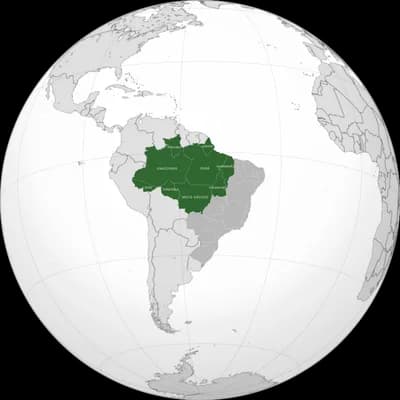
The Brazilian Amazon has lost more than 17% of its forest cover in 50 years, reducing the planet's largest rainforest's carbon-absorption capacity. The loss threatens a critical sink that stores over 100 billion metric tons of carbon, surpassing even the Congo Basin's emissions impact.
- 0

Over half of Borneo's old-growth rainforest has been destroyed by Indonesia and Malaysia's palm oil boom. This has pushed orangutans and pygmy elephants toward extinction, as 80% of the island's lowland forests have been cleared since 1970.
- 0
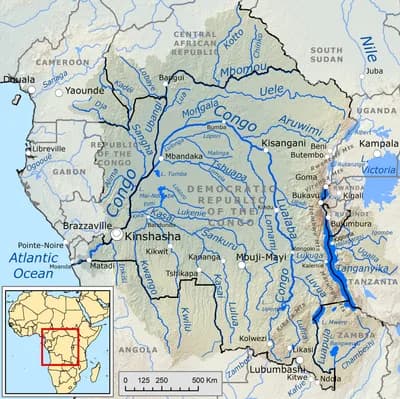
The Congo Basin Rainforest, Africa's largest tropical forest, is losing ground to small-scale agriculture and industrial logging, with the Democratic Republic of Congo accounting for 60% of the continent's tree cover loss. This hotspot has a deforestation intensity 40% lower than the Brazilian Amazon, but its annual loss of 500,000 hectares still exceeds the average for tropical regions. The basin's carbon stocks remain under threat from shifting cultivation.
- 0
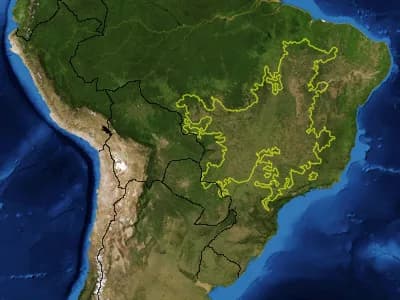
Often overshadowed by the Amazon, the Cerrado has lost nearly half its native vegetation—48%—to soy and cattle production despite having far less legal protection. Its destruction rate is 15% faster than the Congo Basin, threatening thousands of endemic species unique to this tropical savanna.
- 0
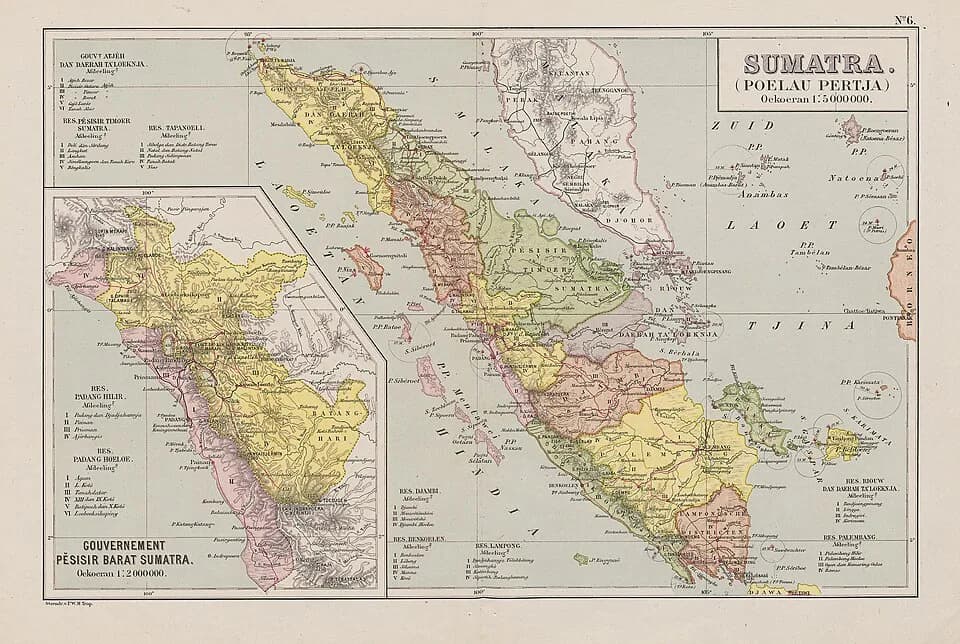
Sumatra has lost more than 50% of its forests since the 1980s due to the rapid expansion of palm oil and pulp plantations, pushing critically endangered species like tigers, rhinos, and elephants toward extinction. Less than 20% of Sumatra's original lowland rainforest remains, with 94% of the loss linked directly to agricultural conversion.
- 0
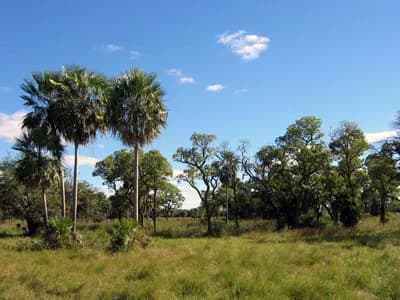
The Gran Chaco experiences one of the highest deforestation rates on Earth, with Paraguay alone losing approximately 300,000 hectares annually to cattle ranching—an area larger than Luxembourg each year. Over the past two decades, 20% of the entire Chaco forest has been cleared, primarily for soy and beef production.
- 0
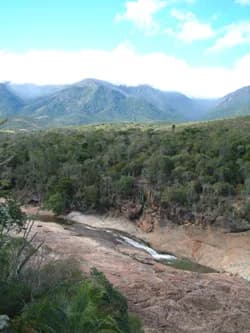
Slash-and-burn agriculture has destroyed 90% of Madagascar's original eastern rainforests, leaving only fragmented patches that shelter thousands of endemic plants and endangered lemurs. Annual forest loss still averages 1% of remaining cover, despite international conservation pledges.
- 0
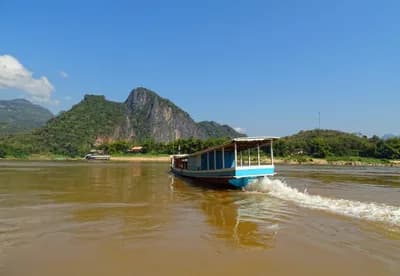
Accelerating forest loss across Cambodia, Laos, and Myanmar is driven by illegal logging, rubber plantations, and hydropower dams on the Mekong River, which together erased 2.5 million hectares between 2010 and 2020. Cambodia alone lost 12% of its forest cover in just five years, making it one of the fastest deforesters globally.
- 0
West African Forests are among the world's worst deforestation hotspots, with Ghana and Ivory Coast losing over 80% of their original forest cover. The primary driver is cocoa farming supplying the global chocolate industry, which has consumed nearly 70% of Ghana's remaining high-forest zones since 2000. Less than 2% of Ivory Coast's old-growth forest persists outside protected areas, making this the most depleted cocoa-driven ecosystem on Earth.
- 0
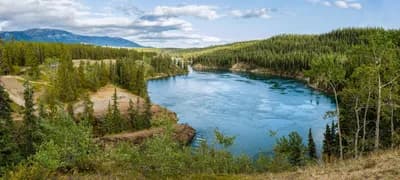
Boreal Forests of Canada lose approximately one million hectares annually to logging and mining, a pace 15% higher than the sustainable harvest rate recommended by forestry scientists. Despite this, Canada's boreal stores twice as much carbon per hectare as tropical rainforests, meaning each cleared hectare releases about 250 tons of carbon—more than the per-capita annual emissions of a Canadian citizen. The contrast is stark: a climate-critical forest hemorrhages area yearly while international attention focuses elsewhere.
Image credits
- Brazilian Amazon: Amazônia Legal / Wikipedia
- Borneo Lowland Forests: Borneo / Wikipedia
- Congo Basin Rainforest: Congo Basin / Wikipedia
- Cerrado, Brazil: Pfly / Public domain (entity-adopted)
- Sumatra, Indonesia: Gelder, W. van / CC0 (entity-adopted)
- Chaco, Paraguay and Argentina: Gran Chaco / Wikipedia
- Madagascar Eastern Rainforests: Rainforests of the Atsinanana / Wikipedia
- Mekong Region Forests: Mekong / Wikipedia
- West African Forests: West Africa / Wikipedia
- Boreal Forests of Canada: Diego Delso / Wikimedia Commons (CC BY-SA 4.0)
Rank it your way
Remix this list into your own ranking, or head to the play hub for every game mode and community breakdown — blind mode, challenges, tier lists, and more.
You Might Also Like

Top 10 Worst Environmental Disasters
worst environmental disasters in history

Top 10 Endangered Species We Could Still Save in 2026
endangered species we can still save
Top 10 Most Controversial Conservation Policies
most controversial conservation policies
Top 10 China National Parks & Nature Reserves
#1 Sanjiangyuan National Park, Qinghai · #2 Giant Panda National Park, Sichuan · #3 Northeast China Tiger & Leopard National Park

Top 10 Beaches and Islands in Taiwan in 2026
#1 Little Liuqiu Island · #2 Baisha Bay, Kenting · #3 Penghu Archipelago

Top 10 National Parks in Thailand in 2026
#1 Khao Sok National Park · #2 Erawan National Park · #3 Doi Inthanon National Park