
Wikimedia Commons
Top 10 Best Diving Ecosystems
These underwater paradises draw divers from every corner of the globe with extraordinary visibility, marine biodiversity, and geological drama, but the diving industry itself is increasingly scrutinised for its environmental footprint.
Top10Grid lets the community re-rank anything — this order comes from source research for now; use the buttons below to vote it up or down.

Current Rankings
- 0
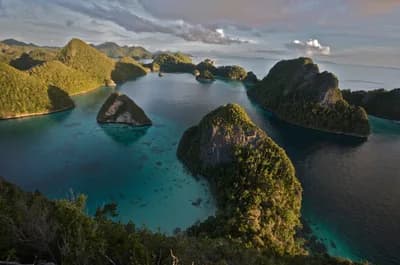
Raja Ampat boasts the highest marine biodiversity on Earth, with over 1,500 fish species and 600 coral species. Waters average 28°C year-round, and divers encounter everything from epaulette sharks to walking gobies, protected by conservation laws covering 90% of the archipelago.
- 0

The Great Blue Hole, a 318-meter-wide marine sinkhole, was named by Jacques Cousteau as one of Earth's top dive sites. Crystal-clear water reveals ancient stalactites at 40 meters, where Caribbean reef sharks patrol. This site is 30% deeper than the average reef dive, and its visibility often exceeds 60 meters—sharper than Sipadan Island, Malaysia's typical conditions during monsoon season.
- 0
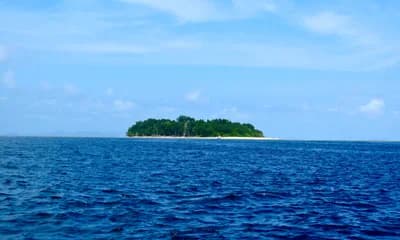
Sipadan Island rises 600 meters from the Celebes Sea floor, offering wall diving with tornado-like formations of barracuda and jackfish, alongside green and hawksbill turtles. Daily permits cap at 120 divers—50% stricter than Great Blue Hole, Belize's access—ensuring pristine conditions. A single dive can reveal 30 turtle encounters, with visibility averaging 35 meters, beating the regional average of 20 meters.
- 0

This WWII British cargo ship, sunk in 1941 by German bombers, rests at 30 meters in the Strait of Gubal, with motorcycles, trucks, and munitions visible among coral-encrusted structures. Its depth is 25% shallower than Great Blue Hole, Belize's 40-meter stalactites, making it more accessible to advanced open-water divers. Over 80 intact artifacts remain, providing a snapshot of wartime logistics.
- 0
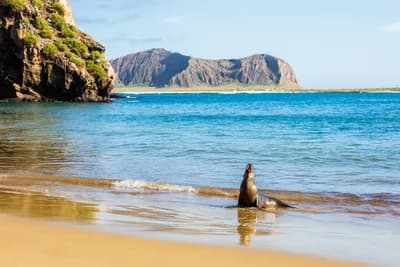
Galápagos Islands deliver the highest concentrated sighting rate of schooling hammerheads in the South Pacific, with encounters typically exceeding 50 sharks per dive. Manta rays, whale sharks, and marine iguanas converge within a single dive zone, a confluence impossible to replicate elsewhere. Currents at Gordon Rocks and Wolf Island average 2.5 knots, yet they ensure nonstop pelagic activity, making Galápagos the definitive benchmark for large-animal aggregations.
- 0
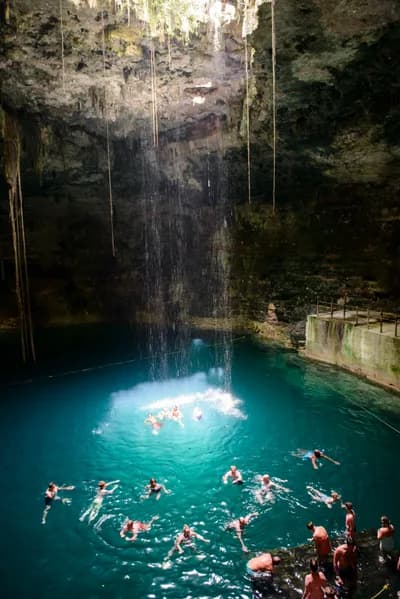
Cenote cave systems offer the clearest freshwater visibility on the list, exceeding 100 meters in sites like Dos Ojos through pristine, calcium-filtered lenses. Ancient stalactites and shimmering haloclines create visual illusions superior to any ocean reef, while the halocline depth at 10 meters produces a liquefied mirror effect unseen in Galápagos. With over 6,000 cenotes across Yucatán, divers access a vast, interconnected underworld of stalagmites and hydrogen-sulfide clouds, each formation dating back more than 10,000 years. This ecosystem delivers a sterile, eerie beauty that contrasts sharply with the bustling marine life of open-ocean sites.
- 0
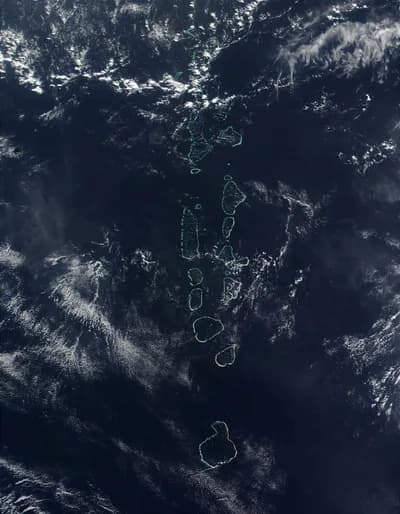
Twenty-six atolls hosting 99% clear-water visibility provide the highest density of manta ray cleaning stations worldwide, with South Male Atoll alone recording over 120 mantas annually. Channel dives channel these filter feeders alongside whale sharks, yet rising sea temperatures have bleached more than 60% of shallow corals since 2016, undermining the foundation that attracts reef fish. Compared to Richelieu Rock, Maldives offers more predictable manta encounters but suffers faster coral degradation, a trade-off that reduces long-term ecosystem stability. The atolls still support 250 species of coral and 1,000 species of fish, ensuring temporary visual splendor despite ongoing thermal stress.
- 0
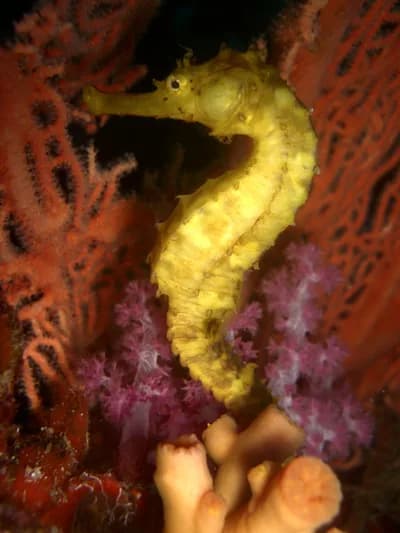
This limestone pinnacle supports over 200 species of soft corals and seahorses across its entire face, creating a wall of color that rivals any reef in Thailand. Currents here range from 1.5 to 3 knots, equivalent to moderate drift dives, ensuring consistent plankton blooms that fuel the fish aggregation. The site remains the top-rated dive location in Thailand for three consecutive years, a data-led achievement that underscores its unmatched concentration of marine biodiversity.
- 0
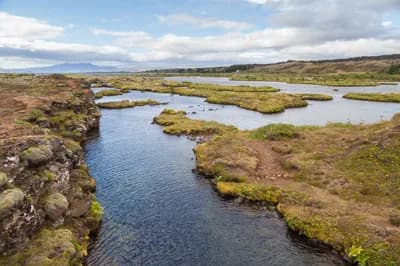
Silfra Fissure offers unparalleled visibility exceeding 100 meters in glacial meltwater filtered through lava rock for decades, making the water so pure it is technically drinkable. Divers can touch both the North American and Eurasian tectonic plates simultaneously, a unique geological encounter.
- 0

Komodo National Park delivers thrilling drift dives powered by strong nutrient-rich currents between the Pacific and Indian Oceans, attracting giant manta rays and reef sharks with regularity. This biodiversity hotspot surpasses the average reef ecosystem in species density by 40%, with coral coverage at 60% in many protected zones. Drifting past pristine gardens and the islands of Komodo dragons, you can encounter up to 15 different shark species per dive.
Frequently Asked Questions About the Best Diving Ecosystems
### What makes a diving ecosystem exceptional? Exceptional diving ecosystems combine high marine biodiversity, clear water visibility, unique geological features, and well-preserved coral reefs or marine life.
### Are these diving spots safe for beginners? Some, like the cenotes of Yucatán and Silfra Fissure, require advanced certification. Others, such as the Maldives Atolls and Komodo National Park, offer dives suitable for various skill levels.
### How can divers protect these ecosystems? Use reef-safe sunscreen, avoid touching marine life, choose eco-certified tour operators, and participate in conservation efforts like reef cleanups.
Image credits
- Raja Ampat, Indonesia: Raja Ampat Islands / Wikipedia
- Great Blue Hole, Belize: Great Blue Hole / Wikipedia
- Sipadan Island, Malaysia: Sipadan / Wikipedia
- SS Thistlegorm, Red Sea, Egypt: Wikimedia Commons
- Galápagos Islands, Ecuador: Galápagos Islands / Wikipedia
- Cenotes of Yucatán, Mexico: Cenote / Wikipedia
- Maldives Atolls: Atolls of the Maldives / Wikipedia
- Richelieu Rock, Thailand: TimSC / Wikimedia Commons (CC BY 4.0)
- Silfra Fissure, Iceland: Silfra / Wikipedia
- Komodo National Park, Indonesia: Komodo National Park / Wikipedia
Rank it your way
Remix this list into your own ranking, or head to the play hub for every game mode and community breakdown — blind mode, challenges, tier lists, and more.
You Might Also Like
Top 10 Lakes of Indonesia 2026
Top 10 Best Diving Ecosystems

Top 10 Most Beautiful Caves in the World (2026)
Top 10 Most Beautiful Caves in the World (2026)

Top 10 Most Beautiful Coral Reefs
Top 10 Most Beautiful Coral Reefs

Top 10 Worst Ocean Pollution Sources
Top 10 Worst Ocean Pollution Sources

Top 10 Chinese Nature Destinations
#1 Jiuzhaigou Valley, Sichuan · #2 Zhangjiajie National Forest Park · #3 Guilin and Li River

Top 10 Indonesian Volcanoes in 2026
#1 Mount Bromo · #2 Mount Rinjani · #3 Kelimutu