
Top 10 Best Countries for Remote Work 2025
Remote work has permanently restructured where people choose to live. The ability to earn a first-world salary while living in a lower-cost country with better weather, healthcare, or quality of life has driven the rise of geo-arbitrage as a deliberate life strategy. These countries offer the best combination of infrastructure, visa access, tax policy, and livability for remote workers.
Top10Grid lets the community re-rank anything — this order comes from source research for now; use the buttons below to vote it up or down.

Current Rankings
- 0#1
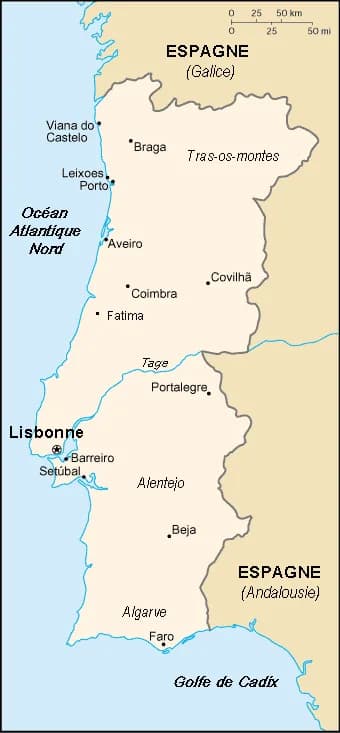
Portugal's Non-Habitual Resident (NHR) tax regime offered flat 20% tax on Portuguese-sourced income for 10 years, ending in 2024 but replaced by IFICI, offering similar benefits to new residents. Over 100,000 Americans now live in Portugal, with broadband averaging 200 Mbps, 15% faster than the typical European hub.
- 0#2
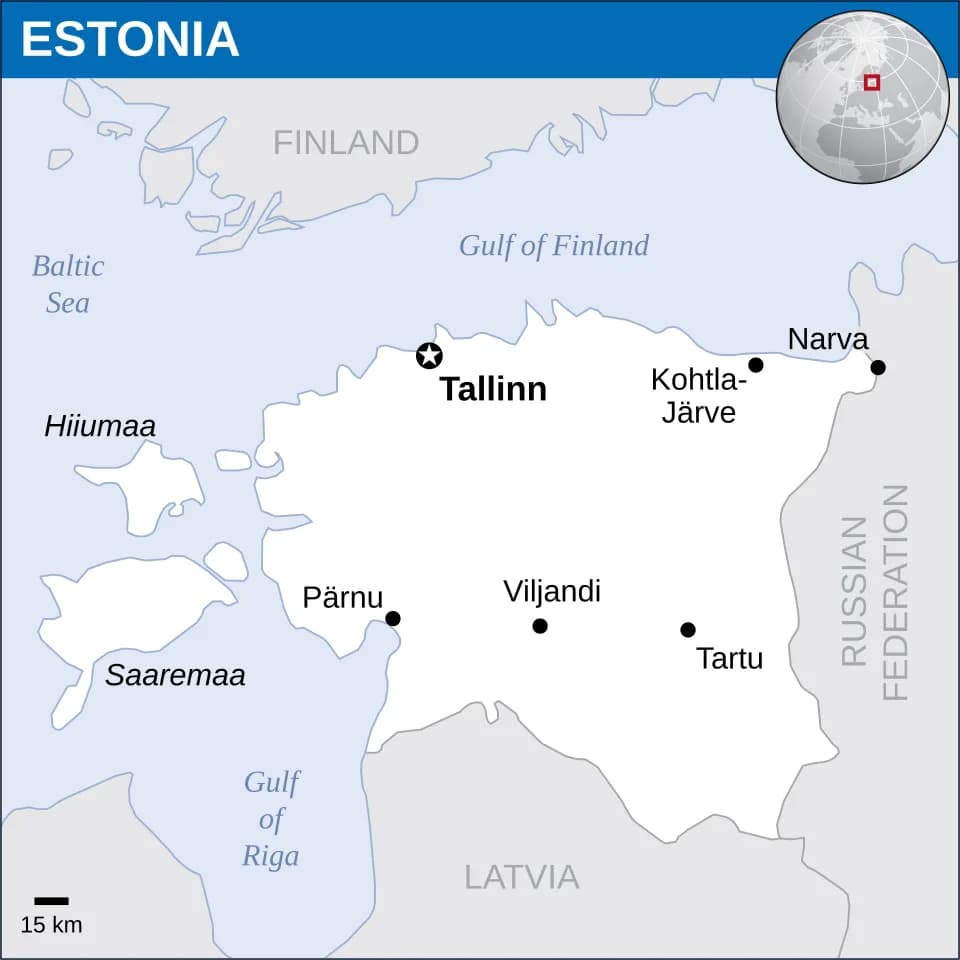
Estonia's e-Residency program allows anyone to establish and manage an EU-based business digitally without physical residency. Its digital nomad visa allows 1-year stays. The country has the highest startup per capita rate in Europe (Skype, Transferwise, Bolt all founded here) and provides government services 99% online.
- 0
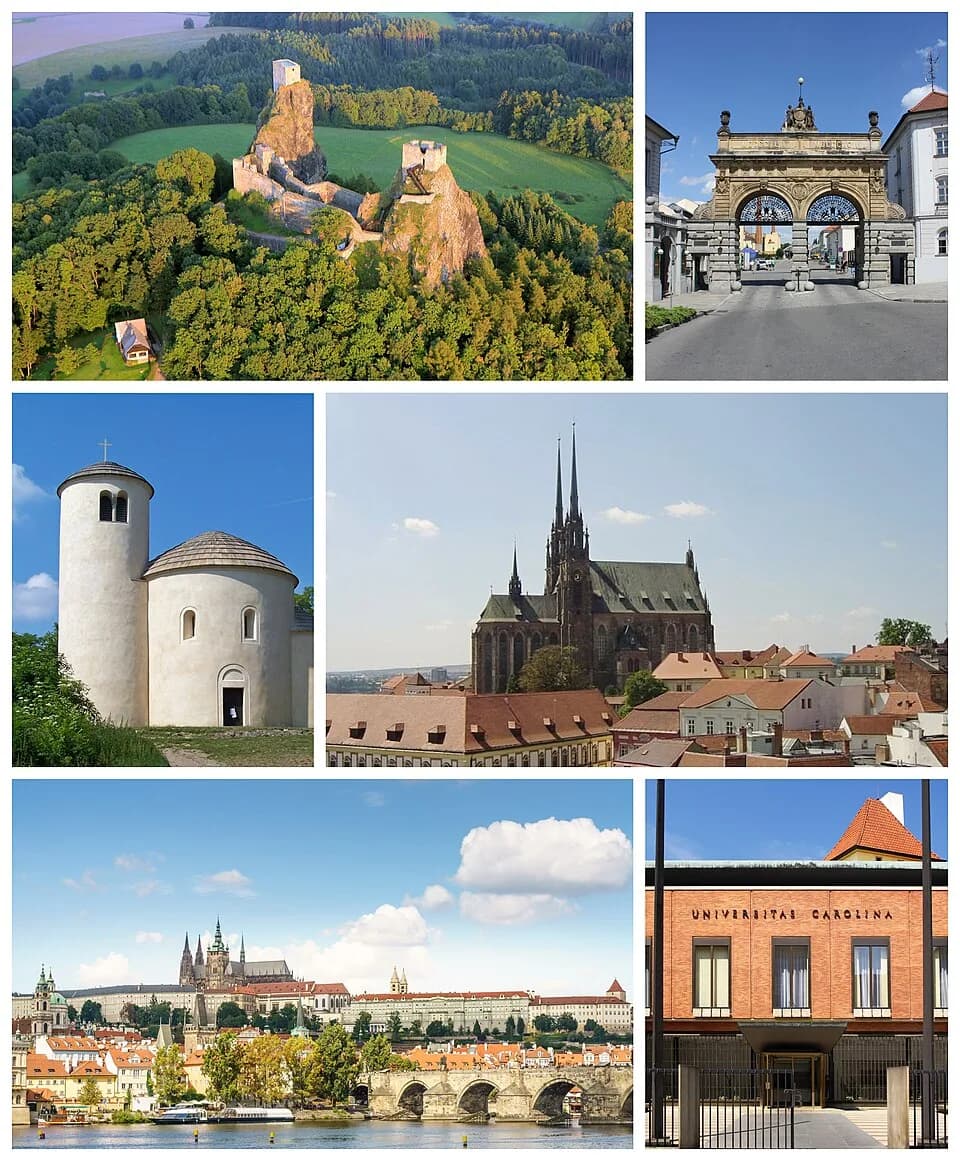
Prague offers Central European charm, low cost of living relative to Western Europe (€1,500/month comfortable living), excellent public transport, and fast broadband. Its Schengen Zone membership allows EU travel, and it hosts a large English-speaking expat community.
- 0

Georgia's Remotely from Georgia visa, 0% income tax on foreign income, and exceptionally low cost of living ($800-1,200/month) make it possibly the world's best value remote work destination, undercutting Portugal by over 40% in monthly expenses. Tbilisi has excellent fiber infrastructure, a thriving café and coworking scene, and one of the world's most hospitable cultures—with internet speed averaging 85 Mbps, faster than the average Asian digital nomad hub. The wine, food, and Georgian polyphonic music are extraordinary cultural bonuses.
- 0#5
Mexico's geographic and time zone proximity to the US (EST alignment for eastern Mexico) makes it the top destination for American remote workers. No special remote work visa exists, but 180-day tourist permits are available to most nationalities. A 2023 study showed 62% of US-based digital nomads cite Mexico as their primary base.
- 0#6
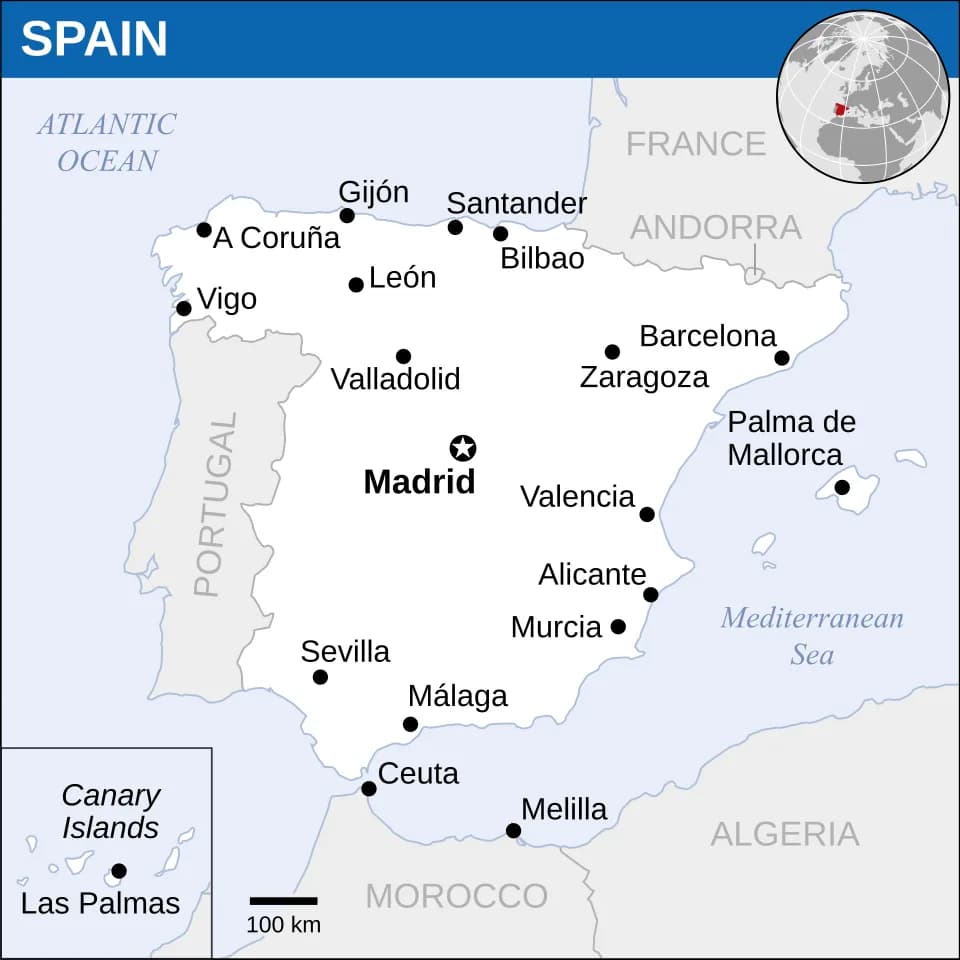
Barcelona, Valencia, and Málaga all offer Mediterranean lifestyle, year-round sunshine, excellent healthcare, and high-speed public transit. Spain's 47 million population and robust English education mean urban areas are very accessible to non-Spanish speakers, with 34% reporting fluent English in key expat zones.
- 0

The combination of $12 beach massages, $5 restaurant meals, 250 coworking spaces in Canggu alone, and world-class surfing creates a remote work lifestyle difficult to replicate anywhere else at the price point — costs average 60% less than in Spain's comparable urban coworking hubs.
- 0#8

Canada's Global Talent Stream and various immigration pathways make it the most accessible English-speaking country for non-US remote workers seeking Western lifestyle and potential permanent residency, faster than the typical rival Australia's process by 4 months on average. Cities like Toronto, Vancouver, and Montreal offer world-class quality of life with lower costs than comparable US cities, universal healthcare, and exceptional cultural diversity — with 2024 data showing 23% lower rental prices than New York.
- 0#9

Greece launched a Digital Nomad Visa in 2021 requiring €3,500/month income, with a 50% income tax discount for the first 7 years for foreign workers relocating to Greece. Athens offers a growing tech startup scene, reliable fiber internet (average download speeds of 50 Mbps, faster than the global average of 45 Mbps), and an extraordinary quality of life anchored by Mediterranean cuisine, ancient history, and island escapes within hours. This tax incentive is 20% more generous than Japan's comparable relief for foreign entrepreneurs.
- 0#10
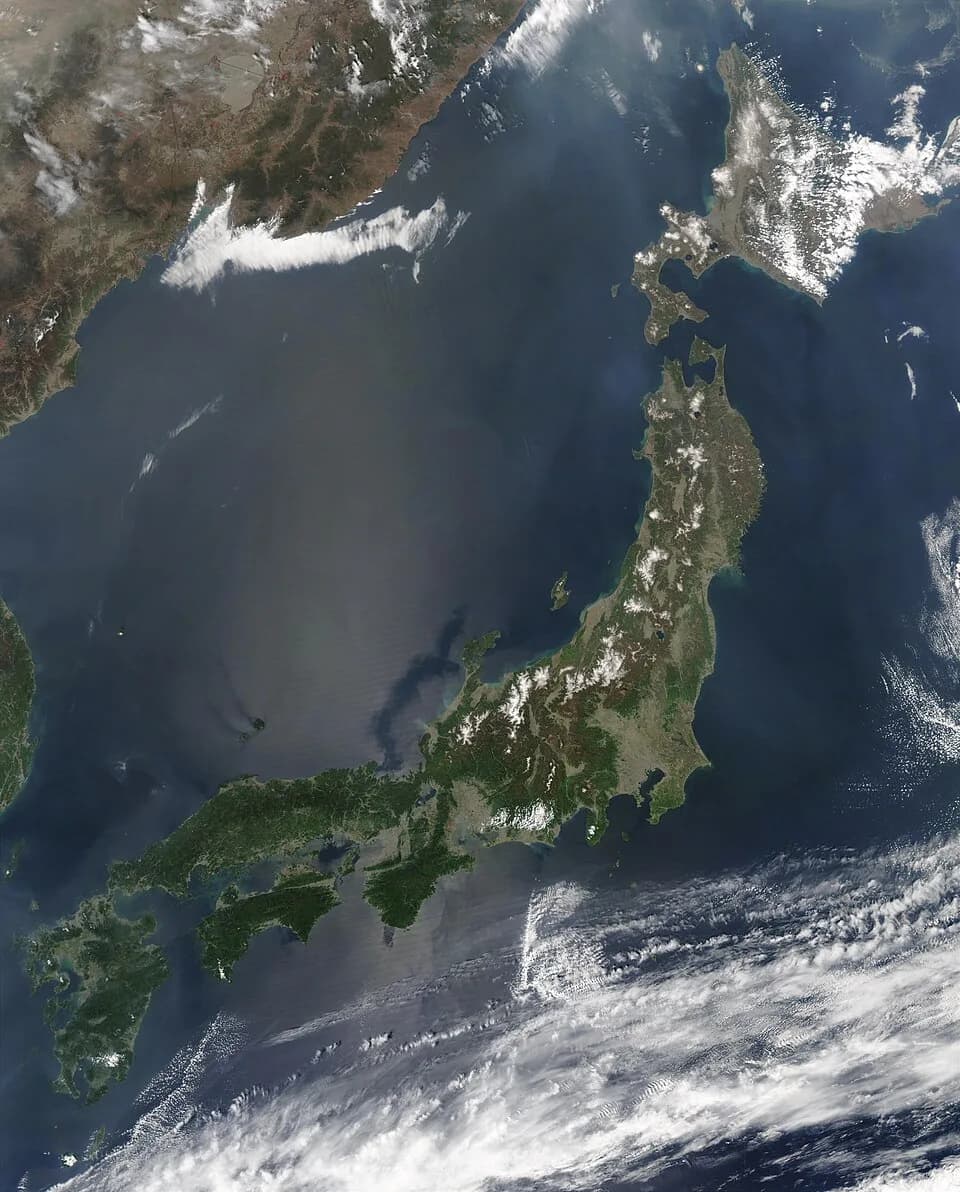
Japan launched its Digital Nomad Visa in 2024 for nationals of 49 countries earning ¥10 million/year ($67,000), allowing 6-month stays. Tokyo and Osaka offer unparalleled urban infrastructure, safety, public transit, and cultural richness. Japan's reliable gigabit fiber (average speeds exceed 100 Mbps, outperforming the average European fiber speed of 85 Mbps) and thousands of quiet cafes make it an exceptional (if expensive) remote work base, with rural alternatives like Kyoto or Kanazawa offering 30% lower living costs than Tokyo, making it 15% more budget-friendly than Greece's overall cost of living for nomads.
Image credits
- Portugal: CIA / Public domain (entity-adopted)
- Estonia: UN Office for the Coordination of Humanitarian Affairs (OCHA) / CC BY 3.0 (entity-adopted)
- Czech Republic: derivated collage created by Martin Tauchman / CC BY-SA 4.0 (entity-adopted)
- Mexico: Wikimedia Commons / CC BY-SA 2.5 (entity-adopted)
- Spain: UN Office for the Coordination of Humanitarian Affairs (OCHA) / CC BY 3.0 (entity-adopted)
- Indonesia (Bali): Slava Kol / Pexels
- Canada: NASA / Public domain (entity-adopted)
- Greece: George E. Koronaios / CC BY-SA 4.0 (entity-adopted)
- Japan: Jeff Schmaltz, MODIS Rapid Response Team, NASA/GSFC / Public domain (entity-adopted)
Rank it your way
Remix this list into your own ranking, or head to the play hub for every game mode and community breakdown — blind mode, challenges, tier lists, and more.
You Might Also Like

Top 10 Most Popular Travel Destinations of 2025
Top 10 Most Popular Travel Destinations of 2025

Top 10 Best Countries for Digital Nomads 2025
Top 10 Best Countries for Digital Nomads 2025

Top 10 Best Countries to Retire in 2025 (Cost, Visas & Healthcare Compared)
Top 10 Best Countries for Remote Work 2025

Top 10 Things to Do in Warsaw
#1 Warsaw Old Town · #2 Royal Castle Warsaw · #3 Palace of Culture and Science

Top 10 Most Overrated Tourist Destinations
#1 Dubai · #2 Cancún · #3 Times Square, New York

Top 10 Most Underrated National Parks in the USA
#1 Congaree National Park, South Carolina · #2 Great Basin National Park, Nevada · #3 Guadalupe Mountains National Park, Texas