
Top 10 Budget Summer Travel Destinations Under $75 Per Night in 2026
Ten destinations, spanning Southern and Eastern Europe, Southeast Asia, North Africa, and Latin America, where a private room routinely runs under $75 a night in peak summer season — without giving up beaches, culture, or good food. The mix ranges from established backpacker circuits to destinations that have only recently shown up on budget travelers' radar.
Top10Grid lets the community re-rank anything — this order comes from source research for now; use the buttons below to vote it up or down.

Compare by Dimension
How far under the $75/night ceiling the best available accommodation falls, and what quality that price secures — dorm beds, guesthouses, or boutique rooms
| Rank | Item | Score | Notes |
|---|---|---|---|
| #1 | Tbilisi, Georgia | 10.0 | Tbilisi's $7 to $15 hostel dorms and $15 to $30 private guesthouses with breakfast represent the best accommodation value-to-quality ratio on this entire list. |
| #2 | Vietnam — Hanoi, Ho Chi Minh City, and Hoi An | 10.0 | Vietnam's $5 to $12 hostel dorms are the global floor price for a tourism-mature destination, with private rooms at $15 to $30 easily under the $75 threshold. |
| #3 | Albania — Tirana and Durres | 9.0 | Albania's $27/night hotel floor is the lowest in the Mediterranean, making it the best-value beach destination relative to comparable European coastlines. |
| #4 | Thailand — Chiang Mai, Koh Chang, and Bangkok | 9.0 | Thailand's 400 to 700 THB hostel beds ($11 to $20) and $35 to $60 guesthouses land comfortably under $75 with outstanding quality for the price. |
| #5 | Marrakech, Morocco | 9.0 | Marrakech riads from $23 to $43 per night provide authentic courtyard accommodation at below-hostel prices with breakfast — extraordinary value for the experience. |
| #6 | Bulgaria — Sofia and the Black Sea Coast | 9.0 | Bulgaria's €25 to €50 Black Sea beach rooms and €15 to €30 Bansko offseason stays earn Euronews' designation as Europe's cheapest destination in 2026. |
| #7 | Bali, Indonesia | 8.0 | Bali boutique pool hotels run $35 to $50 per night — excellent quality at these prices, but 15 to 25% more expensive than Thailand for equivalent rooms. |
| #8 | Lisbon, Portugal | 7.0 | Lisbon guesthouses from €60/night undercut Barcelona by 21% but are not the cheapest on this list — budget is reachable without extreme sacrifice. |
| #9 | Budapest, Hungary | 7.0 | Budapest hostels start under $25 in the Jewish Quarter, and spa hotels near Széchenyi run $68 to $128 — solidly within the $75 ceiling for dorms and budget hotels. |
| #10 | Mexico — Bacalar, Playa del Carmen, and Mexico City | 7.0 | Mexico hostels at $10 to $18/night are affordable but not exceptional compared to Southeast Asia; the value argument is driven by flight savings, not nightly rates. |
Current Rankings
- 0

Lisbon remains the benchmark for budget summer travel in Western Europe in 2026, offering a rare combination of authentic culture, world-class gastronomy, and accommodation pricing that still undercuts Barcelona by 21% for three-star hotels (average €158 versus €201 per night). For budget travelers, the math gets even better: private guesthouse rooms in neighborhoods like Mouraria and Intendente run €60 to €100 per night, while the city's extensive network of well-reviewed hostels delivers dorm beds from €18 to €30. August peaks push central Baixa and Príncipe Real hotel rates to €100 to €180 per night — an 80% premium over February — but strategic neighborhood choices and early booking (before May 15) routinely cut those figures by 30 to 50 percent. Lisbon's affordability extends far beyond the bed. The city's famous Carris tram and metro system charges a flat €1.65 per ride or €10.65 for a 24-hour unlimited pass. The Museu Nacional do Azulejo, one of Europe's most visually distinctive cultural institutions, charges €10 admission. The iconic Pastéis de Belém tarts — arguably the most famous pastry in Europe — cost €1.30 each. A full sit-down lunch at a traditional tasca (restaurant) in the Alfama neighborhood rarely exceeds €10 to €15 including wine. Day trips add exceptional value: the UNESCO-listed palaces of Sintra are reachable by train for €4.60 return from Rossio station. The Arrábida Natural Park coastline — consistently ranked among Europe's most pristine beaches — is a 45-minute bus ride from downtown. Lisbon's daily all-in budget for a mid-range traveler runs €40 to €60 including accommodation, meals, transit, and one or two attractions. The combination of a safe, walkable city center, 300+ days of sunshine annually, a vibrant arts and music scene anchored by fado traditions dating to the 1820s, and genuine neighborhood character makes Lisbon the strongest value proposition in Western Europe for summer 2026.
- 0

Albania is the travel story of summer 2026, and serious budget travelers are paying attention. Hotels in both Tirana (the capital) and Durres (the Adriatic coastal hub) start from $27 per night. The accommodation infrastructure has expanded dramatically: Durres alone lists over 620 hotels for 2026 bookings, while Tirana offers 817 properties across budget, mid-range, and luxury tiers. The destination's growth trajectory accelerated in 2026 with the opening of the Crowne Plaza Durres — a full-service 5-star property featuring an indoor pool, spa, and casino — signaling that international hotel brands are now betting on Albanian tourism growth. This new luxury anchor sits alongside established budget options, giving the destination a rare mix of price points. The Roman Amphitheatre in Durres, the second largest in the Balkans (dating to the 1st century AD), is accessible for under €5 admission. Skanderbeg Square in Tirana anchors a walkable old city center with the Bunk'Art museums (former Cold War nuclear bunker converted to contemporary art space) drawing significant critical attention since their 2014 opening. Golem Beach, located eight miles from Durres, stretches along the Adriatic with a summer season running June through August. The coastline combines sandy beaches with clear water temperatures averaging 24°C to 27°C in July. Inland, the UNESCO-listed city of Berat (the 'city of a thousand windows') is a three-hour bus ride from Tirana for approximately €5. Daily all-in budgets run €35 to €80, including accommodation, meals, and local transport. The Albanian lek trades favorably against most major currencies, and meal prices (grilled fish €7 to €12, traditional taverna lunch €4 to €8) mirror their Balkan neighbors rather than Western Mediterranean pricing.
- 0

Budapest offers a proposition unique in European travel: a UNESCO World Heritage city — the Buda Castle district, the Parliament building, and the entire Danube bank are all on the list — where the signature experience (thermal baths dating to the Ottoman occupation in the 16th century) costs €45 to €50 per person. Accommodation near the famous Széchenyi Bath in the City Park district runs $68 to $128 per night for spa hotels, while budget hostels in the Jewish Quarter (the ruin bar neighborhood) start under $25 per night for dorms. Széchenyi, built in 1913 and expanded multiple times, is the largest medicinal bath complex in Europe, operating 18 pools including three outdoor thermal pools maintained at 36°C to 38°C year-round. Weekday entry is 13,200 HUF (approximately €45 in 2026); weekend pricing rises to 14,800 HUF (approximately €50). Summer crowds mean 30 to 45 minute wait times during peak hours (10 AM to 5 PM), making weekday morning visits before 10 AM the strategic choice. Rudas Bath, dating to 1566 during the Ottoman period, offers a historic alternative with a rooftop panoramic pool for similar pricing. Budapest's ruin bars — a cultural phenomenon originating with the opening of Szimpla Kert in 2001 in a decaying Jewish Quarter building — have become defining nightlife experiences attracting Gen Z travelers from across Europe. The Great Market Hall (Nagycsarnok), built in 1896, sells Hungarian paprika, embroidery, and langos (fried dough with toppings) for €2 to €4. The city's daily budget runs €40 to €65 including accommodation, two meals, thermal bath entry, and transit. The Hungarian forint (HUF) has maintained weak positioning against EUR and USD through early 2026, sustaining purchasing power advantages for foreign visitors.
- 0

Tbilisi, the capital of Georgia (the country, not the US state), represents the most extreme value-for-experience ratio on this entire list. Hostel dormitories in the Old Town neighborhood of Kala run $7 to $15 per night — prices that have not been seen in Western Europe since the 1990s. Private guesthouses with included breakfast, run by local families in restored Soviet-era buildings, charge $15 to $30 per night. Mid-range hotels with rooftop terraces overlooking the Mtkvari River and the Narikala Fortress (a 4th-century citadel) run $50 to $125 per night. The peak summer season (June through August) does push prices 20 to 40 percent above spring and autumn levels, making April through May and October through November the optimal budget travel windows. However, even at peak summer rates, Tbilisi accommodation routinely comes in under $75 per night for private rooms — keeping it comfortably within this list's threshold. Georgia's wine culture is one of the world's oldest, with archaeological evidence of winemaking dating to 6,000 BC in the Kakheti region (a 90-minute marshrutka minibus ride from Tbilisi for approximately $3). The Kakheti wine trail hosts tastings at family estates for $5 to $15. Tbilisi's Fabrika complex — a former Soviet sewing factory converted into a coworking, hostel, and food hall in 2016 — anchors the city's digital nomad scene, with hot-desk coworking memberships running $80 to $150 per month. The Georgian lari (GEL) trades at approximately 2.7 to 3.0 per USD in 2026, creating sustained purchasing power advantages. Street food (khinkali dumplings, $0.50 each; churchkhela walnut-grape candy, $1 to $2) keeps daily food budgets under $15 for travelers willing to eat locally.
- 0

Vietnam is the global benchmark for budget travel in 2026, full stop. Hostel dormitory beds range from $5 to $12 per night across all three major tourist cities — Hanoi in the north, Ho Chi Minh City in the south, and the ancient trading port of Hoi An in the center. Budget guesthouses charging $15 to $30 per night for clean private rooms are ubiquitous. Even mid-range hotels with pools and breakfast rarely exceed $35 to $70 per night in 2026. The Vietnamese dong trades at approximately 24,000 VND per USD in 2026, representing the strongest purchasing power advantage of any major tourist destination in Southeast Asia. Street food economics are extraordinary: a bowl of pho (the national noodle soup) in Hanoi runs 30,000 to 50,000 VND ($1.25 to $2.10). A banh mi sandwich costs 15,000 to 25,000 VND ($0.65 to $1.05). A fresh beer (bia hoi) at a Hanoi sidewalk stall costs 5,000 VND ($0.21). Ultra-budget backpackers sustain daily budgets of $20 to $35 including accommodation; mid-range travelers spend $45 to $95 with private rooms, occasional tours, and restaurant meals. Vietnam's attractions justify its top-five ranking beyond mere affordability. Ha Long Bay's 1,969 limestone karst islands (UNESCO World Heritage since 1994) are accessible via overnight cruise from Hanoi for $60 to $150 per person including meals and kayaking. Hoi An Ancient Town (UNESCO since 1999) is one of Southeast Asia's best-preserved trading ports, with lantern festivals on the 14th of each lunar month drawing thousands. The Cu Chi Tunnels near Ho Chi Minh City (a 200-kilometer tunnel network used during the Vietnam War) charge $8 entry. Vietnam's e-visa system allows 90-day stays for citizens of dozens of countries, including the US, UK, and EU member states, at $25 per application.
- 0

Thailand is the world's most developed and accessible budget travel ecosystem, built on 40+ years of backpacker infrastructure investment. In 2026, hostels in Bangkok's Khao San Road district and Chiang Mai's Nimman Road area run 400 to 700 THB per night ($11 to $20 USD at the approximate 2026 rate of 35 THB per dollar). Mid-range guesthouses and boutique hotels charge 1,200 to 2,200 THB per night ($35 to $60), well within this list's $75 threshold while offering air conditioning, pools, and breakfast. Chiang Mai is the standout value destination within Thailand. The city's moated Old City district contains over 300 Buddhist temples (wats), including Wat Chedi Luang (built in 1391 and still partially intact after a 1545 earthquake) and Wat Phra Singh (housing a revered 14th-century Buddha image). Temple admission is free or 20 THB ($0.60). Thai massage treatments in licensed parlors on Loi Kroh Road run 150 to 250 THB ($4.30 to $7.15) for one hour. Muay Thai boxing lessons at Lanna Muay Thai gym cost 300 THB ($8.60) per session. Cooking classes at respected schools like Thai Farm Cooking School run 1,000 to 1,500 THB ($28 to $43) for a full-day course including market visit and recipe booklet. Koh Chang, in eastern Thailand near the Cambodian border, offers tropical beach accommodation starting at 1,100 THB ($31) per day including hostel beds at $3, beach bungalows at $15, and meals at $1.50 for street food. Bangkok's Chatuchak Weekend Market (operating Saturdays and Sundays, over 15,000 stalls) and the Temple of the Emerald Buddha (admission free with Wat Phra Kaew temple complex ticket at 500 THB/$14.30) anchor the capital. Thailand's 30-day visa-exempt entry for most Western nationals and easy 60-day tourist visa extensions make it ideal for longer stays.
- 0

Bali is the world's most photographed budget destination in 2026, and for good reason: the island simultaneously delivers genuine cultural richness (over 20,000 Hindu temples, traditional Kecak fire dances, intricate wood-carving villages), wellness infrastructure (yoga retreats, Balinese massage from $8 to $20 per hour), and accommodation pricing that — while 15 to 25 percent higher than Thailand — still keeps travelers comfortably under the $75 per night threshold in most areas. Hostel dormitories in the traveler districts of Canggu, Ubud, and Seminyak run $8 to $15 per night in 2026. Boutique hotels in Ubud and Canggu — the areas most popular with digital nomads and wellness travelers — charge $35 to $50 per night for properties with pools, jungle views, and twice-daily housekeeping. The rice terraces of Tegallalang (UNESCO consideration pending) and Jatiluwih (UNESCO Subak irrigation landscape, designated 2012) are among Bali's most photographed landscapes; entry fees run $2 to $5. Bali's coworking ecosystem is among Southeast Asia's most developed. Dojo Bali in Canggu (opened 2015) offers daily hot-desk passes for $18 and monthly memberships for $230. Outpost Ubud provides jungle coworking from $15 per day. The island's wellness economy — which draws an estimated 6 million international visitors annually — supports hundreds of yoga studios charging $8 to $15 per drop-in class and traditional Balinese healing practitioners (balians) offering two-hour sessions for $30 to $60. Bali's cuisine runs the full budget spectrum: nasi goreng (fried rice) at a warung (local eatery) costs 25,000 to 40,000 IDR ($1.55 to $2.50). A poolside smoothie bowl at a Canggu cafe runs 65,000 to 90,000 IDR ($4 to $5.60). Indonesian citizens of visa-exempt countries enjoy 30-day free entry, extendable to 60 days for $35.
- 0

Marrakech is the gateway to Africa for European budget travelers in 2026, offering a cultural experience radically different from any European destination at price points that rival Eastern European hostels. Budget riads — traditional Moroccan courtyard houses, typically in the labyrinthine Medina — run $23 to $43 per night for private rooms, often including breakfast of msemen flatbreads, argan oil, and mint tea. Mid-range riads charge $80 to $120 per night. The paradox of Marrakech pricing is that July and August — peak summer in Europe — actually see notably lower hotel rates than the rest of the year, due to the extreme heat (40°C+ regularly recorded in July) that discourages casual European visitors. This heat dynamic creates an unusual opportunity: travelers who can handle summer temperatures (shade, early morning and late evening activity scheduling, afternoon riad pool time) access Marrakech's full cultural offering at peak-season pricing discounts. The UNESCO-listed Medina of Marrakech (inscribed 1985) surrounds Jemaa el-Fnaa square, a UNESCO Intangible Cultural Heritage site where snake charmers, storytellers, and food vendors create a living theater free to watch. Admission to the Bahia Palace (late 19th century, 160 rooms) costs 70 MAD ($7); the Saadian Tombs (16th century royal necropolis, rediscovered in 1917) charge 70 MAD ($7). The Majorelle Garden, restored by Yves Saint Laurent and Pierre Bergé in 1980, charges 150 MAD ($15) including the Berber Museum. The Atlas Mountains — with the village of Imlil at the trailhead for North Africa's highest peak, Jebel Toubkal (4,167m) — are a 90-minute taxi or minibus ride from Marrakech for approximately $25 to $40 return. Street food in the Medina runs $1 to $3 for harira soup, kefta skewers, and fresh-squeezed orange juice (famously $0.50 per glass at Jemaa el-Fnaa). The Moroccan dirham trades at approximately 10 MAD per USD in 2026.
- 0

Mexico is the dominant budget travel choice for North American travelers in summer 2026, driven by a combination of proximity (saving $1,200 to $1,500 in transatlantic airfare), favorable exchange rates (the Mexican peso continues to strengthen the purchasing power of USD in many categories), and the emergence of lesser-known destinations like Bacalar that are dramatically cheaper than established Cancun resort zones. Hostel dorm beds across Mexico run $10 to $18 per night. Budget hotels with private rooms and air conditioning charge $25 to $50 per night. A daily budget of $40 to $60 sustains a comfortable backpacker experience; mid-range travelers spend $80 to $150 per day with guided tours and restaurants. The real cost advantage emerges when comparing flight costs: domestic US roundtrip airfares to Mexico (averaging $383 in 2026) versus Western European destinations ($1,700 to $2,100 roundtrip for Paris, Rome, or London). This $1,300 to $1,700 flight saving subsidizes a full week of premium accommodation or extends a budget trip by two additional weeks. Bacalar, a small town in Quintana Roo four hours south of Cancun, centers on the Laguna de Bacalar — nicknamed the 'Lake of Seven Colors' for its distinctly colored turquoise shallows over white limestone sand. Kayaking rentals on the lagoon cost $5 to $10 per hour. A Bacalar hostel bed in a lakeside property runs $12 to $20 per night. Tacos from street vendors cost $0.75 to $1.50 each. Playa del Carmen provides a mid-range beach alternative with its Quinta Avenida pedestrian shopping strip, cenote diving ($35 to $60 per dive), and ferry access to Cozumel ($12 return). Mexico City's cultural density — the National Museum of Anthropology (admission 95 MXN/$5), the Frida Kahlo Museum ($9), Teotihuacan pyramids ($5) — is unmatched in the Americas at this price point. Mexico grants visa-free entry for up to 180 days for US, Canadian, and EU citizens.
- 0
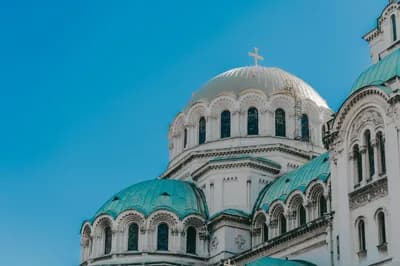
Bulgaria holds the title of Europe's most affordable destination for summer 2026 according to Euronews analysis — a claim supported by accommodation data showing budget hotels in Sofia running $25 to $50 per night and Black Sea beach resort towns charging €25 to €50 per night for private rooms. Bansko, the ski town that transforms into a hiking and mountain biking hub in summer, lists accommodation from €15 to €30 per night during the off-peak July and August months. Sofia's daily all-in budget runs €30 to €40 including accommodation, meals, and activities — making it genuinely the cheapest capital city experience in the European Union or its immediate neighborhood. The city's food scene reflects its Eastern European identity: a full lunch at a Bulgarian kafene restaurant typically costs €5 to €8. A 500ml local Zagorka or Kamenitza beer costs €1.50 to €2. A Sofia urban transport day pass costs €2 (the best-value public transport in any EU-adjacent capital in 2026). Bulgaria's cultural offering for its price point is exceptional. The Rila Monastery (founded 10th century, UNESCO World Heritage since 1983) sits in a mountain valley 120km south of Sofia, reachable by bus for €6 to €8 return and charging no admission. The Plovdiv Old Town, a pedestrianized neighborhood of National Revival period architecture dating to the 18th and 19th centuries, is one of Eastern Europe's most beautiful historic districts and is free to explore. Plovdiv served as European Capital of Culture in 2019, leaving behind a revitalized arts infrastructure. The Black Sea coast, anchored by resorts Sunny Beach and Golden Sands, offers sandy beaches comparable in quality to the Greek islands at 60% of equivalent Greek pricing. Varna, Bulgaria's Black Sea capital, operates a busy summer season with accommodation from €30 per night and beachfront restaurants serving fresh fish for €6 to €10 per plate.
Frequently Asked Questions About Budget Summer Travel in 2026
What does 'under $75 per night' mean for these destinations? The $75 figure refers to the average nightly cost of a private room in a well-reviewed guesthouse or budget hotel. Hostels and dorm beds are available at most of these destinations for $10–$25 per night, bringing the per-night cost even lower for solo travelers.
Which destination on this list is the absolute cheapest overall? Vietnam and Albania consistently rank lowest for the full daily travel budget — accommodation, food, local transport, and activities combined — with all-in daily costs as low as $25–$40 possible in Vietnam and $35–$55 in Albania during summer 2026.
Do I need a visa to visit these budget destinations? Visa requirements vary by passport. EU and US passport holders can enter most European destinations on this list (Portugal, Hungary, Georgia, Bulgaria) visa-free for stays up to 90 days. Vietnam, Thailand, and Indonesia require an e-visa or visa-on-arrival for most nationalities — check your government's travel portal before booking.
When should I book flights to get the best summer 2026 fares? For European destinations (Lisbon, Budapest, Sofia), budget airfare is typically cheapest 6–10 weeks before departure. For Southeast Asia (Vietnam, Thailand, Bali), booking 8–12 weeks in advance tends to yield the strongest fares.
What These Ten Destinations Actually Have in Common
Group these ten by region and a clearer pattern shows up than the list order suggests. Vietnam, Thailand, and Bali represent Southeast Asia's long-running backpacker circuit — mature hostel networks, well-worn traveler routes, and an economy genuinely built around budget tourism over decades. Albania, Bulgaria, and Georgia are a newer, less-discovered cluster: Eastern European and Caucasus destinations riding a wave of attention as travelers priced out of Western Europe look for a Mediterranean or Black Sea alternative that still feels like a find rather than a well-worn trail. Lisbon and Budapest sit apart from both groups — genuine Western/Central European capitals that happen to be more affordable than their peers, rather than budget destinations in the traditional backpacker sense. And Marrakech and Mexico each anchor a different continent's easiest, most accessible budget entry point: Morocco for travelers wanting North Africa without a long-haul commitment, Mexico for North Americans wanting a real trip on a short flight.
Booking Timing Matters More Than the Destination Does
Within any one of these ten places, when you book usually moves the price more than which specific neighborhood or hotel you pick. Summer accommodation in almost every travel market gets more expensive the closer you get to peak-season dates, and it eases up again toward the edges of the season — early June or late August tend to be calmer and cheaper than the height of July almost everywhere on this list. Weekday arrivals are also routinely cheaper than weekend arrivals at hostels and budget hotels, since that's when leisure demand peaks. None of that is specific to any one destination here — it's just how seasonal, price-sensitive travel markets behave, and it matters more than most guides give it credit for.
Image credits
- Bulgaria — Sofia and the Black Sea Coast: Uiliam Nörnberg / Pexels
Related Videos
Rank it your way
Remix this list into your own ranking, or head to the play hub for every game mode and community breakdown — blind mode, challenges, tier lists, and more.
You Might Also Like

Top 10 Most Popular Travel Destinations of 2025
Top 10 Most Popular Travel Destinations of 2025

Top 10 Solo Travel Destinations Where You'll Never Feel Alone
Top 10 Solo Travel Destinations Where You'll Never Feel A...

Top 10 Glowcation Destinations for 2026: Where Beauty Meets Travel
explore destinations where beauty meets travel
Top 15 Shenzhen Hidden Gems for Families 2026
#1 Dapeng Ancient City (大鹏所城) · #2 OCT East Resort (东部华侨城) · #3 Xiaomeisha Beach Resort (小梅沙海滨旅游区)

Top 10 Tips for First-Time Visitors to Japan
#1 Buy a JR Pass or IC Card for Trains · #2 Learn Basic Etiquette & Customs · #3 Download Google Maps & Transit App

Top 10 Hill Stations in India 2026
#1 Shimla · #2 Manali · #3 Darjeeling