Bulgaria — Sofia and the Black Sea Coast
Bulgaria holds the title of Europe's most affordable destination for summer 2026 according to Euronews analysis — a claim supported by accommodation data showing budget hotels in Sofia running $25 to $50 per night and Black Sea beach resort towns charging €25 to €50 per night for private rooms. Bansko, the ski town that transforms into a hiking and mountain biking hub in summer, lists accommodation from €15 to €30 per night during the off-peak July and August months. Sofia's daily all-in budget runs €30 to €40 including accommodation, meals, and activities — making it genuinely the cheapest capital city experience in the European Union or its immediate neighborhood. The city's food scene reflects its Eastern European identity: a full lunch at a Bulgarian kafene restaurant typically costs €5 to €8. A 500ml local Zagorka or Kamenitza beer costs €1.50 to €2. A Sofia urban transport day pass costs €2 (the best-value public transport in any EU-adjacent capital in 2026). Bulgaria's cultural offering for its price point is exceptional. The Rila Monastery (founded 10th century, UNESCO World Heritage since 1983) sits in a mountain valley 120km south of Sofia, reachable by bus for €6 to €8 return and charging no admission. The Plovdiv Old Town, a pedestrianized neighborhood of National Revival period architecture dating to the 18th and 19th centuries, is one of Eastern Europe's most beautiful historic districts and is free to explore. Plovdiv served as European Capital of Culture in 2019, leaving behind a revitalized arts infrastructure. The Black Sea coast, anchored by resorts Sunny Beach and Golden Sands, offers sandy beaches comparable in quality to the Greek islands at 60% of equivalent Greek pricing. Varna, Bulgaria's Black Sea capital, operates a busy summer season with accommodation from €30 per night and beachfront restaurants serving fresh fish for €6 to €10 per plate.
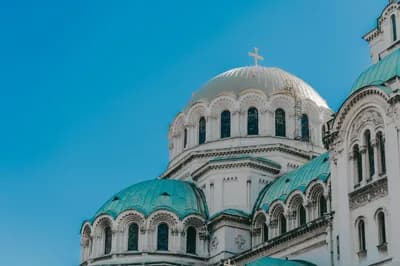
Photos (1)
Comments on "Bulgaria — Sofia and the Black Sea Coast"
Have a take on this ranking?
Save your rankings and see how you compare. Comments are how the argument actually happens here. Posting one needs a free account — it takes about a minute.
No comments yet.
The first comment sets the terms of the argument.