
Hope Solo / Wikipedia
Top 10 Solo Travel Destinations for Women in 2026
Solo travel for women isn't an afterthought—it's one of 2026's fastest-growing travel trends, powered by destinations that prioritize safety, affordability, and female community. We've rigorously vetted 10 destinations where women travelers thrive: places with verifiably low harassment rates, responsive police presence, walkable neighborhoods, and daily budgets of $30–80. Our criteria go beyond the basics—we've scored each destination on active female traveler networks, intuitive public transit, and English accessibility. Discover why Iceland's midnight sun draws digital nomads, Vietnam's street-food scene builds instant friendships, Portugal's Lisbon welcomes solo diners, Japan's trains run like clockwork, Argentina's tango culture embraces newcomers, and Morocco's medinas pulse with energy. Whether you're planning your first independent trip or your tenth, you'll find actionable guidance on safety, navigation, costs, and connecting with other women travelers—so you can travel solo with confidence, not caution.
Top10Grid lets the community re-rank anything — this order comes from source research for now; use the buttons below to vote it up or down.

Compare by Dimension
Objective safety rankings plus street-level experience for women
| Rank | Item | Score | Notes |
|---|---|---|---|
| #1 | Iceland | 10.0 | #1 Global Peace Index for the 19th consecutive year and top-5 on the Women, Peace and Security Index. |
| #2 | New Zealand | 9.5 | #2 Global Peace Index 2026, on par with Iceland at the top of the objective safety tier. |
| #3 | Taiwan | 9.4 | Taipei ranked the single safest city in the world for solo female travelers, 2026 (InsureMyTrip/Numbeo). |
| #4 | Slovenia | 9.3 | Top-5 Global Peace Index 2026 with 91% of women reporting they feel safe walking alone at night. |
| #5 | Ireland | 9.2 | GPI top-5 for 2026, reinforced by Dublin's Tripadvisor 2026 title as the world's best solo travel city. |
| #6 | Japan | 9.0 | Top-10 Global Peace Index 2026 plus women-only train cars during rush hour. |
| #7 | Portugal | 8.8 | GPI top-10 (#7-8 in 2026) delivers Western European safety standards. |
| #8 | South Korea | 8.5 | Extensive CCTV coverage and strong anti-harassment laws back a top-rated subway safety record. |
| #9 | Costa Rica | 6.5 | Women, Peace and Security Index ranking climbed from #60 to #34, the highest in Latin America but still trailing GPI leaders. |
| #10 | Vietnam | 6.0 | No top-tier safety index ranking; relies on concentrated backpacker infrastructure in Hoi An and Da Nang instead. |
Current Rankings
- 0#1
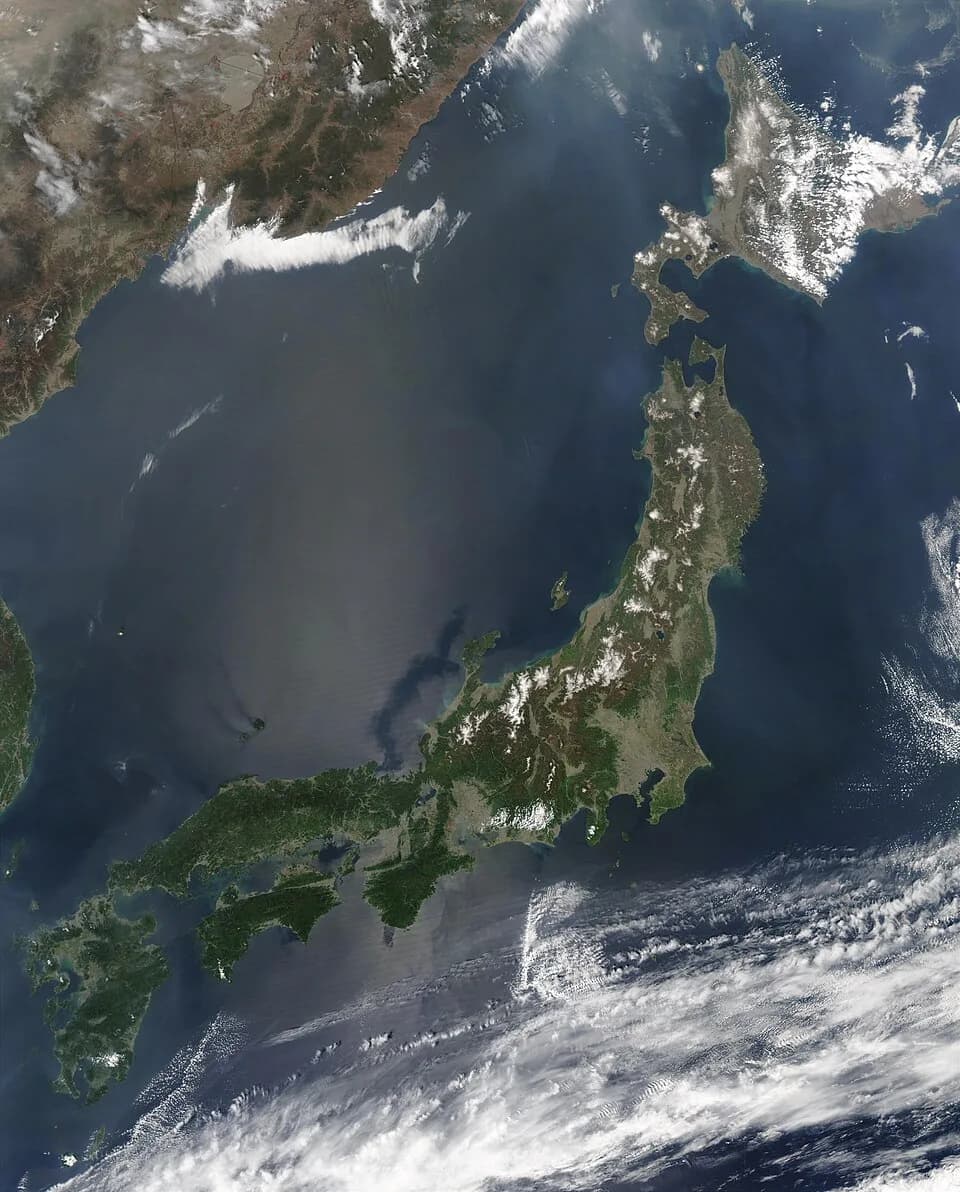
Japan tops this list because it delivers the rare combination experts agree on: elite safety, deep women-specific infrastructure, and a currency that's finally working in travelers' favor. The yen has settled in the 140-155 range against the dollar through 2026, meaning a $60-130 daily budget stretches further than it did just two years ago — roughly half of what solo travelers report spending in Iceland for a comparable trip. Capsule hotels, purpose-built for solo stays, run $30-50 a night and come with locking pods, women-only floors, and a level of engineering precision that makes a first-time solo traveler feel instantly secure rather than exposed. The safety infrastructure goes beyond a top-10 Global Peace Index ranking. During rush hours, major cities run women-only train cars marked with pink signage — a small, specific accommodation that signals a culture actively designing around women's comfort rather than assuming it. Food is a non-issue for solo diners: counter-seating ramen shops ($8-12 a bowl) are built for parties of one, and nobody blinks at a woman eating alone at 7pm. Timing matters here more than almost anywhere else on this list. Cherry blossom season (late March through May) and autumn foliage (September through November) transform the trip from efficient to unforgettable, but both windows also mean higher accommodation prices and crowded rail cars — book two to three months out if your dates are fixed. Adventurous Kate, Be My Travel Muse, and Forbes' June 2026 roundup of expert picks all independently landed on Japan as the top solo-female destination in Asia, a rare point of consensus in a space where 'best' usually depends on who's asking. For a first solo international trip, it's hard to find a place with a lower margin for error.
- 0#2
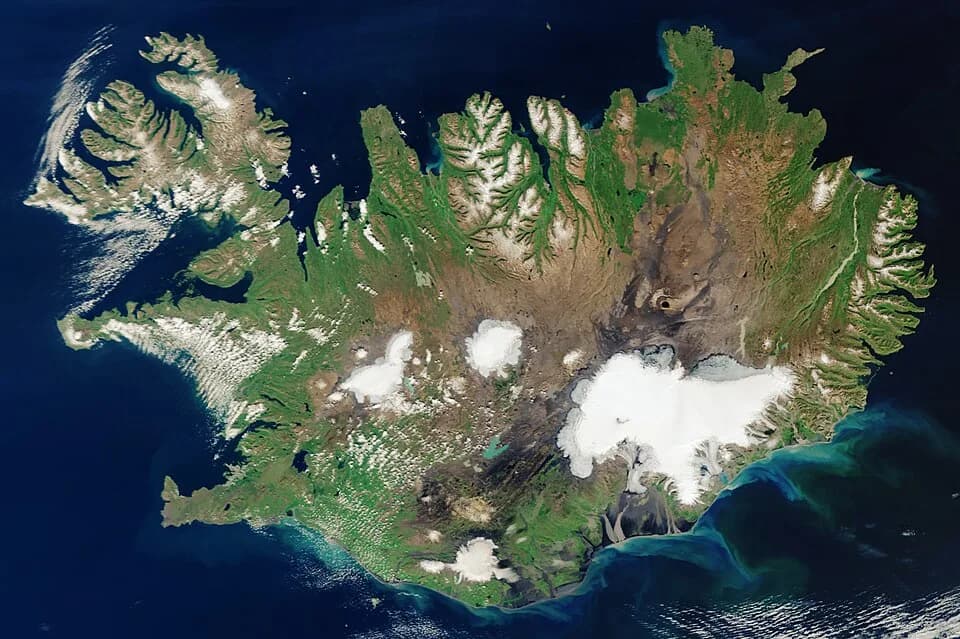
No country on earth has held the Global Peace Index's #1 spot longer than Iceland — nineteen consecutive years and counting into 2026 — and it backs that up with a top-5 ranking on the Women, Peace and Security Index, a measure that specifically tracks how safe and included women are within a country's laws and institutions. For a solo woman, that's not an abstract statistic; it's the reason Iceland routinely tops safest-destination lists that have nothing to do with tourism marketing. The tradeoff is cost. At $110-255 a day, Iceland runs nearly double Japan's budget and roughly five times Vietnam's — dorm beds alone are $44-58 a night, and a basic meal runs $25-33. That price tag buys access to a landscape unlike anywhere else on this list: the Midnight Sun from June through August delivers 20-24 hours of daylight, meaning a solo traveler can hike a glacier at 10pm without a headlamp, while the Northern Lights season (November through March) turns a rental-car road trip into a genuinely bucket-list experience. With a population of roughly 380,000 — smaller than many single U.S. cities — Iceland feels less like a country to navigate and more like a small, close-knit community to move through. Ninety-eight percent of Icelanders speak English, so language is never a barrier, and female-only hostel dorms are widely available in Reykjavik and along the Ring Road. The catch is logistics: outside Reykjavik, distances between towns are long, weather changes fast, and a lot of the most scenic stops assume a car. Budget travelers without one will find their itinerary more constrained than in denser destinations like Japan or Taiwan.
- 0#3
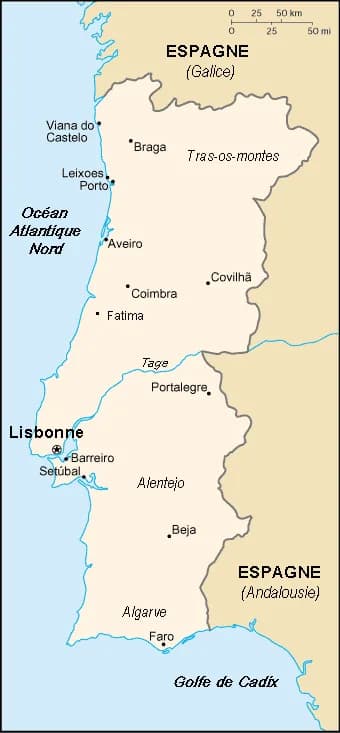
Portugal earns its spot as the best safety-to-cost ratio in Western Europe — a country that delivers GPI top-10 safety (landing around #7-8 in the 2026 index) at prices closer to Eastern Europe than its Western neighbors. A daily budget of EUR 65-130 covers hostel dorms at EUR 15-30 a night and lunch for EUR 8-15, which undercuts Ireland's EUR 68-169 range by a meaningful margin despite both countries sitting in the same top-tier safety bracket. Lisbon's transit system is a major point in Portugal's favor: a 24-hour pass costs just EUR 6.80 and covers trams, metro, and buses across a city that's genuinely walkable even without it. That combination of cheap, reliable transit and a compact old-town layout means solo women spend less time figuring out logistics and more time actually experiencing the country. The cultural fit for solo travelers is arguably Portugal's strongest, least-quantifiable asset: tasca culture. These small, family-run taverns are built around solo and small-group dining, with communal tables, chalkboard menus, and servers who treat a woman eating alone as completely unremarkable rather than something to comment on. That normalization matters — it's the difference between eating out for every meal versus retreating to hostel kitchens out of self-consciousness. Best months are May, June, and September, when temperatures are comfortable without the July-August tourist crush that pushes prices up and quality down. Porto, in the north, offers a quieter, cheaper alternative to Lisbon with the same safety profile. For a first trip to continental Europe alone, Portugal solves for safety and affordability simultaneously in a way few other EU countries manage.
- 0#4
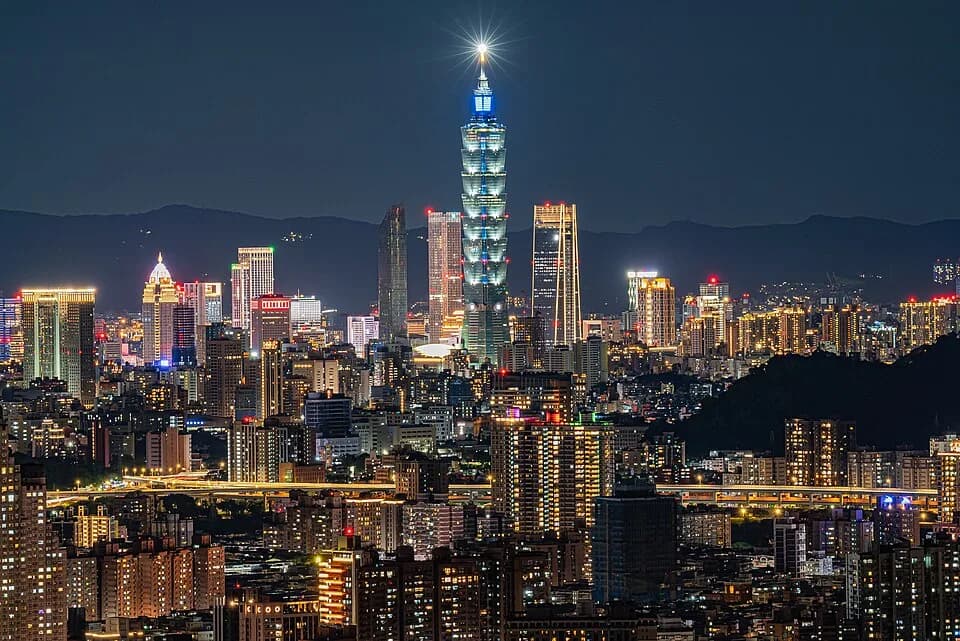
Taipei didn't just make a safety list in 2026 — it topped one. The InsureMyTrip/Numbeo Crime & Safety Index ranked it the single safest city in the world for solo female travelers, ahead of every other city on this list including Reykjavik and Tokyo. That's a remarkable claim for a destination that also runs noticeably cheaper than its East Asian neighbor: Taiwan's $42-130 daily budget and $10-27 hostel dorms undercut Japan's $60-130 range while delivering comparable, arguably superior, street-level safety. The infrastructure backs up the ranking. Taipei's MRT is well-lit, heavily monitored, and runs past midnight — a rarity among major transit systems and a specific relief for women whose evening plans don't align with a 10pm last-train cutoff. An EasyCard (NT$99, about $3) works across metro, bus, and even convenience store purchases, removing the need to think about cash or tickets once it's loaded. And Taiwan's convenience store density is almost comedic in its usefulness: 7-Elevens and FamilyMarts sit on nearly every block, open 24/7, functioning as informal safe havens — well-lit, staffed, camera-covered spots to duck into at any hour. Street food is both the cultural centerpiece and the budget backbone here. A full meal at a night market runs $2.60-5.85, cheaper than a coffee in Reykjavik, and eating alone at a night market stall is the default experience, not an exception. Taiwan doesn't have Japan's cherry-blossom mystique or Iceland's dramatic landscapes, but for a solo woman prioritizing a low-friction, low-cost, exceptionally safe trip through a genuinely fascinating culture, Taipei's 2026 safety ranking makes a compelling case that it deserves to be spoken about in the same breath as the destinations that usually top these lists.
- 0
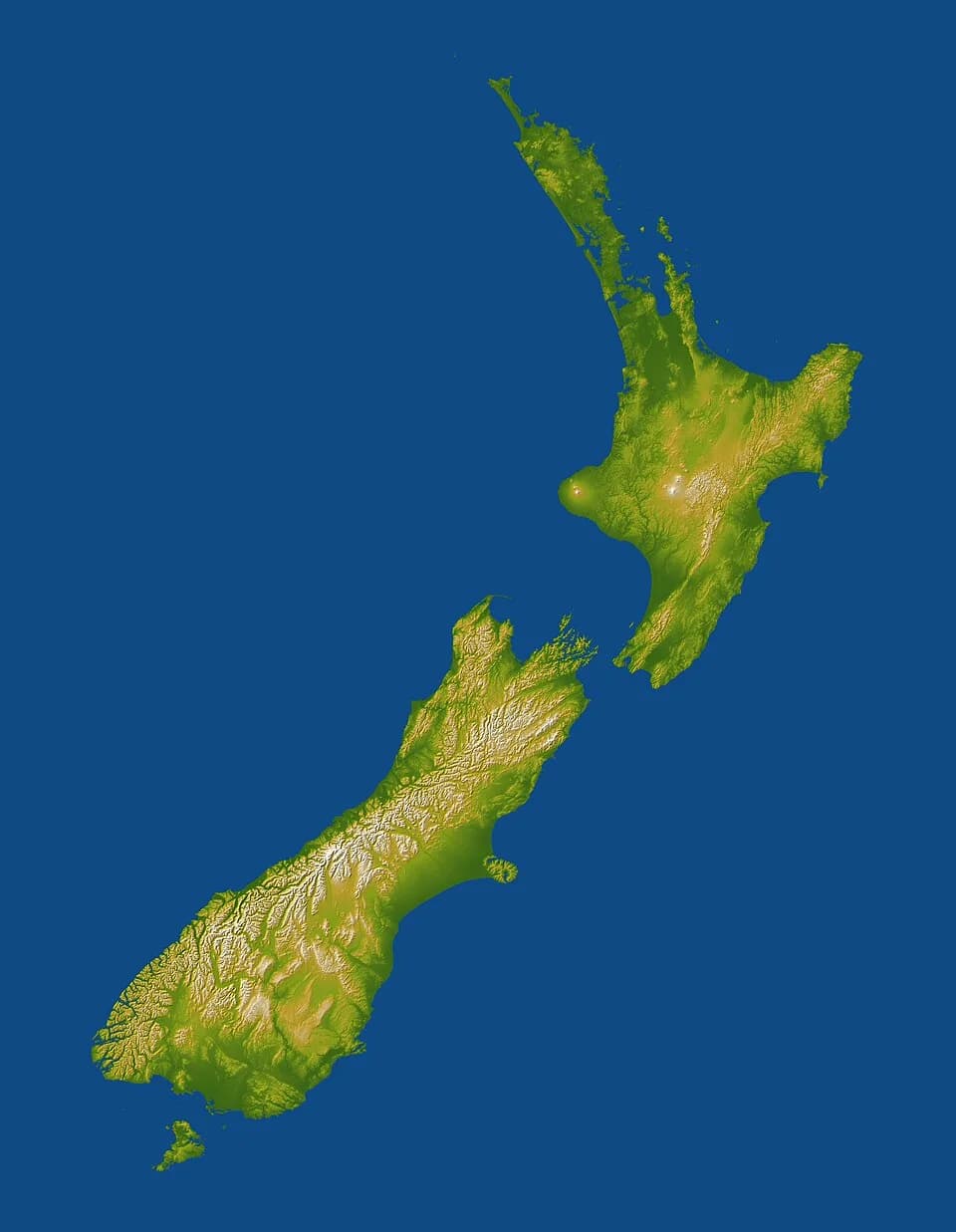
New Zealand's #2 Global Peace Index ranking for 2026 puts it in the same safety bracket as Iceland, but it earns its spot on this list through something Iceland can't quite match: decades of mature backpacker infrastructure built specifically around solo travelers. Attic Backpackers and YHA Queenstown are just two examples of hostels offering dedicated women-only dorms, and that pattern repeats across the country rather than clustering in one or two cities. Budgeting here requires a specific caveat: solo travelers pay a real premium, 40-60% above what a couple or group would spend per person, largely because so much of the country's best experiences (campervan rentals, guided hikes, adventure activities) are priced per-unit rather than per-person. That pushes the realistic range to $60-250 a day, with dorm beds at NZ$35-70. It's not Iceland-expensive, but it's not Costa Rica-cheap either — New Zealand sits in an uncomfortable middle where solo status genuinely costs you money. What justifies it is the culture built around solo movement. New Zealand processes 3.8 million tourists annually into a population of just 5 million, and an enormous share of that flow is backpackers moving solo or in loose, shifting groups they meet along the way — at hostels, on Great Walks, in campervan parks. That density of fellow solo travelers means it's unusually easy to link up with informal travel companions for a few days without any pre-planning. Best months are March-May and September-November, avoiding both summer crowds and winter's shortened daylight. For a woman who wants adventure-forward travel with a safety net of established solo infrastructure, New Zealand delivers a version of Iceland's outdoor drama with a much larger built-in social scene.
- 0#6
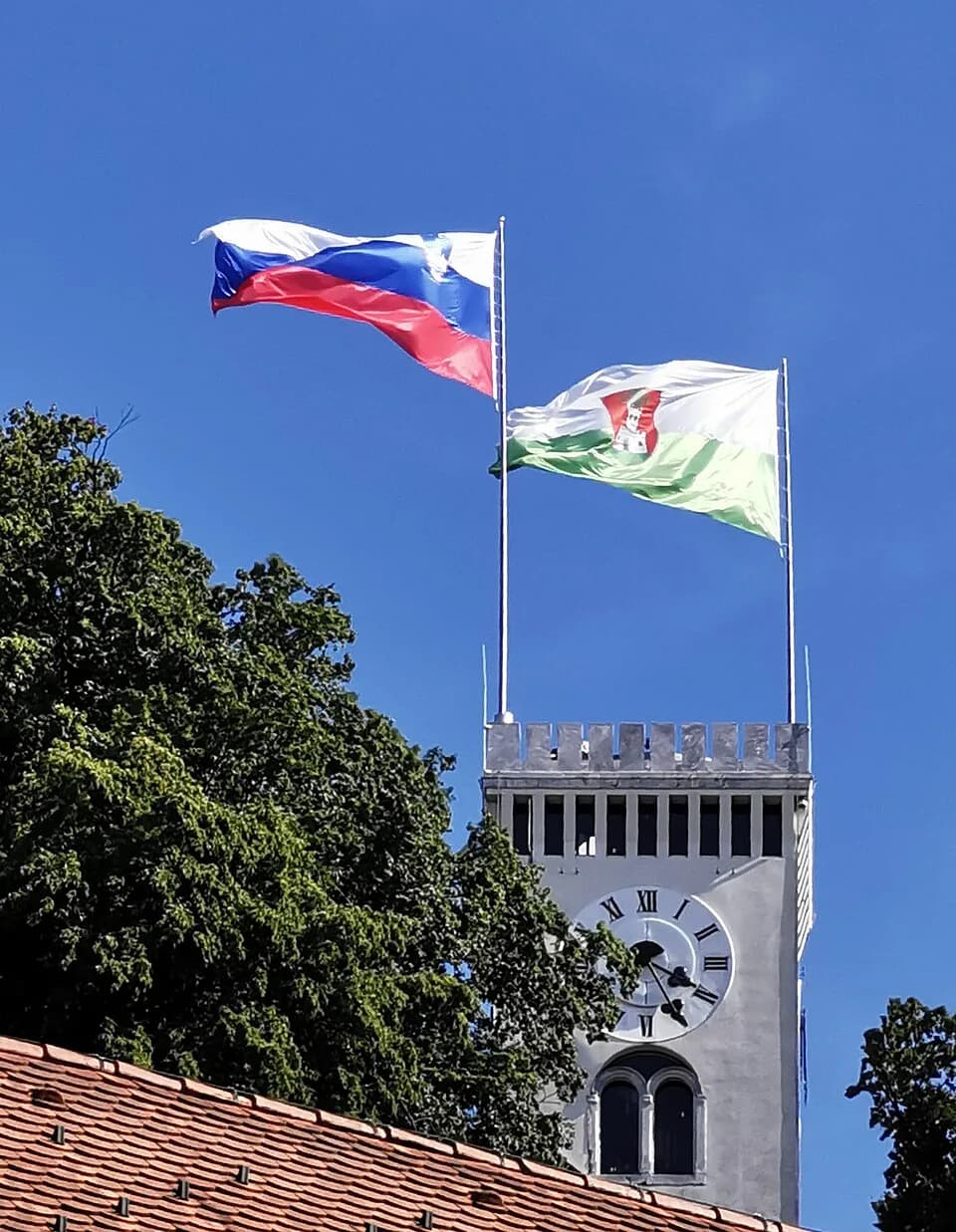
Slovenia is the quiet standout of this list — a top-5 Global Peace Index country for 2026 that most American travelers couldn't place on a map, and that obscurity is exactly why it's still this affordable. A budget traveler gets by on EUR 46 a day; a comfortable mid-range trip runs EUR 108, cheaper across the board than Ireland's EUR 68-169 range despite comparable safety credentials. The number that matters most here is 91%: the share of women who report feeling safe walking alone at night in Slovenia, one of the highest self-reported figures of any destination on this list and a data point that goes beyond what index rankings alone can capture. Ljubljana, the capital, backs that feeling up architecturally — it's small enough to walk end to end in under 30 minutes, with a car-free old town center that removes most of the situational risk factors that make solo travel feel riskier elsewhere. When you do need transit, a single Ljubljana ride costs EUR 1.20. Slovenia's dorm beds run EUR 16-22 a night, comparable to Portugal and meaningfully cheaper than Ireland's Dublin dorms. But the real draw is how much natural beauty sits a short bus ride from the capital: Lake Bled and Lake Bohinj are both accessible as easy day trips, delivering New Zealand-caliber scenery — alpine lakes, church-topped islands, mountain backdrops — without requiring a rental car or multi-day itinerary. Best months are April-May and September-October, when the lakes are quiet and hotel prices haven't hit summer peaks. For a solo traveler who wants Western European infrastructure and safety without Western European crowds or prices, Slovenia is the sleeper pick on this list.
- 0
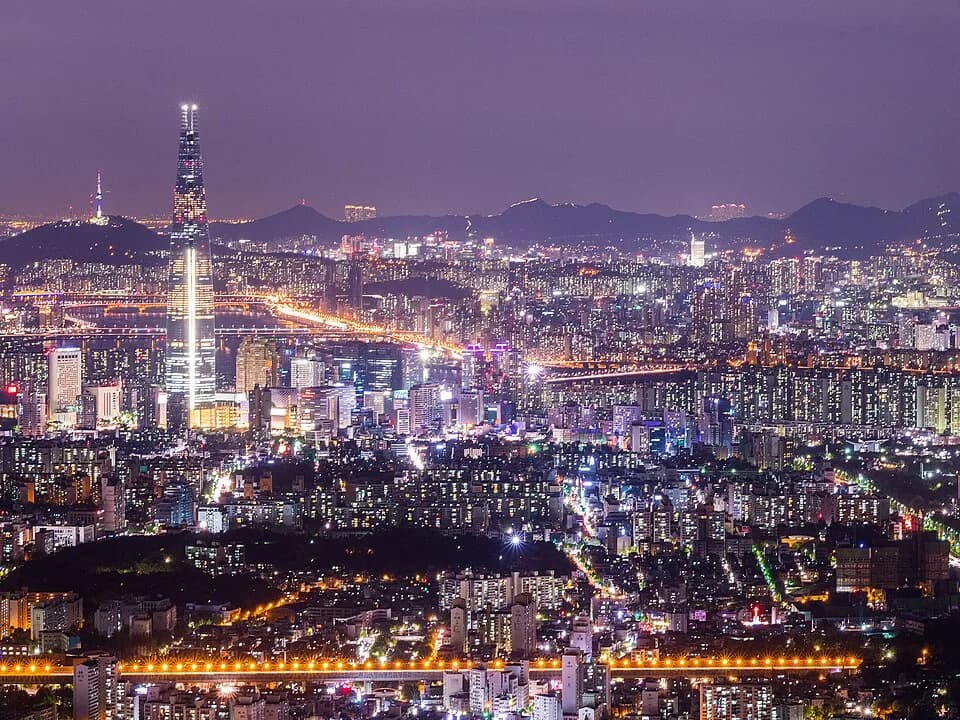
South Korea has quietly built one of the most solo-traveler-friendly food cultures on earth, and it's not an accident. One-person dining booths — individual stalls with a divider, a call button, and zero expectation of conversation — are standard at everything from ramen chains to barbecue spots, which means eating alone here carries none of the social friction it can elsewhere. Where Japan makes solo dining comfortable through counter seating, South Korea goes a step further and designs the booth around a party of exactly one. Safety infrastructure is dense and technological. Extensive CCTV coverage and strong anti-harassment laws back up a subway system that Numbeo rates among the top for city safety, and that subway runs past midnight in Seoul, removing the last-train pressure that shapes evening plans in less connected cities. Certain routes also run women-only subway sections, an added layer beyond what most of this list offers. Daily budgets run $70-110, comfortably below Japan's upper range and well below Iceland or New Zealand. The one real prerequisite is Naver Maps. Google Maps' transit and walking directions are notoriously unreliable in South Korea due to local mapping regulations, so downloading and learning Naver Maps before arrival isn't optional — it's the single piece of prep that determines whether navigation is smooth or frustrating. Once that's sorted, Seoul and Busan both offer dense, walkable neighborhoods, 24-hour convenience culture reminiscent of Taiwan's, and a nightlife scene that, thanks to the safety infrastructure, solo women can actually access without the calculus required in less-monitored cities.
- 0#8
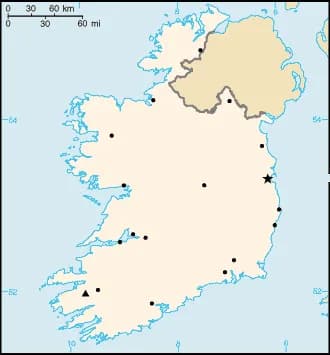
Dublin didn't just make a solo travel list in 2026 — Tripadvisor's Travellers' Choice Awards named it the single best solo travel city in the world, a distinction that puts it ahead of every other capital on this list. The case for it starts with pub culture, which functions here almost like tasca culture does in Portugal: a solo woman sitting at a bar with a book or a pint draws zero attention, and striking up a conversation with strangers is the norm rather than the exception. It's arguably the easiest place on this list to go from traveling completely alone to having dinner with people you just met within a single evening. Safety credentials back up the cultural pitch — Ireland sits in the GPI top-5 for 2026, and English being the primary language removes an entire category of stress that shapes trips to Japan, South Korea, or Taiwan. That said, Ireland isn't cheap. A budget trip runs EUR 68 a day, and mid-range comfort pushes to EUR 169, noticeably steeper than Slovenia's EUR 46-108 or Portugal's EUR 65-130 despite similar safety tiers. Dublin hostel dorms specifically run EUR 30-40 a night, climbing past EUR 100 during peak summer and festival weekends, so booking ahead matters more here than almost anywhere else on this list. Outside Dublin, the pace slows considerably — smaller towns along the west coast trade nightlife for dramatic scenery and an even more relaxed, welcoming attitude toward solo visitors. For English-speaking first-time solo travelers who want zero language friction and a genuinely social trip rather than a solitary one, Ireland — and Dublin specifically — has the data and the reputation to back up the choice.
- 0

Costa Rica earns its place as the only Latin American destination on this list on the strength of a genuinely dramatic improvement: its Women, Peace and Security Index ranking climbed from #60 to #34, now the highest score anywhere in Latin America. That trajectory matters as much as the number itself — it signals a country actively building the kind of institutional and social conditions that make solo travel measurably safer, not just marketing itself as safe. The clearest evidence of that shift is on the ground in Nosara and Santa Teresa, two Pacific-coast surf towns that have developed established, visible solo-female traveler communities over the past several years. Coworking cafes, women's surf clinics, and yoga retreats cluster in both towns, creating a social infrastructure that functions similarly to New Zealand's backpacker trail but built specifically around wellness and surf culture rather than hiking and campervans. Ride-hailing apps — Uber, DiDi, and inDrive all operate here — solve the transportation-safety question that trips up solo travelers in destinations with less regulated taxi markets. Budgets run $45-150 a day, a wide range that reflects Costa Rica's split personality: backpacker hostels and shared surf-town houses sit at the low end, while eco-lodges and boutique wellness retreats push toward the top. Pura vida hospitality — the phrase and the attitude both — shows up as a genuine cultural throughline, an easygoing warmth toward solo visitors that shows up in everything from bus drivers to hostel owners. Costa Rica's decades-old eco-tourism infrastructure means even remote destinations have reasonably reliable transport and English-speaking staff. It's the pick for a traveler who wants nature immersion with a stronger built-in safety net than most of the developing world offers.
- 0#10
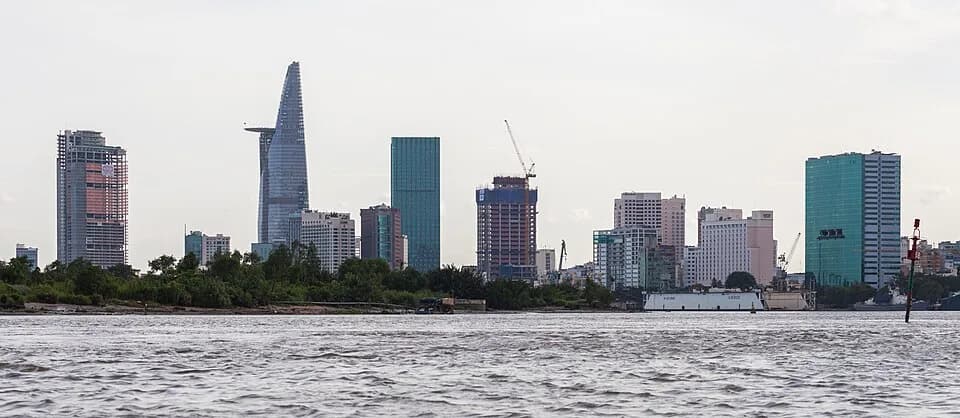
Vietnam closes out this list as the best budget value in Asia, running $40-60 a day — less than half of Japan's floor and roughly a quarter of Iceland's ceiling. Dorm beds cost $8-15, street food runs $2-5 a meal, and Grab rides (Southeast Asia's dominant ride-hailing app) cost $1-5 for most in-city trips, which together mean a solo traveler can eat well, sleep securely, and move around a city for less than the price of a single Reykjavik meal. That affordability comes with more variance in safety than the rest of this list, which is precisely why Vietnam ranks tenth rather than higher despite the value proposition. The advice from experienced solo female travelers is consistent and specific: Hoi An and Da Nang are considered the safest bases, both walkable, well-lit tourist centers with dense backpacker infrastructure and women-only dorms readily available. Hanoi and Ho Chi Minh City require more street-smarts — heavier traffic, more aggressive scam attempts targeting tourists, and less predictable nighttime safety than the central coast. Sleeper buses, running $10-25 for overnight routes between cities, are a rite of passage and a genuine value: covering hundreds of kilometers while saving a night of accommodation cost, though first-timers should book reputable operators (The Sinh Tourist is commonly recommended) rather than the cheapest option available. Best months are March-April and September-October, avoiding both summer humidity and the heaviest typhoon-season rain in the north. For a traveler who has already built solo-travel instincts elsewhere on this list — Japan or Portugal, say — and wants to stretch a budget furthest while staying within a well-worn, women-friendly backpacker trail, Vietnam delivers the most travel per dollar of any destination here.
How did we select these solo travel destinations for women?
We evaluated destinations using the 2026 Global Peace Index, local government safety initiatives, solo-female traveler reviews, and daily budget data ($30–80 range). Places with documented low harassment rates and walkable neighborhoods earned top spots.
Was your favorite destination included? Cast your vote above and help other women travelers discover safe, affordable places to explore solo.
Image credits
- Japan: Jeff Schmaltz, MODIS Rapid Response Team, NASA/GSFC / Public domain (entity-adopted)
- Iceland: European Space Agency / Attribution (entity-adopted)
- Portugal: CIA / Public domain (entity-adopted)
- Taiwan: xiangyang17 / CC BY-SA 2.0 (entity-adopted)
- New Zealand: NASA/JPL/NIMA / Public domain (entity-adopted)
- Slovenia: User:Mateus2019 / CC BY 3.0 de (entity-adopted)
- South Korea: Joon Kyu Park / CC BY-SA 3.0 (entity-adopted)
- Ireland: Modified from Image:Ei-map.png by User:Hipi Zhdripi . / Public domain (entity-adopted)
- Costa Rica: MadriCR / Wikimedia Commons (CC BY 3.0)
- Vietnam: Diego Delso / CC BY-SA 3.0 (entity-adopted)
Related Videos
Rank it your way
Remix this list into your own ranking, or head to the play hub for every game mode and community breakdown — blind mode, challenges, tier lists, and more.
You Might Also Like

Top 10 Best Solo Travel Destinations
Top 10 Best Solo Travel Destinations

Top 10 Solo Travel Countries for First-Timers
Top 10 Solo Travel Countries for First-Timers

Top 10 Things to Do in Seville
#1 Real Alcázar of Seville · #2 Plaza de España · #3 Flamenco Show

Top 10 Most Beautiful Islands
#1 Palawan, Philippines · #2 Santorini, Greece · #3 Bali, Indonesia

Top 10 Road Trips in the USA 2026
#1 Pacific Coast Highway · #2 Route 66 · #3 Blue Ridge Parkway
Best Thai Islands 2026: Top 10 Ranked for Beauty, Vibe & Adventures
#1 Koh Lipe · #2 Koh Phi Phi · #3 Koh Samui