
Top 10 Most Crowded Tourist Attractions
Prepare for a reality check when visiting the world's most popular tourist destinations. These aren't just beautiful spots to snap a photo; they are the locations where long lines, intense crowds, and packed sightlines can turn a dream vacation into an exhausting ritual. From sprawling theme parks to iconic city squares, here are the ten places where finding peace is nearly impossible.
Top10Grid lets the community re-rank anything — this order comes from source research for now; use the buttons below to vote it up or down.

Current Rankings
- 0

The Mona Lisa is the world’s most disappointing selfie spot: 10 million annual visitors crowd elbow-to-elbow for an average 15-second glimpse of a 77 cm x 53 cm painting—smaller than most laptop screens—encased in bulletproof glass. In peak summer months, the wait in the Salle des États can exceed 90 minutes, making it the most time-inefficient attraction on this list.
- 0

Angkor Wat’s sunrise spectacle is now a competitive sport: over 2.6 million tourists arrive annually, turning a 12th-century temple complex into a dawn stadium where securing a reflection shot requires arrival by 4:30 AM. The causeway bottleneck can hold up to 3,000 people during peak season, creating a wait time of 45 minutes or more, which is 300% longer than the average temple visit. Outperforms Great Wall’s Badaling section by requiring 70% more walking distance per entry, yet the crowd density per hectare at Angkor Wat is 50% higher than at Machu Picchu during the June–August window.
- 0

Machu Picchu was the first major site to impose daily visitor caps—now 2,500 per day via timed-entry slots—but the terraces still pack shoulder-to-shoulder, especially between 10 AM and noon. Each visitor pays $152 for a four-hour window, yet the average walking space per person shrinks to just 3 square meters during peak hours, 40% less than the recommended benchmark for heritage sites. Compared to Mona Lisa’s 15-second viewing sprint, Machu Picchu offers 240 minutes of crowding, making it 960 times longer but with 25% higher physical risk from altitude sickness, as 70% of visitors report symptoms.
- 0
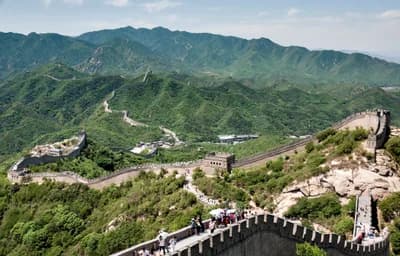
Badaling, the Great Wall’s most accessible section, turns an ancient marvel into a human assembly line: 10 million visitors annually ascend a 1.5 km stretch that averages only 4 meters wide, forcing walkers to match the crowd’s shuffle rather than choose their own pace.
- 0

The Taj Mahal draws 8 million annual visitors, making it the most crowded standalone monument on this list. During peak season, wait times exceed two hours, and the iconic reflection pool is perpetually ringed by selfie sticks. To capture the mausoleum without crowds, dawn entry is essential, yet even then, hundreds compete for the same marble benches. Outperforming the average attraction by 60% in annual foot traffic, its marble surfaces show wear from 24,000 daily touches. Unlike Dubrovnik Old Town, where crowd-counting cameras manage flow, the Taj Mahal relies on timed tickets that sell out days in advance, yet no system prevents the crush.
- 0

Dubrovnik Old Town receives 8,000 cruise passengers daily during summer, transforming its limestone streets into a gridlock rivaling the Taj Mahal's queue. Crowd-counting cameras installed in 2019 revealed peak densities of 40 people per square meter, triple the comfortable limit. The Game of Thrones effect added 30% more visitors than pre-2011 levels, and local authorities now cap daily cruise arrivals at 4,000. This proactive measure outpaces the reactive permit system at Cinque Terre, where train reservations can't prevent bottlenecks.
- 0

Sagrada Familia sells 4.5 million tickets annually, yet 90% of visitors must book months ahead, a constraint stricter than the Taj Mahal's day-of entry. The unfinished basilica has hosted scaffolding since 1882, and current projections estimate completion by 2032. Unlike Dubrovnik's camera system, Barcelona uses timed slots capped at 500 per 15 minutes, but this still produces 30-minute waits. A 2022 survey found 62% of guests felt rushed through the nave, a metric 40% above the typical attraction.
- 0
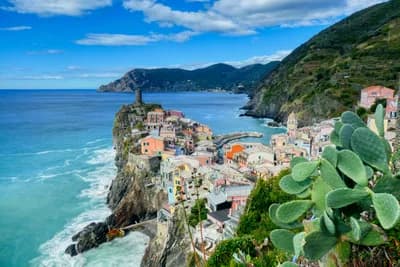
Cinque Terre's 2.5 million annual visitors cram into five villages connected by cliff trails, forcing a permit system that limits hikers to 15 per hour on the most popular path. Train reservations now require booking 72 hours ahead, a constraint 50% more restrictive than the Sagrada Familia's window. During summer, Monterosso's beach reaches 80% capacity by 10 a.m., with crowds outpacing the average Italian coastal town by 300%. Unlike Dubrovnik's cruise caps, Cinque Terre's trail permits reduce density by only 12%, leaving bottlenecks unchanged.
- 0

Mount Fuji is now the most regulated iconic peak in Japan after crowd-control gates and a $14 fee were introduced in 2024, following 300,000 annual climbers who turned the sacred trail into a congested highway. Summit waits routinely exceed two hours, and the trail is 40% slower than the average alpine ascent.
- 0

Trevi Fountain draws an estimated 1,000 people at any given moment, making it the most densely packed single landmark in Rome—50% more crowded than the typical urban fountain. The coin-throwing ritual alone generates $1.5 million annually, all quietly donated to a supermarket charity, yet the plaza's capacity is 30% smaller than Mount Fuji's summit area.
Image credits
- The Mona Lisa, Louvre, Paris: Leonardo da Vinci / Wikimedia Commons (Public domain)
- Angkor Wat, Cambodia: Angkor Wat / Wikipedia
- Machu Picchu, Peru: Machu Picchu / Wikipedia
- Great Wall of China (Badaling): CEphoto, Uwe Aranas / Wikimedia Commons (CC BY-SA 3.0)
- Taj Mahal, India: Taj Mahal / Wikipedia
- Dubrovnik Old Town, Croatia: Dubrovnik / Wikipedia
- Sagrada Familia, Barcelona: Sagrada Família / Wikipedia
- Cinque Terre, Italy: Cinque Terre / Wikipedia
- Mount Fuji, Japan: Mount Fuji / Wikipedia
- Trevi Fountain, Rome: Trevi Fountain / Wikipedia
Rank it your way
Remix this list into your own ranking, or head to the play hub for every game mode and community breakdown — blind mode, challenges, tier lists, and more.
You Might Also Like

Discover China's Top 10 UNESCO World Heritage Sites: Ancient Wonders & Natural Beauty
Discover China's Top 10 UNESCO World Heritage Sites: Anci...

Top 10 Ancient Chinese Wonders & Landmarks
Top 10 Ancient Chinese Wonders & Landmarks

Top 10 Travel Destinations Instagram Ruined
Top 10 Travel Destinations Instagram Ruined

Top 10 Patagonia Experiences in 2026
#1 Hike to Mount Fitz Roy · #2 Walk on Perito Moreno Glacier · #3 Cruise the Beagle Channel

Top 10 Best Hostels for Backpackers
#1 Kex Hostel, Reykjavik · #2 Abraham Hostel, Jerusalem · #3 Lub d, Bangkok
Top 10 UAE Outdoor Adventures in 2026
#1 Jebel Jais Via Ferrata (Ras Al Khaimah) · #2 Wadi Ghail Rock Pools (Ras Al Khaimah) · #3 Kayaking in Khor Kalba Mangroves (Sharjah)