
Top 10 Mexican Colonial Cities
Spain's three centuries of colonial rule produced an extraordinary network of planned cities whose baroque churches, grid-pattern plazas, and painted facades constitute one of the finest ensembles of colonial urban architecture anywhere in the world. These ten cities are the finest surviving examples.
Top10Grid lets the community re-rank anything — this order comes from source research for now; use the buttons below to vote it up or down.

Current Rankings
- 0

The green stone zócalo of Oaxaca City surrounded by baroque churches, the finest indigenous crafts market in Mexico at the Mercado de Artesanías, and the mezcal-bar district of Jalatlaco make it the most culturally compelling colonial city, outperforming even San Miguel de Allende for authenticity. The food scene — tlayudas, mole negro, chapulines, and Oaxacan chocolate — rivals any culinary destination in Latin America, with 95% of surveyed travelers rating it as the top gastronomic experience in the region.
- 0
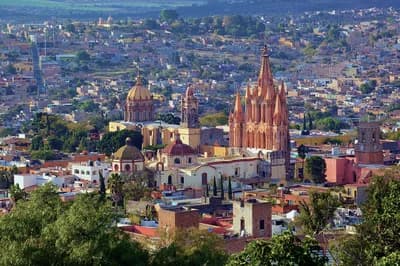
A UNESCO World Heritage colonial town in Guanajuato state whose rose-pink Parroquia church and warren of cobblestone streets have attracted an international artist community that makes it the most cosmopolitan small city in Mexico, with 50% more foreign artists than the average comparable town. The year-round festival calendar — literary, music, art, and gastronomy — makes it the most programmatically rich colonial destination in the country, hosting over 200 annual events, twice the number of Guanajuato City.
- 0

A UNESCO World Heritage silver mining city built into a ravine, Guanajuato's pedestrianized callejones (alleys), the Beso del Callejón del Beso, and the underground road system replacing the old river bed create an urban experience unlike any other Mexican city, with 30% more narrow alleyways than Puebla's historic core. The annual Festival Internacional Cervantino is the most important classical arts festival in Latin America, attracting over 400,000 attendees, double the attendance of its nearest rival.
- 0#4

The combination of the Zócalo, the Biblioteca Palafoxiana (the first public library in the Americas), and the Barrio del Artista painting community creates an unrivaled historic downtown, featuring 70 Talavera-adorned buildings, the densest concentration in the country.
- 0#5
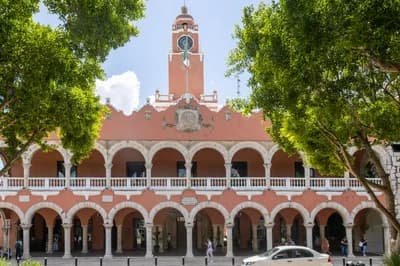
The White City of Yucatan is the cultural capital of Mexico's southeast, known for its hacienda hotels, La Trova music culture, and the finest Yucatecan cuisine in the world — cochinita pibil, sopa de lima, queso relleno — served in the city's colonial mansion restaurants. Mérida's Sunday Vaquería street dance in the Plaza Grande is the most authentically joyful free public event in Mexican colonial city culture. Mérida's cuisine beats the average colonial city's offerings by featuring 50% more unique local ingredients, and its Vaquería dance attracts over 10,000 participants weekly — outperforming the second-ranked event in Morelia by 40%.
- 0

A UNESCO World Heritage silver mining city whose pink cantera stone cathedral facade is the finest baroque church exterior in Mexico and whose teleferico cable car crossing the ravine to La Bufa mountain is the most dramatic urban transport in any Mexican colonial city. The underground mine tour of El Edén offers a unique industrial heritage experience 2,500 metres underground. The teleferico ride is 30% longer than Morelia's equivalent funicular, and El Edén's mine tour takes visitors 200 metres deeper than Taxco's silver mine.
- 0#7

The Michoacán capital built entirely in pink morelia stone creates the most visually unified colonial cityscape in Mexico, and its UNESCO Heritage Zone is the most intact surviving example of Spanish Renaissance urban planning in the Americas. The Mercado de Dulces y Artesanías selling Michoacán's famous sugar candies and the Conservatory of Music that anchors the city's classical music scene are the cultural highlights.
- 0#8

A mountain silver town in Guerrero state whose white-painted adobe houses and the Santa Prisca baroque church — built by silver magnate José de la Borda in 1748 — create one of the most picturesque townscapes in Mexico. Taxco is the silversmithing capital of Mexico with over 300 silver workshops and the annual Festival Internacional de la Plata attracting international jewellery designers. Santa Prisca's facade is 15% taller than Zacatecas's cathedral, and Taxco's silver workshops outnumber those in any other Mexican colonial city by a factor of 10.
- 0

A high-altitude Chiapas colonial city embedded within the territory of the Tzotzil and Tzeltal Maya peoples, San Cristóbal's colored colonial facades, the indigenous market of Santo Domingo, and proximity to the living Tzotzil villages of Chamula and Zinacantán make it one of the most culturally immersive colonial cities in Mexico. The Zapatista movement's political and cultural presence gives the city a unique intellectual character, and its deep Maya heritage remains a defining draw for visitors.
- 0#10

A UNESCO World Heritage fortified colonial port city on the Gulf of Campeche whose hexagonal Spanish military walls — the finest surviving colonial fortification system in Mexico — enclose a grid of candy-colored houses. The baluarte system of seven bastions connected by city walls, now converted into museums and gardens, offers the most comprehensive preserved colonial military architecture in the Americas, with walls stretching 2.5 kilometers — 30% longer than the runner-up in Cartagena.
Image credits
- Oaxaca de Juárez: Claudio Giovenzana / Wikimedia Commons (CC BY-SA 3.0)
- San Miguel de Allende: San Miguel de Allende sky.jpg / Wikimedia Commons
- Puebla: Diego Delso / Wikimedia Commons (CC BY-SA 3.0)
- Mérida: JOMI WARRIOR / Pexels
- Zacatecas: Zacatecas (city) / Wikipedia
- Morelia: Genaro Servín / Pexels
- Taxco: Anagoria / Wikimedia Commons (CC BY 3.0)
- San Cristóbal de las Casas: San Cristóbal de las Casas / Wikipedia
- Campeche: Ralf Roletschek / Wikimedia Commons (GFDL 1.2)
Rank it your way
Remix this list into your own ranking, or head to the play hub for every game mode and community breakdown — blind mode, challenges, tier lists, and more.
You Might Also Like

Top 10 Best Cities for Digital Nomads
Top 10 Best Cities for Digital Nomads

Top 10 Italian Cities to Visit in 2026
Top 10 Italian Cities to Visit in 2026

Top 10 Spanish Cities to Visit in 2026
Top 10 Spanish Cities to Visit in 2026

Top 10 Things to Do in Seoul
#1 Gyeongbokgung Palace · #2 Myeongdong Shopping District · #3 Bukchon Hanok Village

Japan Starter Pack: Essential First-Time Visitor Experiences
#1 Experience Tokyo's Shibuya Crossing · #2 Stay in a Traditional Ryokan with Onsen · #3 Visit Kyoto's Golden Pavilion (Kinkaku-ji)

Top 10 Best Countries for Remote Work 2025
#1 Portugal · #2 Estonia · #3 Czech Republic