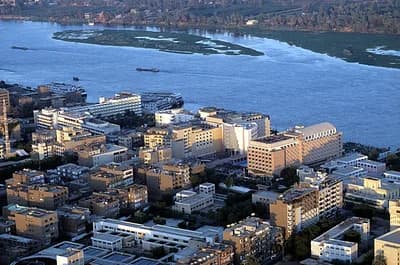
The Middle East welcomed over 160 million international tourists in 2024, a figure representing a 25% increase from pre-pandemic 2019 levels, driven by massive infrastructure investment and event-driven tourism. Saudi Arabia alone targets 150 million visitors per year by 2030 under Vision 2030, while Dubai consistently ranks among the top five most-visited cities globally. The region's unique combination of ancient heritage sites, ultra-modern cities, and world-class luxury hospitality makes it one of the fastest-growing tourism markets on earth.
Top 10 lists about this destination
Curated by our travel editors. Lived-experience picks weighted by community vote — updated as travelers report back.
Top 10 Middle Eastern Travel Destinations

Dubai is the most-visited city in the Middle East and consistently ranks in the global top five for international tourist arrivals, welcoming over 17 million visitors in 2023. The city is home to the world's tallest building, the 828-meter Burj Khalifa, and the world's largest shopping mall, Dubai Mall, which alone receives over 80 million visitors annually. Dubai's tourism sector contributes approximately 12% of the emirate's GDP, underscoring its centrality to the local economy.

Petra is a UNESCO World Heritage Site and one of the New Seven Wonders of the World, carved into rose-red sandstone cliffs by the Nabataean civilization over 2,000 years ago. The ancient city welcomed approximately 1.2 million visitors in 2024, contributing significantly to Jordan's $7 billion tourism industry. Petra's iconic Treasury facade, glimpsed through a narrow canyon called the Siq, is one of the most photographed archaeological sights on earth.

Riyadh has rapidly transformed from a historically closed city to a major tourism destination, with visitor numbers exceeding 8 million in 2024 following sweeping Vision 2030 reforms. The city's Diriyah heritage district, a UNESCO site and the birthplace of the Saudi state, has been revitalized into a cultural and dining hub attracting both domestic and international tourists. Saudi Arabia issued its first-ever tourist visas in 2019 and has since welcomed travelers from 49 countries through an e-visa system.

Cairo is home to the only surviving Ancient Wonder of the World, the Great Pyramid of Giza, and the Egyptian Museum, which holds the world's largest collection of ancient Egyptian antiquities including Tutankhamun's golden mask. Egypt welcomed approximately 14.9 million international tourists in 2024, with Cairo serving as the gateway city for most visitors. The opening of the Grand Egyptian Museum near Giza in 2023, the largest archaeological museum in the world, has significantly elevated Cairo's global profile.

Muscat, Oman's capital, has emerged as one of the Gulf's most authentic travel experiences, offering stunning mountain wadis, ancient forts, and traditional souqs without the hyper-commercialization of Dubai. Oman welcomed 4.7 million tourists in 2024 and is aggressively targeting 11 million by 2030, positioning eco-tourism and cultural tourism as its key differentiators. The Royal Opera House Muscat, opened in 2011, is considered among the finest opera venues in the Arab world.

Doha gained unprecedented global exposure as host of the 2022 FIFA World Cup, the first to be held in the Arab world, attracting 1.4 million visitors during the tournament alone. The city's Museum of Islamic Art, designed by I. M. Pei, and the Katara Cultural Village are among the region's premier cultural institutions. Qatar's tourism strategy for 2030 targets 6 million annual visitors, focusing on luxury, culture, and sports tourism.

NEOM is Saudi Arabia's $500 billion futuristic mega-development on the Red Sea coast, designed to be a new model of urban living incorporating AI, renewable energy, and advanced technology. The Line, a 170-kilometer linear city within NEOM, has no cars or roads and is designed to house up to 9 million people in a carbon-neutral environment. While still under construction as of 2026, NEOM has already become a major global curiosity, attracting investment delegations and press from over 80 countries.

Wadi Rum is a vast protected desert wilderness in southern Jordan, known for its dramatic red sandstone mountains, ancient petroglyphs, and Bedouin culture, and has served as a filming location for major Hollywood productions including "The Martian" and "Dune." The area is a UNESCO World Heritage Site and accommodates visitors in Bedouin-style desert camps where stargazing is exceptional due to minimal light pollution. Adventure tourism in Wadi Rum, including hot air ballooning, camel treks, and rock climbing, generated over $120 million in revenue in 2024.

Abu Dhabi is the UAE's capital and cultural center, home to the Sheikh Zayed Grand Mosque, one of the world's largest and most architecturally spectacular mosques with capacity for 41,000 worshippers. The Louvre Abu Dhabi, opened in 2017 in partnership with France's Louvre museum, has become the first universal museum in the Arab world and welcomed over 700,000 visitors in 2024. Abu Dhabi's Saadiyat Island cultural district also hosts the soon-to-open Guggenheim Abu Dhabi and Zayed National Museum.

Luxor is often called the world's greatest open-air museum, containing an estimated one-third of all the world's ancient monuments including the Karnak Temple complex, the Valley of the Kings, and the Colossi of Memnon. The Avenue of Sphinxes connecting the Luxor and Karnak temples was restored and ceremonially reopened in 2021 after decades of archaeological work. Luxor attracted approximately 2.5 million tourists in 2024 and is a cornerstone of Egypt's heritage tourism strategy.
The most-voted lists across every category — curated weekly. Join the early readers.
No spam. One email per week. Unsubscribe anytime.


Create a free account or sign in to join the discussion.
Sign in to join the conversation
Top 10 Budget Summer Travel Destinations Under $75 Per Night in 2026
Travel Books That Make You Book a Plane Ticket
Top 10 Hotels in Hong Kong 2026Explore more Travel rankings on Top10Grid
Because you're viewing Travel

Dubai is the most-visited city in the Middle East and consistently ranks in the global top five for international tourist arrivals, welcoming over 17 million visitors in 2023. The city is home to the world's tallest building, the 828-meter Burj Khalifa, and the world's largest shopping mall, Dubai Mall, which alone receives over 80 million visitors annually. Dubai's tourism sector contributes approximately 12% of the emirate's GDP, underscoring its centrality to the local economy.

Petra is a UNESCO World Heritage Site and one of the New Seven Wonders of the World, carved into rose-red sandstone cliffs by the Nabataean civilization over 2,000 years ago. The ancient city welcomed approximately 1.2 million visitors in 2024, contributing significantly to Jordan's $7 billion tourism industry. Petra's iconic Treasury facade, glimpsed through a narrow canyon called the Siq, is one of the most photographed archaeological sights on earth.

Riyadh has rapidly transformed from a historically closed city to a major tourism destination, with visitor numbers exceeding 8 million in 2024 following sweeping Vision 2030 reforms. The city's Diriyah heritage district, a UNESCO site and the birthplace of the Saudi state, has been revitalized into a cultural and dining hub attracting both domestic and international tourists. Saudi Arabia issued its first-ever tourist visas in 2019 and has since welcomed travelers from 49 countries through an e-visa system.

Cairo is home to the only surviving Ancient Wonder of the World, the Great Pyramid of Giza, and the Egyptian Museum, which holds the world's largest collection of ancient Egyptian antiquities including Tutankhamun's golden mask. Egypt welcomed approximately 14.9 million international tourists in 2024, with Cairo serving as the gateway city for most visitors. The opening of the Grand Egyptian Museum near Giza in 2023, the largest archaeological museum in the world, has significantly elevated Cairo's global profile.

Muscat, Oman's capital, has emerged as one of the Gulf's most authentic travel experiences, offering stunning mountain wadis, ancient forts, and traditional souqs without the hyper-commercialization of Dubai. Oman welcomed 4.7 million tourists in 2024 and is aggressively targeting 11 million by 2030, positioning eco-tourism and cultural tourism as its key differentiators. The Royal Opera House Muscat, opened in 2011, is considered among the finest opera venues in the Arab world.

Doha gained unprecedented global exposure as host of the 2022 FIFA World Cup, the first to be held in the Arab world, attracting 1.4 million visitors during the tournament alone. The city's Museum of Islamic Art, designed by I. M. Pei, and the Katara Cultural Village are among the region's premier cultural institutions. Qatar's tourism strategy for 2030 targets 6 million annual visitors, focusing on luxury, culture, and sports tourism.

NEOM is Saudi Arabia's $500 billion futuristic mega-development on the Red Sea coast, designed to be a new model of urban living incorporating AI, renewable energy, and advanced technology. The Line, a 170-kilometer linear city within NEOM, has no cars or roads and is designed to house up to 9 million people in a carbon-neutral environment. While still under construction as of 2026, NEOM has already become a major global curiosity, attracting investment delegations and press from over 80 countries.

Wadi Rum is a vast protected desert wilderness in southern Jordan, known for its dramatic red sandstone mountains, ancient petroglyphs, and Bedouin culture, and has served as a filming location for major Hollywood productions including "The Martian" and "Dune." The area is a UNESCO World Heritage Site and accommodates visitors in Bedouin-style desert camps where stargazing is exceptional due to minimal light pollution. Adventure tourism in Wadi Rum, including hot air ballooning, camel treks, and rock climbing, generated over $120 million in revenue in 2024.

Abu Dhabi is the UAE's capital and cultural center, home to the Sheikh Zayed Grand Mosque, one of the world's largest and most architecturally spectacular mosques with capacity for 41,000 worshippers. The Louvre Abu Dhabi, opened in 2017 in partnership with France's Louvre museum, has become the first universal museum in the Arab world and welcomed over 700,000 visitors in 2024. Abu Dhabi's Saadiyat Island cultural district also hosts the soon-to-open Guggenheim Abu Dhabi and Zayed National Museum.

Luxor is often called the world's greatest open-air museum, containing an estimated one-third of all the world's ancient monuments including the Karnak Temple complex, the Valley of the Kings, and the Colossi of Memnon. The Avenue of Sphinxes connecting the Luxor and Karnak temples was restored and ceremonially reopened in 2021 after decades of archaeological work. Luxor attracted approximately 2.5 million tourists in 2024 and is a cornerstone of Egypt's heritage tourism strategy.

Top 10 Hotels in Hong Kong 2026
122 views · 0 votes

Top 10 Best Cities in the World to Live In 2026 — Quality of Life Ranked and Explained
206 views · @admin

Top 10 Thailand Temples in 2026
75 views · @admin
Top 10 Most Spectacular Waterfalls in the World
52 views · @admin

Top 10 Things to Do in Bangkok in 2026
41 views · @admin
Top 10 Things to Do in Mexico City 2026
38 views · @admin

Top 10 Best Solo Travel Destinations
38 views · @admin