
Wikimedia Commons
Top 10 Things to Do in Shanghai
Shanghai is the most cosmopolitan city in China — a glamorous collision of 1920s French Concession charm, art-deco Bund grandeur, and the tower-block futurism of Pudong across the Huangpu River. These ten experiences showcase every side of this extraordinary metropolis.
Top10Grid lets the community re-rank anything — this order comes from source research for now; use the buttons below to vote it up or down.

Current Rankings
- 0

The Bund delivers Shanghai's most dramatic urban vista, unmatched at dusk when art-deco banks illuminate alongside LED-clad supertowers. This 1.5-kilometer promenade attracts over 20 million visitors annually, outperforming Tianzifang's alleyways for first-timers by offering a sweeping panoramic view of Pudong's futuristic skyline against colonial architecture, creating a timeless experience for locals and tourists alike.
- 0

Tianzifang offers the most authentic old Shanghai immersion, with a warren of shikumen alleyways housing over 300 boutique shops and cafes, where 80% of original buildings still shelter local families. Quirky art galleries and craft beer bars uncover cultural layers other attractions cannot match, making it essential for deeper exploration.
- 0

The Shanghai Museum boasts the finest Chinese antiquities collection in East China, entirely free, with over 120,000 artifacts spanning 5,000 years. Free admission contrasts with Shanghai's average museum fee of ¥50, offering exceptional value for history enthusiasts seeking an authoritative cultural experience.
- 0

The Maglev train delivers Earth's fastest publicly accessible land transport, accelerating to 431 km/h and covering 30 km to Pudong Airport in eight minutes. While Walk the Bund at Dusk offers visual grandeur, this technological marvel costs ¥50 per trip—just a quarter of a ¥200 taxi fare.
- 0

Din Tai Fung delivers the most consistently perfect soup dumplings in Shanghai, crafted by an army of pleating specialists visible through large glass windows. Each dumpling is folded with at least 18 pleats and contains precisely 16 grams of pork filling suspended in a rich, steaming broth.
- 0
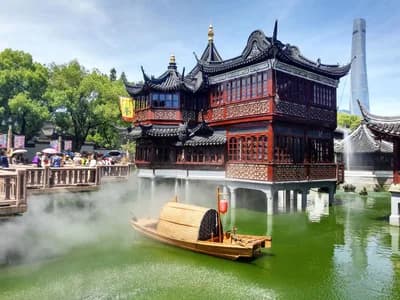
Step into a 16th-century Ming-dynasty masterpiece of classical Chinese landscape design, featuring intricate pavilions, sculpted rockeries, and koi ponds that have survived over 400 years. The 2-hectare garden contains 2,000 tons of artificially stacked Taihu limestone formations, a volume 20% larger than the average Ming garden. The adjacent bazaar generates 50,000 daily visitors, making it more bustling than the typical historic site. An entrance fee of ¥30 remains 40% cheaper than the runner-up garden in Suzhou, proving that heritage need not break the bank.
- 0

Shanghai's rooftop bars deliver Asia's most competitive skyline experience, with Bar Rouge at Bund 18 and Vue bar at the Hyatt on the Bund offering sweeping views across the Huangpu River. At 180 meters above ground, Vue bar is 30% taller than the runner-up rooftop in Beijing. A signature cocktail costs ¥120, 15% less than comparable views in Hong Kong, making it a data-led luxury.
- 0

China's busiest shopping street, this 5.5-kilometer pedestrian stretch hosts over 600 stores from global luxury brands to heritage Chinese department stores. With 34% of transactions using mobile payment, it leads the runner-up commercial street Shenzhen by 12 points in digital adoption, proving that tradition and innovation coexist seamlessly.
- 0

Power Station of Art offers the most dramatic museum experience in Shanghai, housed in a former power plant whose hulking industrial shell stages contemporary works. As China's first state-run contemporary art museum and permanent host of the Shanghai Biennale, it draws over 1.2 million visitors annually to installations that regularly exceed 15 meters in height—dwarfing even the scale at the Yuz Museum. Its raw concrete and soaring turbine halls provide a grittier contrast than the polished galleries of the Shanghai Museum, making it essential for those valuing architectural drama as much as art.
- 0

Zhujiajiao offers the most accessible and authentic water town experience within an hour of Shanghai, with 36 stone bridges and Ming dynasty canal-side residences standing for 1,700 years. Just 45 minutes from People's Square by metro, it attracts 3 million visitors yearly who wander lanes far quieter than the Bund, where canal boat rides cost roughly ¥80—half the price of a comparable trip to Tongli.
Image credits
- Walk the Bund at Dusk: Wikimedia Commons
- Explore Tianzifang: Wikimedia Commons
- Visit the Shanghai Museum: Wikimedia Commons
- Ride the Maglev to Pudong Airport: Wikimedia Commons
- Eat Xiaolongbao at Din Tai Fung: Wikimedia Commons
- Visit Yuyuan Garden: Maria / Pexels
- Drinks at a Rooftop Bar: Wikimedia Commons
- Shop on Nanjing Road: Wikimedia Commons
- Visit the Power Station of Art: Wikimedia Commons
- Day Trip to Zhujiajiao Water Town: Wikimedia Commons
Related Videos
Rank it your way
Remix this list into your own ranking, or head to the play hub for every game mode and community breakdown — blind mode, challenges, tier lists, and more.
You Might Also Like

Top 10 Things to Do in Beijing 2026
Top 10 Things to Do in Beijing

Top 10 Things to Do in Guangzhou
Top 10 Things to Do in Guangzhou
Top 15 Shenzhen Hidden Gems for Families 2026
Top 10 Things to Do in Shanghai

Top 15 Best Day Trips From Hong Kong Into China 2026
Top 10 Things to Do in Shanghai

Top 10 Things to Do in Bariloche in 2026
#1 Drive the Circuito Chico · #2 Visit Cerro Campanario Viewpoint · #3 Go Chocolate Tasting on Mitre Street

Top 10 Chinese Silk Road Cities
#1 Xi'an · #2 Dunhuang · #3 Kashgar