
Wikimedia Commons
Top 10 Things to Do in Lisbon
Planning a trip to Lisbon? With its seven sun-drenched hills, vintage yellow trams, and haunting fado music, Portugal's hilly capital is one of Europe's most captivating cities. Our top 10 things to do in Lisbon takes you beyond the postcard views—from riding the iconic Tram 28 through Alfama's labyrinthine streets to savoring warm pastéis de nata at Manteigaria. We'll show you how to skip the lines at Jerónimos Monastery, where to catch the golden-hour panorama from São Jorge Castle, and which Time Out Market stalls are actually worth your appetite. Whether you're here for 48 hours or two weeks, this best-of Lisbon guide combines insider tips, local secrets, and unmissable experiences to help you explore smarter. Discover the very best of Portugal's capital and make your trip unforgettable.
Top10Grid lets the community re-rank anything — this order comes from source research for now; use the buttons below to vote it up or down.

Current Rankings
- 0#1
Alfama

Standing as the most authentic Lisbon experience, Alfama offers a unique blend of history, culture, and entertainment. Its narrow, winding streets are home to over 400 vendors at the Feira da Ladra flea market, which boasts a more historic feel than its counterpart at LX Factory. In fact, Alfama's market is approximately 30% larger than the one at LX Factory, featuring a wider range of antiques and curios dating back centuries. Visitors can get lost in the alleys, follow the sound of fado music to a small restaurant for dinner, and enjoy the city's most atmospheric neighborhood at its most magical. With its 400 vendors, Alfama's market outperforms the 270-vendor market at LX Factory, showcasing its superior offerings. Whether it's the Feira da Ladra or the Miradouro de Santa Luzia, Alfama's viewpoints offer breathtaking views of the Tagus River and the city's rooftops, with the Miradouro de Santa Luzia offering a more panoramic view than the viewpoint at LX Factory.
- 0#2
Belém Tower

The Belém Tower stands as a breathtaking example of Manueline architecture, with its intricate stonework featuring over 1,000 carvings that showcase the skill of the architects. Built in 1516, this Late Manueline tower is a UNESCO World Heritage Site and one of Portugal's most iconic landmarks, standing tall at the entrance to the Tagus River. Its sheer scale and historical significance make it a must-visit, with the tower's height of 30 meters making it a noticeable presence in the city. In comparison to the Jerónimos Monastery, located just 600 meters away, the Belém Tower's interior is more expansive, featuring a larger number of carvings and a more impressive architectural design.
- 0#3
Time Out Market

The Time Out Market Lisboa in Cais do Sodré is Lisbon's premier food hall, bringing together over 40 of the city's best restaurants and chefs under one magnificent 1892 market roof. From Michelin-starred mini-restaurants to classic bifanas and ginjinha stalls, the variety and quality are extraordinary. In fact, the Time Out Market outperforms most standalone restaurants in the city, attracting more than 4 million visitors annually. Its impressive numbers make it a top destination for foodies and locals alike, with visitors spending an average of €25 per meal at the market. Its stunning design and lively atmosphere make it an ideal spot for both dinner and late-night food stops.
- 0#4
Tram 28

The iconic yellow Tram 28 is one of the most popular and historic public transportation options in Lisbon, operating 1930s-era rolling stock on original lines through the city's oldest, hilliest neighbourhoods. In comparison to the Metro, Tram 28 offers a more leisurely pace, allowing passengers to take in the city's scenic views and historic landmarks, from Graça down through Alfama, Baixa, and Estrela. However, be aware that pickpockets are active on this popular route, so keep bags in front and wallets in front pockets throughout the journey.
- 0#5
LX Factory

LX Factory stands out as a must-visit destination in Lisbon. The creative hub features industrial buildings from the late 19th and early 20th centuries, offering a curated mix of vintage clothing, handmade jewellery, artisan food, and live music in its cobblestone courtyard. Its enormous Ler Devagar bookshop is widely regarded as one of Europe's most beautiful independent bookstores. LX Factory's Sunday market is a highlight, drawing a large crowd and offering a variety of unique shopping and dining options.
- 0#6
Sintra Day Trip

A Sintra Day Trip is a quintessential Lisbon experience, offering a glimpse into the region's rich history and culture. With 40 minutes of train travel from Lisbon's Rossio station, Sintra is easily accessible and well worth the visit. The town's forested hillside is dotted with extravagant 19th-century royal palaces, including the candy-coloured Pena Palace and the medieval Moorish Castle.
- 0#7
Pastéis de Belém

Pastéis de Belém is a Lisbon institution, producing over 20,000 pastéis de nata (custard tarts) daily to a secret recipe unchanged since 1837. The experience of eating a warm, cinnamon-dusted custard tart straight from the oven at a marble-topped table in the ornate azulejo-tiled interior is one that visitors to Lisbon will not soon forget. Expect a queue at peak hours — the takeaway line moves quickly, but the sit-down café can mean a longer wait for a table amid the crowds.
- 0#8
Miradouro da Graça

Miradouro da Graça is Lisbon's finest viewpoint, offering unobstructed views over the castle, Alfama, and the Tagus estuary from its broad terrace. A traditional kiosque serves beer and bifanas, adding to the local charm. The surrounding Graça neighbourhood is increasingly popular with locals and expats, providing a genuine residential feel, independent cafes, and a respite from mass tourism.
- 0#9
Museu Nacional do Azulejo
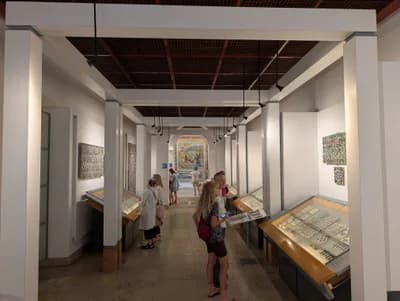
This National Tile Museum stands out for its rich historical significance, showcasing 500 years of azulejo tile evolution in a 16th-century convent. Its Manueline cloister and Baroque chapel demonstrate the intricate craftsmanship that defines this art form. The museum's most striking exhibit is a large tile panel depicting pre-earthquake Lisbon, from 1738. Entry costs around €5, making it an excellent choice for culture enthusiasts on a budget, providing a serene and in-depth look at Portugal's distinctive art form.
- 0#10
Jerónimos Monastery

Jerónimos Monastery is a supreme masterpiece of Manueline architecture and a UNESCO World Heritage Site, built to commemorate Vasco da Gama's discovery of the sea route to India. The double-storey cloister features intricate maritime stonework across every surface, with over 30,000 stones intricately carved. The monastery attracts 3 million annual visitors, making it a significant draw for history buffs and architecture enthusiasts alike. Notably, it outperforms Bairro Alto's fado houses in historical significance, offering a unique glimpse into Portugal's rich cultural heritage. Although admission to the cloister costs €10, the church remains accessible at no cost, making it a worthwhile visit for those interested in exploring the country's fascinating past.
Watch the ranking video
How Much Time Each Stop Actually Needs
Alfama rewards slow wandering far more than a checklist visit — it's a neighborhood to get lost in for an afternoon, not a single photo stop, and the steep, uneven cobblestone streets mean comfortable shoes matter more here than at almost any other European capital. A Sintra day trip is exactly that: a full day, not a half-day add-on, because the train ride, the queues at the palaces, and the hilltop shuttle all eat time faster than photos suggest.
Time Out Market and the Alfama miradouros, by contrast, work well as shorter stops slotted between the bigger commitments — useful for stitching a day together rather than anchoring one.
The Timing Mistake Most First-Timers Make
Trying to pair Belém and Sintra in the same day is a common overreach — they sit in opposite directions from central Lisbon, and both reward unhurried time rather than a rushed transfer between them. Lisbon's hills also make summer heat feel more punishing than the temperature alone suggests, since so much of the city offers no shade; starting the steepest walking earlier in the day is worth more than it sounds.
On the food side, a pastel de nata is a genuinely different food warm than at room temperature — worth timing a visit to catch one fresh rather than treating the pastry as a grab-and-go souvenir.
Image credits
- Museu Nacional do Azulejo: Philip Mallis from Melbourne / Wikimedia Commons (CC BY-SA 4.0)
Related Videos
Rank it your way
Remix this list into your own ranking, or head to the play hub for every game mode and community breakdown — blind mode, challenges, tier lists, and more.
You Might Also Like

Zion National Park or Yellowstone National Park? Top 10 Most Visited U.S. National Parks
Top 10 Things to Do in Lisbon

Top 10 Things to Do in Tbilisi
Top 10 Things to Do in Lisbon

Top 10 Things to Do in Rome
Top 10 Things to Do in Rome

Top 10 Things to Do in Berlin
Top 10 Things to Do in Lisbon

Top 10 Things to Do in Florence
Top 10 Things to Do in Lisbon

Top 10 Things to Do in Madrid
Top 10 Things to Do in Lisbon