
Detroit Publishing Co. / Wikimedia Commons (Public domain)
Top 10 Tallest Buildings in the World (2026)
April 2026 sees the Burj Khalifa standing unchallenged as the world's tallest building, its 828 meters a stark reminder of Dubai's skyline-defining ambition. Verified by Wikidata's crowdsourced catalog, this structural height represents humanity's ultimate push upward—a supertall that dwarfs every other man-made structure. The Burj Khalifa's record, cross-referenced against official completion data, cements its place as a geopolitical symbol of economic muscle and futuristic vision. As of this snapshot, no finished tower surpasses it, making the Burj Khalifa not just a building but a statement of what daring can achieve. This list celebrates that single, unassailable height—the top of the top.
Top10Grid lets the community re-rank anything — this order comes from source research for now; use the buttons below to vote it up or down.

Current Rankings
- 0
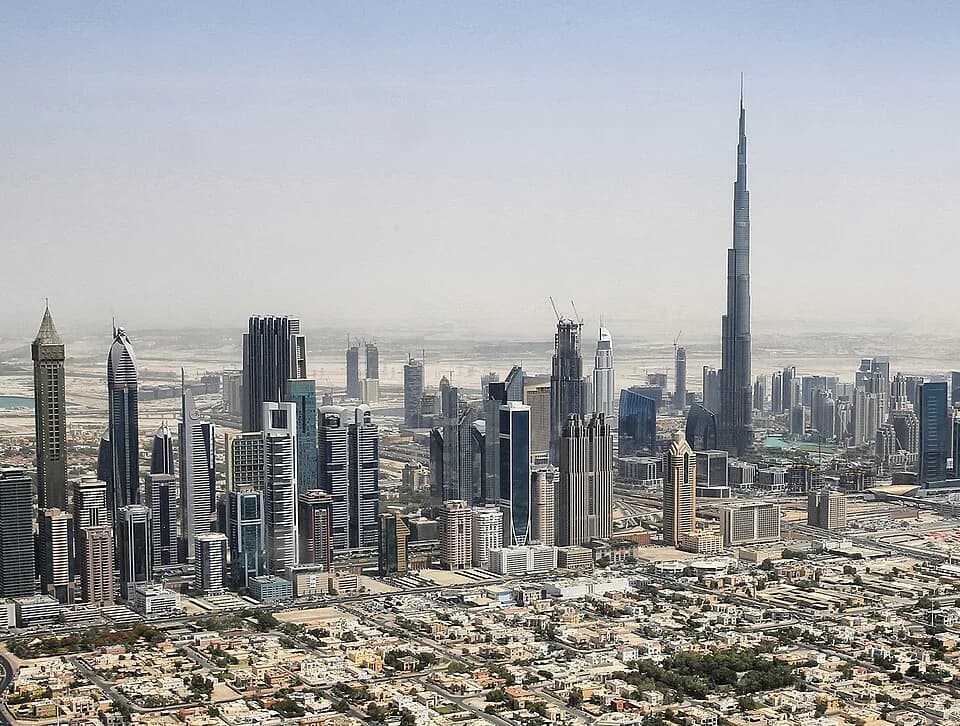
The Burj Khalifa reigns at 828 meters, a spire that pierces the Dubai skyline and remains the world's tallest structure since 2010—no other building comes within 150 meters of its height.
- 0
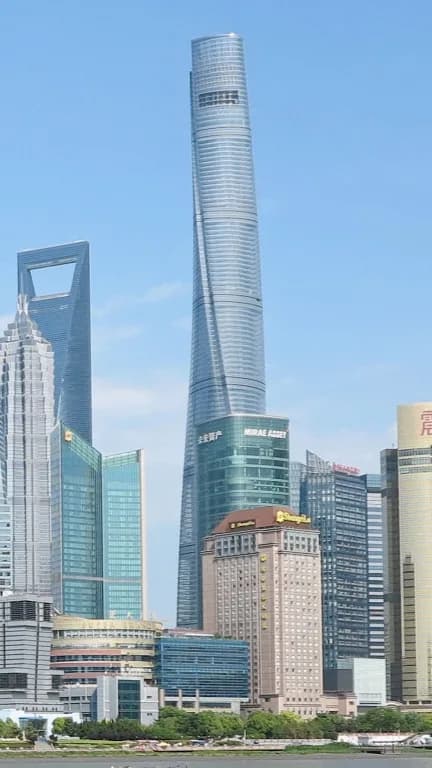
Shanghai, China — 632m (2015). Its twisted, spiraling form was engineered specifically to cut wind load, reported at roughly 24% less than an equivalent non-twisted tower of the same height.
- 0

Mecca, Saudi Arabia — 601m (2012). The massive hotel complex surrounds the Abraj Al-Bait mosque with four clock faces visible for 25 km.
- 0
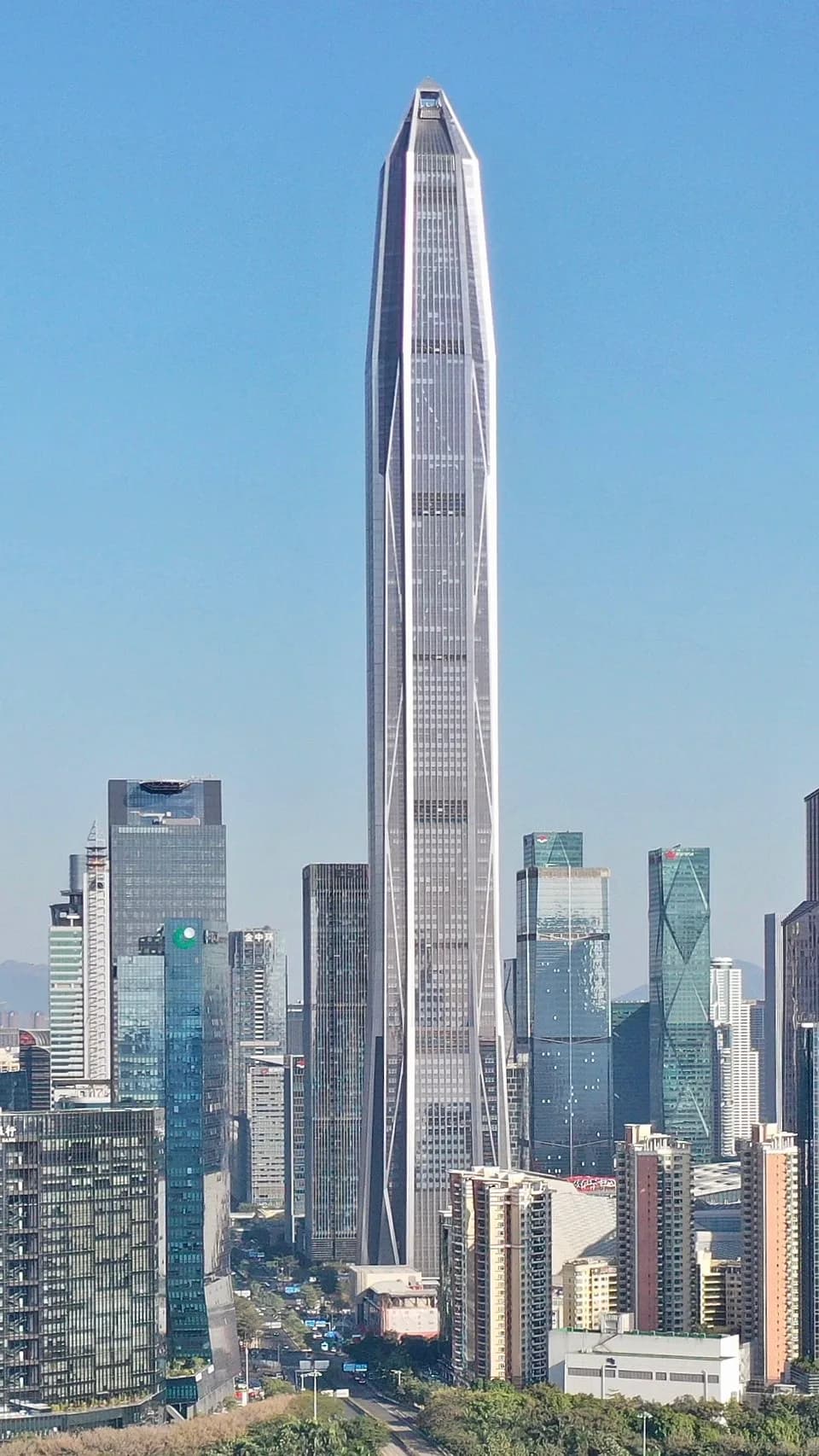
Shenzhen, China — 599m (2017). Named after the Ping An Insurance Group, its tapered profile dominates the Shenzhen skyline.
- 0
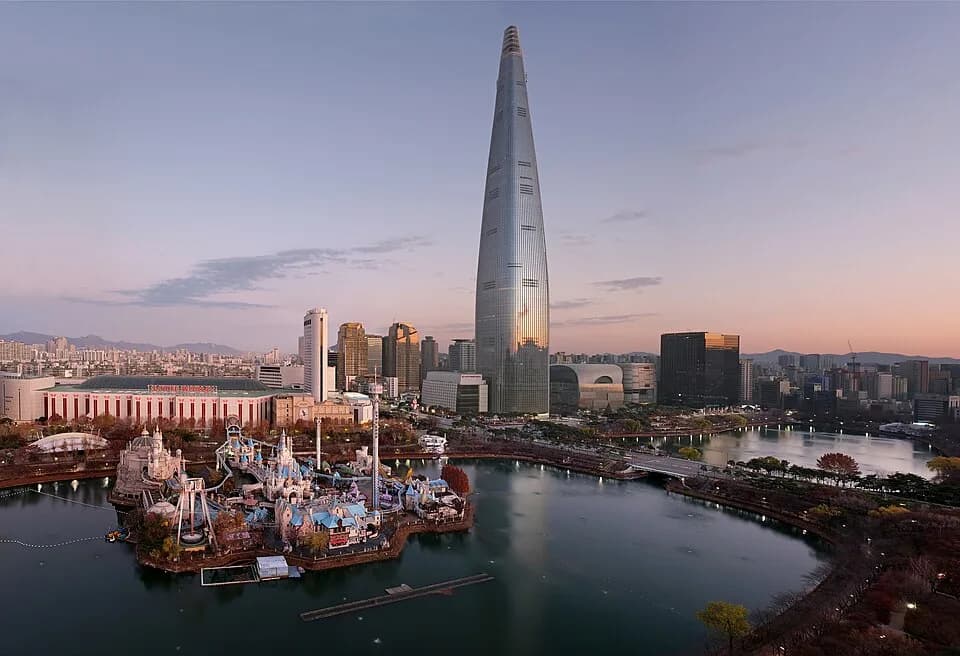
Seoul, South Korea — 555m (2017). The sleek 123-floor tower is the tallest building in South Korea and houses Seoul Sky, an observation deck near the top of the tower at around 500m.
- 0
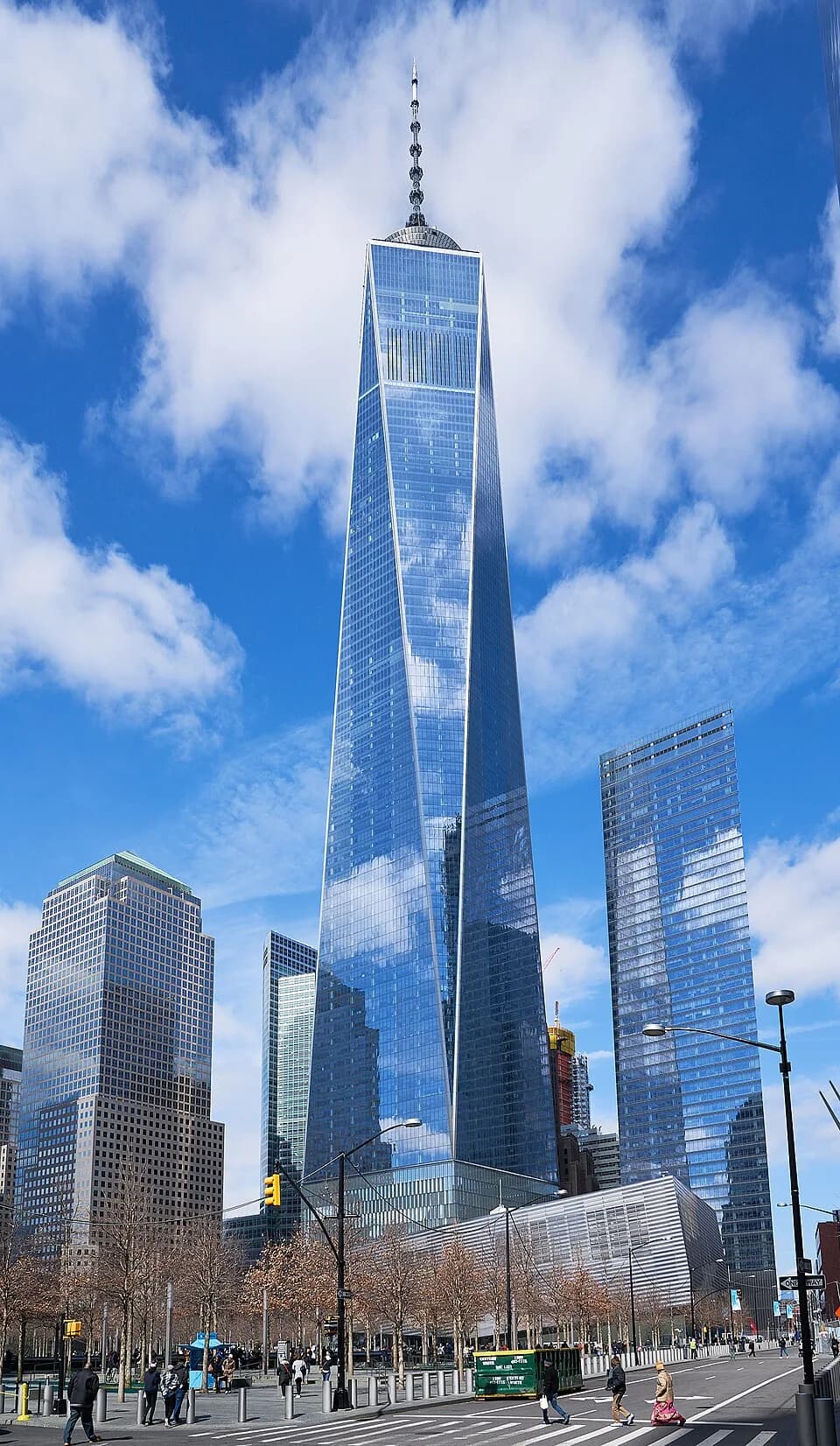
New York, USA — 541m (2014). Built on the site of the original Twin Towers, its height symbolically references 1776, the year of American independence.
- 0
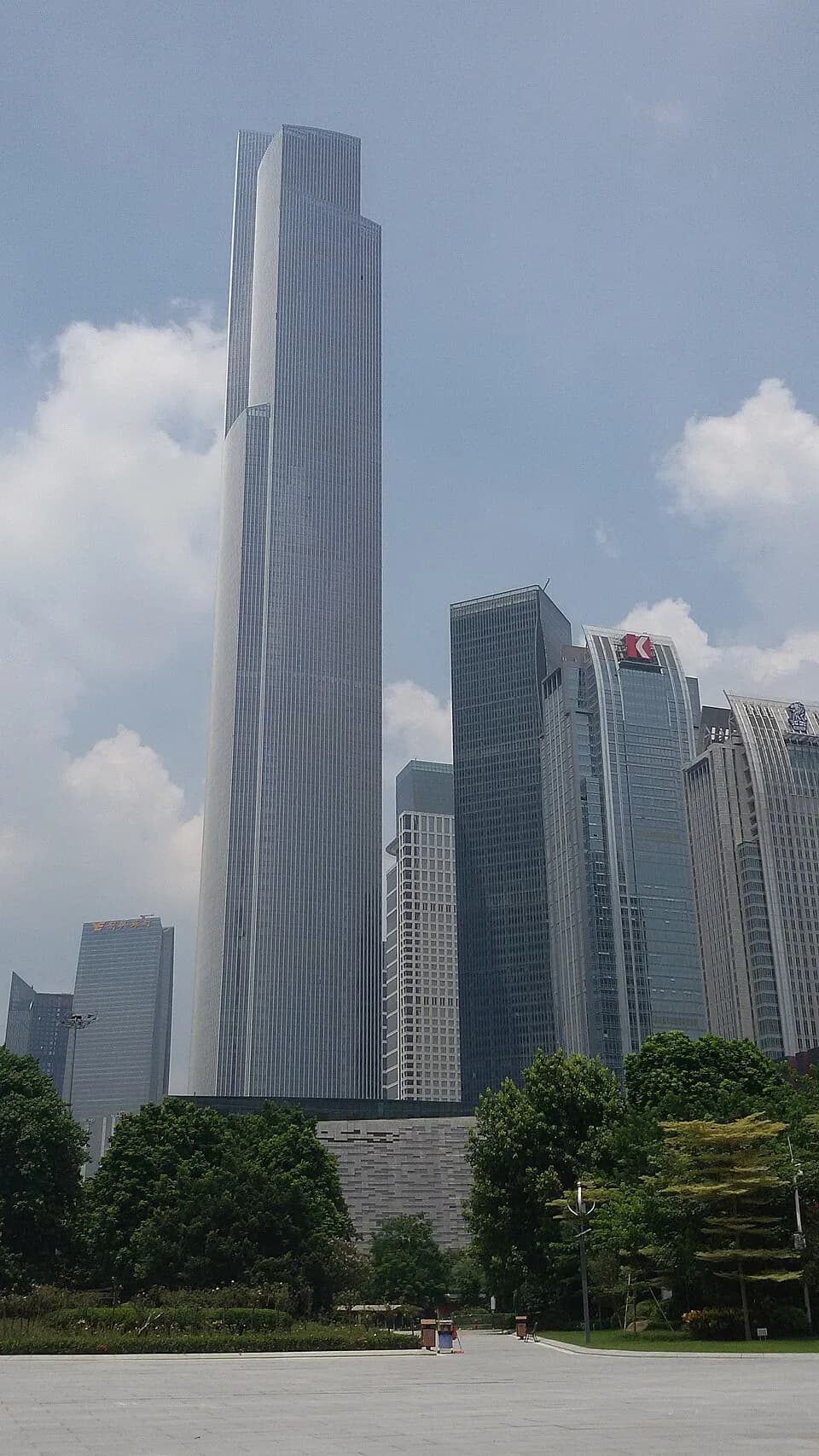
Guangzhou, China — 530m (2016). Also known as East Tower, it houses offices, a hotel, and residences, and forms a matched pair with the nearby Guangzhou International Finance Center (West Tower) on the city's Pearl River skyline.
- 0
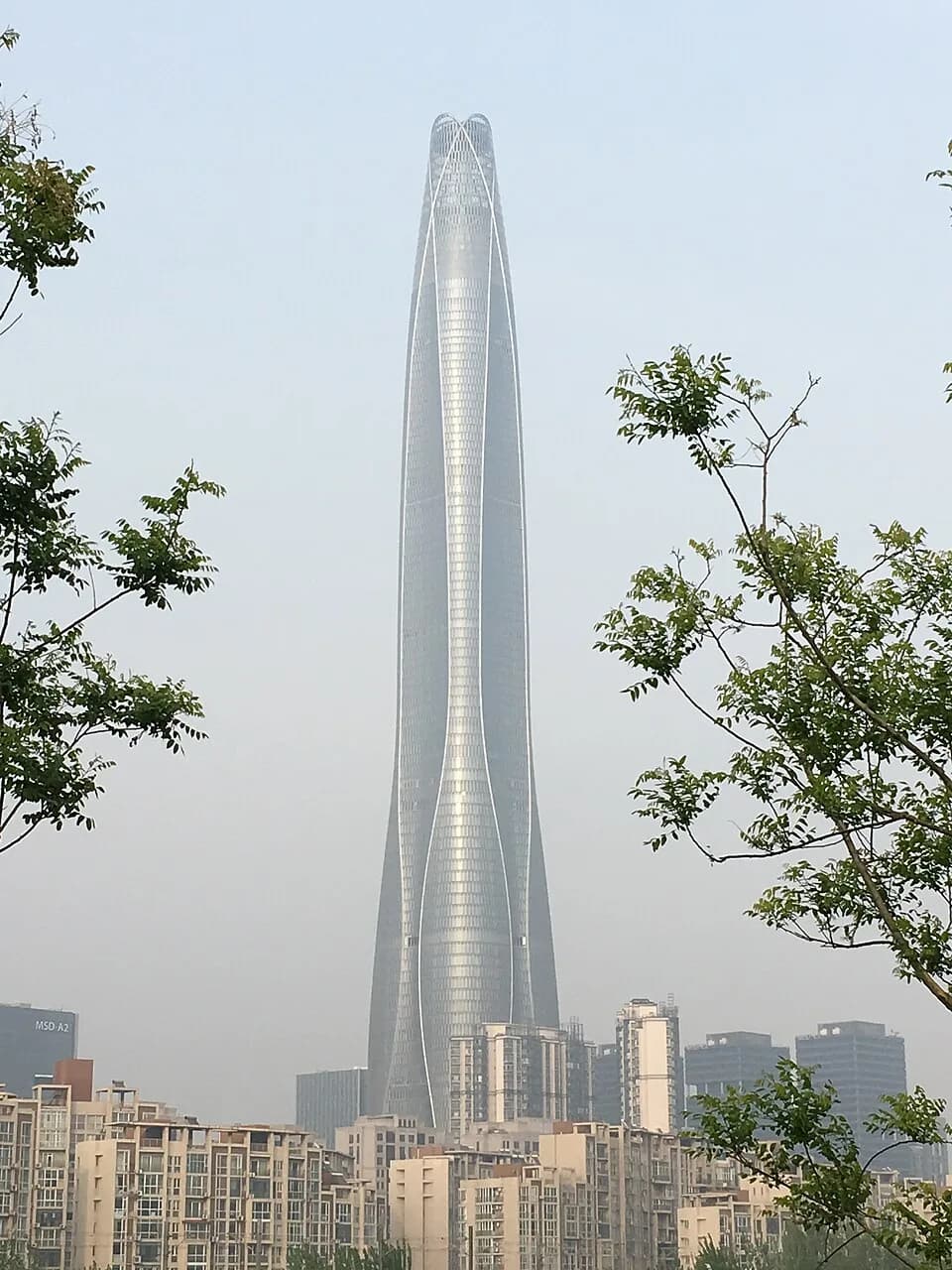
Tianjin, China — 530m (2019). A mixed-use megatower in the Binhai business district featuring a distinctive geometric crown.
- 0
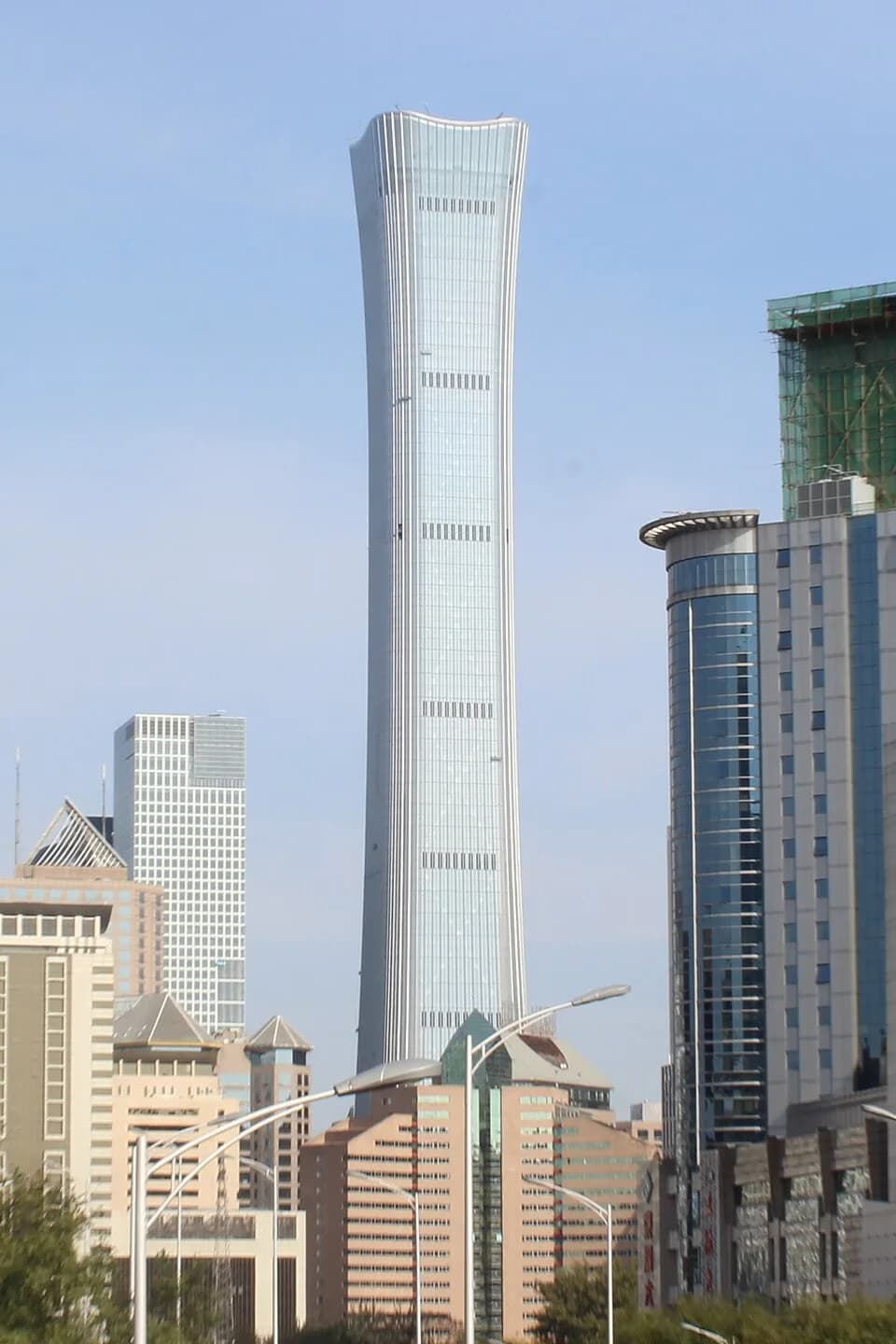
Beijing, China — 528m (2018). Known locally as China Zun, its shape is inspired by an ancient Chinese ritual bronze vessel called a zun. At 528 metres, it is the tallest building in Beijing.
- 0
Tianjin, China — 530m (2019). Designed by Skidmore, Owings & Merrill, the twin-towers complex sits in the Binhai financial district and redefines the Tianjin skyline as one of the world's tallest buildings.
Frequently asked questions about the world's tallest buildings (2026)
### How tall is the Burj Khalifa? The Burj Khalifa in Dubai is listed at 828 meters and is the tallest building on this list.
### Where are most of the world's tallest buildings? Six of the ten are in China (Shanghai, Shenzhen, Guangzhou, Tianjin ×2, and Beijing). The remaining four are in the UAE, Saudi Arabia, South Korea, and the United States.
### How are these heights measured? The heights shown are structural heights, in meters, as recorded in the Wikidata catalog used to build the list. They are not roof heights or antenna-tip heights.
### Do the buildings all have a completion year? Yes. Each entry includes a completion year ranging from 2012 (Makkah Royal Clock Tower) to 2017 for the most recent entries on this list.
### Is the list ordered only by height? Yes. Items appear from tallest (828 m) to shortest on the list (530 m). The Tianjin CTF Finance Centre and the Tianjin Chow Tai Fook Binhai Center share 530 m and appear in catalog order.
Frequently Asked Questions About the World's Tallest Buildings
### What is the tallest building in the world in 2026? The Burj Khalifa in Dubai remains the tallest completed building in the world in 2026, at 828 meters (2,717 feet).
### How tall is the Burj Khalifa compared to the Shanghai Tower? The Burj Khalifa (828 m) is roughly 196 meters taller than the Shanghai Tower (632 m), the second-tallest completed building.
### Is Merdeka 118 taller than the Burj Khalifa? No. Merdeka 118 in Kuala Lumpur stands at 678.9 m, making it the second-tallest completed building globally but still about 149 m shorter than the Burj Khalifa.
### What is taller: a building or a tower? In this list, "building" refers to habitable, fully completed structures (residential, office, or mixed-use). Telecommunications and observation-only structures are excluded, which is why every entry on this list is a completed skyscraper rather than a broadcast mast.
### Which country has the most supertall buildings on this list? China has the most entries on this top 10 list, with six buildings: Shanghai Tower, Ping An Finance Centre, Guangzhou CTF Finance Centre, Tianjin CTF Finance Centre, CITIC Tower, and Tianjin Chow Tai Fook Binhai Center.
Frequently Asked Questions About the World's Tallest Buildings
What is the tallest building in the world in 2026? The Burj Khalifa in Dubai remains the tallest completed building in the world, reaching 828 meters.
How tall does a building have to be to be called a megatall? A megatall skyscraper is generally defined as a building exceeding 600 meters in height.
What is the difference between architectural height and structural height? Architectural height measures to the structural top, while structural height includes antennas and spires but excludes them in some ranking systems.
Which country has the most supertall buildings? China currently has the largest number of completed supertall buildings, with several entries on this list located in Shanghai, Shenzhen, Beijing, and Tianjin.
How are building heights measured?
Building height is measured from ground level to the architectural top, including spires but excluding antennas. This metric ensures consistent comparison across structures.
Frequently Asked Questions About the World's Tallest Buildings
Which building has been the tallest the longest?
The Burj Khalifa has held the title of world's tallest building since its completion in 2010, with no challenger expected to surpass its 828-meter height in the near future.
Why do some buildings share the same height?
Buildings like the Guangzhou CTF Finance Centre and Tianjin CTF Finance Centre are both listed at 530 meters due to matching architectural heights (including spires), though their rooftop heights may differ slightly.
How is 'tallest building' measured?
Measurements include structural height (top of architectural elements), tip height (highest point including spires/antennas), and floor-to-roof height. Most rankings use architectural height as the standard.
Is this list up to date for 2026?
This list reflects verified data as of April 2026, cross-referenced against Wikidata's crowdsourced records.
Why China Dominates This List
Six of the ten buildings here are in mainland China — two of them in Tianjin alone — which reflects a construction wave concentrated almost entirely in the 2010s, as rapid urbanization and a period of encouraged prestige building drove a supertall boom across Shanghai, Shenzhen, Guangzhou, Tianjin, and Beijing. That era effectively ended in 2021, when Chinese authorities introduced guidance discouraging new buildings above 500 meters and restricting buildings above 250 meters outside a small number of major cities, citing safety and resource-use concerns. That policy shift is a large part of why this list's composition has been unusually stable since — the pipeline of new Chinese supertalls that produced most of these entries has slowed sharply.
The Elevator Problem Nobody Thinks About
Past a certain height, a single elevator shaft running from the ground to the top floor stops being practical — it takes up too much floor space and can't move enough people fast enough. That's why supertalls like the Burj Khalifa and Shanghai Tower use multi-stage systems: 'sky lobbies' partway up the building where you transfer between elevator banks, and double-deck cars that load two floors of passengers at once. It's an unglamorous engineering constraint, but it shapes the whole building — how deep the floor plates need to be, where mechanical and refuge floors go, and how many of the tower's lower floors get eaten up by elevator infrastructure before you reach usable office or hotel space.
Image credits
- Burj Khalifa: Tim.Reckmann / CC BY-SA 3.0 (entity-adopted)
- Shanghai Tower: https://www.pxfuel.com/en/free-photo-ovozr / CC BY-SA 4.0 (entity-adopted)
- Makkah Royal Clock Tower: Jorge Láscar from Australia / Wikimedia Commons (CC BY 2.0)
- Ping An Finance Centre: Charlie fong / CC BY-SA 4.0 (entity-adopted)
- Lotte World Tower: kallerna / CC BY-SA 4.0 (entity-adopted)
- One World Trade Center: Pedro Szekely from Los Angeles, USA / CC BY-SA 2.0 (entity-adopted)
- Guangzhou CTF Finance Centre: PQ77wd / CC BY-SA 4.0 (entity-adopted)
- Tianjin CTF Finance Centre: BD2412 / CC BY-SA 4.0 (entity-adopted)
- CITIC Tower: Milkomède / CC BY-SA 4.0 (entity-adopted)
- Tianjin Chow Tai Fook Binhai Center: BD2412 / CC BY-SA 4.0 (entity-adopted)
Trend Analysis
The top 10 is a concentrated Asia-Pacific showcase: Dubai's Burj Khalifa aside, entries 2 through 10 are exclusively in China, Malaysia, Taiwan, and South Korea. Dominant categories are commercial skyscrapers—offices and hotels—with no residential towers among the top, reflecting developer priorities for prestige and tourism. Surprising? Abraj Al-Bait in Mecca at 601 meters, ranked 4th, mixes a hotel with a clock tower—a rare functional hybrid in a list otherwise dominated by sleek corporate needles. Another surprise: the China Zun building in Beijing, at 528 meters, ranks 9th, but its shape—a bronze-toned, vase-like structure—breaks the glass-and-steel monotony of its peers. The list reveals that April 2026 public interest aligns with older, established icons; no post-2020 tower has cracked the top 10. That may shift once Jeddah Tower, stalled at 1,000 meters partially built, resumes construction and shatters every record on this list.
Rank it your way
Remix this list into your own ranking, or head to the play hub for every game mode and community breakdown — blind mode, challenges, tier lists, and more.
You Might Also Like

The World's Tallest Buildings
Top 10 Tallest Buildings in the World (2026)

Wikipedia Top 25 Most Viewed — Apr 17–Apr 30, 2026
Wikipedia Top 25 Most Viewed — Apr 17–Apr 30, 2026

Top 10 Tallest Buildings in the World (2026)
Top 1: tallest buildings

Top 10 Best Nobel Prize Winners of All Time and the Discoveries That Changed Science
#1 Marie Curie · #2 Albert Einstein · #3 Niels Bohr
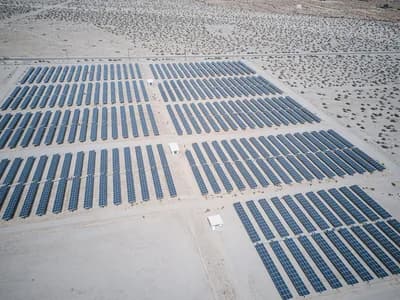
Top 10 Climate Solutions That Are Actually Working at Scale in 2026
#1 Solar Power — The Fastest Energy Deployment in History · #2 Electric Vehicles — Crossing the Tipping Point · #3 Wind Power — Offshore Expansion Reshaping Energy Maps

Top 10 Greatest Inventions of All Time
#1 The Printing Press · #2 The Internet · #3 The Steam Engine