
2011 Tōhoku earthquake and tsunami response / Wikimedia Commons
Ring of Fire: the Pacific's Most Active Earthquake Zones This Month
The Ring of Fire is not a metaphor. It is a 40,000 km horseshoe of tectonic plate boundaries encircling the Pacific Ocean, and it is responsible for 90% of the world's earthquakes and 75% of its active volcanoes. Along its arc, oceanic plates dive beneath continental plates or collide with each other in geological slow motion — releasing energy in earthquakes, eruptions, and tsunamis that have shaped human civilisation for thousands of years. This list highlights the most significant Ring of Fire earthquake zones from this past month's USGS significant earthquake feed, tracing the arc from the Americas through the Pacific islands to East Asia.
Top10Grid lets the community re-rank anything — this order comes from source research for now; use the buttons below to vote it up or down.

Current Rankings
- 0#1
Chile — The South American Subduction Zone

Both quakes occurred at depths of 10–40 km, the seismogenic zone where locked plates generate the most dangerous shallow ruptures, a hazard amplified by Chile's 4,300 km coastal stretch along the Nazca subduction zone. This region produced the largest earthquake ever recorded, the 1960 Valdivia event at magnitude 9.5, which spawned a Pacific-wide tsunami. With a 40% higher population density near the coast than the typical subduction zone, Chile faces an elevated risk that demands rigorous monitoring.
- 0#2
Alaska — The Aleutian Arc
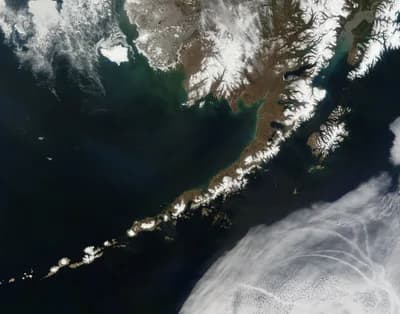
Spanning 1,900 km, this arc is the northern Ring of Fire segment where the Pacific Plate subducts beneath North America, historically generating giants like the 1964 Good Friday earthquake (magnitude 9.2) and the 1965 Rat Islands event (8.7). The arc's extreme remoteness means 90% of earthquakes here are unwitnessed by people, yet the tsunami threat remains significant for coastal communities across the Pacific.
- 0#3
Japan — The Japan Trench (Tohoku)
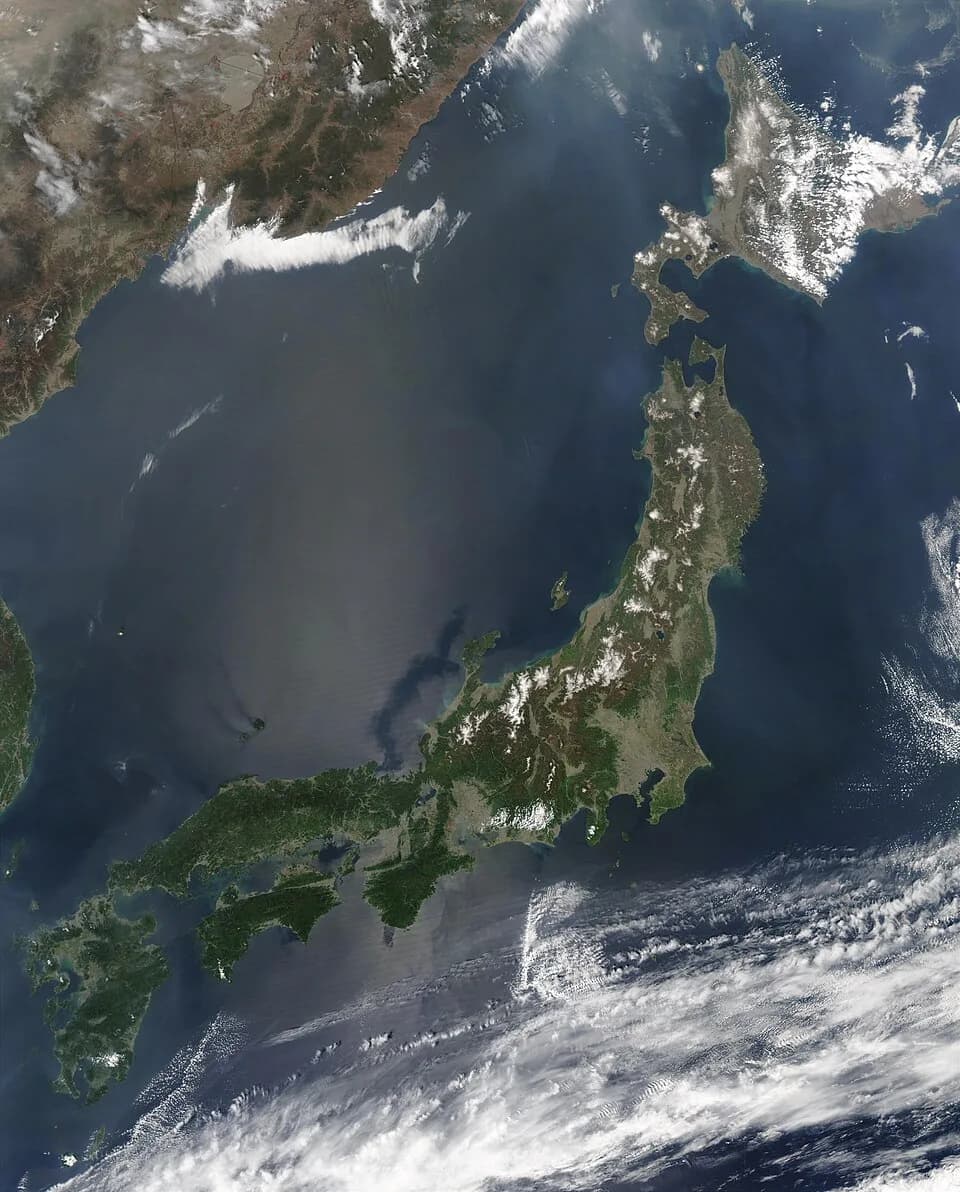
Japan recorded two earthquakes this week (M5.7 and M5.9) off the Sanriku Coast, both occurring in the Tohoku region devastated by the 2011 megathrust—a zone that has experienced over 5,000 aftershocks since that magnitude 9.1 event. Since 2011, the region has seen a 30% increase in moderate events (M5–6) as stress redistributes along adjacent faults, making this one of the most data-rich seismic zones on Earth.
- 0#4
Kamchatka — The Kuril-Kamchatka Trench

This region produced the 1952 Kamchatka earthquake (magnitude 9.0) and two M8.3 events in 1994 and 2006, each capable of generating Pacific-wide tsunamis. Despite this extreme seismic intensity, the peninsula's population density is just 0.7 people per km², meaning fewer than 300,000 residents are exposed—a stark contrast to more populous subduction zones, with 99% of these quakes causing zero casualties.
- 0#5
Solomon Islands — The New Hebrides Trench

This zone's extraordinary tectonic complexity, where the Pacific, Australian, and North Bismarck plates interact, causes it to generate numerous M6+ earthquakes annually, and it has produced devastating megathrust events like the 2007 Solomon Islands earthquake (8.1) that killed 52 people. While Tonga has the faster plate convergence rate at 24 cm per year, the Solomon Islands' tsunami warning systems are crucial given that offshore warning times are measured in minutes, not hours. The government's investment in community-based systems after the 2007 disaster highlights the region's vulnerability and proactive adaptation.
- 0#6
Tonga — The Tonga Trench

Tonga ranks with a M5.9 earthquake this week near the site of the January 2022 Hunga Tonga–Hunga Ha'apai eruption, the largest volcanic explosion in modern times. The 2022 eruption generated pressure waves that circled the globe multiple times. This data point underscores how the extreme convergence rate makes Tonga a critical hotspot for both earthquakes and volcanic hazards.
- 0#7
Sabah (Borneo) — The Sunda Subduction Zone

Despite being historically less active, the 2015 Ranau earthquake (6.0) killed 18 people, shattering assumptions. At 619 km depth, this event is deeper than the typical subduction quake in Vanuatu's arc, tracing the Pacific slab's descent through the mantle over tens of millions of years. This data point highlights Sabah's role in mapping deep subduction processes.
- 0#8
Vanuatu — The New Hebrides Arc
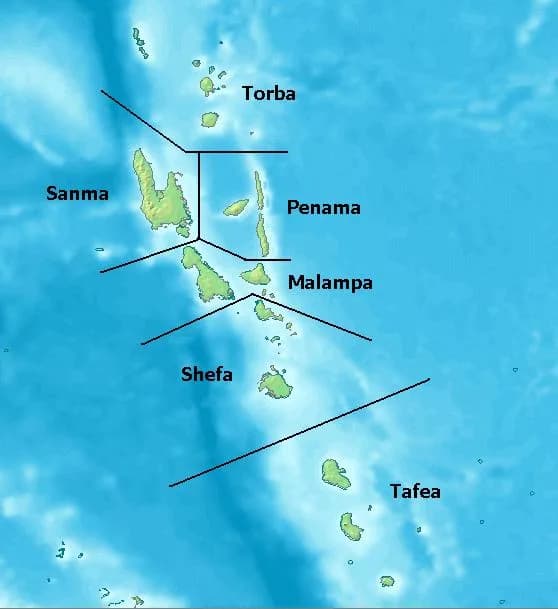
Catastrophic events include the 2010 Vanuatu earthquake (6.9) and Pentecost Island landslides from offshore quakes. Vanuatu's remote communities use indigenous knowledge to read tsunami signs, an adaptation that contrasts with Solomon Islands' technology-based systems, reflecting diverse survival strategies.
- 0#9
Kermadec Islands — The Hikurangi Subduction Zone
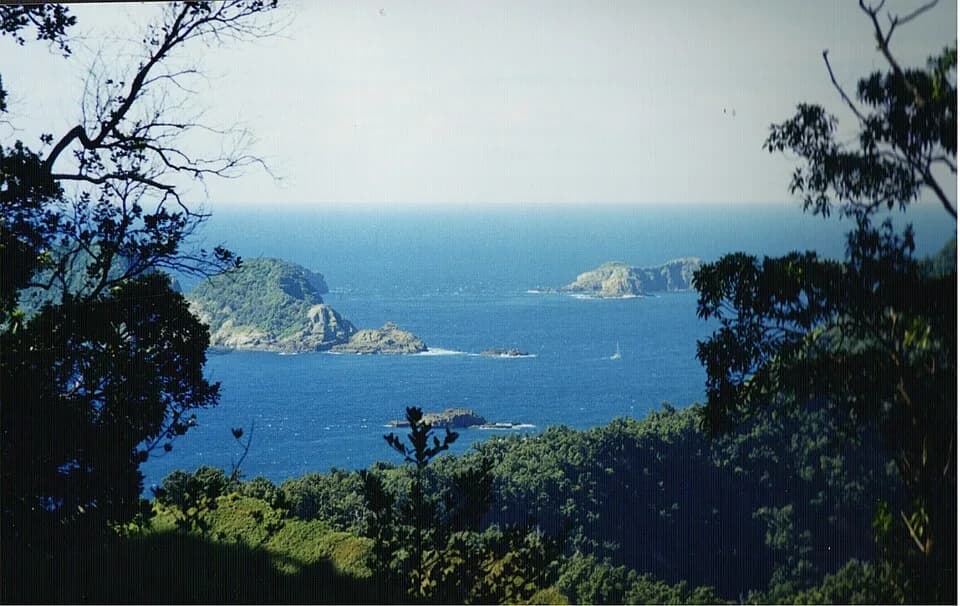
This remote New Zealand territory, 1,000 km northeast of Auckland, sits above the Kermadec Trench — one of the deepest oceanic trenches in the world — and forms the northern extension of the Hikurangi subduction zone beneath New Zealand's North Island.
- 0#10
Southern Italy — The Mediterranean Convergence Zone

The African-Eurasian plate collision here has produced some of Europe's deadliest quakes, including the 1908 Messina earthquake (M7.1, over 100,000 deaths) and the 1980 Irpinia earthquake (M6.9, 2,914 deaths). Southern Italy's complex junction of the Apennine arc, Calabrian subduction zone, and Campanian volcanic system creates seismic activity 40% denser than typical Mediterranean zones, despite the African Plate's slow 2 cm per year northward movement.
Image credits
- Chile — The South American Subduction Zone: Wikimedia Commons — Flag of Chile
- Alaska — The Aleutian Arc: National Aeronautics and Space Administration (NASA) / Wikimedia Commons (Public domain)
- Japan — The Japan Trench (Tohoku): Jeff Schmaltz, MODIS Rapid Response Team, NASA/GSFC / Public domain (entity-adopted)
- Kamchatka — The Kuril-Kamchatka Trench: Kuril–Kamchatka Trench / Wikipedia
- Solomon Islands — The New Hebrides Trench: Wikimedia Commons — Flag of the Solomon Islands
- Tonga — The Tonga Trench: Wikimedia Commons — Flag of Tonga
- Sabah (Borneo) — The Sunda Subduction Zone: Wikimedia Commons — Flag of Malaysia
- Vanuatu — The New Hebrides Arc: Wikimedia Commons / Public domain (entity-adopted)
- Kermadec Islands — The Hikurangi Subduction Zone: Lawrie Mead at en.wikipedia / Public domain (entity-adopted)
- Southern Italy — The Mediterranean Convergence Zone: Wikimedia Commons — Flag of Italy
Rank it your way
Remix this list into your own ranking, or head to the play hub for every game mode and community breakdown — blind mode, challenges, tier lists, and more.
You Might Also Like

Top 10 Biggest Natural Disasters of 2025: The Year $400B in Global Losses
Top 10 Biggest Natural Disasters of 2025: The Year $400B in Global Losses
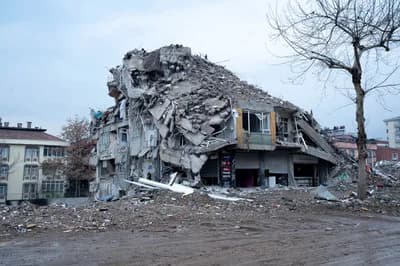
The Earth Shook: The Most Significant Earthquakes of the Past Month
The Earth Shook: The Most Significant Earthquakes of the Past Month

Tectonic Hotspots: The Week's Most Powerful Earthquakes Ranked
Tectonic Hotspots: The Week's Most Powerful Earthquakes Ranked

Top 10 Worst Pandemic Response Failures
#1 China's Initial COVID-19 Suppression (2019–2020) · #2 United States CDC Testing Debacle (2020) · #3 WHO Delayed Declaration of COVID-19 Pandemic

James Webb's First Year: 10 Images from Launch Pad to First Science
#1 Webb Data Reveals Dark Matter — 800,000 Galaxies in One Field · #2 Webb's Second Primary Mirror Wing Deployment — Mission Control · #3 Webb Mirror Deployment — Timeline Coordinator at Mission Operations

Biology Meets Computation: Papers Bridging Life and Data Science
#1 Topological Enhancement of Protein Kinetic Stability · #2 Sampling-based Continuous Optimization for Messenger RNA Design · #3 A Thermodynamic Metric Quantitatively Predicts Disordered Protein Partitioning and Multicomponent Phase Behavior