
U.S. Bureau of Labor Statistics / Wikimedia Commons (Public Domain)
Top 10 Most Dangerous Jobs in the World (2026)
Most of us complain about Monday mornings — these workers go to jobs where Monday might be their last. From loggers dodging falling trees to deep-sea fishermen battling storm swells, these are the dangerous jobs with the highest fatality rates, the most severe injury risk, and the most punishing conditions on the planet. Which profession do you think deserves the #1 spot? Cast your vote below and make your voice heard.
Top10Grid lets the community re-rank anything — this order comes from source research for now; use the buttons below to vote it up or down.

Current Rankings
- 0

Logging consistently tops every occupational fatality index — the U.S. Bureau of Labor Statistics records a fatality rate of roughly 80–100 per 100,000 workers, more than 30 times the all-occupation average. Fallers face "widowmakers" (dead overhead branches that dislodge without warning), massive log rolls, chainsaw kickbacks, and working alone in remote terrain where emergency response is hours away. The United States, Canada, Russia, and Brazil account for the highest logging workforce numbers globally.
- 0
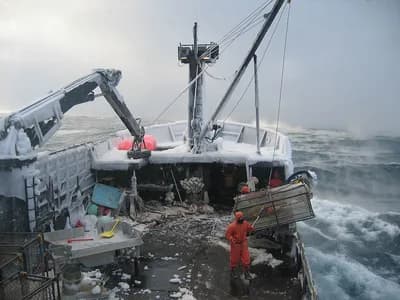
Commercial fishing registers fatality rates of 40–80 per 100,000 workers depending on the fishery — Alaska's crab fleet has historically exceeded 300 per 100,000 in the worst seasons. Workers face hypothermic seas, entanglement in heavy gear, vessel capsizes in open-ocean swells, and extreme sleep deprivation during tight harvest windows. Norway, Russia, and the United States run the largest commercial fleets, with Southeast Asian artisanal fishing adding enormous unrecorded casualties.
- 0#3
Roofers die from falls at a rate of approximately 50 per 100,000 workers — falls account for over 30% of all construction fatalities in the U.S. alone. Working on steep pitches, often without adequate fall arrest systems, in heat, ice, or gusty wind, roofers have one of the highest non-fatal injury rates as well. The United States, Germany, and South Korea see the highest absolute numbers due to large residential construction markets.
- 0
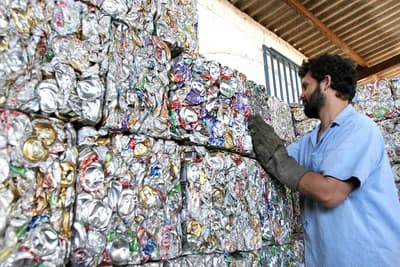
Refuse collectors face a fatality rate of roughly 35 per 100,000 workers — most deaths are caused by being struck by passing vehicles while working on busy roads or being caught in compactor mechanisms. Collectors also face crush injuries, lacerations from unsorted sharp waste, chemical burns from hazardous household materials, and musculoskeletal damage from decades of manual lifting. The U.K., U.S., and Germany have documented this as a chronically underappreciated danger.
- 0

Structural ironworkers and steel erectors record fatality rates between 25 and 40 per 100,000, assembling the skeletons of skyscrapers, bridges, and industrial plants at extreme heights. Falls from unguarded beams, being struck by swinging crane loads, burns from welding sparks, and electrocution from proximity to energized equipment are the primary killers. The United States, China, and Japan have the largest ironworker populations, with China's construction boom creating persistent safety enforcement challenges.
- 0
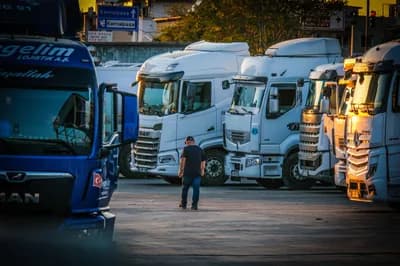
Truck driving records approximately 25 fatalities per 100,000 workers, but the sheer size of the workforce means it represents the single largest category of worker deaths in absolute numbers in many countries. Long-haul drivers face highway crashes from fatigue (federally mandated rest periods exist because sleep deprivation is the leading cause), cargo shifting, and jackknife rollovers. The U.S., China, India, and Brazil have the highest total truck driver fatality counts globally.
- 0
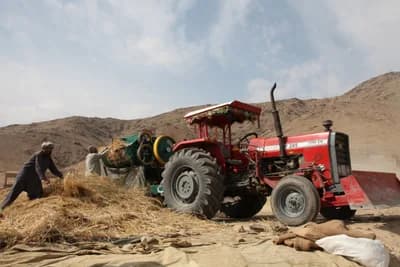
Agricultural workers sustain fatality rates of 20–24 per 100,000, with tractor rollovers being the single leading cause of death — accounting for roughly 130 deaths per year in the U.S. alone. Workers also face heat stroke during harvest season, pesticide poisoning, entanglement in augers and power take-off shafts, and animal-related injuries. India, China, and sub-Saharan Africa represent the bulk of the world's agricultural labor force and see the highest absolute death totals.
- 0
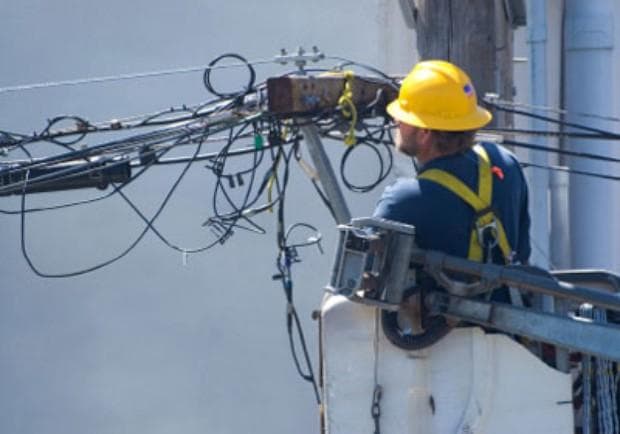
Line workers who install and repair electrical transmission and distribution infrastructure face fatality rates of 19–23 per 100,000. Electrocution from high-voltage lines (up to 765,000 volts on transmission lines) can kill instantly or cause severe internal burns; falls from transmission towers and utility poles add a second major hazard. Storms that require emergency power restoration push workers into the most dangerous conditions — energized lines on the ground, flooded substations, and zero visibility.
- 0

Commercial airline pilots have a relatively low rate in major carriers due to rigorous safety systems, but the category includes agricultural (crop-duster) pilots, charter operators, and helicopter pilots who face fatality rates of 50–80 per 100,000. Agricultural aviation is the deadliest subspecialty — low-altitude flying over uneven terrain at slow speeds is fundamentally demanding, and a momentary lapse at 30 meters leaves no margin. The U.S., Brazil, and Australia have the largest general aviation fleets.
- 0
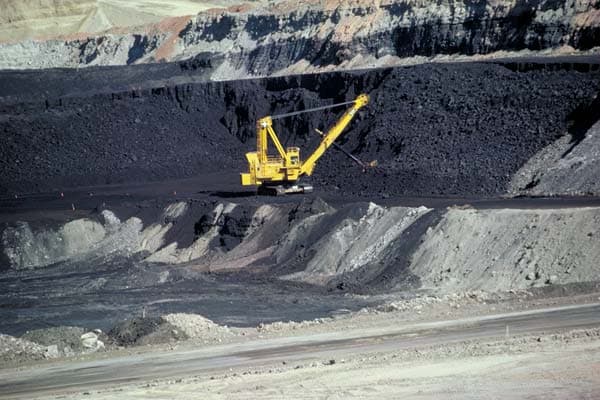
Underground coal mining has a fatality rate of 15–25 per 100,000 in developed nations — but in China and parts of South Asia it can run 10x higher in poorly regulated operations. Beyond catastrophic methane explosions and roof collapses, miners face black lung disease (coal workers' pneumoconiosis), spontaneous combustion events, flooding, and confined-space entrapment. China's coal sector has historically produced over 1,000 fatalities per year even as safety reforms reduced the rate from over 6,000 annual deaths in the early 2000s.
Frequently Asked Questions About the World's Most Dangerous Jobs
What is the single most dangerous job in the world? Logging is consistently ranked #1 on every major occupational fatality index. The U.S. Bureau of Labor Statistics records fatality rates of 100–111 per 100,000 workers — roughly 30× the all-occupation average — making it the deadliest profession by a wide margin.
How is job danger officially measured? The primary metric is the fatal work injury rate: deaths per 100,000 full-time equivalent workers, published annually by national labor statistics agencies such as the BLS (U.S.), the HSE (UK), and Safe Work Australia. Non-fatal injury rates and occupational disease incidence are used as secondary indicators.
Are dangerous jobs well compensated? Many pay above the national median — loggers, commercial fishermen, and structural ironworkers typically earn premium wages as partial compensation for elevated risk. However, wage premiums rarely fully offset the long-term physical and financial burden of workplace injuries that workers carry throughout their careers.
Frequently Asked Questions About the World's Most Dangerous Jobs
What is the most dangerous job in the world in 2026? Logging and lumberjacking consistently ranks #1 by occupational fatality rate. The U.S. Bureau of Labor Statistics records 100+ deaths per 100,000 full-time workers — more than 30× the all-industry average.
How is 'most dangerous' measured? Occupational danger is typically quantified by the fatal injury rate (deaths per 100,000 full-time equivalent workers), the non-fatal injury and illness rate, and injury severity. This list uses fatality rate as its primary ranking metric.
Are these the most dangerous jobs worldwide or just in the U.S.? Fatality rates vary by country depending on safety regulations, equipment standards, and enforcement, but the same occupations — logging, commercial fishing, roofing, and underground mining — dominate dangerous-jobs rankings globally.
Can these jobs be made safer? Yes. Regulatory bodies like OSHA continuously update standards for fall protection, equipment guarding, and fatigue management. Industry data shows that most fatalities in these sectors are preventable with proper training, PPE, and enforcement.
Image credits
- Logging / Lumberjack: https://kaboompics.com/ / Pexels
- Commercial Fishing: Commercial fishing in Alaska / Wikipedia
- Roofing: Jean Gagnon / Wikimedia Commons (CC BY-SA 3.0)
- Refuse and Recycling Collectors: Recycling in Brazil / Wikipedia
- Iron and Steel Workers: GoToVan / Wikimedia Commons (CC BY 2.0)
- Truck Drivers: İsa kahraman / Pexels
- Farmers and Agricultural Workers: Teddy Wade, U.S. Army / Wikimedia Commons (Public domain)
- Electrical Power Installers and Repairers: Bing Images / thumbor.forbes.com
- Pilots and Flight Engineers: K / Pexels
- Underground Coal Mining: U.S. Bureau of Land Management / Wikimedia Commons (Public Domain)
Related Videos
Rank it your way
Remix this list into your own ranking, or head to the play hub for every game mode and community breakdown — blind mode, challenges, tier lists, and more.
You Might Also Like

Biology Meets Computation: Papers Bridging Life and Data Science
Biology Meets Computation: Papers Bridging Life and Data ...

Top 10 Conspiracy Theories That Turned Out to Be True
shocking conspiracy theories that proved true

Top 10 Greatest Inventions of All Time
#1 The Printing Press · #2 The Internet · #3 The Steam Engine

Top 10 Ancient Wonders That Are More Mind-Blowing the More You Know About Them
#1 The Great Pyramid of Giza · #2 Stonehenge · #3 Machu Picchu

The Fastest Animals on Earth
#1 Peregrine Falcon · #2 Golden Eagle · #3 White-throated Needletail

Top 10 Tallest Buildings in the World (2026)
#1 Burj Khalifa · #2 Shanghai Tower · #3 Makkah Royal Clock Tower