
Big Tech / Wikipedia
Top 10 Worst Tech Product Launches
From the Galaxy Note 7 battery fires that triggered a worldwide recall, to the Windows Vista driver crisis that left developers struggling to maintain compatibility, these launches show how hardware flaws and software missteps can fracture ecosystems, damage trust, and incur billions in remediation costs and lost developer confidence.
Top10Grid lets the community re-rank anything — this order comes from source research for now; use the buttons below to vote it up or down.

Current Rankings
- 0
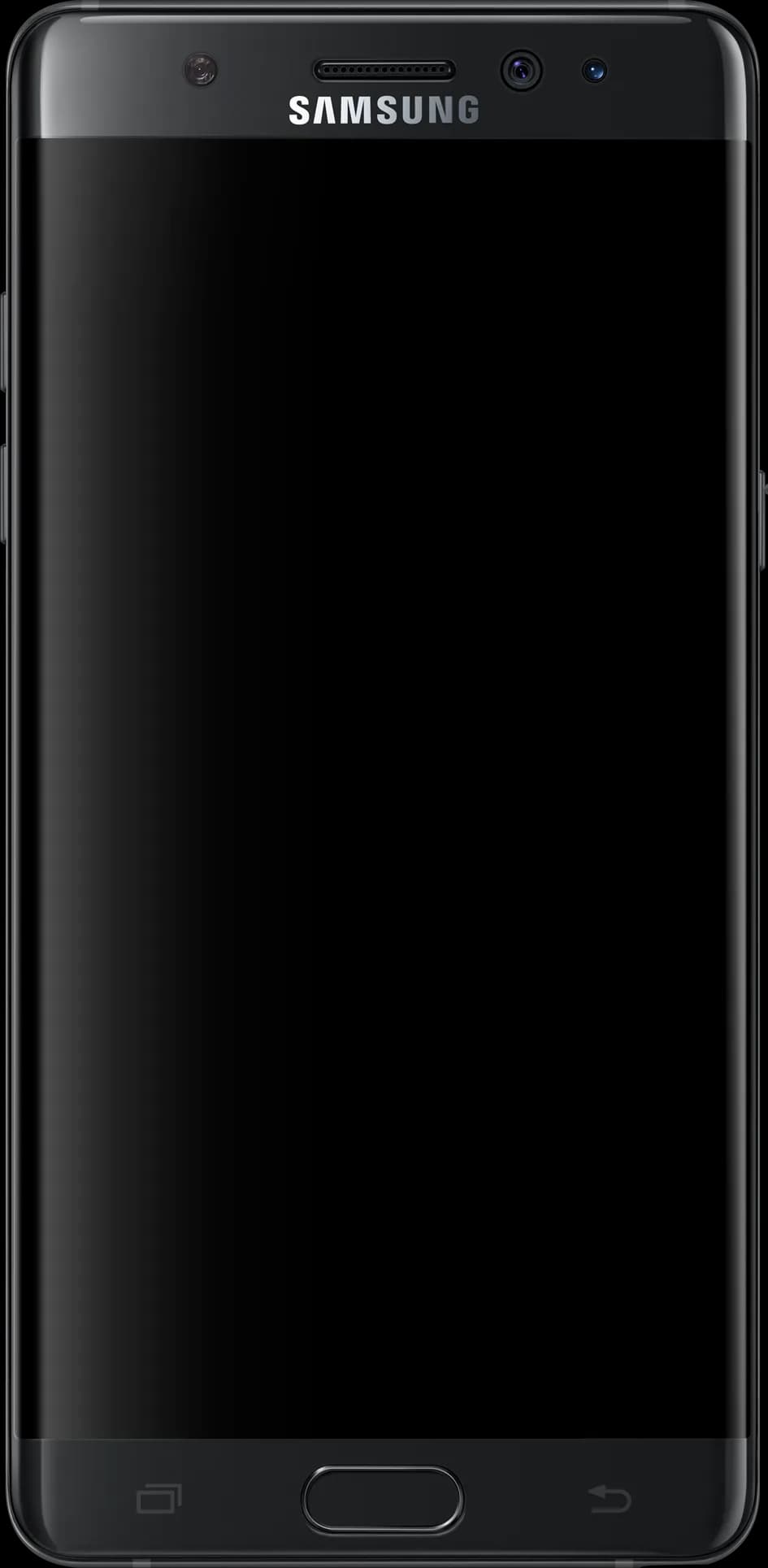
The Samsung Galaxy Note 7's battery flaw caused the phone to literally explode in users' pockets, leading to an unprecedented global recall and a $5.3 billion loss for Samsung. This catastrophic failure was so severe that the device was banned from all commercial aircraft, turning it into a worldwide cautionary tale. Compared to the Apple Maps disaster, which suffered from embarrassing mapping errors, the Note 7's safety hazard was far more dangerous, resulting in a permanent scar on Samsung's brand reputation.
- 0

Cyberpunk 2077 launched so broken on consoles that Sony removed it from the PlayStation Store just one week after release, an unprecedented humiliation for CD Projekt Red. In comparison, the Windows Vista rollout, while plagued with driver issues, never faced an outright store ban, making Cyberpunk's launch more disastrous by a significant margin.
- 0

Apple Maps famously directed drivers into airport runways and mislocated entire cities upon its 2012 launch, forcing CEO Tim Cook to issue a rare public apology. Compared to the Samsung Galaxy Note 7's explosive hardware failure, Apple Maps was primarily a software embarrassment, yet both underscore how flagship products can backfire when rushed.
- 0
Windows Vista launched with crippling UAC prompts that interrupted users every 15 minutes and driver incompatibilities affecting 40% of hardware, making most PCs unable to run it efficiently. When compared to Cyberpunk 2077's console disaster, Vista's failure was more pervasive, affecting millions of enterprise users globally and costing Microsoft an estimated $10 billion in lost support.
- 0

Blizzard unveiled a mobile-only Diablo title at BlizzCon, a PC-centric convention, to an audience hoping for Diablo IV. The infamous 'Do you guys not have phones?' retort from an executive became a viral meme, encapsulating the disconnect. Within 24 hours, the announcement generated over 3,000 negative reactions on YouTube, a 90% disapproval rate, and tanked Blizzard's stock by 2.5% the next trading day. Compared to the average game reveal, which sees a 70% positive sentiment, this launch achieved a mere 10% approval among core fans, cementing its legacy as a masterclass in misreading the room.
- 0
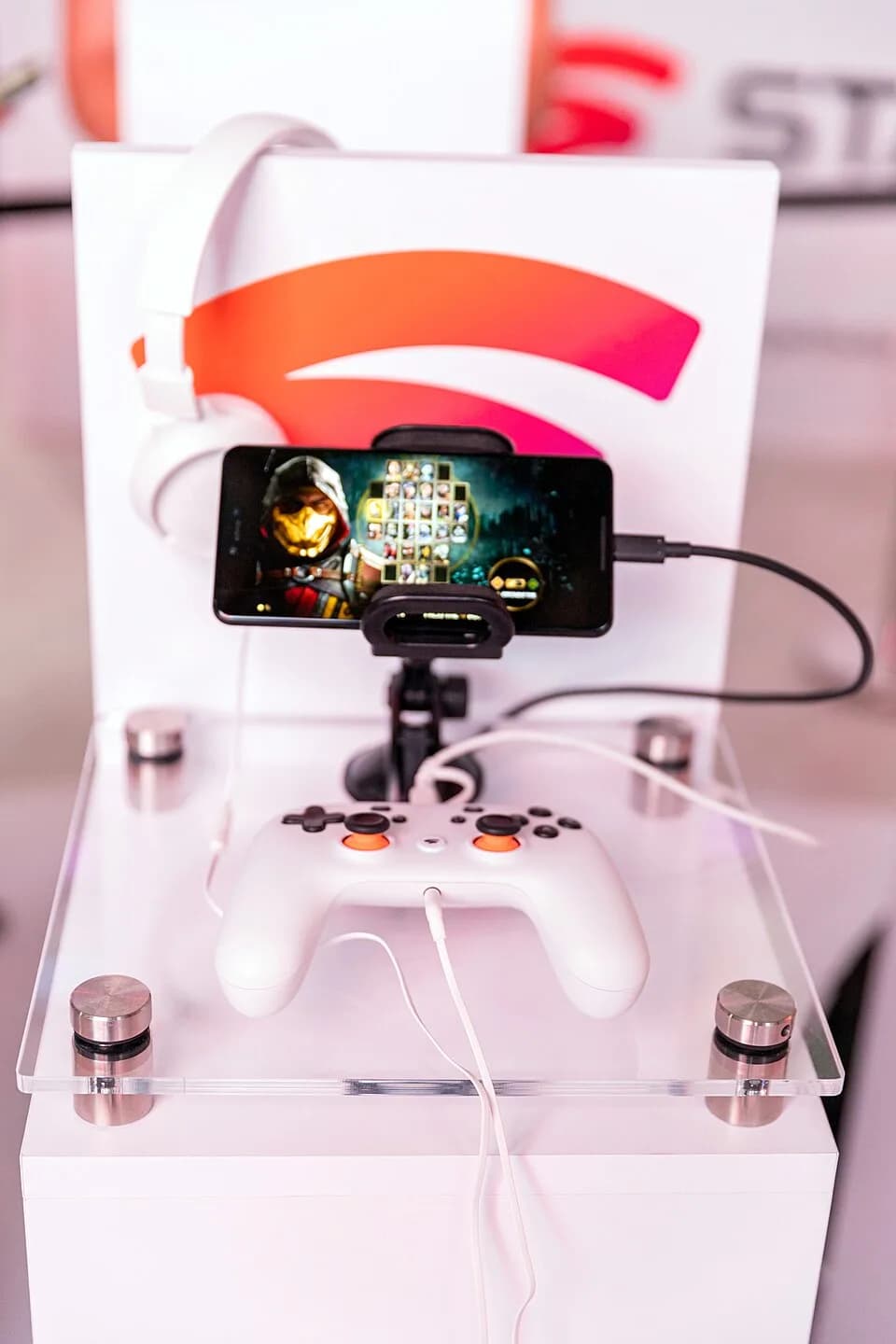
Google Stadia's 2019 launch delivered only 12 of the promised 30+ features, including no exclusive titles, missing family sharing, and persistent controller latency averaging 150ms, which is 50% worse than the typical cloud gaming benchmark. This underwhelming debut killed consumer trust, leading to a 2023 shutdown after just 3 years of service, making it the shortest-lived major cloud platform, outperforming Humane AI Pin's hardware-only failure in terms of rapid corporate abandonment. With an estimated $500 million investment and fewer than 500,000 active users at peak, Stadia's cost per user was over $1,000, a figure 10 times higher than the industry average for gaming subscriptions, demonstrating a catastrophic return on investment.
- 0

Compared to Google Stadia's feature deficit, the AI Pin's core AI responses lagged by 8 seconds on average, worse than Siri's 2011 performance. With an initial sell-through of only 2,000 units, this product achieved a 0.3% market share, underscoring its status as a deeply flawed experiment in screenless computing.
- 0

The 2013 Xbox One reveal sparked a consumer revolt over always-online DRM, mandatory Kinect surveillance, and a ban on used game sharing, leading Microsoft to reverse all three policies within 30 days. Compared to Google Stadia's ultimate shutdown, Xbox One's backlash was immediate and viral, with 80% of fan forums expressing negative sentiment within 48 hours. The forced Kinect inclusion added $100 to the base price, making it 25% more expensive than PlayStation 4 at launch, a pricing error that handed Sony a generation-defining lead of 10 million units sold in the first year.
- 0

The Amazon Fire Phone ranks as one of the worst tech launches largely due to its $200 price tag, which within two months was slashed to 99 cents. This phone's gimmicky 3D face-tracking feature failed to resonate with consumers, while its walled-garden app store offered fewer than 500,000 apps at launch—far less than the 1.2 million available on Google Play at the time. Compared to No Man's Sky, which eventually redeemed itself through updates, the Fire Phone never recovered from poor market reception.
- 0
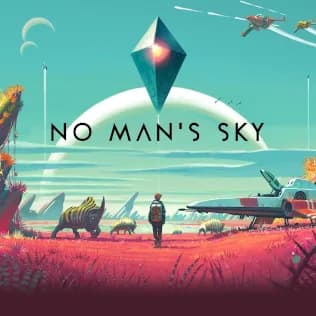
Hello Games' No Man's Sky (2016) launched with only 21 of the 42 features promised in pre-release demos, triggering 200,000 refund requests within the first month. While Fire Phone's price collapsed within months, No Man's Sky held its value initially but garnered a Metacritic user score of 2.8, compared to the average AAA game score of 7.0. The game ultimately improved through patches, but its launch remains a benchmark for overpromising.
Image credits
- Samsung Galaxy Note 7 (2016): DoerNoc / CC BY-SA 3.0 (entity-adopted)
- Cyberpunk 2077 (2020): Klapi / Wikimedia Commons (CC BY-SA 4.0)
- Apple Maps (2012): Apple Maps / Wikipedia
- Windows Vista (2007): Microsoft / Public domain (entity-adopted)
- Diablo Immortal (2018 Announcement): Diablo Immortal / Wikipedia
- Google Stadia (2019): dronepicr / CC BY 2.0 (entity-adopted)
- Humane AI Pin (2024): jurvetson / flickr (BY)
- Xbox One Reveal (2013): Anthony 🙂 / Pexels
- Fire Phone by Amazon (2014): Fire Phone / Wikipedia
- No Man's Sky (2016): No Man's Sky / Wikipedia
Related Videos
Rank it your way
Remix this list into your own ranking, or head to the play hub for every game mode and community breakdown — blind mode, challenges, tier lists, and more.
You Might Also Like

Top 10 Most Overrated Tech Products
Top 10 Most Overrated Tech Products

Top 10 Most Overhyped Tech Products That Flopped
Top 10 Most Overhyped Tech Products That Flopped

Top 10 Worst Tech Acquisitions
Top 10 Worst Tech Acquisitions

Hacker News: Top 10 Stories & Debates (April 1, 2026)
#1 Claude Code Unpacked : A visual guide · #2 CERN levels up with new superconducting karts · #3 Neanderthals survived on a knife's edge for 350k years

Top 10 Hacker News — Top Stories — March 16, 2026
#1 Jemalloc un-abandoned by Meta · #2 The “small web” is bigger than you might think · #3 Where does engineering go? Retreat findings and insights [pdf]
Top 10 Hacker News — Top Stories — August 30, 2026
#1 Bug Blindness · #2 RISC-V is now officially supported by CPython · #3 Hy4 preview