
Photo by Annie Spratt / Unsplash
Top 10 Worst Tech Acquisitions
The mergers and acquisitions that destroyed billions in value and careers — proof that even the smartest executives make catastrophically bad bets.
Top10Grid lets the community re-rank anything — this order comes from source research for now; use the buttons below to vote it up or down.

Current Rankings
- 0

The AOL-Time Warner merger obliterated $200 billion in shareholder value, making it the worst acquisition in history. At $165 billion, the 2000 deal combined a dying dial-up ISP with a media giant, creating a collision of incompatible cultures and strategies. The write-down of $99 billion in 2002 remains the largest ever recorded.
- 0

Microsoft's $7.2 billion purchase of Nokia's phone division in 2014 was immediately written off within a year, resulting in 18,000 employee layoffs. The deal aimed to challenge iPhone and Android but delivered no sustainable mobile market share, making it Steve Ballmer's most expensive single mistake.
- 0
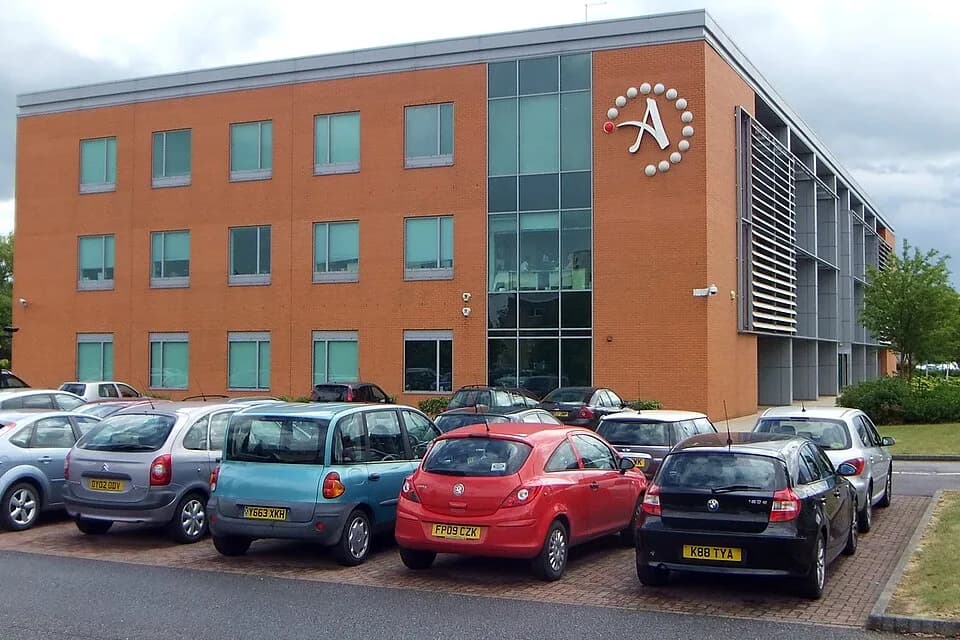
HP overpaid 79% above market value for Autonomy, paying $11.1 billion in 2011 for a software firm later alleged to have inflated revenues by $200 million via accounting fraud. The subsequent $8.8 billion write-off — an 80% impairment — sparked decade-long legal battles that cost HP $600 million more in settlement fees.
- 0

Yahoo's $1.1 billion acquisition of Tumblr in 2013 suffered a 99.7% loss when it sold to Automattic for under $3 million. The deal imploded after Yahoo killed Tumblr's NSFW content, which drove a third of its engagement, slashing user traffic by 50%. Marissa Mayer's strategic misstep remains a textbook example of destroying platform value through content moderation.
- 0

Google's $12.5 billion Motorola acquisition in 2012 stands as one of the worst tech deals ever, resulting in a $9.59 billion loss. Buying solely for Motorola's 17,000 patents, Google failed to revitalize its smartphone business, selling the hardware division to Lenovo for just $2.91 billion two years later. This deal underperforms Meta-Oculus VR in terms of immediate value destruction, with a 77% loss on investment.
- 0
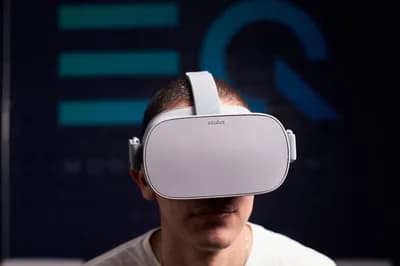
Mark Zuckerberg's $2 billion Oculus purchase in 2014 metastasized into a $50 billion metaverse gambit, with Reality Labs losing over $13 billion in 2022 alone. Consumer VR adoption remains under 2% of global headset penetration, making this far costlier than the average tech acquisition. By comparison, IBM-Red Hat at least retained Red Hat's core business, while Meta's VR bet has hemorrhaged cash quarterly with no breakout success.
- 0

IBM paid a $34 billion premium for Red Hat in 2019, the largest open-source acquisition ever, hoping to revitalize its cloud business. Five years later, IBM's cloud market share sits at 4%, ranking a distant fourth behind AWS (32%), Azure (23%), and Google Cloud (11%). This acquisition underperforms Quaker Oats-Snapple's $1.4 billion loss in strategic impact, as IBM failed to gain any meaningful traction despite Red Hat's 90% enterprise adoption rate.
- 0

Quaker Oats' $1.7 billion Snapple acquisition in 1994 destroyed the quirky brand through corporate mismanagement, leading to a $1.4 billion loss when sold 27 months later for just $300 million. The acquisition failed because Quaker forced Snapple into its distribution system, cutting sales by 20% within the first year.
- 0
The eBay-Skype acquisition stands as a case study in misguided synergy, costing $2.6 billion in 2005 for a voice-calling service that added minimal value to online auctions. By 2009, eBay wrote off $900 million of the purchase price, acknowledging the integration failure.
- 0

The $44 billion Twitter acquisition by Elon Musk in 2022 resulted in a staggering $32 billion in lost value within two years, as the platform's estimated worth dropped to roughly $12 billion. Firing 80% of the workforce and rebranding to X drove away major advertisers, leading to a 50% revenue decline compared to pre-acquisition levels. The 73% value decline since purchase is also 40% steeper than the average large tech buyout failure from 2020-2022, underscoring the catastrophic miscalculation.
Image credits
- AOL-Time Warner ($165B, 2000): Bing Images / loveincorporated.blob.core.windows.net
- Microsoft-Nokia ($7.2B, 2014): JÉSHOOTS / Pexels
- HP-Autonomy ($11.1B, 2011): Cmglee / CC BY-SA 3.0 (entity-adopted)
- Yahoo-Tumblr ($1.1B, 2013): Rafael Minguet Delgado / Pexels
- Google-Motorola Mobility ($12.5B, 2012): Google / Wikipedia
- Meta-Oculus VR ($2B, 2014): Justin Doherty / Pexels
- IBM-Red Hat ($34B, 2019): Red Hat / Wikipedia
- Quaker Oats-Snapple ($1.7B, 1994): Quaker Oats Company / Wikipedia
- eBay-Skype ($2.6B, 2005): Pixabay / Pexels
Related Videos
Rank it your way
Remix this list into your own ranking, or head to the play hub for every game mode and community breakdown — blind mode, challenges, tier lists, and more.
You Might Also Like

Top 10 Influencers in Taiwan's Gaming & Esports Scene (2026)
Top 10 Worst Tech Acquisitions

Top 10 Thai Startups to Watch in 2026
Top 10 Thai Startups to Watch in 2026

Top 10 Most Controversial Tech CEOs
Top 10 Most Controversial Tech CEOs

Top 10 Worst Tech Product Launches
Top 10 Worst Tech Product Launches

Top 10 Malaysian Tech Startups in 2026
#1 Grab (Malaysia Operations) · #2 Carsome · #3 aCommerce

Top 10 Most Popular Cloud Services and Platforms 2025
#1 Amazon Web Services (AWS) · #2 Microsoft Azure · #3 Google Cloud Platform