




josasfzag / flickr (PDM)
The 2025 smartphone market was defined by on-device AI processing, satellite connectivity becoming standard, and foldables finally reaching mainstream price points. Based on benchmark scores, camera performance metrics from DxOMark, battery life tests, and real-world user reviews from GSMArena, these are the ten most compelling handsets of the year.
Community rankings for this product
Curated by our tech editors. Practical, hands-on reviews weighted by community vote โ updated as the field evolves.
Create a free account or sign in to join the discussion.
Sign in to join the conversation

Apple's iPhone 16 Pro Max topped DxOMark's camera rankings with a score of 163, powered by the A18 Pro chip with a 16-core Neural Engine capable of 35 TOPS. Its 5x telephoto camera, action button, and Apple Intelligence on-device AI features โ including Writing Tools, Image Playground, and Genmoji โ set the benchmark for AI-integrated smartphones.

Samsung's Galaxy S25 Ultra launched with the Snapdragon 8 Elite processor, 12GB RAM, and a built-in S Pen with AI-powered translation and summarization features via Galaxy AI. Its 200MP main sensor and 50x Space Zoom achieved a DxOMark score of 161, while the titanium frame and IP68 rating made it a premium workhorse for power users.
Google's Pixel 9 Pro showcased the full power of the custom Tensor G4 chip with computational photography features no other phone could match: Magic Eraser Pro, Best Take for group photos, and Video Boost processing that rivaled cinema cameras for low-light footage. Seven years of guaranteed software updates made it the best long-term smartphone investment.

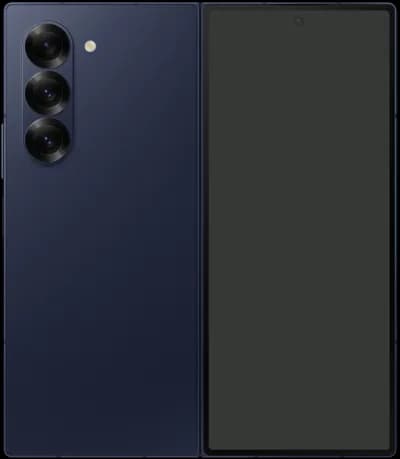
Samsung's sixth-generation foldable refined the formula with a slimmer 12.1mm closed profile, Snapdragon 8 Gen 3, and improved 7.6-inch inner display with 1-120Hz variable refresh. Galaxy AI's Live Translate during calls and Note Assist for S Pen users transformed the Z Fold 6 from a novelty into a genuinely productive device for mobile professionals.
OnePlus's 13 delivered flagship specs at a significantly lower price than its rivals: Snapdragon 8 Elite, 50W wireless charging (the fastest in 2025), and Hasselblad-tuned cameras with periscope telephoto. Its 6000mAh battery and 100W SuperVOOC wired charging โ from 0% to 100% in 36 minutes โ solved the biggest pain point of premium smartphones.
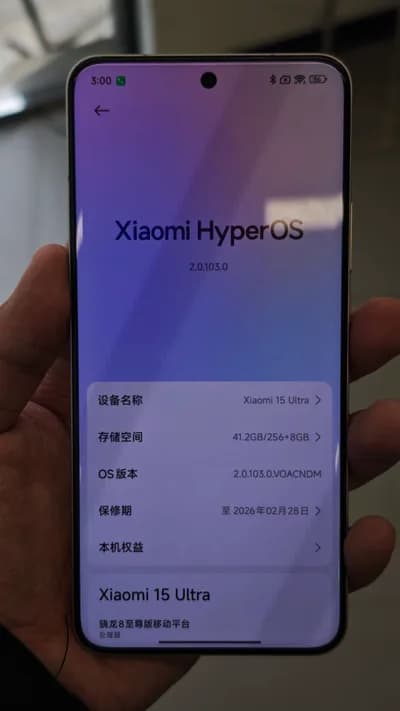
Xiaomi's 15 Ultra collaborated with Leica to produce the highest-rated camera system by DxOMark on release (score: 165), featuring a 1-inch Sony LYT-900 main sensor, variable aperture from f/1.4 to f/4.0, and a 5x periscope lens. Its 90W wireless charging and 6100mAh battery addressed the trade-off between performance and endurance.

Sony's Xperia 1 VII targeted creators and enthusiasts with its 4K 120fps video recording, 21:9 cinematic display, and dedicated alpha camera app that exposed professional manual controls including real-time eye autofocus borrowed from Sony's mirrorless camera division. Its 3.5mm headphone jack and expandable storage remained beloved by audiophiles.

The base iPhone 16 democratized Apple Intelligence features at a $799 starting price, bringing the A18 chip's on-device AI to a mainstream audience. Its new Camera Control button, upgraded ultrawide lens, and 4K 120fps Dolby Vision video made it the best upgrade path for iPhone 12 and 13 users who had skipped the Dynamic Island era.

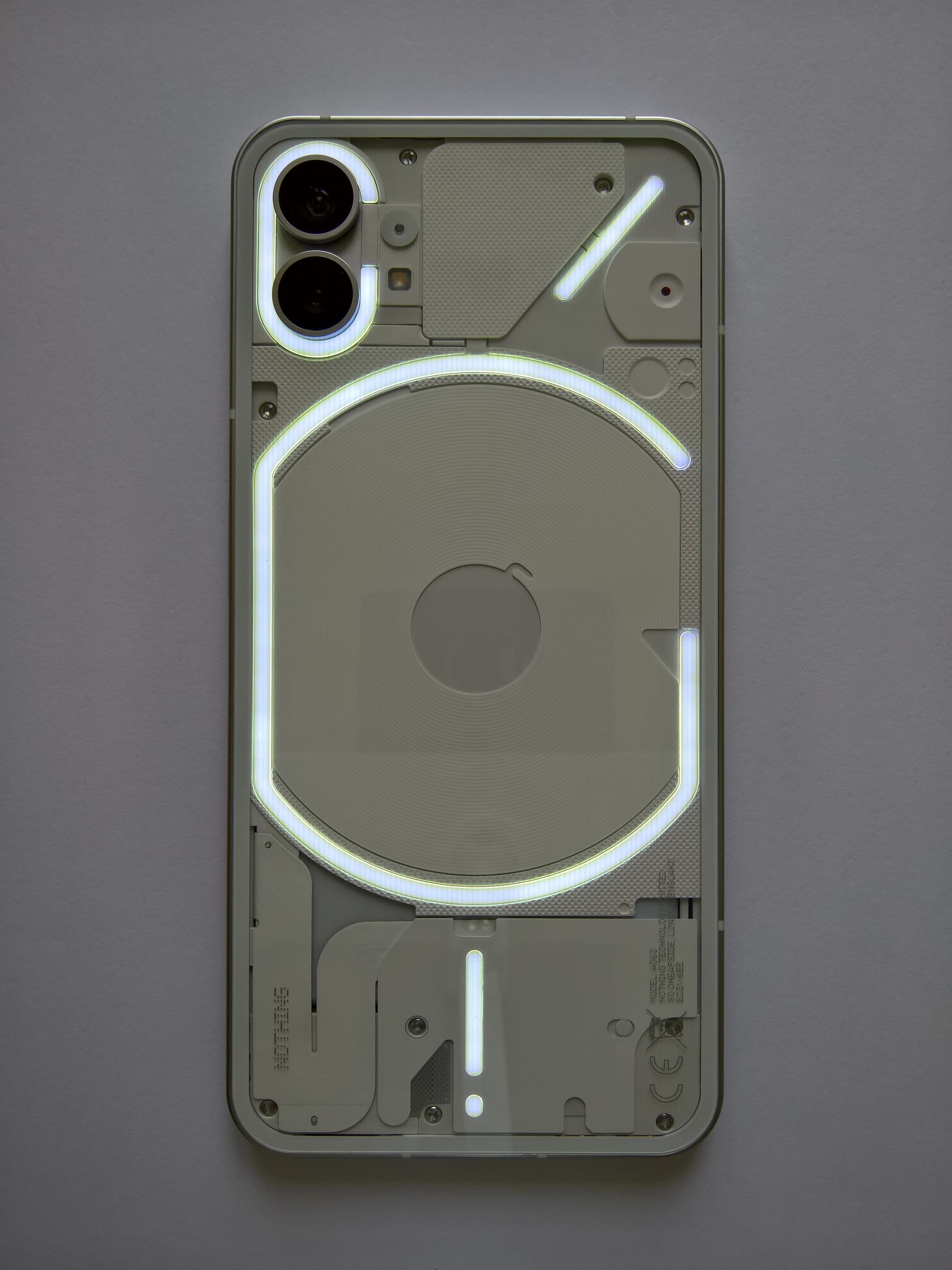
London-based startup Nothing's Phone (3) expanded the signature Glyph interface into a functional notification system with call screening, music visualization, and silent-mode alerts. Powered by Snapdragon 8s Gen 3 and priced at $699, it attracted design-conscious consumers seeking an alternative to the Samsung-Apple duopoly with 18 months of OS updates promised.
Motorola's Razr+ reinvented the clamshell foldable with a class-leading 4-inch cover display that ran full Android apps without opening the phone. Priced at $999 โ $500 less than Samsung's Z Flip โ the 2025 Razr+ democratized foldable technology while delivering Snapdragon 8s Gen 3 performance and Moto AI summarization features.
The most-voted lists across every category โ curated weekly. Join the early readers.
No spam. One email per week. Unsubscribe anytime.
Explore more Technology rankings on Top10Grid
Cast your vote above to unlock the real distribution
Tap the arrows on any item to vote
Because you're viewing Technology

Top 10 Free Productivity Apps to Use in 2026
401 views ยท 1 votes

The Papers Reshaping Artificial Intelligence in 2026
385 views ยท 1 votes
Top 10 Electric Chinese Cars
275 views ยท 0 votes
Top 10 Best AI Tools for Productivity 2026
249 views ยท 0 votes

Machine Learning Breakthroughs Worth Reading Right Now
230 views ยท 1 votes
Robots Learning to Think: Cutting-Edge Robotics Research
213 views ยท 1 votes

Apple's iPhone 16 Pro Max topped DxOMark's camera rankings with a score of 163, powered by the A18 Pro chip with a 16-core Neural Engine capable of 35 TOPS. Its 5x telephoto camera, action button, and Apple Intelligence on-device AI features โ including Writing Tools, Image Playground, and Genmoji โ set the benchmark for AI-integrated smartphones.

Samsung's Galaxy S25 Ultra launched with the Snapdragon 8 Elite processor, 12GB RAM, and a built-in S Pen with AI-powered translation and summarization features via Galaxy AI. Its 200MP main sensor and 50x Space Zoom achieved a DxOMark score of 161, while the titanium frame and IP68 rating made it a premium workhorse for power users.
Google's Pixel 9 Pro showcased the full power of the custom Tensor G4 chip with computational photography features no other phone could match: Magic Eraser Pro, Best Take for group photos, and Video Boost processing that rivaled cinema cameras for low-light footage. Seven years of guaranteed software updates made it the best long-term smartphone investment.

Samsung's sixth-generation foldable refined the formula with a slimmer 12.1mm closed profile, Snapdragon 8 Gen 3, and improved 7.6-inch inner display with 1-120Hz variable refresh. Galaxy AI's Live Translate during calls and Note Assist for S Pen users transformed the Z Fold 6 from a novelty into a genuinely productive device for mobile professionals.
OnePlus's 13 delivered flagship specs at a significantly lower price than its rivals: Snapdragon 8 Elite, 50W wireless charging (the fastest in 2025), and Hasselblad-tuned cameras with periscope telephoto. Its 6000mAh battery and 100W SuperVOOC wired charging โ from 0% to 100% in 36 minutes โ solved the biggest pain point of premium smartphones.
Xiaomi's 15 Ultra collaborated with Leica to produce the highest-rated camera system by DxOMark on release (score: 165), featuring a 1-inch Sony LYT-900 main sensor, variable aperture from f/1.4 to f/4.0, and a 5x periscope lens. Its 90W wireless charging and 6100mAh battery addressed the trade-off between performance and endurance.

Sony's Xperia 1 VII targeted creators and enthusiasts with its 4K 120fps video recording, 21:9 cinematic display, and dedicated alpha camera app that exposed professional manual controls including real-time eye autofocus borrowed from Sony's mirrorless camera division. Its 3.5mm headphone jack and expandable storage remained beloved by audiophiles.

The base iPhone 16 democratized Apple Intelligence features at a $799 starting price, bringing the A18 chip's on-device AI to a mainstream audience. Its new Camera Control button, upgraded ultrawide lens, and 4K 120fps Dolby Vision video made it the best upgrade path for iPhone 12 and 13 users who had skipped the Dynamic Island era.

London-based startup Nothing's Phone (3) expanded the signature Glyph interface into a functional notification system with call screening, music visualization, and silent-mode alerts. Powered by Snapdragon 8s Gen 3 and priced at $699, it attracted design-conscious consumers seeking an alternative to the Samsung-Apple duopoly with 18 months of OS updates promised.
Motorola's Razr+ reinvented the clamshell foldable with a class-leading 4-inch cover display that ran full Android apps without opening the phone. Priced at $999 โ $500 less than Samsung's Z Flip โ the 2025 Razr+ democratized foldable technology while delivering Snapdragon 8s Gen 3 performance and Moto AI summarization features.

Top 10 Free Productivity Apps to Use in 2026
10 items

The Papers Reshaping Artificial Intelligence in 2026
10 items
Top 10 Electric Chinese Cars
10 items
Top 10 Best AI Tools for Productivity 2026
10 items

Machine Learning Breakthroughs Worth Reading Right Now
10 items
Robots Learning to Think: Cutting-Edge Robotics Research
10 items
If you liked this, you might love these