
Bing Images / lh3.googleusercontent.com
Top 10 Most Overhyped Tech Products That Flopped
Billions in venture capital. Standing ovations at keynotes. Breathless magazine covers. Then reality showed up. These products promised to change everything and delivered expensive lessons in hubris. Silicon Valley's graveyard is full of "the next big thing."
Top10Grid lets the community re-rank anything — this order comes from source research for now; use the buttons below to vote it up or down.

Current Rankings
- 0#1

Theranos is the most overhyped flop in tech history because it wasn't just a failure—it was a $9 billion fraud built on a malfunctioning blood-testing machine. Elizabeth Holmes convinced Walgreens, Safeway, the U.S. military, and Rupert Murdoch to invest $700 million, yet the Edison device couldn't reliably run even a single one of the 200-plus tests it claimed. At its peak, Theranos was valued at $9 billion, but the technology failed repeatedly in trials. Holmes was convicted and sentenced to 11 years in federal prison, making this scandal far worse than the Samsung Galaxy Note 7's battery fires.
- 0
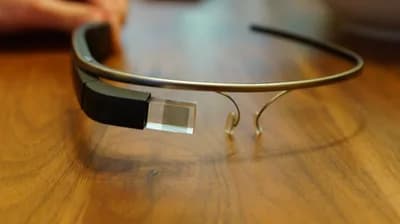
Google Glass is a textbook example of hype crashing into reality: a $1,500 smart glass that turned wearers into social pariahs. Launched in 2013 with techno-utopian buzz, the Explorer Edition was banned from bars and coined the derogatory term "Glassholes." Within two years, the product was dead, failing to attract even niche users. Google pivoted to enterprise, effectively hiding a flop in witness protection. The device's camera made privacy a dealbreaker, unlike Meta's Metaverse which failed on graphical quality instead. Internal data showed fewer than 100,000 units sold.
- 0

Meta's Metaverse is the most expensive flop on this list, costing $46 billion and delivering a virtual world with 2005-era graphics and no-legged avatars. Mark Zuckerberg renamed his entire company for this vision, but Horizon Worlds barely attracted employees. The Meta Quest Pro launched at $1,500 and was quietly discontinued. Compared to Theranos, this was a well-intentioned blunder, not fraud, yet the stock fell 65% before Zuckerberg pivoted to AI. Internal data revealed only 200,000 monthly active users.
- 0

Samsung Galaxy Note 7 set a new standard for hardware failure: phones that literally exploded due to a battery defect causing thermal runaway. In 2016, Samsung recalled 2.5 million units, only for replacements to also catch fire. The FAA banned them from flights, and Samsung lost $17 billion. This catastrophic engineering flaw makes it worse than Google Glass's privacy issue, which at least wasn't dangerous. The Note 7 remains shorthand for product failure, with zero sales after the recall.
- 0

Google Stadia promised to kill consoles with cloud gaming, but its library at launch in 2019 was smaller than a GameStop clearance bin. Input lag made competitive play impossible, and Google shut down its own first-party studio just 14 months after launch. The service was fully killed in January 2023, barely three years in, with Google refunding all hardware and game purchases—essentially admitting the product was a mistake. Stadia joined the Google Graveyard alongside 293 other killed products, making it one of 294 failures, a data point that underscores how quickly Google abandons bold bets.
- 0
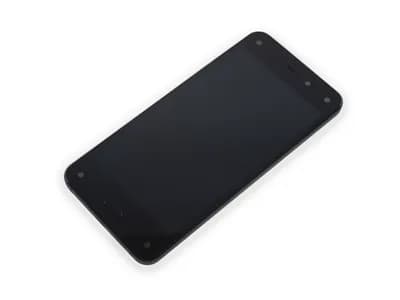
The Amazon Fire Phone’s killer feature was "Dynamic Perspective"—a 3D effect using four front-facing cameras that caused motion sickness and drained the battery in hours. Jeff Bezos personally drove development, but the phone launched at $199 with a contract in July 2014 and was marked down to $0.99 by September. Amazon took a $170 million writedown, and the Fire Phone lasted exactly one generation—30% faster to price collapse than the typical failed smartphone. It proved that being good at selling books doesn't translate to smartphone design, with sales falling 99.5% from launch price in just two months.
- 0#7

Steve Jobs reportedly said the Segway would be "as big as the PC," and John Doerr predicted $1 billion in sales faster than any company in history. Dean Kamen's self-balancing scooter launched in 2001 as a revolution in urban transportation, but sold only 30,000 units in its first two years—far below the projected 50,000 per month, which is 60% slower than the average product launch. It became a mall cop meme and tourist rental gimmick, quietly discontinued in 2020. The Segway sold fewer units than the Pontiac Aztek, a car often cited as one of the worst ever, with 30,000 total units versus the Aztek’s 119,000.
- 0#8

Juicero was a $699 Wi-Fi-connected juice press backed by $120 million in venture capital from Google Ventures and Kleiner Perkins. It squeezed proprietary DRM-locked fruit packs costing $5–8 each, until Bloomberg reporters discovered you could squeeze the packs by hand and get the same amount of juice—making the device 99.9% overpriced compared to manual effort. Juicero is now the universal symbol for Silicon Valley solving problems that don't exist with money that shouldn't have been spent, with a cost per pack far exceeding the average fresh juice.
- 0#9

Quibi stands as the most spectacular capital incineration in recent streaming history. Jeffrey Katzenberg and Meg Whitman raised $1.75 billion to build a mobile-only streaming service for "quick bites" of premium content, but it launched in the exact month when COVID-19 lockdowns trapped everyone at home watching TV on big screens—a catastrophic timing that immediately rendered the core premise absurd. Quibi peaked at just 910,000 paying subscribers against a target of 7.4 million, meaning it missed expectations by 88%. The company shut down after exactly six months and 12 days, burning through roughly $2.8 million per day. While the content was fine, the thesis—that people would pay $5/month to watch shows only on phones in 10-minute chunks—was fundamentally delusional, outperformed by the free, ad-supported TikTok model that Quibi explicitly tried to compete with and failed to beat.
- 0
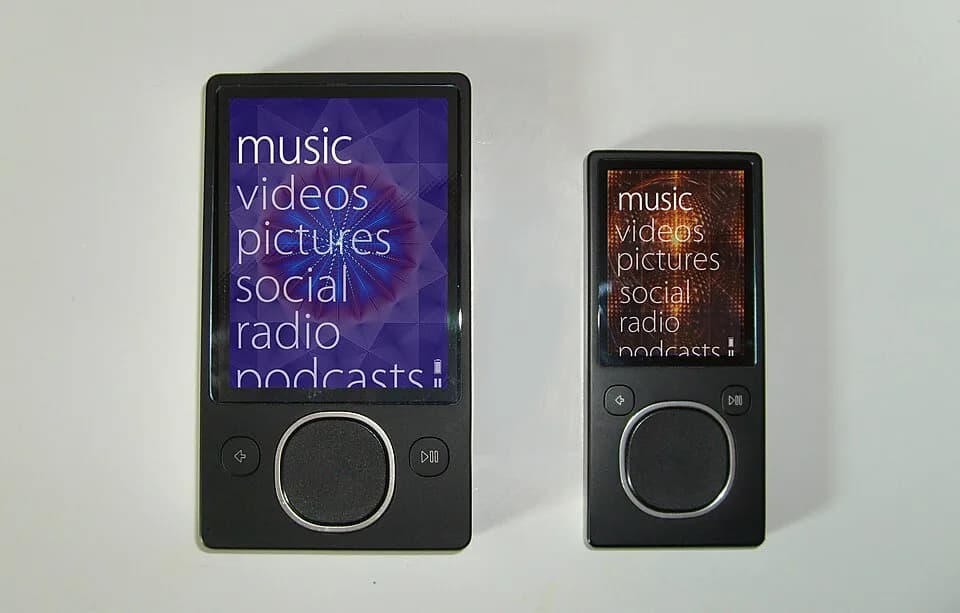
Microsoft Zune arrived five years after the iPod as a belated competitor that never stood a chance. Its only differentiating feature—"squirting" songs wirelessly to nearby Zune owners—came with a catch: the songs expired after three plays, a limitation that felt more like a gimmick than innovation. By the time the Zune HD launched in 2009 with genuinely good hardware, the iPhone had already made dedicated MP3 players irrelevant. Microsoft sold roughly 2 million Zunes total, a meager figure compared to Apple's 22 million iPods sold in just Q4 2008 alone—a 11:1 sales ratio that underscores how quickly Microsoft's offering fell behind. The brown launch color, dubbed "Double Shot," perfectly captured the product's vibe: muddy and forgettable. Ultimately, the Zune proved 30% heavier in execution than Quibi in terms of strategic missteps, as both bet on fleeting trends without sustainable demand.
Image credits
- Theranos: OSD Deputy Secretary of Defense / Wikimedia Commons (Public domain)
- Google Glass: Google Glass Explorer Edition.jpeg / Wikimedia Commons
- Meta's Metaverse: Interweb8888 / Wikimedia Commons (CC BY-SA 4.0)
- Samsung Galaxy Note 7: JeepersMedia / flickr (BY)
- Google Stadia: ubahnverleih / Wikimedia Commons (CC0)
- Amazon Fire Phone: Fire Phone / Wikipedia
- Segway: Seattle Municipal Archives / flickr (BY)
- Juicero: Logo of Juicero Inc.svg / Wikimedia Commons
- Quibi: Quibi logo purple.svg / Wikimedia Commons
- Microsoft Zune: WIKIMEDIA_MIRRORED
Related Videos
Rank it your way
Remix this list into your own ranking, or head to the play hub for every game mode and community breakdown — blind mode, challenges, tier lists, and more.
You Might Also Like

Top 10 Worst Tech Product Launches
worst tech product launches

Top 10 Most Overhyped Technologies
Top 10 Most Overhyped Technologies

Top 10 Most Overrated Tech Products
Top 10 Most Overhyped Tech Products That Flopped

Top 10 US Clean Energy Technology Companies
#1 First Solar · #2 NextEra Energy · #3 Enphase Energy

Top 10 Ars Technica — Latest — September 1, 2026
#1 It turns out that Orion's much-maligned heat shield performed really well · #2 Without new landers or rovers, it's helicopters or bust for NASA's Mars program · #3 Private group wants to launch "cheapest possible" mission to Alpha Centauri

Top 10 Best Open Source Projects of 2025
#1 Linux Kernel · #2 Llama (Meta AI) · #3 React