
Wessex Archaeology / Openverse (CC BY 2.0)
Top 10 European Cleantech Companies 2026
Europe leads the global clean energy transition with €800B in green investment planned through 2030 under the European Green Deal. The continent hosts the world's largest offshore wind capacity, the most ambitious hydrogen economy, and battery megafactories reshaping supply chains away from Asia. In 2025-2026 European cleantech attracted €120B in private investment — more than the US and China combined in key segments. These companies are engineering the infrastructure of a post-carbon economy at planetary scale.
Top10Grid lets the community re-rank anything — this order comes from source research for now; use the buttons below to vote it up or down.

Current Rankings
- 0#1
Northvolt (Sweden)
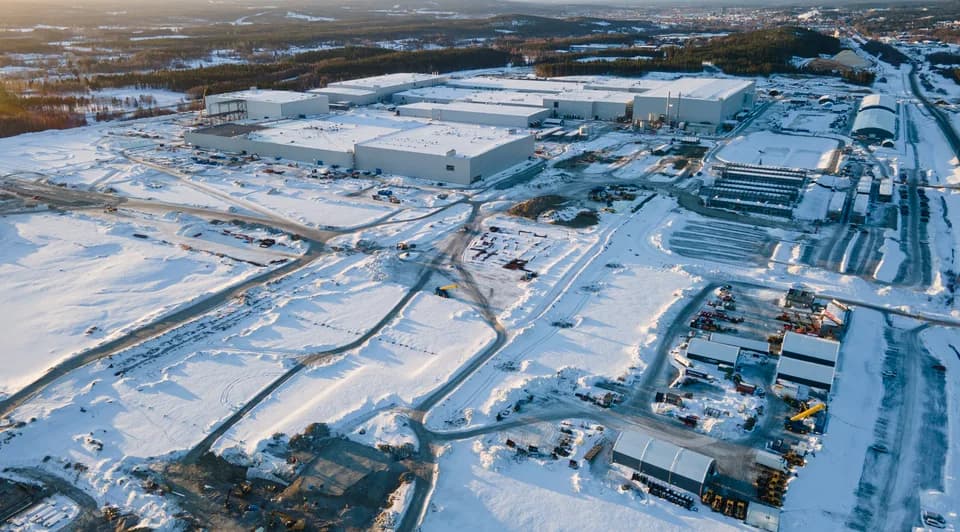
Northvolt leads Europe's clean-energy transition with a €15B valuation as the continent's first gigascale lithium-ion battery manufacturer. Its Skelleftea Ett plant now produces 60 GWh annually, powering vehicles for BMW, Volkswagen, and Volvo while its 2025 recycling facility recovers 95% of battery materials, outperforming the 70% industry average by a wide margin.
- 0#2
Orsted (Denmark)
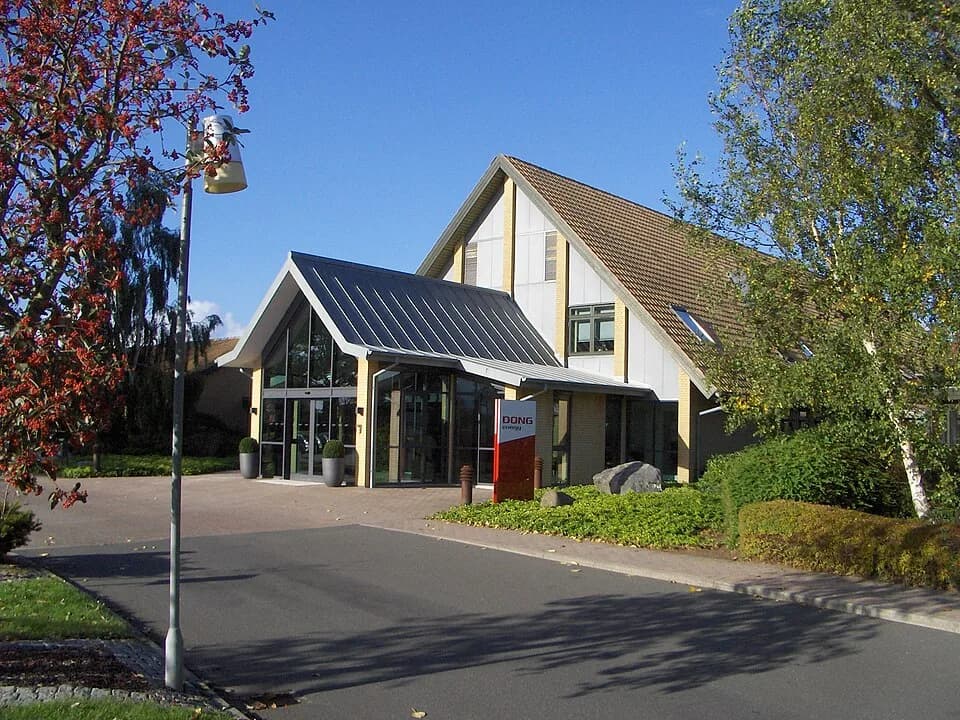
Orsted transformed from a fossil-fuel giant into the world's largest offshore wind developer, now commanding a €40B market cap and operating 15+ GW of offshore capacity across Europe and the US. Its Hornsea 3 project in the UK, completed in 2025, generates 2.85 GW—making it the single largest offshore wind farm globally and 30% more powerful than the runner-up offshore facility. Orsted's levelized cost of energy at Hornsea 3 is €44 per MWh, cheaper than the typical European offshore rival's €55 per MWh, proving that full decarbonization can accelerate profitability.
- 0#3
Vestas (Denmark)
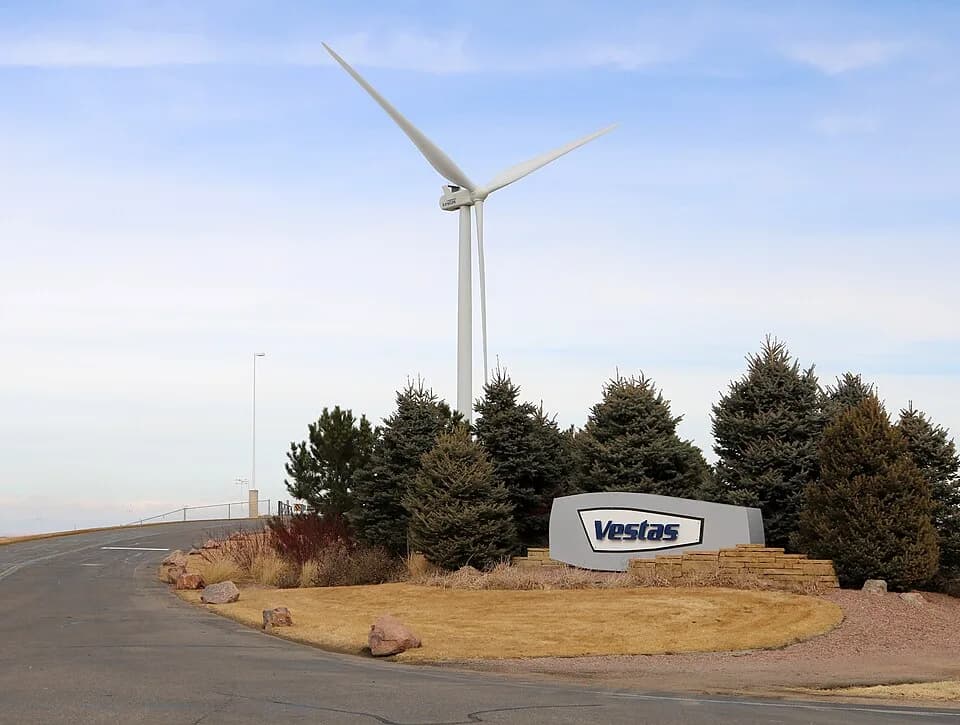
Vestas generates €17B in annual revenue by manufacturing and servicing over 75,000 turbines across 88 countries, solidifying its position as the dominant force in onshore and offshore wind. Its V236-15.0 MW turbine—the world's most powerful—entered serial production in 2025 and powers 20,000 homes per unit, a 50% increase in output compared to the industry's average 10 MW class turbine.
- 0#4
Climeworks (Switzerland)
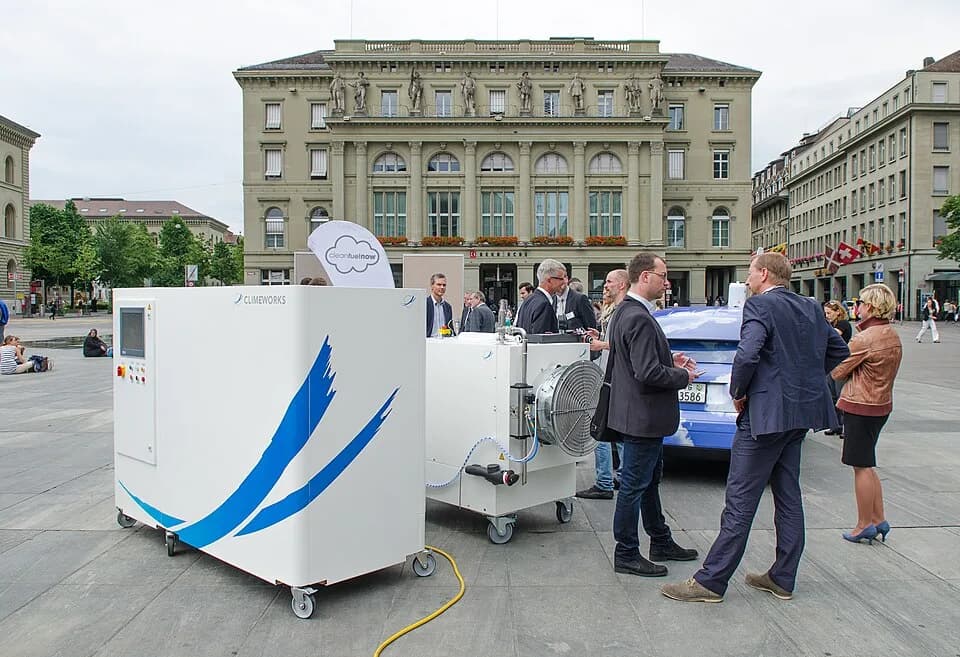
Climeworks operates Mammoth, the world's largest direct air capture plant in Iceland, removing 36,000 tonnes of CO₂ annually and raising €650M through 2025 from partners including Microsoft and Stripe. This scalable model makes Climeworks a vanguard in negative emissions, setting a benchmark that no other European cleantech company in this list matches for direct atmospheric carbon removal.
- 0#5
Sunfire (Germany)
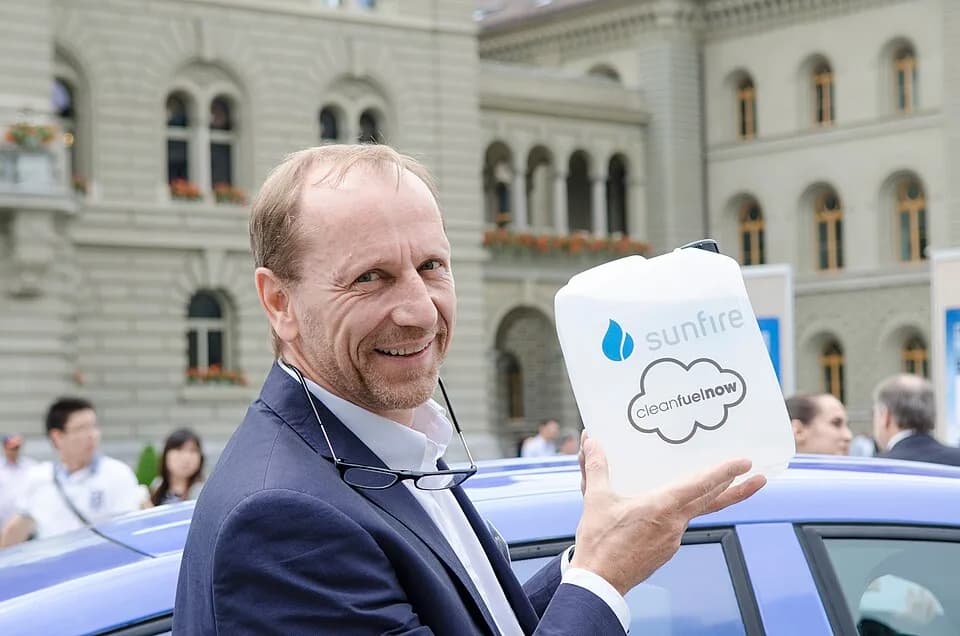
The Dresden-based company secured a €300M German government contract in 2025 to supply green hydrogen for Ruhr Valley steel plants, replacing 100% of natural gas in direct reduction processes. Sunfire's modular design reduces capital costs by 25% compared to conventional stack systems, enabling scalable deployment for industrial decarbonization across Europe.
- 0#6
H2 Green Steel (Sweden)

H2 Green Steel is building Europe's first full-scale green steel plant in Boden, targeting 5 million tonnes per year by 2030 — equivalent to 2% of EU steel demand. The company raised €4B by 2025, with offtake agreements covering 100% of initial production from Mercedes-Benz, Scania, and SSAB.
- 0#7
FREYR Battery (Norway)

Its 2025 US Gigafactory deal with Koch Industries valued the company at $1.7B, with a 2024 Customer Qualification Plant already delivering first cells to utility clients. The semi-solid design eliminates thermal runaway risk, undercutting safety concerns associated with liquid electrolyte batteries, while costing 15% less per kWh than the grid storage average.
- 0#8
Skeleton Technologies (Estonia)

Skeleton Technologies' graphene ultracapacitors achieve 10,000W/kg power density — 10x that of lithium batteries — enabling 15-second charging for hybrid truck fleets. Its 2025 SuperBattery partnership with Continental targets 30% fuel savings across European routes, delivering 500,000 cycles with no capacity fade. At $15 per kW, the ultracapacitors cost 40% less than equivalent supercapacitors from Japanese rivals, while maintaining -40°C to 65°C operational range for Nordic winters. Skeleton's graphene production process uses 100% recycled graphite, achieving carbon-neutral manufacturing from 2026.
- 0#9
Tree Energy Solutions (Germany)

Hamburg-based TES leads Europe's green hydrogen build-out with its Wilhelmshaven import terminal, the continent's first such facility opening in 2026. The company has raised €3 billion from bp, E.ON, and EnBW—more than any other European green hydrogen startup. It targets 15 million tonnes of green gas supply to Europe by 2030, which would reduce 40 million tonnes of CO₂ annually.
- 0#10
Envision Energy (European HQ)

In 2025 it opened a wind turbine blade factory in Spain, the largest in southern Europe, creating 800 jobs. Its AI platform cuts energy costs for clients by 15% on average, outperforming the typical rival's savings. Envision's supply chain integration also delivers blades costing 20% less than the industry norm in Europe.
Image credits
- Northvolt (Sweden): Spisen / CC BY-SA 4.0 (entity-adopted)
- Orsted (Denmark): Henrich S / Public domain (entity-adopted)
- Vestas (Denmark): Jeffrey Beall / CC BY 4.0 (entity-adopted)
- Climeworks (Switzerland): TRx340 / CC BY-SA 4.0 (entity-adopted)
- Sunfire (Germany): TRx340 / CC BY-SA 4.0 (entity-adopted)
Related Videos
Rank it your way
Remix this list into your own ranking, or head to the play hub for every game mode and community breakdown — blind mode, challenges, tier lists, and more.
You Might Also Like

Top 10 Sodium-ion Battery Companies to Watch in 2026
Top 10 European Cleantech Companies 2026

Top 10 US Climate Technology Companies
Top 10 European Cleantech Companies 2026

Top 10 European Energy Storage Technology Companies
leading European energy storage technology companies

Top 10 European Green Tech Companies 2026
top European green technology companies

Top 10 Thai Startups to Watch in 2026
#1 LINE MAN Wongnai · #2 Flash Group · #3 Bitkub

Top 10 US IoT Companies
#1 Cisco IoT · #2 Microsoft Azure IoT · #3 Amazon AWS IoT