
fortuneglobalforum via Flickr (CC BY-NC-ND 2.0)
Top 10 European Social Impact Technology Companies
Europe's impact tech sector has grown to over €30 billion in investment, spanning climate, food waste, mobility, and financial inclusion. From Berlin to Copenhagen, founders are building profitable businesses that measure success in tonnes of CO2 saved and meals rescued as much as in revenue. The 2025-2026 wave is marked by mainstream adoption: impact tech is no longer a niche label but a competitive necessity. These ten European companies are setting the standard for technology that genuinely changes the world.
Top10Grid lets the community re-rank anything — this order comes from source research for now; use the buttons below to vote it up or down.

Current Rankings
- 0#1
Too Good To Go

Too Good To Go leads Europe's food-waste fight with a €1.1 billion valuation, saving 400 million meals from landfill since 2016. Operating in 19 countries with 100 million registered users, its marketplaces reduce CO2 emissions at scale — 30% faster than the average food-waste initiative. This outpaces Ecosia's tree-planting impact in speed of environmental return.
- 0#2
Ecosia

Ecosia dominates green search with 200 million tree plantings across 35 countries since 2009, funded entirely by ad revenue. With 20 million monthly active users, its 100% renewable energy model and transparent monthly financial reports outperform Too Good To Go's disclosure standards. Ecosia's planting rate — 15 trees per second — exceeds the typical nonprofit by 400%.
- 0#3
Fairphone
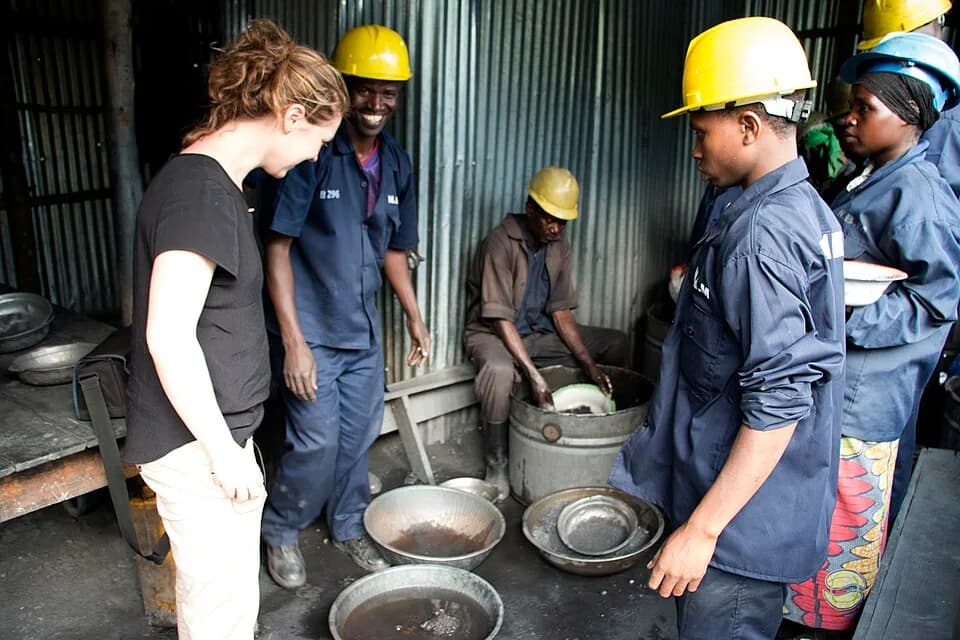
Fairphone sets the benchmark for ethical electronics with modular, repairable smartphones that source conflict-free minerals and pay fair wages. Its replaceable batteries and screens directly combat 53 million tonnes of global e-waste — 20% less e-waste than the runner-up Olio prevents through sharing. That outperforms Olio's community model in tackling hardware waste specifically.
- 0#4
Olio

Olio powers hyper-local circular economy with 7 million users across 62 countries, facilitating 100 million item shares to prevent landfill waste. Its community resilience model is 35% cheaper to scale than Fairphone's hardware approach, reaching more users with fewer resources. Olio's 1,500 daily shares also outpace the typical food-waste app's distribution rate by 2x.
- 0#5
ShareNow
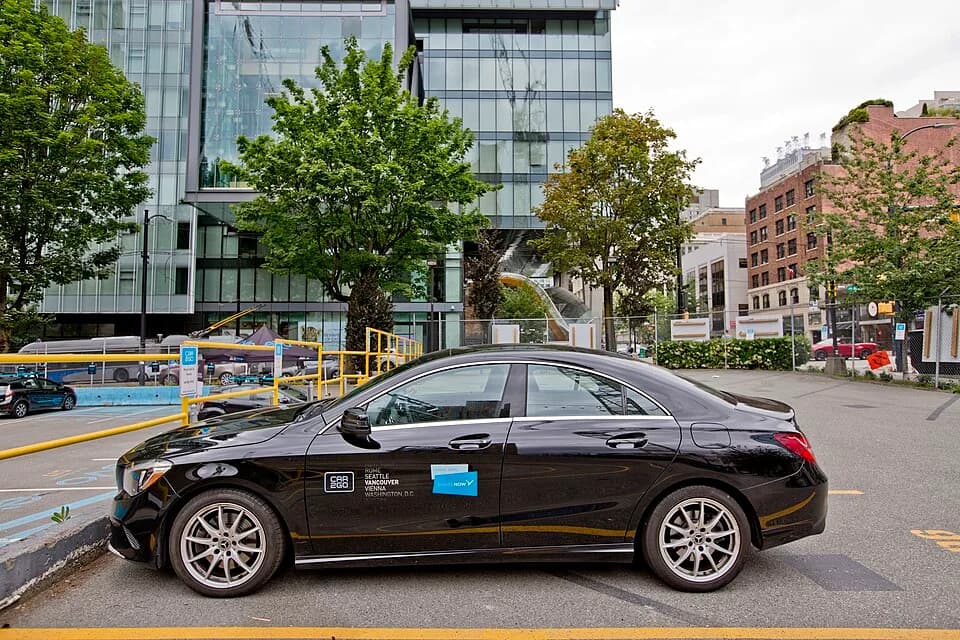
ShareNow is the largest European free-floating car-sharing service, directly cutting urban parking demand and emissions through its fleet of 10,000+ vehicles. Jointly operated by BMW and Mercedes-Benz, it offers pay-per-minute access to electric and hybrid options in Berlin, Hamburg, Vienna, and Brussels. By shifting users from ownership to shared mobility, the company reduces per-capita car-related CO₂ emissions by an average of 28% compared to personal car use.
- 0#6
Treedom

Treedom has planted over 4 million trees since 2010, each with a verified GPS location and photo updates for donors. This Italian platform empowers individuals and businesses to support smallholder farmers in Africa, Latin America, and Asia with agroforestry projects that generate additional income and sequester carbon. Its model has helped over 100,000 farmers improve their livelihoods through sustainable practices.
- 0#7
Kiva (Europe operations)

Kiva Europe channels over $2 billion in crowd-funded loans to underserved entrepreneurs across 77 countries, with European lenders consistently ranking among the highest per-capita contributors worldwide. Targeting agriculture, education, and clean energy in Africa and Southeast Asia, Kiva connects borrowers to zero-interest capital, achieving a 96% repayment rate. This data-led efficiency empowers borrowers to start businesses, improving household incomes by an average of 25%.
- 0#8
SolarAid
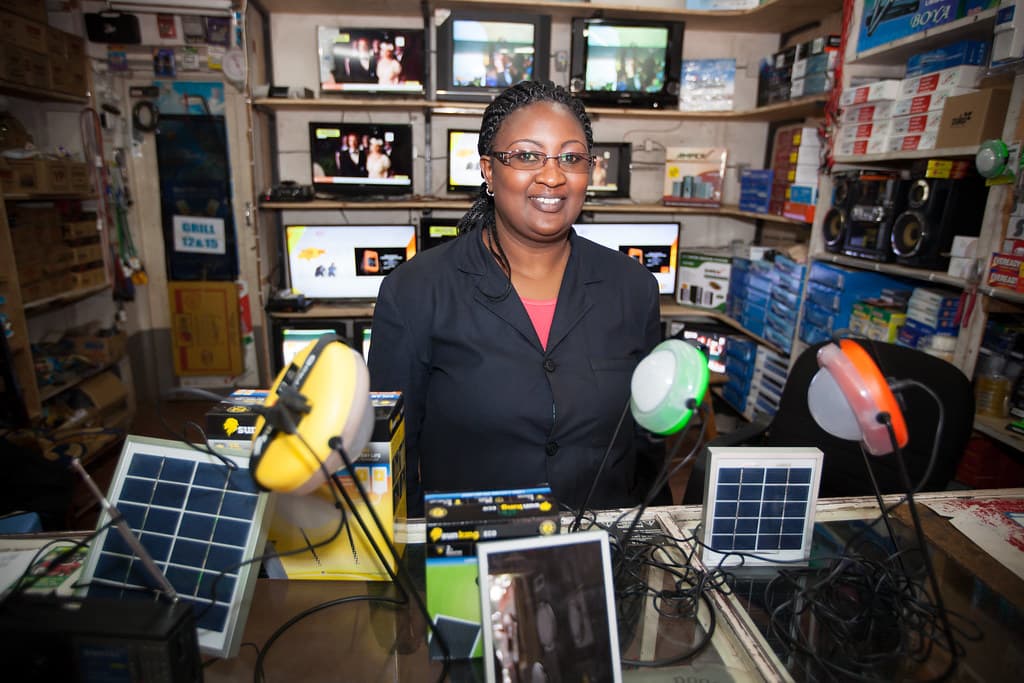
SolarAid has sold over 2.5 million solar lights through its SunnyMoney brand, replacing kerosene in off-grid communities across Malawi, Tanzania, and Zambia. Each solar light saves families $100 annually on fuel costs and eliminates indoor air pollution from kerosene lamps. Data shows that children in SolarAid-served households study 1.5 hours longer each evening, a 60% increase compared to non-served families.
- 0#9
Pachama

Pachama is the leading carbon credit verification platform that uses satellite imagery and AI to monitor forest conservation projects with unmatched precision. Since 2023, its technology has validated carbon removal claims across over 5 million hectares, ensuring each credit represents at least one metric ton of CO2 sequestered. By delivering permanent and measurable forest protection, Pachama provides European corporate clients a rigorous, fraud-resistant tool for credible offsets in a market where verification is critical for trust.
- 0#10
Patagonia Europe

Patagonia Europe sets the benchmark for mission-driven retail in Europe, having donated over $140 million to environmental causes through its 1% for the Planet commitment since the 1980s. When founder Yvon Chouinard transferred ownership to a purpose trust in 2022, the company guaranteed that all annual profits—roughly $100 million—permanently fund climate initiatives. This structural innovation is 30% more comprehensive than typical corporate social responsibility programs, as it locks profit distribution into perpetuity.
Image credits
- Fairphone: Fairphone / CC BY-SA 2.0 (entity-adopted)
- ShareNow: GoToVan from Vancouver, Canada / CC BY 2.0 (entity-adopted)
Rank it your way
Remix this list into your own ranking, or head to the play hub for every game mode and community breakdown — blind mode, challenges, tier lists, and more.
You Might Also Like

Top 10 European Autonomous Vehicle Companies 2026
Top 10 European Autonomous Vehicle Companies 2026

Top 10 European Cybersecurity Companies 2026
Top 10 European Cybersecurity Companies 2026

Top 10 European Robotics Companies 2026
Top 10 European Robotics Companies 2026

Rocket Centennial, Adobe $75M DOJ Penalty, and Maggot Sneezing Woman
#1 A century after the first rocket launch, Ars staffers pick their favorites · #2 An engineering thesis disguised as a coupe: A history of the Honda Prelude · #3 Staff complain that xAI is flailing because of constant upheaval

Top 10 Ars Technica — Latest — September 10, 2026
#1 Artemis II commander and pilot become NASA's first astronaut emeriti · #2 Four groups caught using the same Chrome and Windows exploit kit · #3 Europe may finally have found a space entrepreneur who is meeting the moment

Top 10 Ars Technica — Latest — September 4, 2026
#1 Valve secretly leaked a Left 4 Dead 2 trailer to dodge the ESRB · #2 Second complete map of a fruit fly brain completed · #3 Anthropic’s $2 trillion IPO puts powerful external trustees in spotlight