Daniil Komov / Pexels
Top 10 European Open Source Projects 2026
Europe has quietly become the spiritual home of open source software, hosting the foundations, non-profits, and community projects that power global digital infrastructure. From the Linux kernel's Finnish origins to the Netherlands' Blender Foundation revolutionising 3D animation, European open source projects underpin €2T+ in annual global economic value. The EU's Open Source Strategy 2020-2023 committed €20M to open source, and in 2026 the European Commission itself became a top contributor to several foundations. These projects embody the continent's belief in software as a public good.
Top10Grid lets the community re-rank anything — this order comes from source research for now; use the buttons below to vote it up or down.

Current Rankings
- 0#1
Linux Foundation Europe

Linux Foundation Europe launched in September 2022 as the Linux Foundation's Brussels-based European entity, giving European-led open source projects a neutral home under European governance. Its hosted projects include Sylva, the telco cloud framework backed by Europe's major carriers and network vendors, and the OpenWallet Foundation.
- 0#2
Blender Foundation (Netherlands)
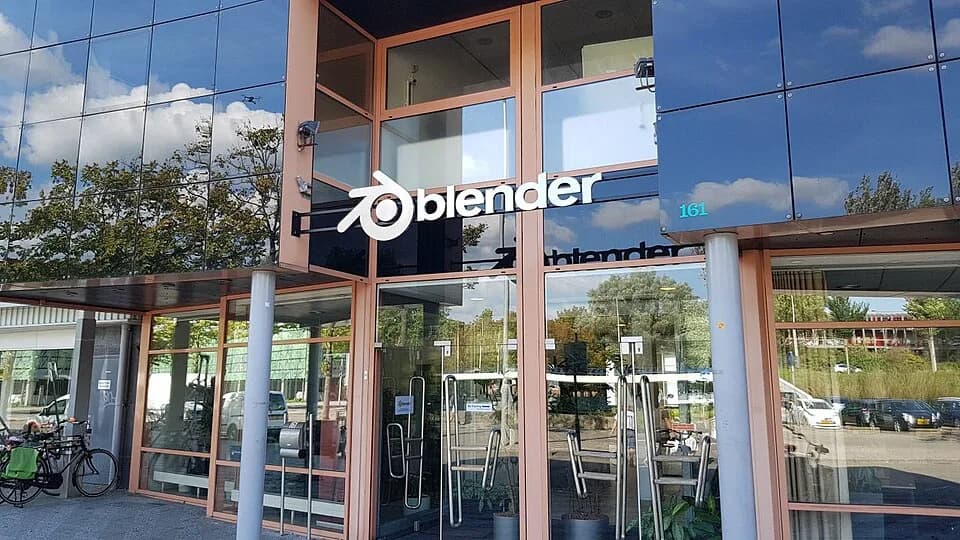
The Blender Foundation is the Amsterdam nonprofit behind Blender, a GPL-licensed 3D creation suite covering modelling, sculpting, animation, simulation and rendering. Ton Roosendaal set it up in 2002 after a crowdfunding campaign bought the source code out of a bankrupt company, and it is now supported by a Development Fund whose corporate members include AMD, Apple, Epic Games, Intel and NVIDIA.
- 0#3
Nextcloud (Germany)
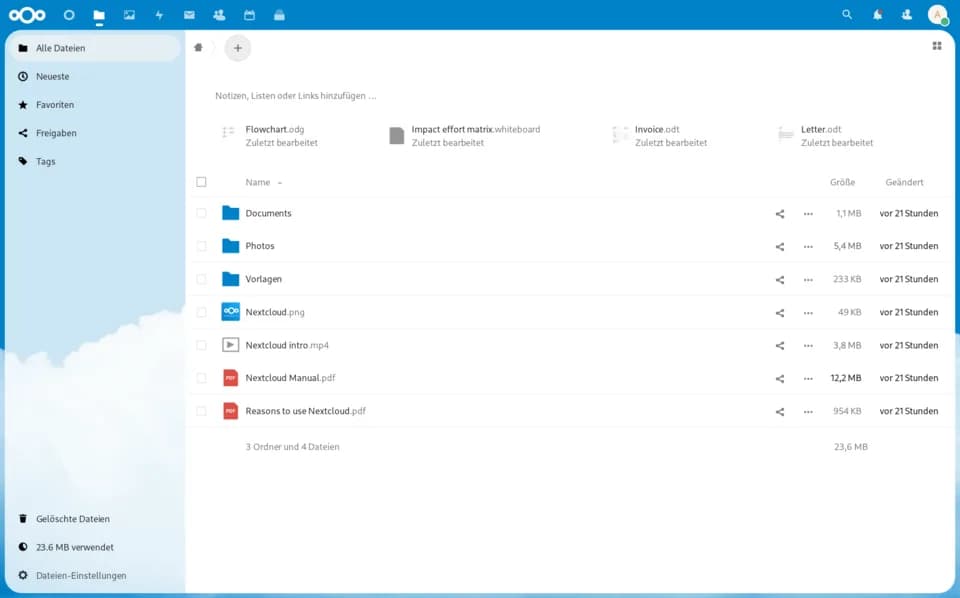
Nextcloud is a self-hosted file sync and collaboration platform, forked from ownCloud in 2016 by Frank Karlitschek and developed by a company based in Stuttgart. Because organisations run it on their own servers under the AGPL, it has found particular traction with European public-sector bodies that want shared drives, calendars and calls without sending the data to a US cloud.
- 0#4
KDE e.V. (Germany)

KDE e.V. is the Berlin-based non-profit that provides the legal and financial backing for the KDE community, which develops the Plasma desktop and a large suite of applications from Okular to Kdenlive. Its KDE Eco project works on measuring the energy a program actually consumes; Okular became the first computer program awarded Germany's Blue Angel eco-label.
- 0#5
Eclipse Foundation (Belgium)

The Eclipse Foundation moved its legal home from Ottawa to Brussels in 2021, becoming a Belgian AISBL, and hosts more than 400 open source projects — the Eclipse IDE, Jakarta EE, the Theia cloud IDE and the Adoptium builds of OpenJDK among them. Its working-group model, which lets competing companies fund and govern a shared codebase together, is what sits behind efforts such as Software Defined Vehicle.
- 0#6
GNOME Foundation (European Contributors)

GNOME is the default desktop environment for Fedora, RHEL, Debian and Ubuntu, developed in the open on a six-month release cycle by contributors from Red Hat, Canonical, SUSE and independent volunteers across Europe and elsewhere. Recent cycles have centred on the move to Wayland, GTK4 and libadwaita adoption, and experimental HDR support.
- 0#7
openSUSE / SUSE (Germany)

SUSE, based in Nuremberg, ships one of the oldest commercial Linux distributions - SUSE Linux dates from 1992 - alongside the community-run openSUSE project, which releases the rolling Tumbleweed and the fixed-release Leap. Its 2020 acquisition of Rancher Labs added Kubernetes cluster management to the portfolio, and EQT took the company private again in 2023 after a two-year listing in Frankfurt.
- 0#8
The Document Foundation / LibreOffice (Germany)
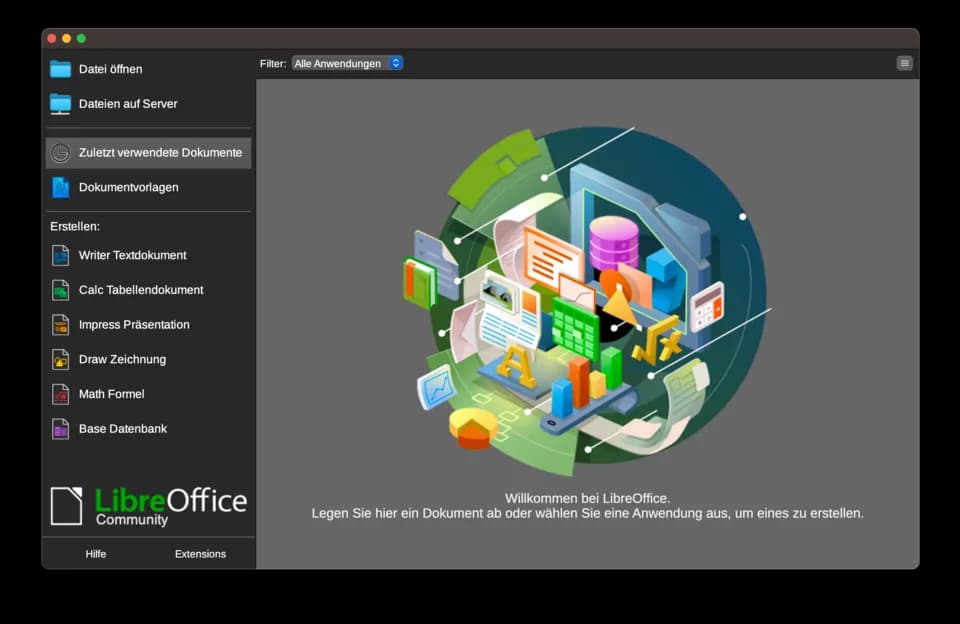
LibreOffice is the office suite maintained by The Document Foundation, a Berlin-based non-profit formed in 2010 when developers forked OpenOffice.org after Oracle's acquisition of Sun. It ships Writer, Calc, Impress, Draw and Base on a roughly six-month release cadence, uses the OpenDocument Format natively, and reads and writes Microsoft Office files.
- 0#9
Jitsi (France / 8x8)
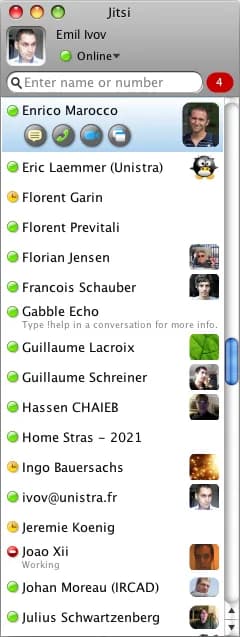
Jitsi Meet is an open source video conferencing platform that runs in a browser with no account required, and can be self-hosted end to end. It began at the University of Strasbourg and is now maintained by 8x8. The self-hostable stack is the reason European public bodies reach for it: the meeting server can sit on infrastructure they control rather than a vendor's.
- 0#10
Mastodon (Germany)

Mastodon is an open-source, self-hostable microblogging server developed in Germany by Eugen Rochko and first released in 2016. Servers running it interoperate over the ActivityPub protocol, so an account on one instance can follow and reply to accounts on any other, which is what distinguishes it from a single centrally-run network.
Image credits
- Blender Foundation (Netherlands): Blender Foundation – www.blender.org ( https://www.blender.org/about/website ) / CC BY-SA 3.0 (entity-adopted)
- Nextcloud (Germany): Mark Ziegler / LGPL (entity-adopted)
- KDE e.V. (Germany): CZ: Autorem této fotografie je neznámá osoba. EN: Author of this photo is unknown person. / Wikimedia Commons (Public domain)
- The Document Foundation / LibreOffice (Germany): Fantasiasod / CC BY-SA 4.0 (entity-adopted)
- Jitsi (France / 8x8): jitsi.org / Apache License 2.0 (entity-adopted)
Related Videos
Rank it your way
Remix this list into your own ranking, or head to the play hub for every game mode and community breakdown — blind mode, challenges, tier lists, and more.
You Might Also Like

Top 10 GitHub — Trending Python — May 18–May 24, 2026
Top 10 GitHub — Trending Python — May 18–May 24, 2026

10 Best Cloud Storage Services for Privacy & Value in 2026 (Big‑Trust Alternatives Ranked)
10 Best Cloud Storage Services for Privacy & Value in 202...

Top 10 Best Free Software Tools 2026
Top 10 Best Free Software Tools 2026

Top 10 Best Electric Vehicles 2026
#1 Tesla Model 3 Highland · #2 BYD Seal · #3 Hyundai Ioniq 6

Top 10 Breakthrough AI Technologies of 2026
#1 Agentic AI Systems · #2 Google Willow Quantum Processor · #3 Next-Generation Foundation Models

Top 10 AI Tools That Will Transform Your Workflow in 2026
#1 Claude · #2 ChatGPT · #3 GitHub Copilot