
Top 10 Ars Technica — Latest — August 26, 2026
August 26, 2026 delivered a headline collision between regulatory battles and breakthrough science. A federal court blocked the Trump FCC's controversial order that threatened to overwhelm broadcast television with a flood of political advertisements—setting up a clash between free speech advocates and broadcasters already dreading ad saturation. Meanwhile, researchers achieved something unprecedented in genetic engineering: making two separate genetic codes function simultaneously within the same cell, a development that could reshape synthetic biology. IBM's release of Granite 4.2 models capitalized on surging demand for private, locally-run AI systems. These top news stories measure what matters most to engaged readers—decisions that reshape daily life and discoveries that push civilization forward. The mix reveals readers craves substantive coverage over celebrity noise: court rulings affecting information ecosystems, biotech advances with generational implications, and hardware innovations changing how humans move and compute. Top News captures this by aggregating the most-discussed stories from major outlets, revealing the signals through the noise of an algorithmically-filtered media landscape.
Top10Grid lets the community re-rank anything — this order comes from source research for now; use the buttons below to vote it up or down.

Current Rankings
- 0
A federal appeals court blocked the Trump FCC's controversial order that would have permitted unlimited political advertising on broadcast television, protecting local stations from potential ad saturation and preserving the regulatory framework governing election-season broadcasts.
- 0
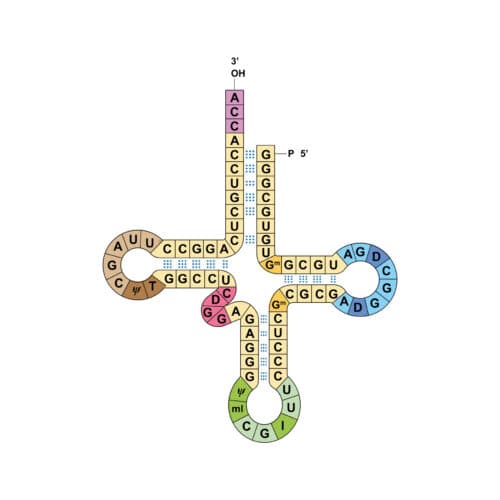
Scientists achieved a major milestone in synthetic biology by successfully operating two distinct genetic codes simultaneously within a single organism—a breakthrough that could unlock new frontiers in engineered organisms designed for medicine, materials, and environmental applications.
- 0
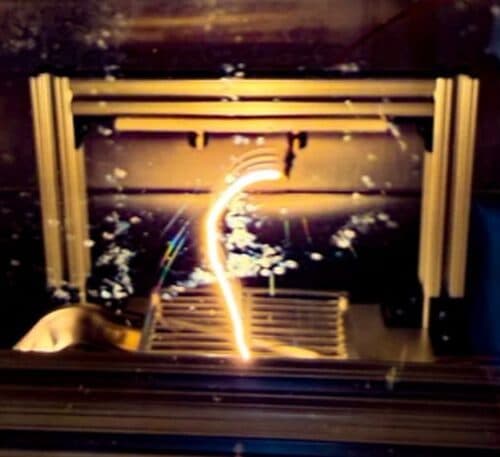
A Seattle-based startup demonstrated technology capable of simulating 15,000 years of solar wind exposure within a four-hour window, offering researchers unprecedented accelerated testing capabilities for materials destined for space missions.
- 0

Psychiatry's authoritative diagnostic manual, used worldwide for clinical diagnosis, is undergoing its most significant revision in decades by incorporating biological markers—moving beyond symptom-based classification toward evidence-backed, neuroscience-informed diagnostic criteria.
- 0
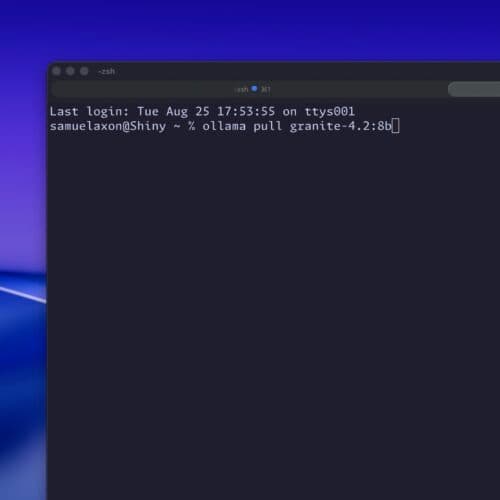
IBM released its Granite 4.2 model family specifically optimized for local deployment, capitalizing on surging organizational interest in running large language models privately without relying on cloud infrastructure or sharing data with external providers.
- 0

Xtracycle introduced the Swoop ASM, a cargo e-bike featuring the first production-ready automatic transmission designed specifically for heavy-load hauling, eliminating gear-shifting complexity for riders carrying children, groceries, or commercial goods.
- 0

Cape Canaveral, the world's most active spaceport by launch frequency, is experiencing a temporary operational pause due to scheduled infrastructure upgrades—marking an unusual quiet period in its otherwise relentless launch cadence.
- 0
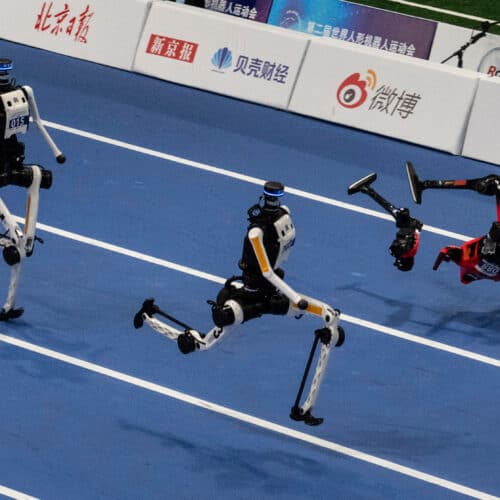
The inaugural World Humanoid Robot Games showcased competitions where bipedal robots demonstrated athletic capabilities, though several entries malfunctioned dramatically—including units that caught fire or collapsed during running events, exposing the fragility of current robotic systems.
- 0

Conservators and artists collaborated on preservation techniques for luminescent artworks and garments that rely on phosphorescent materials, developing specialized storage and display protocols to prevent degradation of pieces dependent on light-emitting chemical properties.
- 0
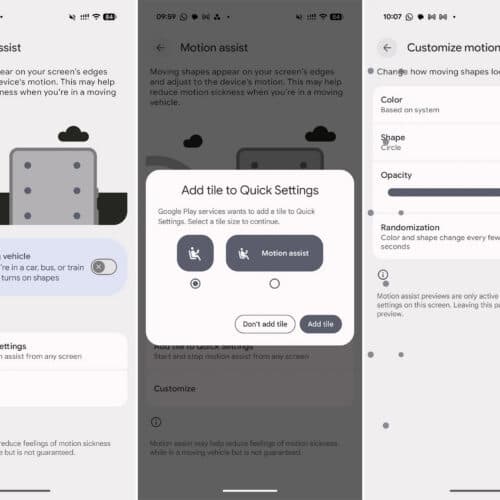
Google began rolling out Motion Assist dots to Android devices—a feature originally designed for its own Pixel phones that displays subtle visual anchors to reduce motion sickness when users view moving content on screens.
Trend Analysis
The August 26, 2026 index reveals a stark finding: science and technology dominated the day's most-engaged stories with seven of ten entries, compared to zero entertainment items—a pattern suggesting readers prioritize substantive content when given curated access to major outlets. The genetic code breakthrough and 15,000-year solar wind experiment represent pure science fascination, while the humanoid robot games entry brings unexpected levity, suggesting readers embrace both cerebral and playful technological narratives. The e-bike with automatic transmission and Google's anti-nausea technology democratize innovation—making cutting-edge engineering feel accessible rather than abstract. The psychiatry diagnostic update reflects growing public interest in mental health infrastructure and evidence-based medicine. Perhaps most telling: a court ruling on broadcast advertising and a spaceport operational pause both ranked highly, indicating readers care deeply about institutional systems shaping communication and transportation. This balanced diet of policy, breakthrough, and innovation suggests the public hunger for substantive coverage remains robust when outlets surface it effectively.
Rank it your way
Remix this list into your own ranking, or head to the play hub for every game mode and community breakdown — blind mode, challenges, tier lists, and more.
You Might Also Like

Top 10 AI-Powered Cybersecurity Platforms and Tools for Enterprise Defense in 2026
Top 10 AI-Powered Cybersecurity Platforms and Tools for E...

Top 10 Ars Technica — Latest — March 14, 2026
Top 10 Ars Technica — Latest — March 14, 2026

Top 10 Ars Technica — Latest — March 15, 2026
Top 10 Ars Technica — Latest — March 15, 2026

Top 10 European Semiconductor Companies 2026
#1 ASML · #2 STMicroelectronics · #3 Infineon Technologies

Top 10 Next-Generation Processors Defining Performance in 2026
#1 AMD Ryzen 7 9800X3D · #2 Intel Core Ultra X9 388H (Panther Lake) · #3 Qualcomm Snapdragon X2 Elite Extreme

Top 10 YouTube Channels to Watch for Tech & AI in 2026
#1 MKBHD (Marques Brownlee) · #2 Linus Tech Tips · #3 Fireship