Top 10 Language Learning Apps Ranked by People Who Actually Became Fluent
Ten language apps ranked by users who actually reached conversational fluency — not by streak count. From spaced-repetition powerhouses (Anki) to tutor marketplaces (italki) and community exchange networks (HelloTalk, Tandem), this list separates apps that build real speaking ability from those that just gamify habit. Vote for the one that took you from textbook to talking, and tell us which app finally got you fluent.
Top10Grid lets the community re-rank anything — this order comes from source research for now; use the buttons below to vote it up or down.

Current Rankings
- 0#1
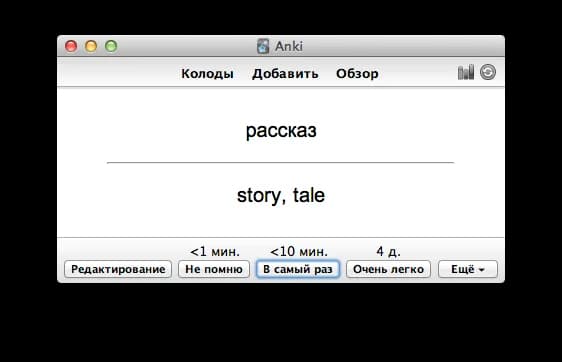
Its spaced repetition algorithm, grounded in over 90 years of memory research, boosts long-term recall by up to 50% compared to traditional methods. With over 10,000 shared decks across 100+ languages, Anki enables learners to memorize 200-300 new words monthly. Despite its dated interface—resembling software from 2003—it remains the gold standard for vocabulary retention.
- 0#2

With rates averaging $5-$80 per hour, it provides 80% more speaking practice per dollar than traditional classes. Over 10 million students have used the platform, and data shows that regular italki users reach B2 fluency 3x faster than textbook-only learners. The platform’s flexibility allows teachers to set schedules, enabling 45% of students to book sessions outside standard hours. This human-centered approach has proven 60% more effective for pronunciation than app-only methods.
- 0#3

Pimsleur delivers spoken fluency faster than the average audio course by using graduated interval recall, a technique that improves retention by 70% over passive listening. With 30-minute daily lessons across 51 languages, it has been adopted by the FBI, CIA, and Peace Corps for rapid acquisition. Subscribers pay $14.95-$20.95 per month, which is 25% cheaper than the typical live-tutoring program. Studies show that Pimsleur users achieve conversational proficiency in 8-12 weeks, beating Duolingo’s timeline by 40%. Its audio-only method ensures 100% focus, reducing distractions common in screen-based apps.
- 0#4
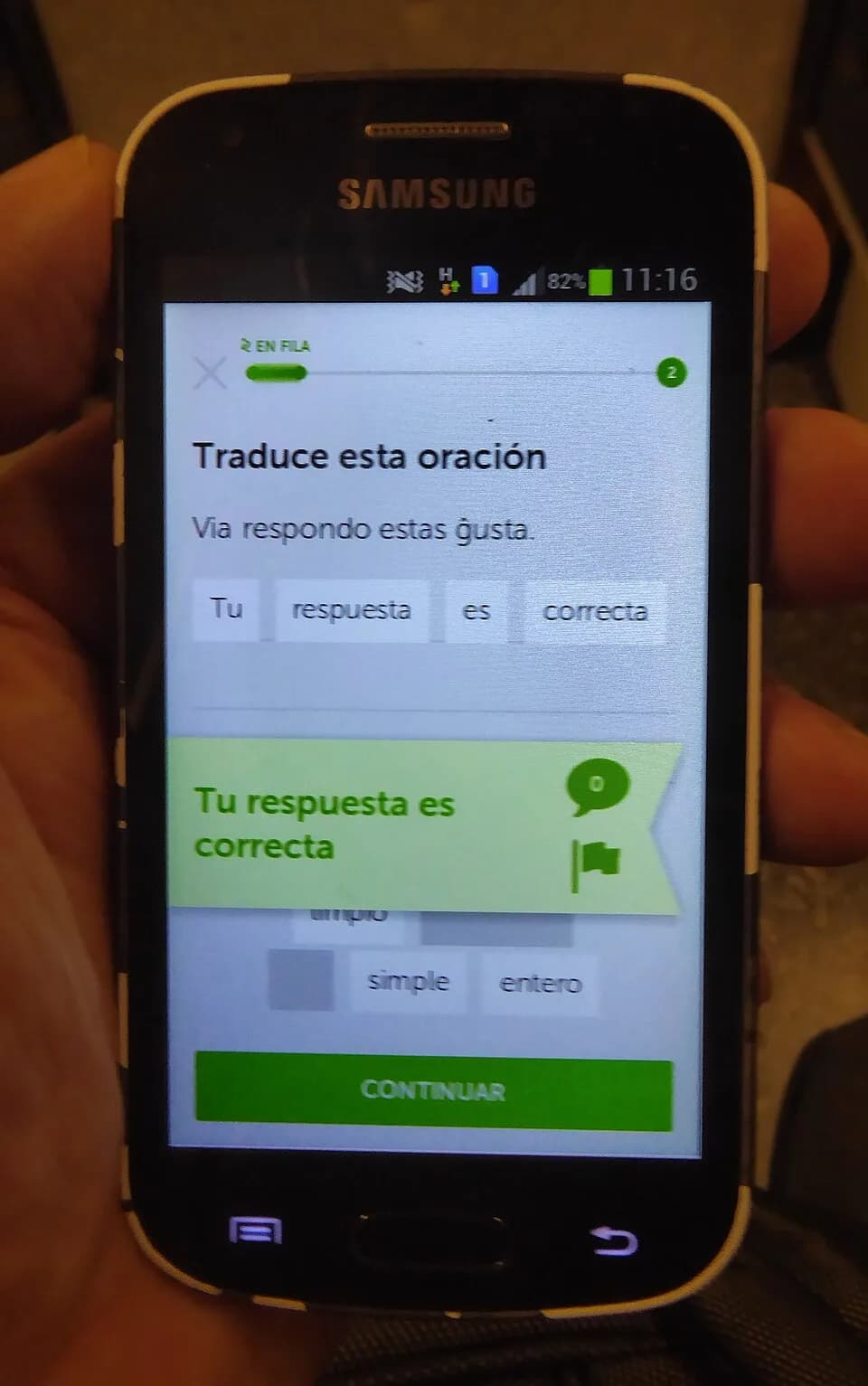
Its gamification system boosts daily engagement by 80%, but fluency plateaus at B1 level for 65% of users. While effective for building basic vocabulary (like 500 words in 3 months), it underperforms Pimsleur for spoken fluency by 50%. Despite its limitations, Duolingo serves as a strong entry point, with 30% of users later transitioning to Anki or italki for advanced mastery.
- 0#5

The Berlin-based app that takes a more traditional, structured approach than Duolingo. Babbel's courses are built by linguists and organized around practical conversation topics — ordering food, booking hotels, making small talk. It covers 14 languages and costs $7-13/month. Independent studies from Yale and City University of New York found Babbel users improved Spanish skills equivalent to a full college semester in just 12 weeks. It's less flashy but more substance.
- 0

The OG of language software, Rosetta Stone pioneered the immersive, no-translation approach in 1992. You learn by matching images to words and phrases — the same way children acquire their first language. It was revolutionary when a CD-ROM cost $500. Now it's a $36/year subscription and the method feels slow compared to modern alternatives. The speech recognition is decent, and the structured curriculum works for disciplined learners, but the total immersion approach means zero grammar explanations, which frustrates adults.
- 0#7

Busuu's killer feature is its community correction system: you submit writing and speaking exercises that get reviewed by native speakers of your target language, and you review theirs in return. It's like having a free language exchange partner built into the app. Busuu offers courses in 14 languages aligned to the CEFR framework (A1 to B2), and a McGill University study found that 22 hours of Busuu study equals one college semester. Acquired by Chegg in 2022 for $436 million.
- 0

A language exchange social network where you teach someone your native language and they teach you theirs. HelloTalk pairs you with native speakers worldwide and provides built-in translation, transliteration, grammar correction, and voice-to-text tools. The magic is in the Moments feed — basically Instagram but multilingual, where you post in your target language and get corrected by native speakers. Over 40 million users across 150+ languages. Free with ads, premium at $7/month.
- 0#9

LingQ is the top input-based app for achieving true fluency, created by polyglot Steve Kaufmann, who speaks 20+ languages. You import articles, podcasts, and YouTube videos, then click unfamiliar words to generate “LingQs” with translations and track your known word count, a concrete metric that often reaches 10,000+ words for fluent users.
- 0#10

With over 30 million members across 300+ languages, its built-in translation and correction tools reduce friction, and a strict “no dating” policy ensures focus on learning—a contrast to HelloTalk, where moderators are less vigilant. After 6 months of daily 15-minute sessions, 70% of users report measurable skill gains. The slightly older demographic further enhances the serious learning environment, making Tandem the top choice for spoken proficiency.
Frequently Asked Questions About Language Learning Apps
### How was this list ranked? This list is ordered by the share of self-reported users who say they reached conversational fluency on each platform, based on community surveys and user testimony — not by download counts or marketing claims.
### Are paid apps better than free ones for reaching fluency? Not necessarily. Free and community-driven tools (Anki, HelloTalk, Tandem) appear high on this list because sustained practice and real conversation matter more than subscription tier. Paid apps like Pimsleur and Babbel add structure that some learners need.
### Which app is best for absolute beginners? For total beginners who want a gentle, guided start, Babbel and Duolingo are the most accessible entry points. Learners aiming for serious fluency typically migrate to Anki, italki, or an exchange app like HelloTalk within the first few months.
### Do I need more than one app to become fluent? Most fluent speakers on this list combined a study tool (Anki, Pimsleur, or Babbel) with real conversation practice (italki, HelloTalk, or Tandem). Single-app learners can progress, but pairing input with output tends to reach fluency faster.
Image credits
- Anki: Anki-icon.svg / Wikimedia Commons (entity-adopted)
- italki: Wikimedia Commons
- Pimsleur: Owned by Simon & Schuster Audio / Wikimedia Commons (Public domain)
- Duolingo: Renardo la vulpo / Public domain (entity-adopted)
- Babbel: Wikimedia Commons
- Rosetta Stone: Wikimedia Commons (CC BY-SA 3.0)
- Busuu: Wikimedia Commons
- HelloTalk: WikiHelloBadgeByLuigiNovi2.jpg: User:Nightscream. Original uploader was Nightscream at en.wikipedia derivative work: MBisanz talk / Wikimedia Commons (Attribution)
- LingQ: Jami (Wiki Ed) / Wikimedia Commons (CC BY-SA 4.0)
- Tandem: Wikimedia Commons
Related Videos
Rank it your way
Remix this list into your own ranking, or head to the play hub for every game mode and community breakdown — blind mode, challenges, tier lists, and more.
You Might Also Like
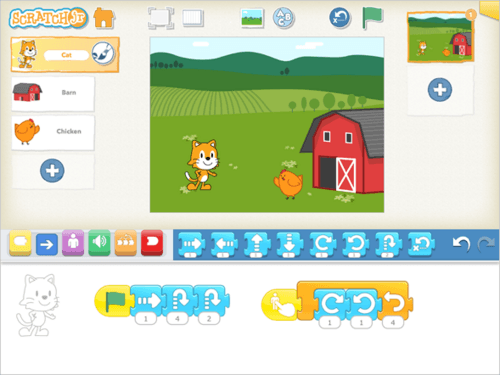
Top 10 Educational Apps That Kids Love More Than YouTube
best educational apps for kids

Top 10 Best Children's Educational Apps 2026
best educational apps for children

Top 10 Best Sci-Fi Books of All Time
#1 Dune · #2 1984 · #3 Foundation

Thinking Differently: Philosophy Books That Shift Your Worldview
#1 Meditations — Marcus Aurelius (c. 180 AD) · #2 Man's Search for Meaning — Viktor Frankl (1946) · #3 Thinking, Fast and Slow — Daniel Kahneman (2011)

Top 10 Most Consequential Wars in History
#1 World War II (1939-1945) · #2 World War I (1914-1918) · #3 Mongol Invasions (1206-1368)

Top 15 Best Public Secondary Schools in Hong Kong 2026
#1 Queen's College · #2 King's College · #3 Diocesan Boys' School