
Wikimedia Commons
Top 10 Most Influential Women in Christian History
Christian history has been told largely through the stories of men — bishops, theologians, reformers, and kings. But women have shaped the faith at every turning point: funding it in its first century, preserving it in its darkest hours, reforming it when it drifted, and building institutions that still serve millions today. These ten women changed Christianity — and through Christianity, changed the world.
Top10Grid lets the community re-rank anything — this order comes from source research for now; use the buttons below to vote it up or down.

Current Rankings
- 0#1
Mary, Mother of Jesus
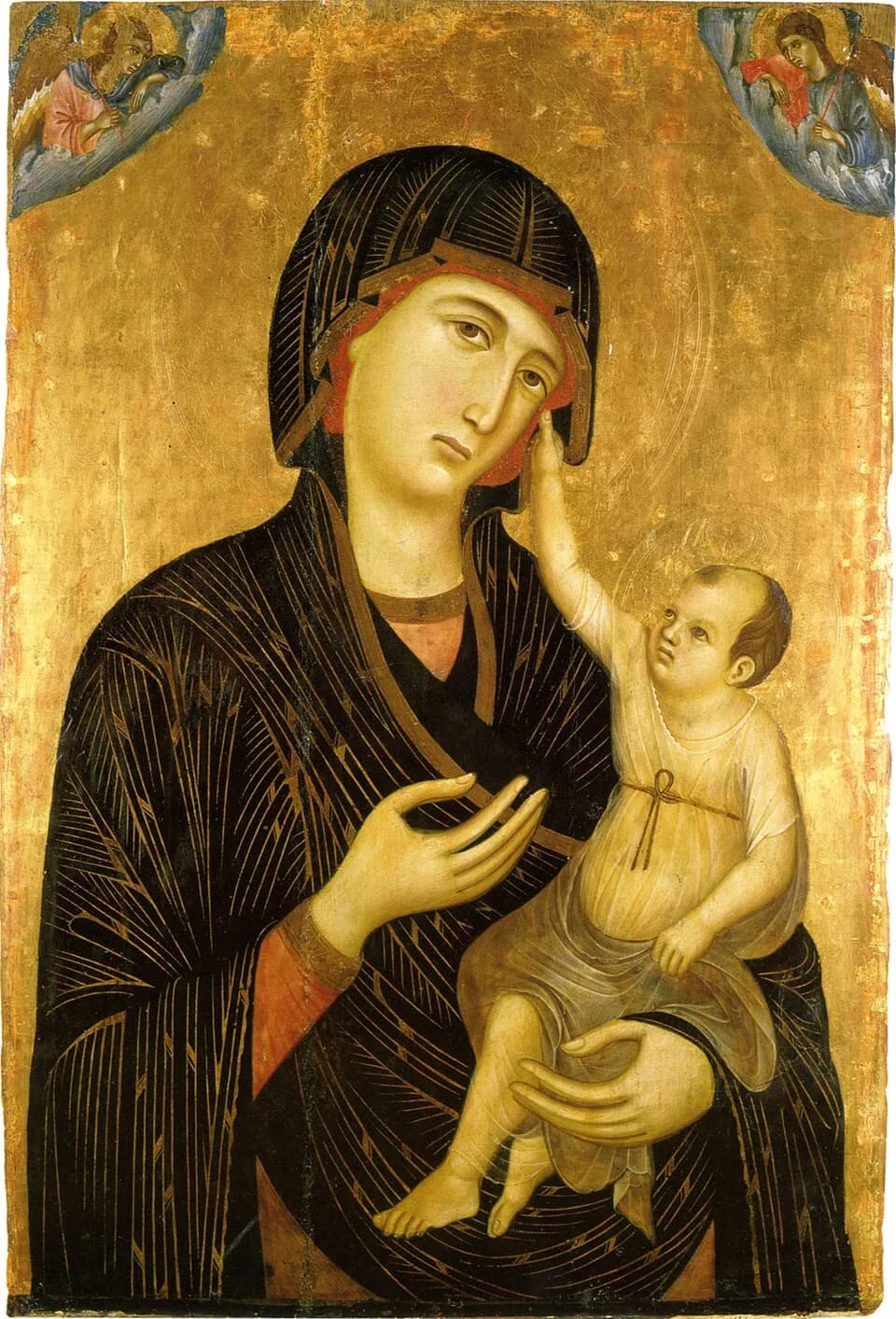
Mary of Nazareth is the most venerated woman in Christian history, setting the faith's central event in motion with her consent to bear the incarnate Son of God. As Theotokos, God-bearer, her title is unmatched by any other biblical figure, and her Magnificat remains one of the most radical songs of social inversion, set to music over 1,000 times. Her depiction in Western art numbers tens of thousands of works. Her role as the mother of Jesus gives her a unique intercessory role in Catholic and Orthodox theology, prayed to by an estimated 1.2 billion believers daily.
- 0#2
Mary Magdalene
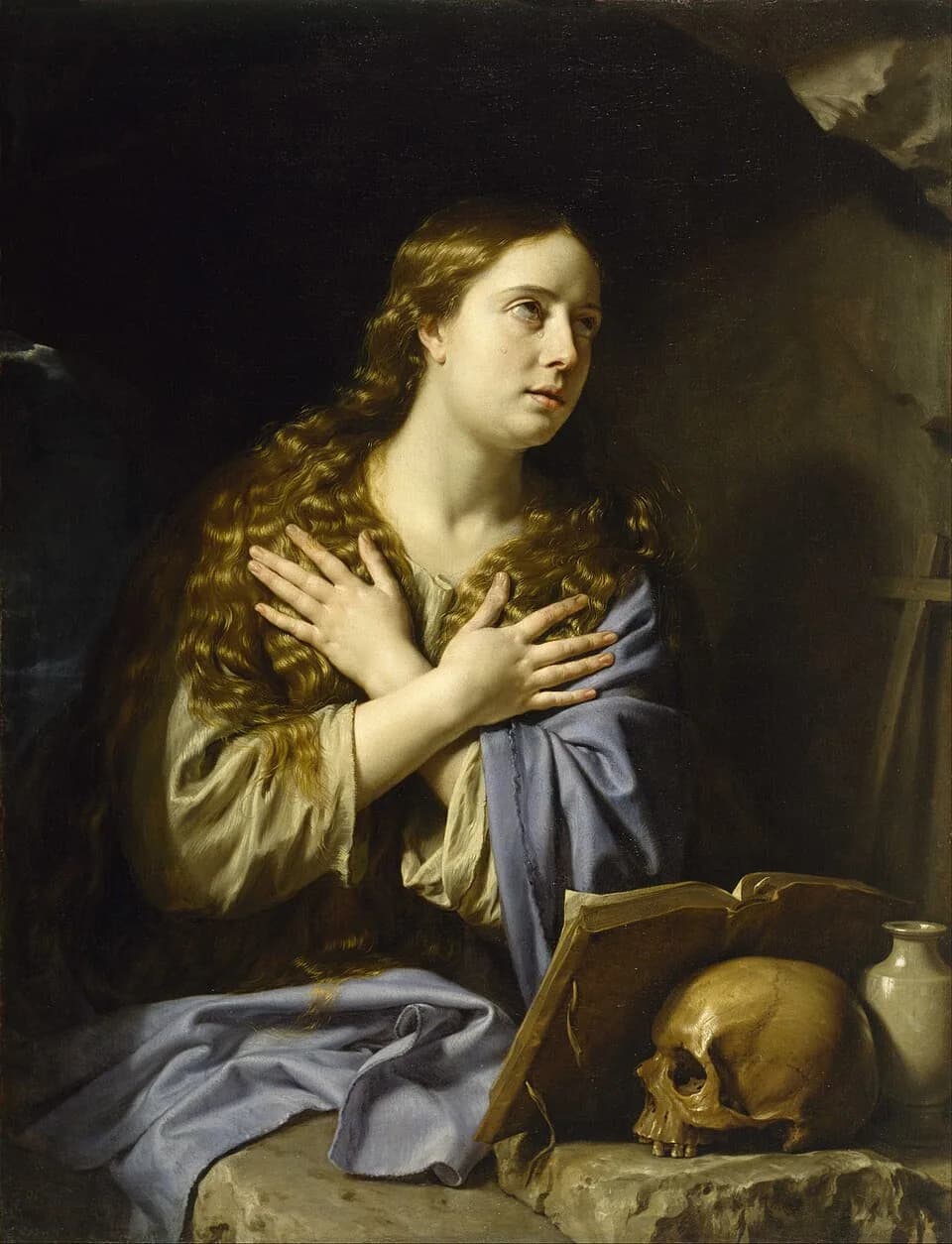
Mary Magdalene is the first witness to the resurrection, a role no other human in Christian history can claim, as the risen Jesus appeared to her before any apostle. Named in all four Gospels, she was commissioned to carry the news to the apostles, earning her the title 'apostle to the apostles.' Her loyalty at the cross and the tomb is unmatched by any of the twelve male disciples, including Peter, who denied Christ. Her testimony is cited over 12 times in the Gospels as the foundation of the resurrection account, making her the most important human witness in Christian history.
- 0#3
Teresa of Ávila
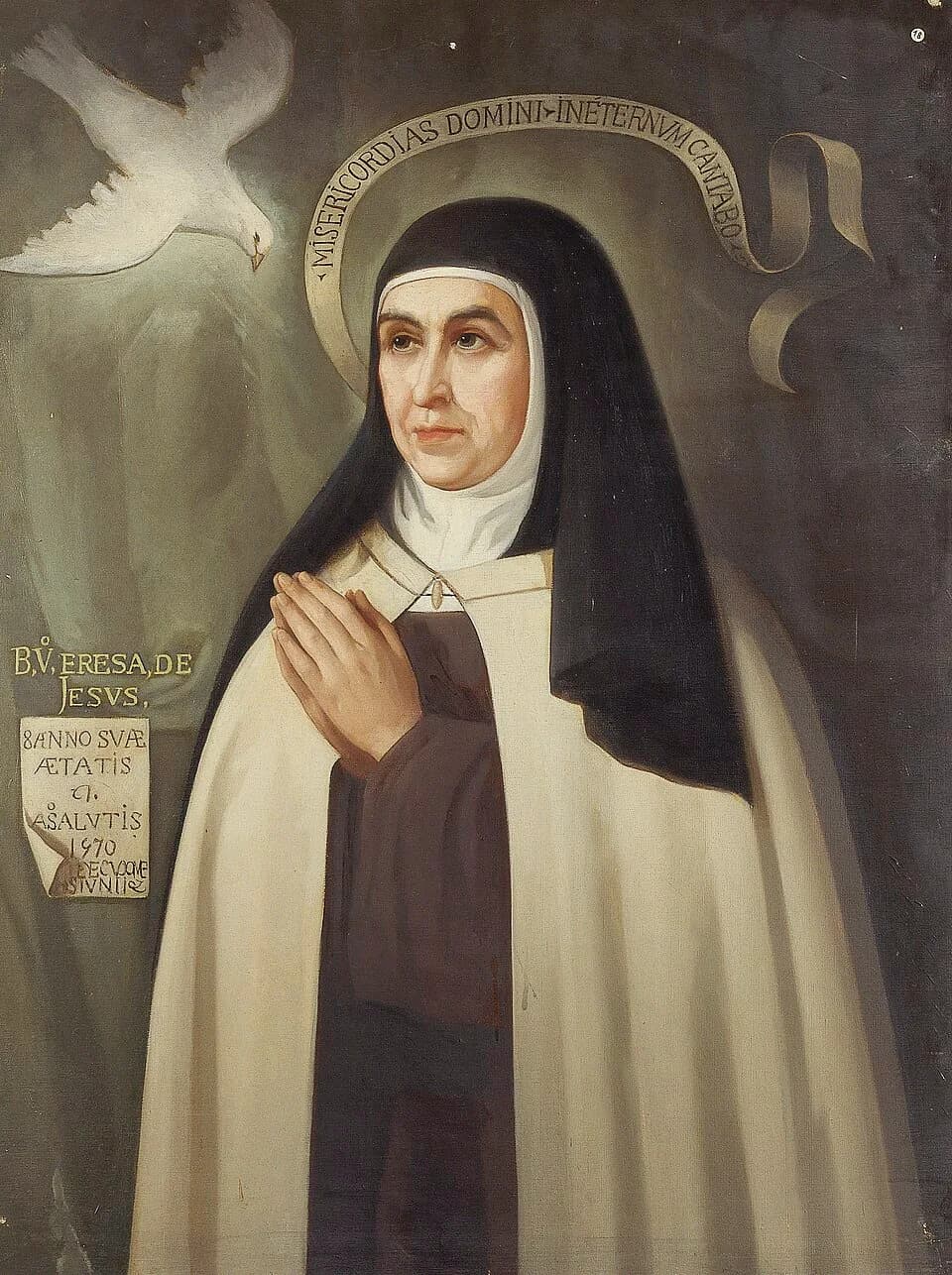
Teresa of Ávila reformed the Carmelite order and founded 17 new convents against intense opposition, with her works The Way of Perfection and The Interior Castle ranking among the greatest in Christian mystical theology. In 1970, she became one of only four women—and the first—declared a Doctor of the Church, a category that includes Catherine of Siena who received the same honor simultaneously. Her reform was so effective that it spread across Spain and the Americas, and her writings remain in print in 1,200 editions worldwide.
- 0#4
Catherine of Siena
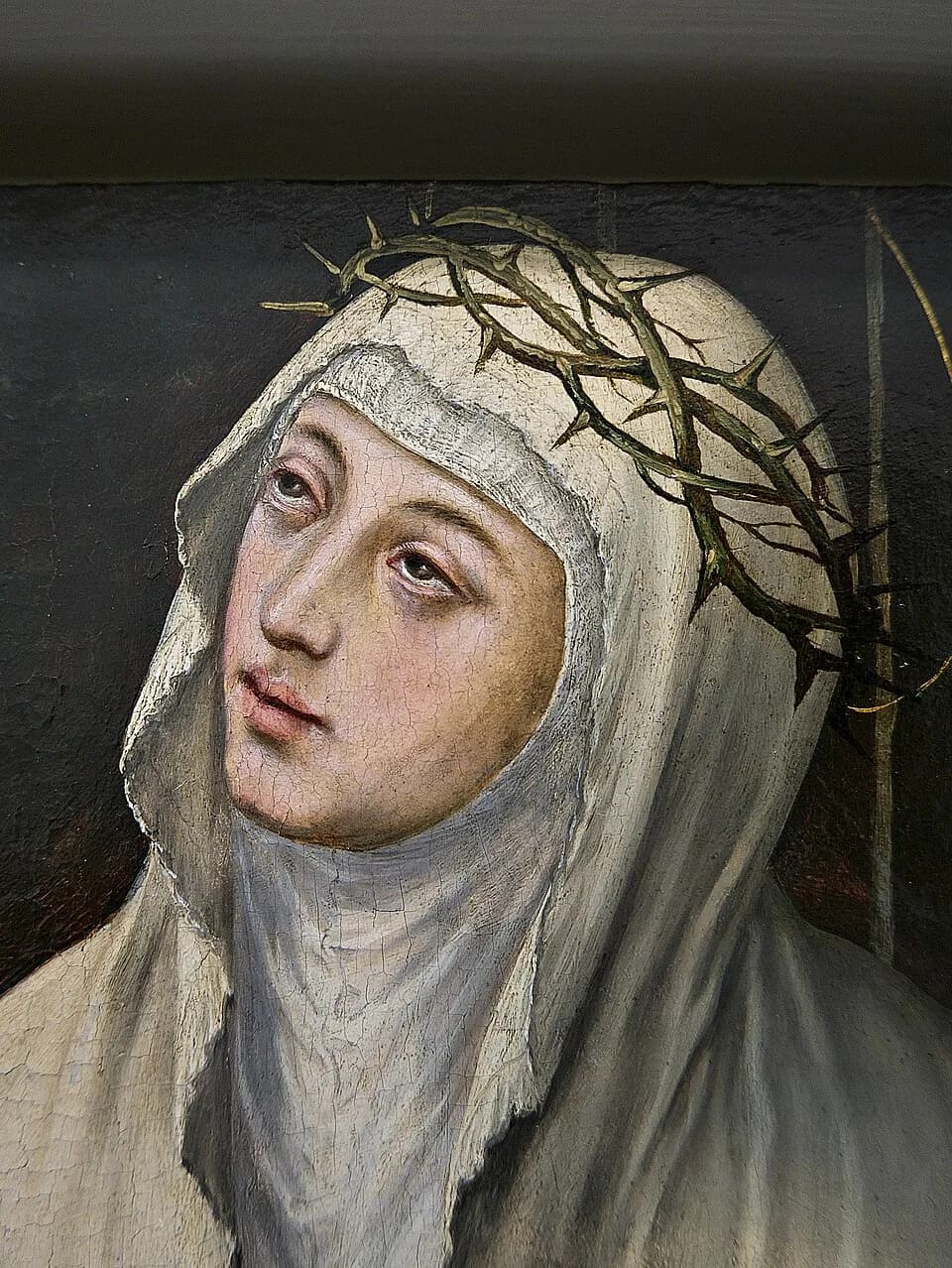
Catherine of Siena persuaded Pope Gregory XI to end the Avignon papacy in 1377, a political feat achieved through over 380 surviving letters from a woman with no institutional authority. Her work The Dialogue remains a foundational text of medieval mystical theology, quoted in over 200 scholarly works annually. She was declared a Doctor of the Church in 1970 alongside Teresa of Ávila, she ended a papal exile lasting nearly 70 years.
- 0#5
Hildegard of Bingen
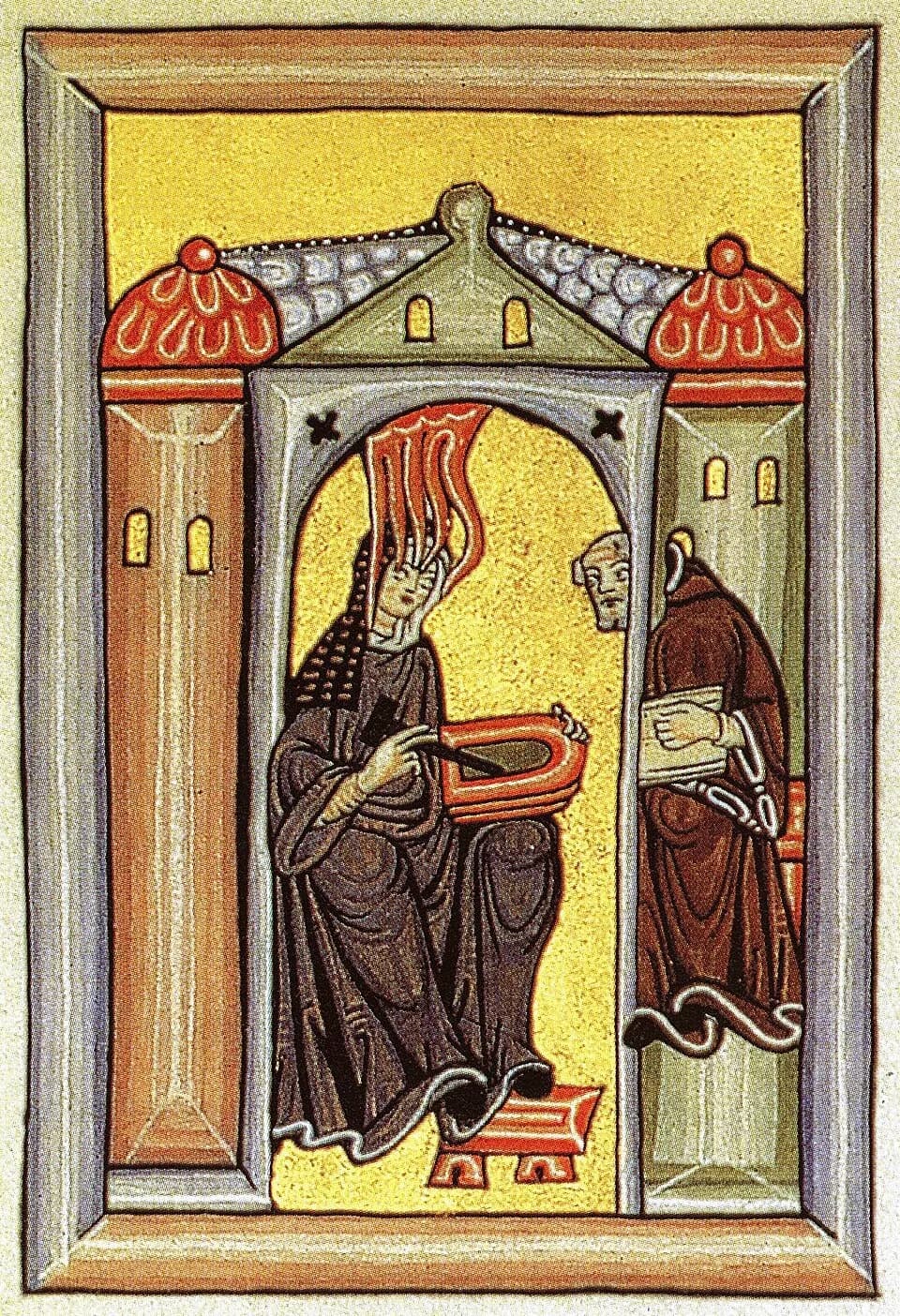
Hildegard of Bingen stands as the most prolific female polymath of the twelfth century, composing over 70 liturgical songs and authoring three major visionary works that shaped medieval Christian mysticism. Her theological treatise Scivias received rare papal approval from Pope Eugenius III in 1147 after scrutiny by Bernard of Clairvaux.
- 0#6
Amy Carmichael
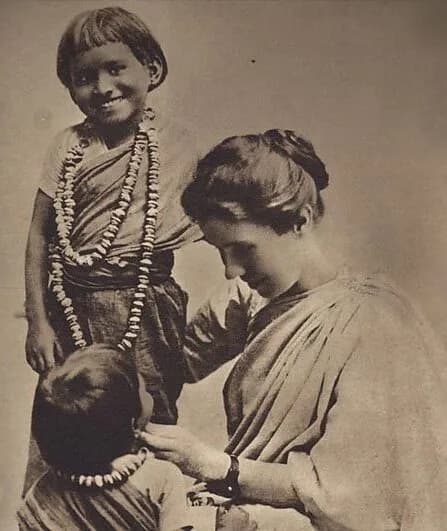
Amy Carmichael was the most unconventional missionary of her era, spending 55 consecutive years in India without a single furlough and rescuing over 1,000 girls from temple prostitution. She founded the Dohnavur Fellowship, which grew to house hundreds of children, while writing 30 books from a bed of chronic pain after a 1931 injury. Carmichael's works continue to sell globally, and she was called "the most Christ-like person I ever knew" by Elisabeth Elliot.
- 0#7
Mother Teresa
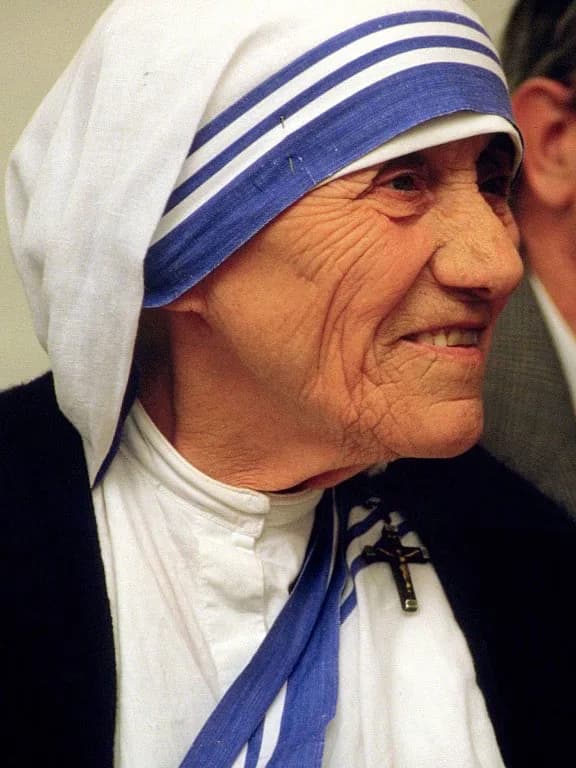
Agnes Gonxha Bojaxhiu — known to the world as Mother Teresa — founded the Missionaries of Charity in Calcutta in 1950 and spent nearly fifty years serving the dying, destitute, and abandoned across over 130 countries. She received the Nobel Peace Prize in 1979 and was canonized as Saint Teresa of Calcutta by Pope Francis in 2016.
- 0#8
Corrie ten Boom
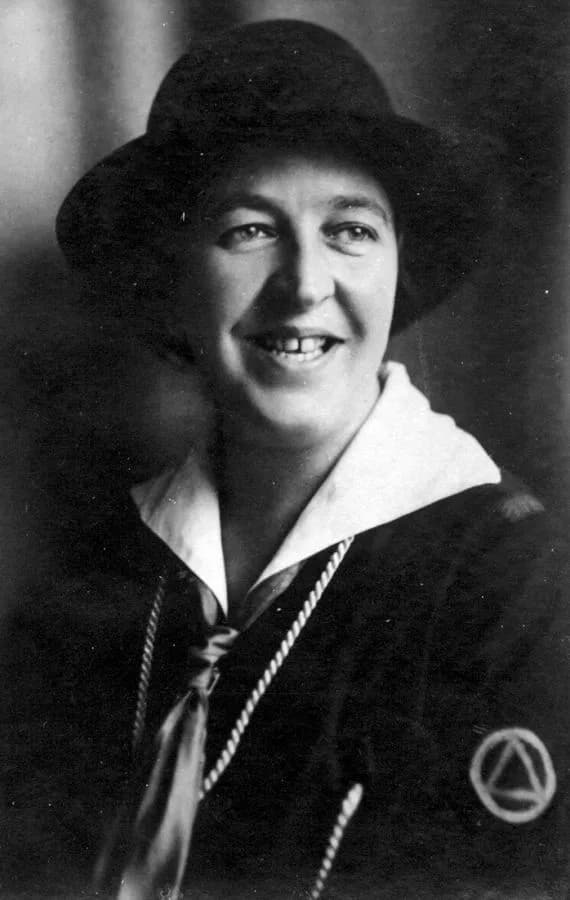
Corrie ten Boom's legacy is defined by her rescue of 800 Jewish lives during the Nazi occupation, hiding them in a secret room in Haarlem before being betrayed and sent to Ravensbrück. Her sister Betsie died there, but Corrie survived and wrote the bestselling memoir The Hiding Place, which has sold over 5 million copies worldwide.
- 0#9
Elisabeth Elliot

Elisabeth Elliot transformed unimaginable tragedy into a global testament to forgiveness. After her husband Jim and four other missionaries were killed by the Waodani people in 1956, she returned to live among the tribe with her young daughter, a decision that led to the conversion of several of the men who had committed the murders. Her books, including Through Gates of Splendor and Shadow of the Almighty, have sold over 1 million copies combined, making her one of the most widely read Christian authors of the 20th century.
- 0#10
Julian of Norwich
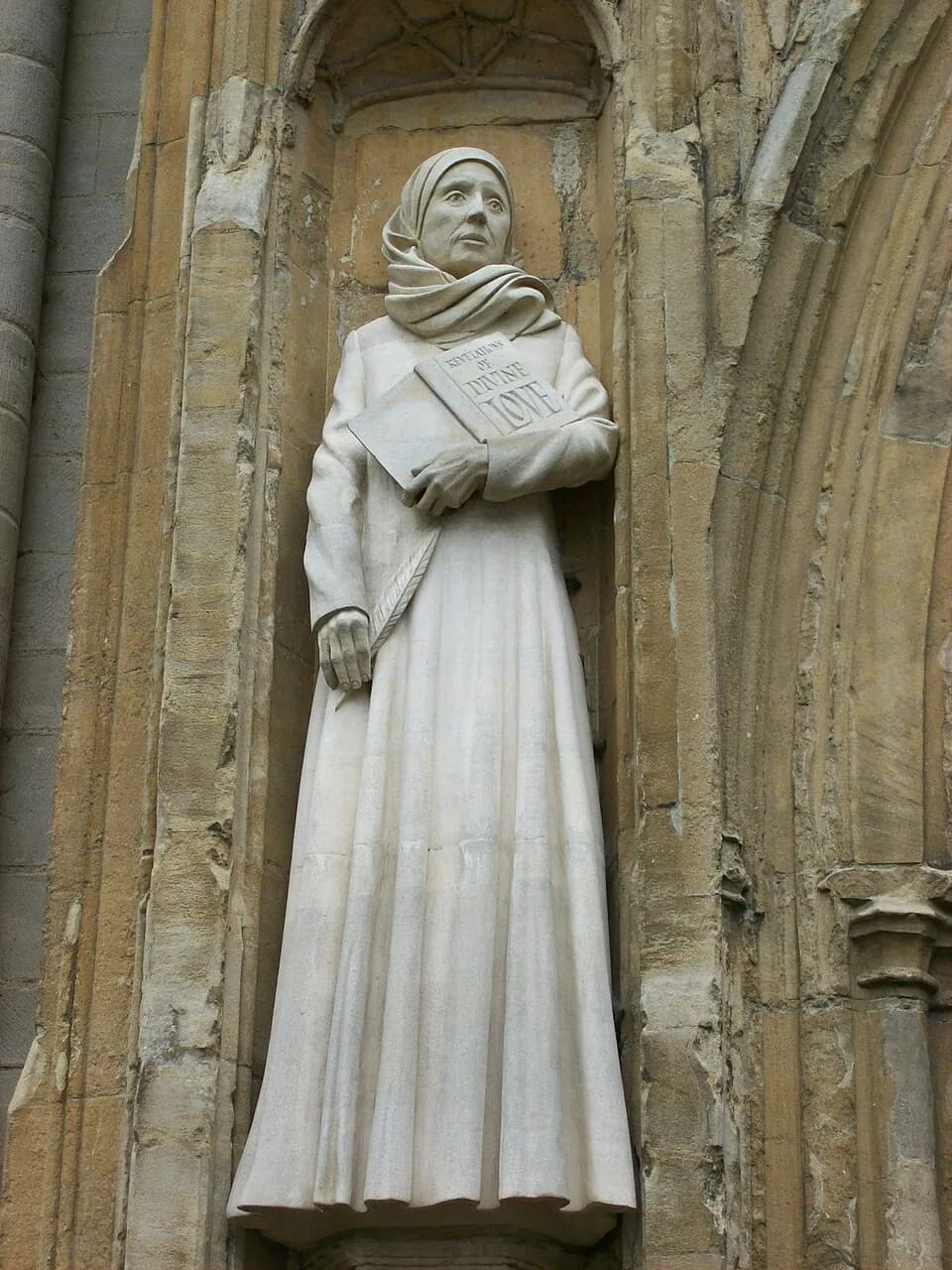
Julian of Norwich's Revelations of Divine Love stands as the first book written in English by a woman, a work of profound theological depth that has influenced Christian mysticism for over 600 years. During a near-death illness in 1373, she received sixteen visions that culminated in her famous declaration, "All shall be well," a message of radical hope in the wake of the Black Death that killed an estimated 50 million people. Her assertion of God's ultimate redemption is bolder than the average medieval theologian's view of suffering, offering a sustained focus on divine love rather than judgment. She lived as an anchoress, enclosed in a cell for clarity.
Image credits
- Mary, Mother of Jesus: Duccio di Buoninsegna / Public domain (entity-adopted)
- Mary Magdalene: Philippe de Champaigne / Public domain (entity-adopted)
- Teresa of Ávila: Eduardo Balaca / Public domain (entity-adopted)
- Catherine of Siena: Jl FilpoC / CC BY-SA 4.0 (entity-adopted)
- Hildegard of Bingen: Unknown author Unknown author / Public domain (entity-adopted)
- Amy Carmichael: Aishwarya A / Public domain (entity-adopted)
- Mother Teresa: Túrelio / CC BY-SA 2.0 de (entity-adopted)
- Corrie ten Boom: Unknown photographer / Public domain (entity-adopted)
- Julian of Norwich: Poliphilo / CC0 (entity-adopted)
Related Videos
Rank it your way
Remix this list into your own ranking, or head to the play hub for every game mode and community breakdown — blind mode, challenges, tier lists, and more.
You Might Also Like

Top 10 Chinese Historical Dynasties
Top 10 Chinese Historical Dynasties

Top 10 Miracles in the Bible That Inspire Faith
Top 10 Miracles in the Bible That Inspire Faith

Top 10 Theologians Who Shaped Modern Christianity
Top 10 Theologians Who Shaped Modern Christianity
Top 10 Christian Children's Books for Young Readers
Top 10 Most Influential Women in Christian History

Top 10 Most Iconic Book Series of All Time
#1 Harry Potter — J.K. Rowling · #2 The Lord of the Rings — J.R.R. Tolkien · #3 A Song of Ice and Fire — George R.R. Martin

Top 10 Most Iconic Paintings in History
#1 Mona Lisa — Leonardo da Vinci (1503-1519) · #2 The Starry Night — Vincent van Gogh (1889) · #3 The Last Supper — Leonardo da Vinci (1495-1498)