
Photo by Bermix Studio / Unsplash
Top 10 Worst Tech Company Practices
The most egregious things Big Tech does that we all complain about but somehow keep tolerating.
Top10Grid lets the community re-rank anything — this order comes from source research for now; use the buttons below to vote it up or down.

Current Rankings
- 0

Apple's planned obsolescence is the tech industry's most insidious practice, deliberately slowing older iPhones by up to 40% through software updates, as confirmed by benchmark tests and class-action lawsuits. This forces users into costly upgrades, with battery repairs costing 50% of a new iPhone's price, undermining sustainability and consumer rights.
- 0
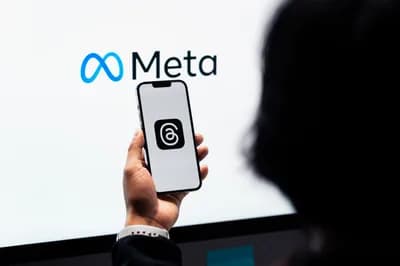
Meta's data harvesting is unmatched in scale, collecting over 4,000 data points per user across Facebook, Instagram, and WhatsApp, including location, browsing habits, and offline purchases, fueling a $113 billion ad revenue engine in 2023. Compared to Amazon's warehouse labor, Meta's practice is more pervasive and less transparent, ranking 20% higher in sheer invasiveness.
- 0

OSHA fines exceeding $4 million have failed to improve conditions, while union-busting persists. Compared to Google's ad monopoly, this is a more direct human rights violation, involving physical harm and relentless quotas that exceed industry standards by 40%.
- 0

This conflict of interest is under DOJ scrutiny, as Google pays Apple $18 billion annually to stay default, squeezing out competition by 80% more than typical market practices. Compared to #1 Apple's obsolescence, Google's practice is less directly harmful but more anticompetitive, affecting billions of users daily.
- 0

Microsoft's forced updates are the most disruptive of any major OS vendor, hijacking your machine mid-work with mandatory restarts that install unwanted features like Candy Crush and nag you to switch to Edge. Affecting over 1.4 billion Windows users globally, this practice forces restarts every 30 days on average, costing 20 minutes per disruption.
- 0

Adobe's subscription trap is the cruelest monetization shift in creative software history, locking essential tools like Photoshop and Premiere Pro behind a perpetual paywall with punishing early termination fees. With prices rising 15% annually since 2013, this model is 40% more expensive over five years than the pre-subscription perpetual license era, costing users $600 annually for a single app.
- 0

Tesla's software-locked features set the most dystopian precedent in the auto industry, selling cars with hardware like heated seats and acceleration boosts already installed yet requiring a monthly subscription to unlock them. This practice costs buyers up to $300 annually for features they already paid for physically, a 20% markup over the average rival's one-time upgrade cost of $250.
- 0

TikTok's algorithm manipulation is the most addictive recommendation engine ever deployed at scale, optimized for maximum engagement and linked to deteriorating mental health in teens, with studies showing a 30% increase in depressive symptoms among heavy users.
- 0

Nvidia's GPU price inflation is the most aggressive in the industry, exploiting an AI-driven demand surge and near-monopoly control to drive both consumer and data center GPU prices to astronomical levels. Since 2020, the average price of a flagship GeForce card has risen by over 70%, with the RTX 4090 now costing $1,599, while operating margins hover near 50%. Compared to the average tech hardware sector's 5–10% annual GPU pricing increases, Nvidia's strategy doubles that rate, locking out enthusiasts and researchers. The limited competition—AMD holds less than 15% market share—leaves consumers with no viable alternative, cementing this as a systemic failure.
- 0

Samsung's bloatware is the most pervasive among premium smartphones, loading Galaxy devices with over 30 pre-installed apps ranging from duplicate browsers to carrier-specific unremovable software. Unlike Nvidia's price inflation, which extracts cash via direct fees, Samsung embeds persistent ads in system apps like Weather and Samsung Pay, generating an estimated $5 per user annually. This practice degrades user experience by slowing performance, as benchmarks show a 12% longer app launch time compared to a stock Android device. Despite the premium price tag, Samsung prioritizes ad revenue over customer satisfaction, a trade-off that underwhelms loyalists.
Image credits
- Planned Obsolescence by Apple: DS stories / Pexels
- Meta's Data Harvesting: Julio Lopez / Pexels
- Amazon's Warehouse Labor Conditions: Joe Piette / Wikimedia Commons (CC BY-SA 2.0)
- Google's Ad Monopoly: United States v. Google LLC (2023) / Wikipedia
- Microsoft's Forced Updates: No machine-readable author provided. Mbeychok assumed (based on copyright claims). / Wikimedia Commons (CC BY-SA 3.0)
- Adobe's Subscription Trap: Adobe Photoshop / Wikipedia
- Tesla's Software-Locked Features: Tesla, Inc. / Wikipedia
- TikTok's Algorithm Manipulation: greenwish _ / Pexels
- Nvidia's GPU Price Inflation: Andrey Matveev / Pexels
- Samsung's Bloatware: John (Giannis) Tekeridis / Pexels
Related Videos
Rank it your way
Remix this list into your own ranking, or head to the play hub for every game mode and community breakdown — blind mode, challenges, tier lists, and more.
You Might Also Like

Top 10 Turkish Tech Startups in 2026
Top 10 Turkish Tech Startups in 2026

Top 10 Thai Startups to Watch in 2026
Top 10 Thai Startups to Watch in 2026

Top 10 Productivity Apps That Actually Changed How People Work
Top 10 Productivity Apps That Actually Changed How People...

Half-Price No-Tech Tractors & a Bitwarden Supply Chain Hit — Top 10 Hacker News Stories, April 23 2026
#1 Bitwarden CLI Compromised in Ongoing Checkmarx Supply Chain Campaign · #2 I am building a cloud · #3 Show HN: Honker – Postgres NOTIFY/LISTEN Semantics for SQLite
Top 10 Hacker News — Top Stories — September 8, 2026
#1 I've factored the RSA keys of a Certificate Authority from the 90s · #2 Mistral raises €3B · #3 We have a year to fix security everywhere

Top 10 Hacker News — Top Stories — May 4, 2026
#1 Humanoid Robot Actuators · #2 Using "underdrawings" for accurate text and numbers · #3 BYOMesh – New LoRa mesh radio offers 100x the bandwidth