
Top 10 Worst Nuclear Incidents
The most devastating nuclear accidents and radiation events in history, each a grim lesson in the catastrophic consequences of engineering failures, human error, and institutional arrogance.
Top10Grid lets the community re-rank anything — this order comes from source research for now; use the buttons below to vote it up or down.

Current Rankings
- 0
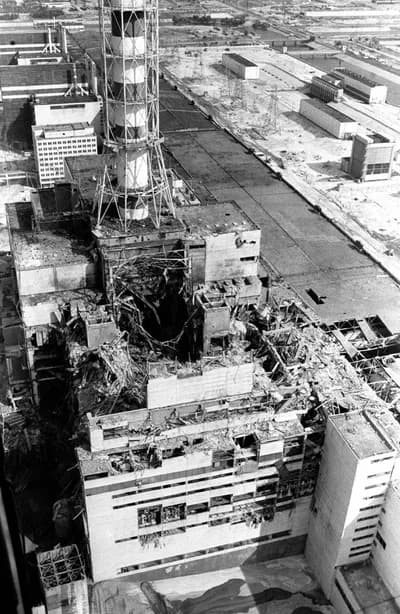
Chernobyl Disaster ranks as the worst nuclear incident in history due to a flawed reactor design and operator error during a safety test, which caused a steam explosion and graphite fire at Reactor No. 4 in Pripyat, Ukraine. This catastrophe released 400 times more radioactive fallout than the Hiroshima bomb—eight times greater than the Kyshtym Disaster’s 20 million curies—contaminating over 150,000 square kilometers across Europe. Estimated excess cancer deaths range from 4,000 to 93,000, a scale of human cost that far surpasses any other incident on this list, including Fukushima’s projected toll. The environmental and human devastation remains unmatched, with no rival approaching its contamination area or long-term health impacts.
- 0
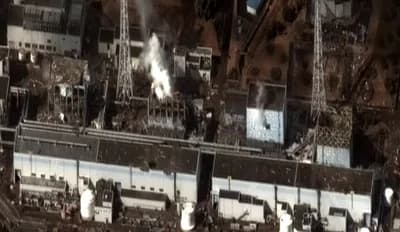
The evacuation of over 154,000 residents underscores its human impact. Cleanup is projected to take 40 years and cost over $200 billion, making it the most expensive nuclear cleanup in history. Its meltdown severity approaches Chernobyl's level of damage, but the lower total radioactive release places it firmly behind the 1986 disaster.
- 0

The Soviet government suppressed information for decades, a cover-up that outpaced even Three Mile Island’s delayed reporting. Forced evacuation of 10,000 people followed, and long-term health effects remain understudied, yet the immediate contamination density was severe enough to exclude this incident from being overshadowed by the top two.
- 0
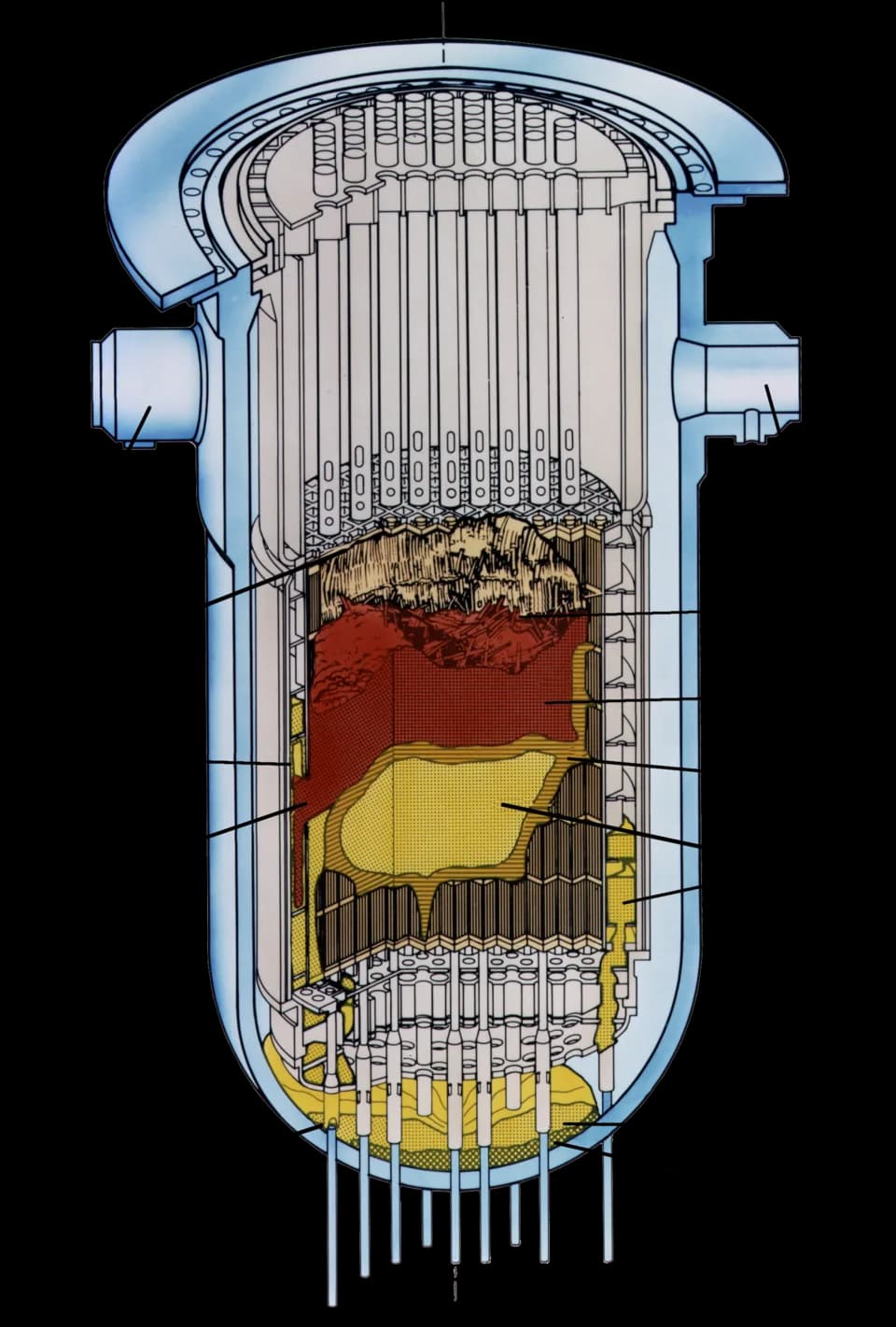
The event halted new U.S. nuclear plant construction for over 30 years, a regulatory impact that outperforms any other incident on this list, including Kyshtym’s secrecy. Cleanup cost $1 billion, significantly cheaper than Fukushima’s $200 billion, but the psychological and policy effects transformed global nuclear safety standards, cementing its position despite the low health toll.
- 0

The Windscale fire remains the UK's worst nuclear accident, severely outranking the Tokaimura incident in long-term contamination scale. On October 10, 1957, an air-cooled plutonium production reactor in Cumberland (now Sellafield) caught fire, releasing 20,000 curies of iodine-131 and polonium-210 across the UK and northern Europe, contaminating an area over 500 kilometers. This single event led to an estimated 240 additional cancer cases, far exceeding the 4 direct deaths from Goiânia, and forced the dumping of 2 million liters of contaminated milk. Unlike the SL-1 explosion which killed three instantly, Windscale's effects unfolded over decades, creating a lasting public health crisis.
- 0

The Goiânia accident stands as the worst radiological contamination event outside the nuclear industry, causing 4 deaths and contaminating 249 people—a death toll that surpasses the SL-1 reactor explosion's 3 fatalities. In September 1987, scavengers broke open an abandoned radiotherapy source containing 19 grams of cesium-137, fascinated by its eerie blue glow, leading to the demolition of several homes and evacuation of 200 residents at a cost of $20 million in cleanup. Compared to Windscale's indirect cancer risks, Goiânia delivered immediate, visible devastation, with the blue glow becoming a symbol of nuclear danger. The accident remains a benchmark for orphan source disasters worldwide.
- 0

The SL-1 reactor explosion killed all three operators instantly, making it the only fatal U.S. nuclear reactor accident, with a 100% lethality rate far higher than the Tokaimura accident's 2 deaths out of 667 exposed. On January 3, 1961, a manual control rod withdrawal at a small Army reactor in Idaho caused an instantaneous criticality excursion that released 2.6 megacuries of fission products, impaling one operator on the ceiling by a 2,000-pound shield plug. Unlike Goiânia's open acknowledgment, SL-1 was initially shrouded in Cold War secrecy. Despite its small scale—the reactor produced only 3 megawatts of thermal power—halting operations forever and serving as a stark lesson in human error.
- 0

Tokaimura's criticality accident killed two workers over agonizing 83-day periods, suffering that outpaces the instant deaths of SL-1's operators and underscores Japan's worst nuclear processing disaster. On September 30, 1999, workers at a uranium processing plant in Ibaraki Prefecture manually poured 16 kilograms of enriched uranium solution into a precipitation tank, causing an uncontrolled chain reaction that released 2.5 times the permissible neutron exposure and harmed 667 people. One victim received 17 sieverts of radiation—10 times the lethal dose—yet survived for 83 days. The accident exposed deeper systemic failures than Goiânia's scavenger incident, as it involved trained personnel ignoring procedures.
- 0

The Castle Bravo nuclear test on March 1, 1954, ranks as the worst radiological disaster from a U.S. test, with a yield of 15 megatons—2.5 times higher than predicted. The explosion generated a fireball over 4.5 miles in diameter and deposited lethal fallout across 7,000 square miles of the Pacific Ocean. The Daigo Fukuryū Maru, a Japanese fishing vessel 90 miles away, suffered acute radiation sickness, with one crew member dying six months later. Contamination exceeded safety limits by over 1,000 times in some areas, causing long-term health and environmental damage that outlasts any other test incident, including the 1952 Chalk River meltdown.
- 0
The Chalk River accidents in 1952 and 1958 involved partial meltdowns of the NRX and NRU research reactors. The 1952 incident released 10,000 curies of fission products into the Ottawa River, contaminating a 2-kilometer stretch of shoreline, with future U.S. President Jimmy Carter leading a 150-person cleanup team. The 1958 NRU incident, caused by a broken fuel rod, resulted in a fire that contaminated the reactor building for years, yet no direct fatalities occurred—a stark contrast to the one death from Castle Bravo's fallout.
Image credits
- Chernobyl Disaster, Soviet Union (1986): Chernobyl disaster / Wikipedia
- Fukushima Daiichi, Japan (2011): Fukushima nuclear accident / Wikipedia
- Three Mile Island, United States (1979): WIKIMEDIA_MIRRORED
- Goiânia Accident, Brazil (1987): Goiânia / Wikipedia
- Castle Bravo Nuclear Test, Marshall Islands (1954): Castle Bravo / Wikipedia
- Chalk River Accidents, Canada (1952 and 1958): Chalk River / Wikipedia
Rank it your way
Remix this list into your own ranking, or head to the play hub for every game mode and community breakdown — blind mode, challenges, tier lists, and more.
You Might Also Like

Top 10 Worst Pseudoscience Practices
Top 10 Worst Pseudoscience Practices

Top 10 Best Marine Biology Discoveries
greatest marine biology discoveries

Biology Meets Computation: Papers Bridging Life and Data Science
#1 Topological Enhancement of Protein Kinetic Stability · #2 Sampling-based Continuous Optimization for Messenger RNA Design · #3 A Thermodynamic Metric Quantitatively Predicts Disordered Protein Partitioning and Multicomponent Phase Behavior

Top 10 Most Controversial Gene Editing Applications
#1 He Jiankui's CRISPR Babies · #2 Germline Editing for Heritable Traits · #3 Gene Drives for Mosquito Elimination

Top 10 Telescopes for Backyard Stargazers
#1 Celestron NexStar 8SE · #2 Sky-Watcher Dobsonian 8" · #3 Orion StarBlast 6

Ring of Fire: The Pacific's Most Active Earthquake Zones This Month
#1 Chile — The South American Subduction Zone · #2 Alaska — The Aleutian Arc · #3 Japan — The Japan Trench (Tohoku)