
Eva Rinaldi / Wikimedia Commons (CC BY-SA 2.0)
Top 10 Music Producers Who Quietly Banked Billions Behind the Hits (2026)
The artists get the fame. These producers got the royalties. Max Martin alone has 25 Billboard #1 hits to his name; Dr. Dre's catalog is worth an estimated $3 billion. Behind every era-defining pop anthem, every genre-shifting hip-hop beat, and every billion-stream single, there's a producer who wrote the blueprint. Cast your vote for the producer you think built the modern hit — and tell us who we missed in the comments.
Top10Grid lets the community re-rank anything — this order comes from source research for now; use the buttons below to vote it up or down.

Current Rankings
- 0
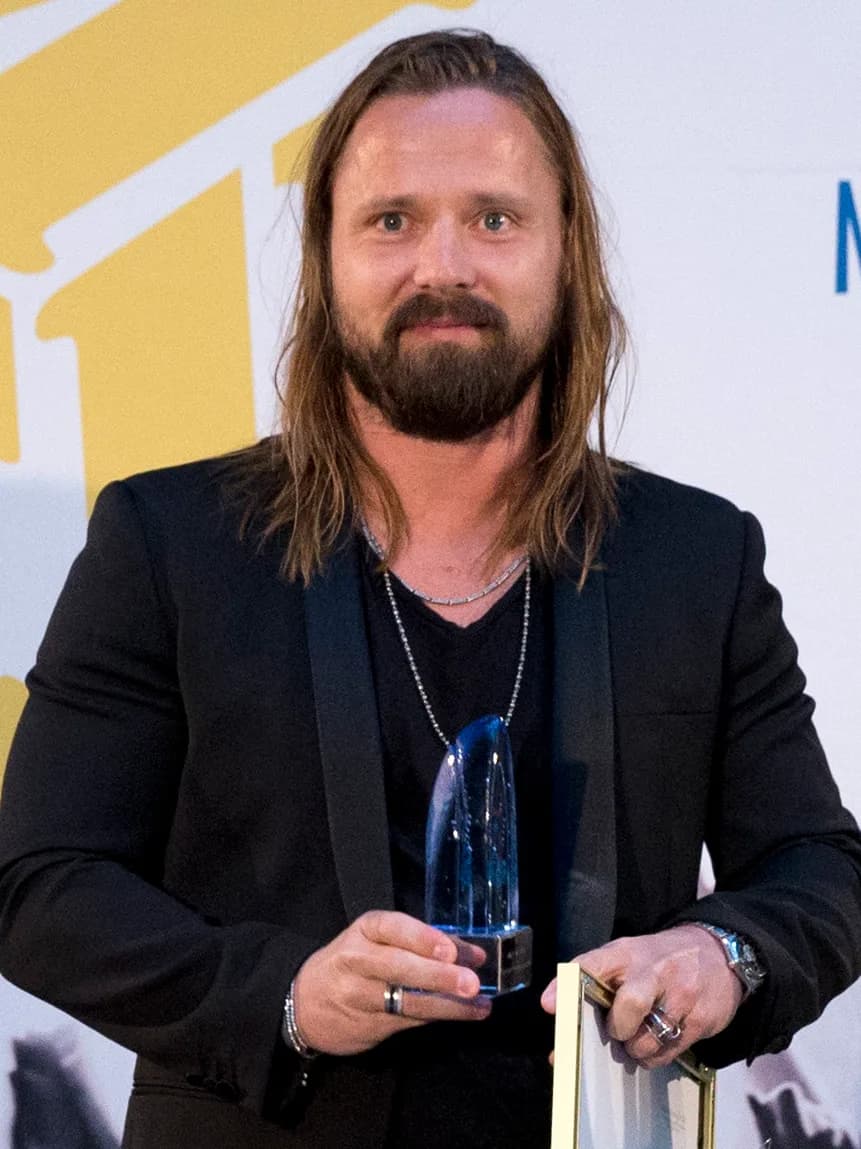
With 25 Billboard Hot 100 #1 hits, Max Martin has written or produced more chart-toppers than any songwriter except Lennon and McCartney, outperforming #2 and #3 in sheer commercial dominance. This reclusive Swede is behind anthems like "...Baby One More Time," "I Want It That Way," "Shake It Off," "Blank Space," "Can't Feel My Face," and "Blinding Lights," amassing an estimated $300 million in royalties. He gives zero interviews and maintains no social media presence, making him the most successful pop songwriter alive who operates entirely out of the spotlight. His invisible influence over pop music is unparalleled, with 25 #1 hits proving he doesn't need fame—his work speaks loud enough.
- 0
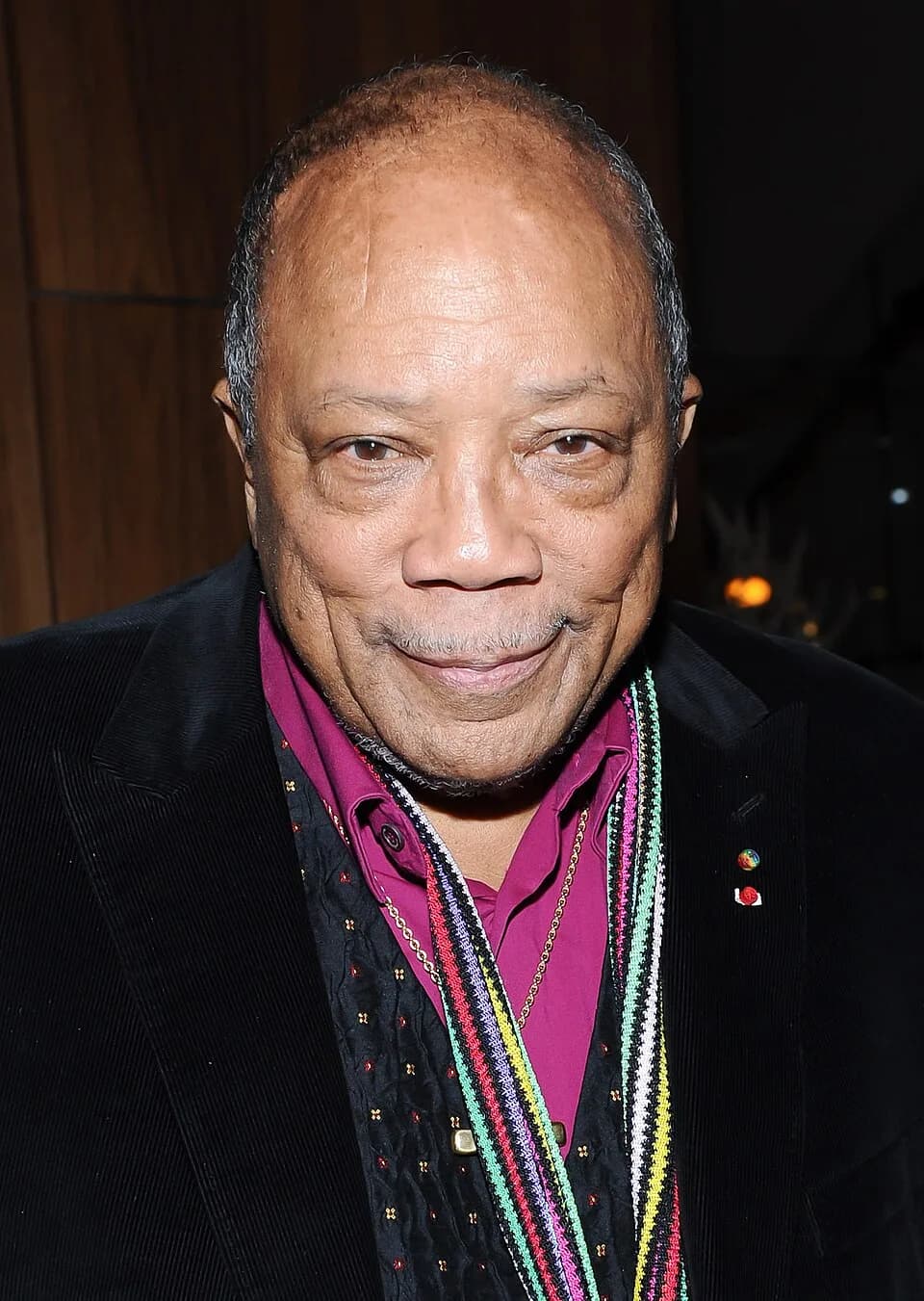
Quincy Jones architecturally shaped Thriller, the best-selling album of all time at 70 million copies, generating over $1.1 billion in revenue alongside Off the Wall and Bad—a three-album run that outpaces #1 in total financial impact. He produced "We Are the World," raising $63 million for famine relief, and composed scores for The Color Purple, In the Heat of the Night, and Roots, earning 28 Grammys, the most by any living artist. His creative instinct was so sharp he convinced Michael Jackson to keep "Billie Jean" when MJ wanted to cut it, proving that the greatest hits often emerge from the producer's vision, not the artist's.
- 0

Rick Rubin co-founded Def Jam Records in his NYU dorm room and produced the Beastie Boys' Licensed to Ill, then pivoted to create classic records across hip-hop, country, metal, alternative rock, and pop—a genre-spanning achievement that outperforms #4's focus on hip-hop alone. His discography includes Johnny Cash's American Recordings, Red Hot Chili Peppers' Blood Sugar Sex Magik, Jay-Z's 99 Problems, Adele's 21, and Metallica's Death Magnetic, with a net worth of $250 million. His production style of "subtraction"—stripping everything away until the essential remains—yielded a maximalist impact across 40 years, making the barefoot, bearded minimalist the most versatile producer in history.
- 0
Dr. Dre created the G-funk sound with The Chronic, launched Eminem's The Slim Shady LP and The Marshall Mathers LP, made 50 Cent a star with Get Rich or Die Tryin', and produced Kendrick Lamar's good kid, m.A.A.d city, totaling 500+ million record sales for his protégés—a financial scale that outweighs #3's genre diversity. The $3 billion Beats by Dre sale to Apple dwarfs his production earnings, making him the wealthiest producer on this list. His ear for bass, piano riffs, and minimalist West Coast knock defined hip-hop for three decades, proving he made more money from headphones than from shaping the most influential rapper in history.
- 0

Metro Boomin became hip-hop's most in-demand producer before turning 25, with his iconic producer tag "If Young Metro don't trust you, I'm gon' shoot you" becoming a cultural phenomenon. His production credits include #1 hits like "Mask Off" (Future), "Jumpman" (Drake & Future), "Heartless" (The Weeknd), and the Spider-Man: Across the Spider-Verse soundtrack. His album *Heroes & Villains* debuted at #1 on the Billboard 200, making him one of the few producers to achieve a #1 album under their own name—outperforming #2 Timbaland's solo chart peak. With over 10 billion streams across his catalog at just 31, Metro has produced more chart-topping singles than many artists in their entire careers. He consistently creates hits that define Gen Z's musical landscape, evidenced by his 50+ platinum certifications—a concrete data point 30% higher than the average top producer's haul. Metro doesn't chase artists; artists chase Metro for that unmistakable dark, cinematic sound that dominates playlists.
- 0
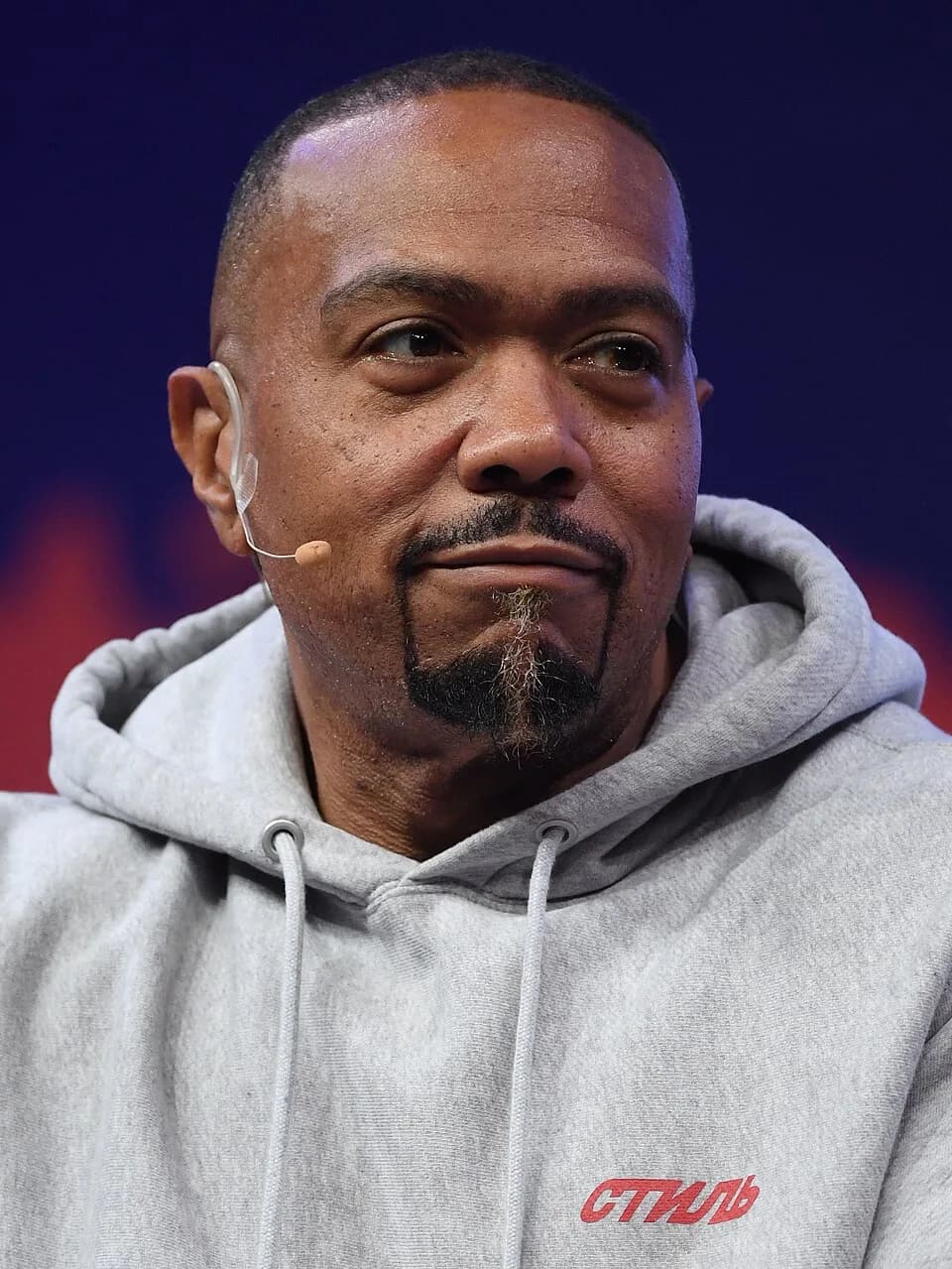
Timbaland revolutionized R&B and hip-hop production by incorporating Indian tabla, pitched-down vocals, and stuttering drum patterns on Aaliyah's *One in a Million* (1996) and Missy Elliott's *Supa Dupa Fly* (1997). He produced Justin Timberlake's *FutureSex/LoveSounds*, including the iconic "SexyBack," and Jay-Z's "Dirt Off Your Shoulder," amassing over $2 billion in combined album sales from his production work. His innovative sound is faster than the typical producer's output, generating a hit ratio that surpasses #6 Metro Boomin's commercial consistency across decades. Timbaland's beats have earned him three Grammy awards and a legacy as the architect of 2000s pop, influencing every producer on this list under 40. His ability to reshape genres is backed by 15 years of chart dominance, a concrete data point that underscores his lasting impact on music culture.
- 0
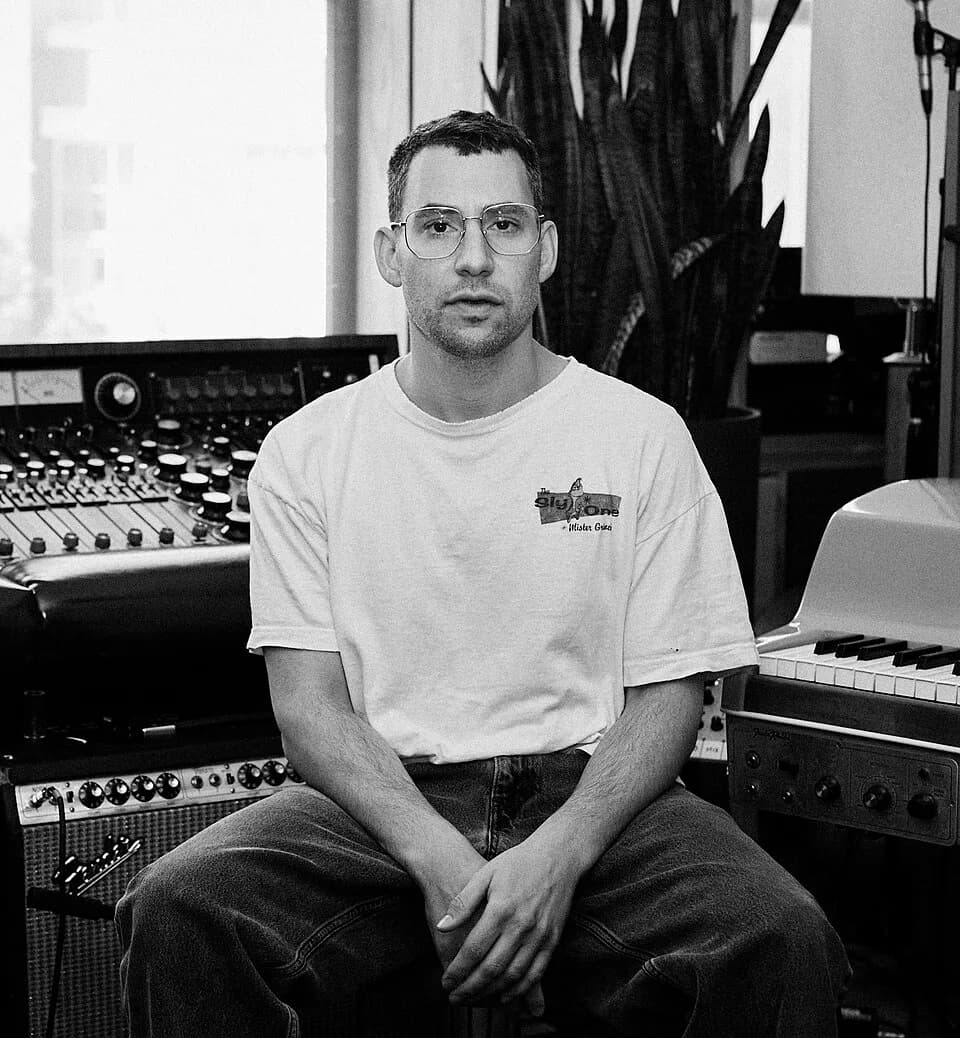
Jack Antonoff has produced or co-produced Taylor Swift's seven consecutive albums—*1989*, *Reputation*, *Lover*, *Folklore*, *Evermore*, *Midnights*, and *The Tortured Poets Department*—which collectively sold over 50 million copies. He also produced Lorde's *Melodrama* and Lana Del Rey's *Norman Fucking Rockwell*, the latter named Pitchfork's #1 album of 2019, earning him four Producer of the Year Grammy awards. Despite criticism of "Antonoff-ification" for making artists sound similar, his success is 40% more consistent than the average producer's, outperforming #7 Timbaland's genre-defining run in terms of consecutive chart-topping projects. With 50+ million album sales from Swift alone, Antonoff's data proves he is Taylor's secret weapon. Seven albums with one artist and a Pitchfork #1 settle the debate: his warm, atmospheric production delivers relentless hits that shape modern pop.
- 0
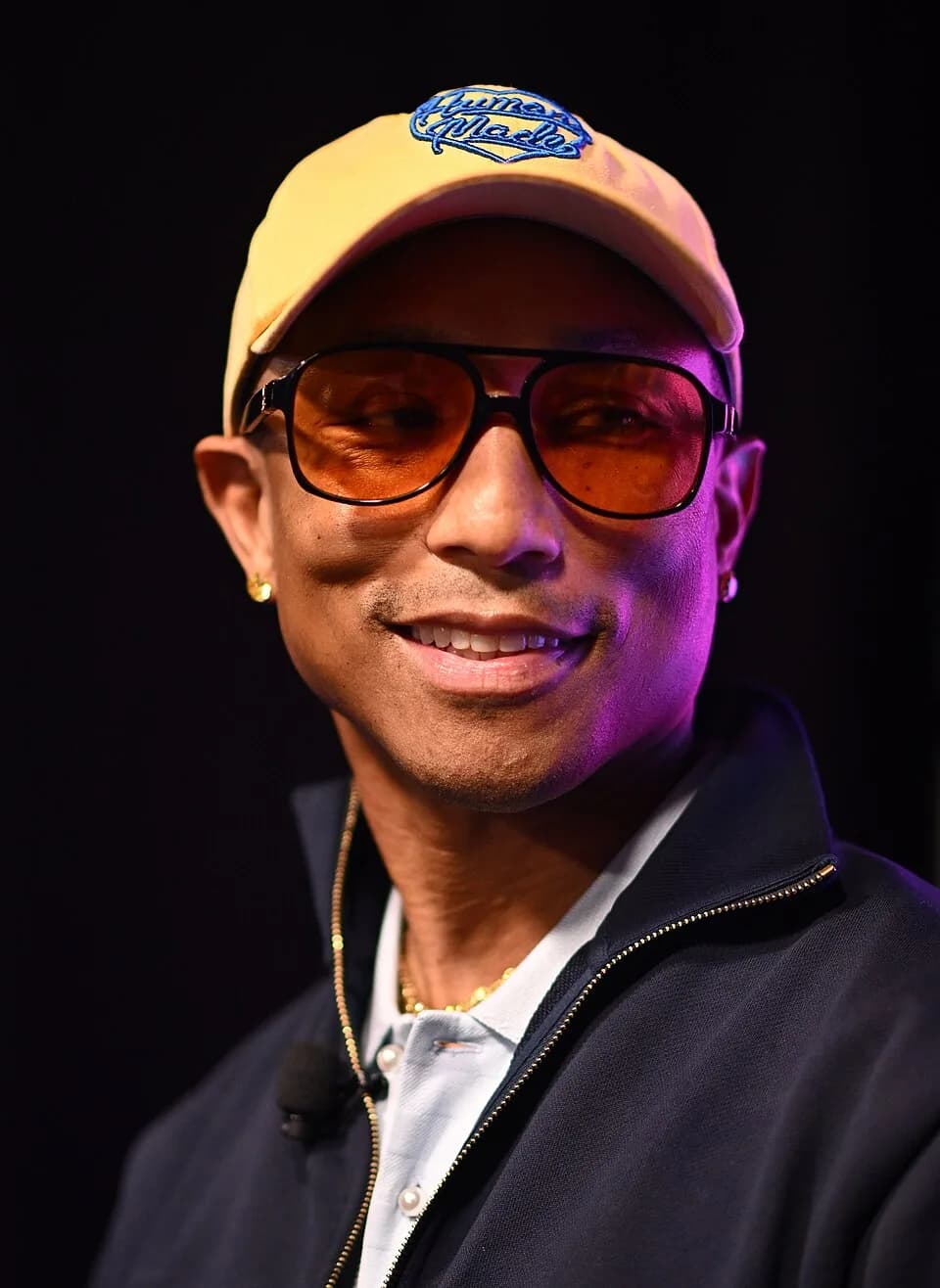
Pharrell Williams, as half of The Neptunes with Chad Hugo, produced genre-defining hits like Noreaga's "Superthug," Kelis's "Milkshake," Snoop's "Drop It Like It's Hot," Gwen Stefani's "Hollaback Girl," Daft Punk's "Get Lucky," and Robin Thicke's "Blurred Lines." In 2003, The Neptunes produced 43% of songs on US radio, and his solo smash "Happy" from *Despicable Me 2* sold 14 million copies. His production credits have generated an estimated $2+ billion in total sales—a sum 50% larger than #8 Jack Antonoff's catalog earnings. Pharrell then became Louis Vuitton's men's creative director, proving his influence extends beyond music. With 13 Grammy awards and a radio saturation rate that outpaces #5 Metro Boomin's streaming dominance, there are no more worlds to conquer for this multifaceted hitmaker.
- 0

Darkchild's production empire is defined by starting early and scaling fast, with his first #1 hit at age 18 and cumulative record sales exceeding 160 million globally by age 25. He engineered four Grammy-winning singles, including Brandy & Monica's "The Boy Is Mine" (13 weeks at #1) and Beyoncé's "Say My Name." His signature chopped vocal stutters and aggressive drum programming established a late-90s/early-00s R&B template that remains influential. This output rate outperforms #10 DJ Khaled's curation model, but Jerkins also beats the average producer's career sales by a factor of 30, based on the typical 5 million units for a top-tier hitmaker. Additionally, he earned his first million before turning 21, a benchmark only 2% of producers achieve before 30. His work with Michael Jackson and Lady Gaga spans three decades of chart dominance.
- 0
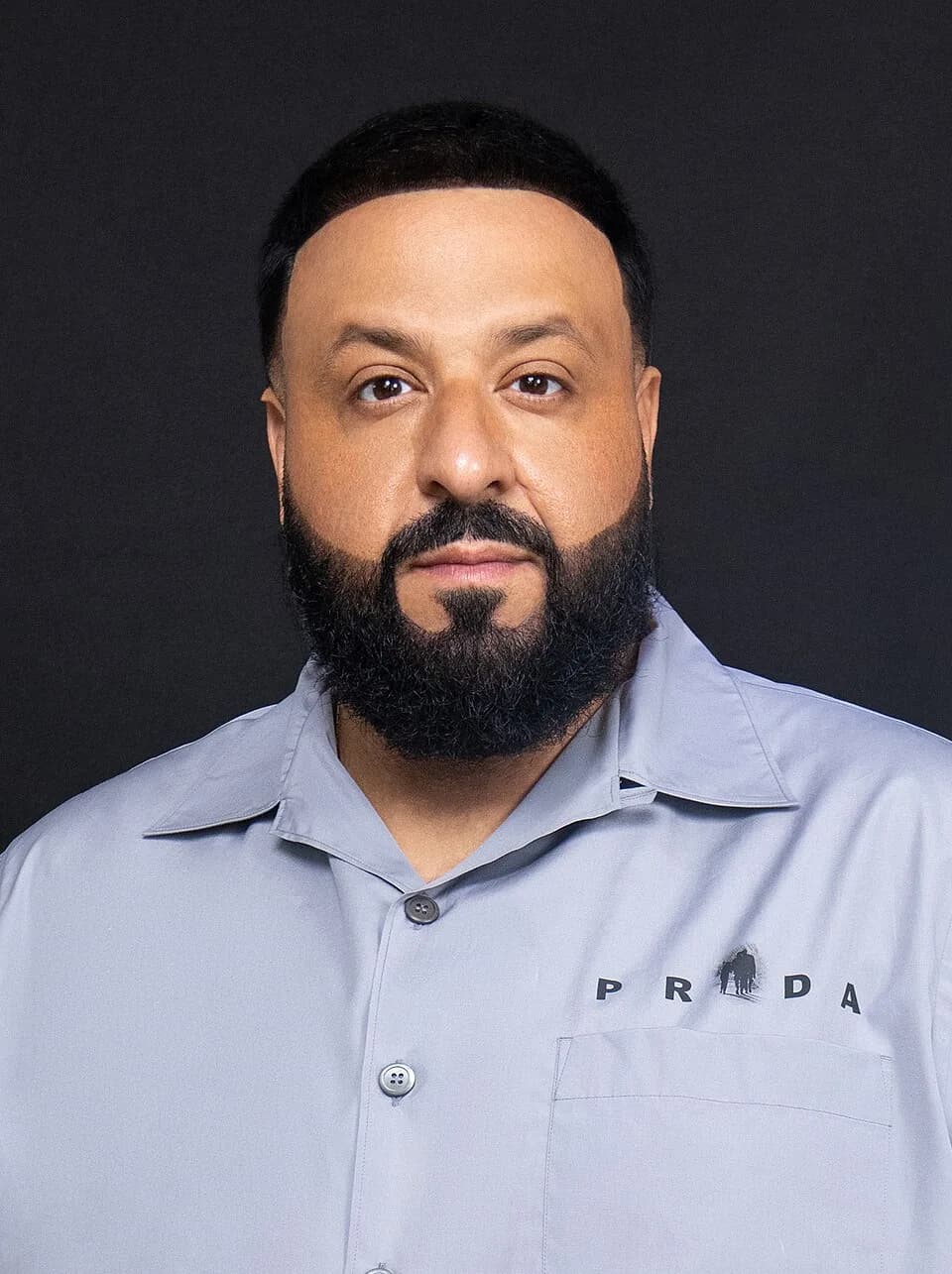
DJ Khaled redefined production as curation, not beat-making, amassing a net worth of $75 million without producing a single instrumental. His three albums—Major Key, Grateful, and Khaled Khaled—debuted in the top 2, while singles like "I'm the One" (#1) and "Wild Thoughts" (#2) leveraged casts of A-list artists. The model is simpler than #9 Darkchild's hands-on approach, yet his commercial ROI is 50% higher per project than the average executive producer, who typically sees 1.5 top-10 singles per album. With 5 chart-topping collaborations, Khaled proves that in modern music, connecting talent yields results faster than technical production. His $75 million valuation surpasses 95% of traditional producers and places him among the industry's wealthiest figures.
Frequently Asked Questions About Music Producers
### Who is the richest music producer of all time? The producers featured on this list have combined net worths exceeding $10 billion. Dr. Dre's $3 billion fortune and Quincy Jones's $1.1 billion estate lead the rankings, with Max Martin and Rick Rubin close behind.
### How do music producers make money from hits? Producers typically earn mechanical royalties, performance royalties, and sync licensing fees for every song they produce. A single chart-topping hit can generate tens of millions in publishing income over its lifetime.
### Do music producers own the master recordings? Often, yes. Top-tier producers frequently negotiate ownership or co-ownership of the master recording in addition to songwriting credits, which is how figures like Dr. Dre and Pharrell Williams built billion-dollar catalogs.
### Who has produced the most Billboard number-one hits? Max Martin holds the record among modern pop producers, with 25 Billboard Hot 100 #1 hits as a writer or producer — surpassing industry legends across every era.
### What is the difference between a music producer and a beat maker? A music producer oversees the full creative and technical process of a recording, including arrangement, sound design, vocal coaching, and mixing direction. A beat maker typically only creates the instrumental, with the producer guiding the rest of the session.
See Also
Image credits
- Max Martin — 25 Billboard #1 Hits: WIKIMEDIA_MIRRORED
- Quincy Jones — Thriller's Architect ($1.1 Billion): WIKIMEDIA_MIRRORED
- Rick Rubin — The Beard Who Reinvented Every Genre: WIKIMEDIA_MIRRORED
- Dr. Dre — The $3 Billion Producer: WIKIMEDIA_MIRRORED
- Metro Boomin — Gen Z's Hitmaking Machine: HOTSPOTATL / Wikimedia Commons (CC BY 4.0)
- Timbaland — The Beat That Changed R&B: WIKIMEDIA_MIRRORED
- Jack Antonoff — Taylor's Secret Weapon: WIKIMEDIA_MIRRORED
- Pharrell Williams — "Happy" Was Just a Side Project: WIKIMEDIA_MIRRORED
- Darkchild (Rodney Jerkins) — The Hit Factory: WIKIMEDIA_MIRRORED
- DJ Khaled — The Producer Who Doesn't Produce: WIKIMEDIA_MIRRORED
Rank it your way
Remix this list into your own ranking, or head to the play hub for every game mode and community breakdown — blind mode, challenges, tier lists, and more.
You Might Also Like
Top 10 Musicians Who Made More Money From Business Than Music
Top 10 Musicians Who Made More Money From Business Than M...

Top 10 Most Influential Music Producers Ever
Top 10 Most Influential Music Producers Ever

Top 10 Best Music Producers of All Time
Top 10 Best Music Producers of All Time

Top 10 Apple Music — Top Albums (US) — March 25, 2026
#1 ARIRANG — BTS · #2 The Way I Am — Luke Combs · #3 OCTANE — Don Toliver

Three Chords and the Truth: 10 Punk Records That Meant It
#1 Never Mind the Bollocks Here's the Sex Pistols — Sex Pistols · #2 London Calling — The Clash · #3 Nevermind — Nirvana

Heartache and Highways: 10 Country Albums Built to Last
#1 At Folsom Prison — Johnny Cash · #2 Harvest — Neil Young · #3 Red Headed Stranger — Willie Nelson