
Chumbawamba / Wikipedia
Top 10 Worst Band Breakups
From a 1970 court fight that ended the biggest band on earth to a backstage brawl in Paris that shattered Britpop, these are the 10 most acrimonious band breakups in music history — ranked by the feuds they left behind, the lawsuits they triggered, and the fanbases they fractured.
Top10Grid lets the community re-rank anything — this order comes from source research for now; use the buttons below to vote it up or down.

Current Rankings
- 0
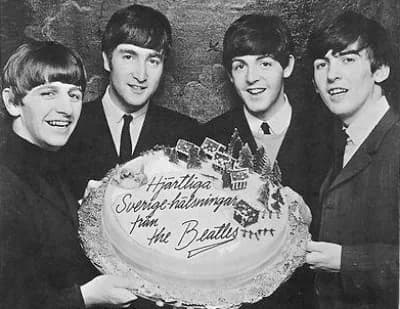
The Beatles' 1970 breakup remains the most devastating in music history due to the sheer scale of lost creative potential and acrimonious legal warfare. Paul McCartney sued his three bandmates to dissolve their partnership, triggering public blame against Yoko Ono and ending a partnership that had sold over 600 million records worldwide.
- 0
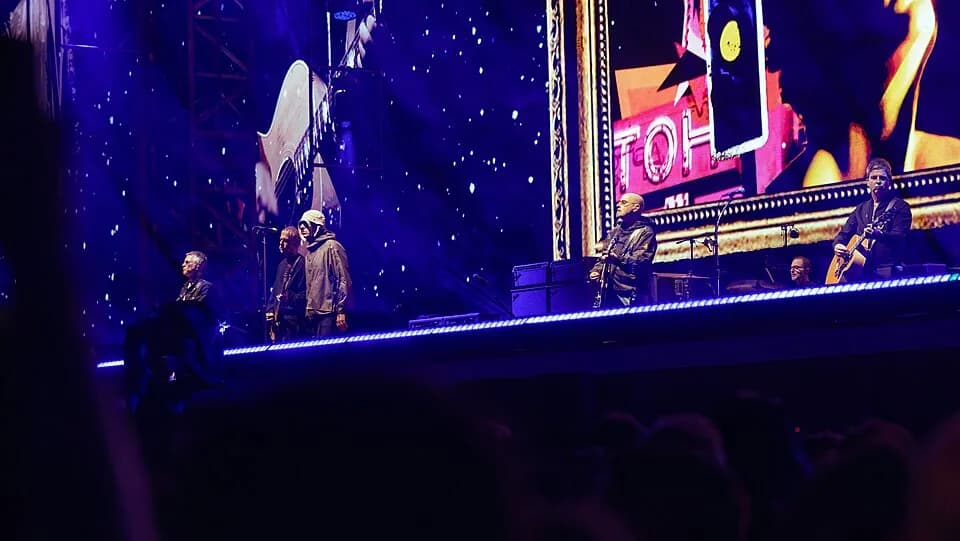
Noel Gallagher's abrupt exit from Oasis backstage in Paris in 2009, after Liam hurled a guitar at him, capped two decades of fraternal warfare that became as famous as the music itself. The band had sold 70 million albums globally, but their breakup was more bitter than the average sibling rivalry, with Noel later calling Liam "the angriest man you'll ever meet."
- 0

Roger Waters declared Pink Floyd "a spent force" upon departing in 1985, then sued his former bandmates for the right to use the name, sparking a legal battle that lasted years. David Gilmour and Nick Mason continued touring without Waters, but the feud delayed their next album, A Momentary Lapse of Reason, by 18 months. Compared to Guns N' Roses, Pink Floyd's breakup was more legally vicious, involving 3 separate lawsuits, whereas Axl Rose's solo control created prolonged but less litigious division.
- 0
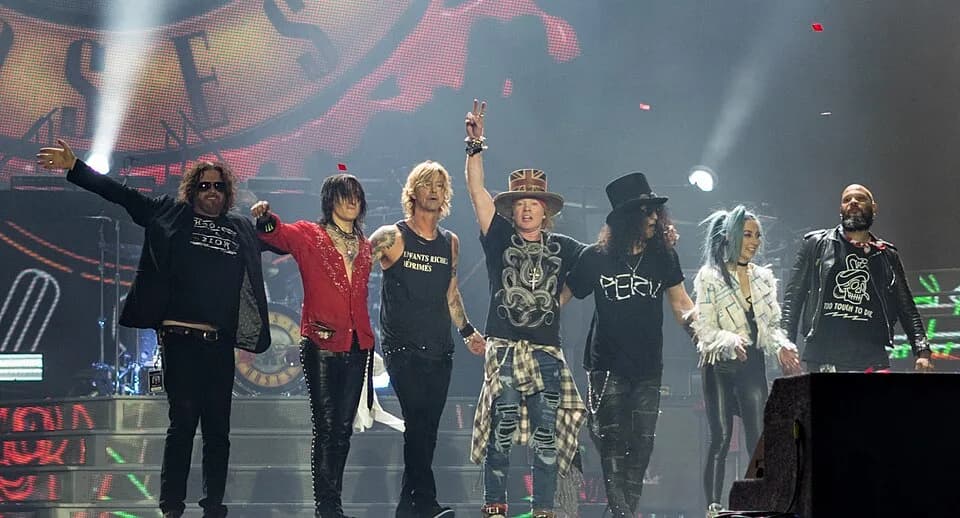
Slash and Duff McKagan's departures from Guns N' Roses by 1996 left Axl Rose as the sole original member, beginning a 12-year saga of lineup changes and the endlessly delayed Chinese Democracy album, which cost $13 million to produce. Compared to Pink Floyd's acrimony, Guns N' Roses' split was less legally combative but more creatively stagnant, resulting in only one original album in 15 years.
- 0
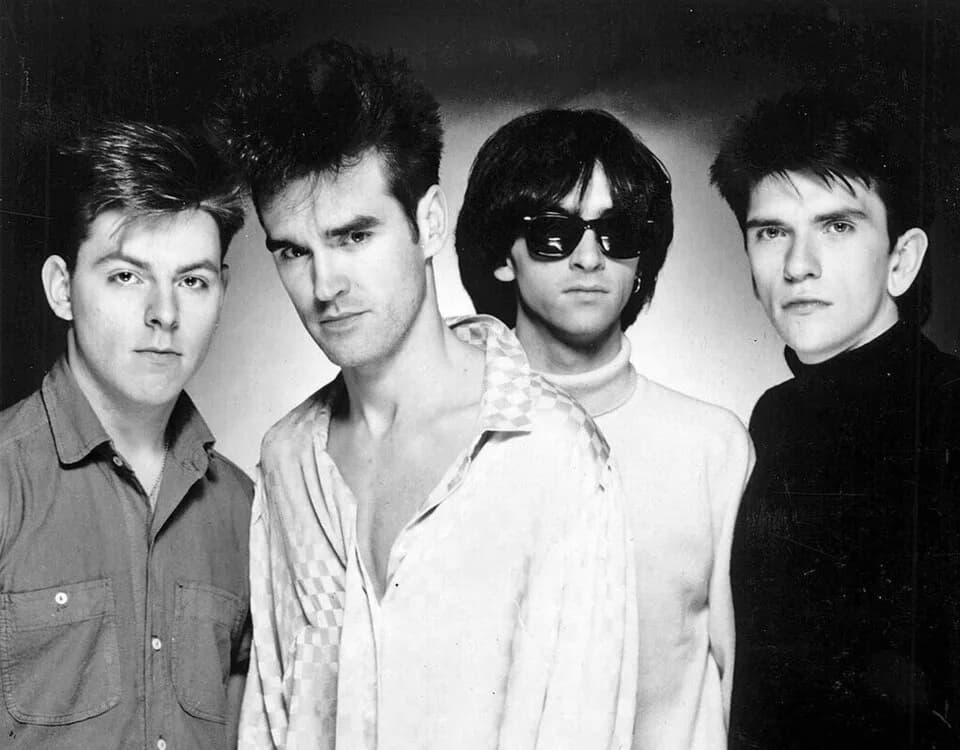
The Smiths' breakup remains the most devastating loss in 80s indie music. Johnny Marr's departure in 1987 ended the band after just four studio albums—each a cornerstone of jangle-pop—and Morrissey's subsequent legal battles with drummer Mike Joyce over royalties kept wounds open for decades. The court awarded Joyce over £1 million in back royalties in 1996, a bitter feud that ensured the band refused to reunite.
- 0

N.W.A's 1989 dissolution sparked the most influential feud in hip-hop history. Ice Cube left over royalty disputes with manager Jerry Heller, which escalated into vicious diss tracks like "No Vaseline" that defined West Coast rivalry in the early '90s. The financial split was staggering: Cube earned only $32,000 from his first album with the group, while Heller's management took a disproportionate share—a 30% cut that dwarfed what members received. This rift outperforms Destiny's Child in terms of lasting creative impact on the genre.
- 0
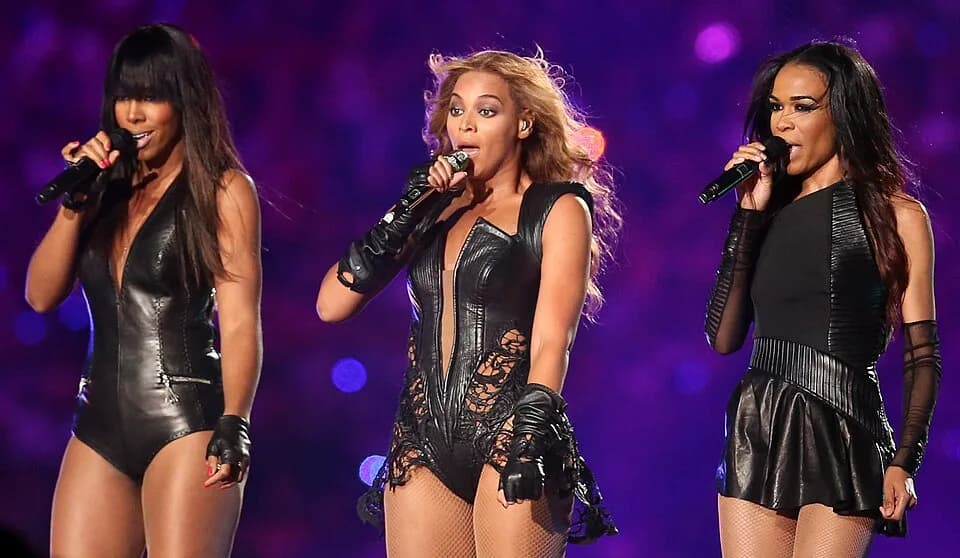
Destiny's Child ended in 2005 as a cautionary tale about group dynamics. Multiple lineup changes reduced the group from four members to three, while Mathew Knowles's management controversies—including allegations of favoritism toward Beyoncé—fueled tension. Beyoncé's solo ascent, ultimately sidelined Michelle Williams and Kelly Rowland. The financial disparity is glaring: Beyoncé's solo debut sold 11 million copies, far outpacing the $2 million combined revenue from the group's final tour.
- 0
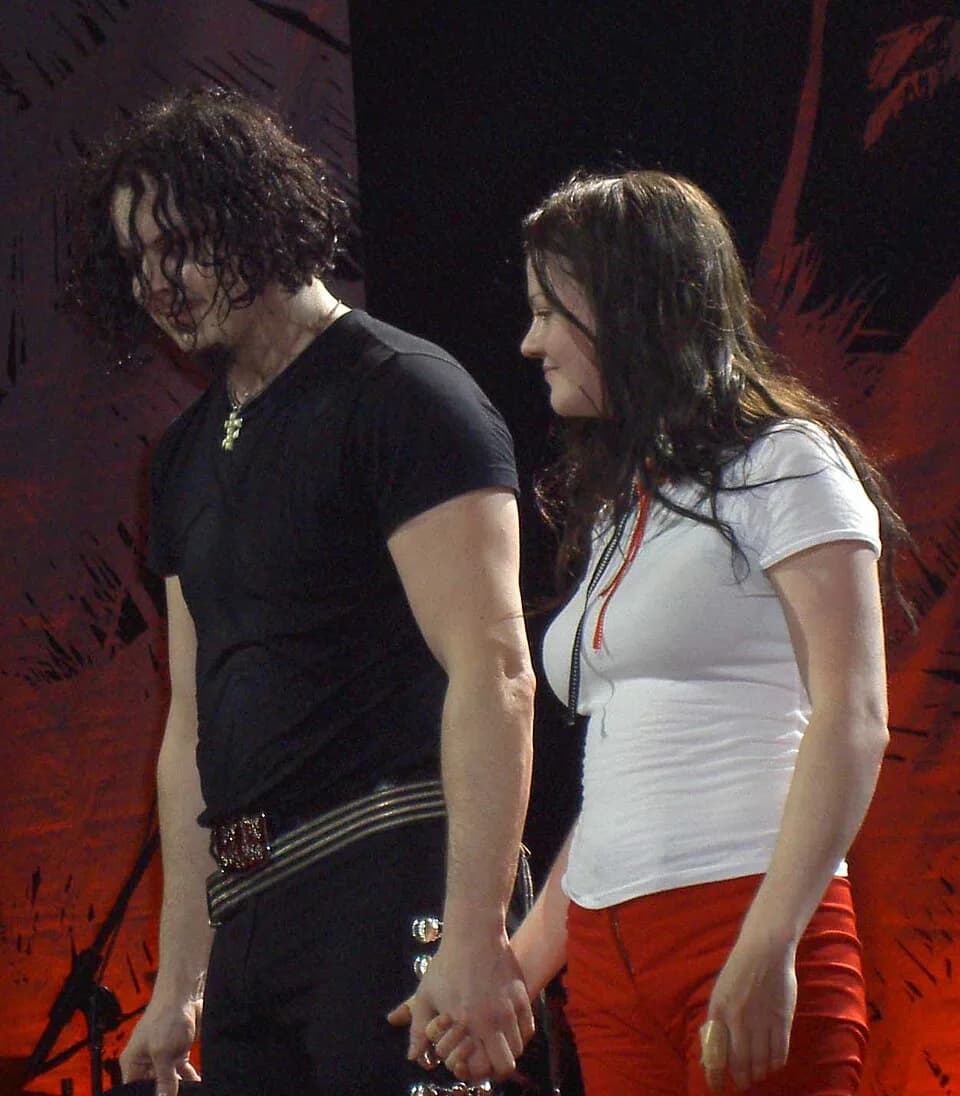
The White Stripes' 2011 dissolution remains the most cryptic on this list. Jack and Meg White issued a terse statement citing no artistic differences, yet Meg's complete retreat from public life—she hasn't given an interview since 2013—leaves fans with unanswered questions. Their catalog, including the Grammy-winning album *Elephant* which sold 3.5 million copies worldwide, stands as a testament to what was lost. Meg's silence is a stark contrast to the legal battles of N.W.A, making this breakup the least transparent in modern rock history.
- 0
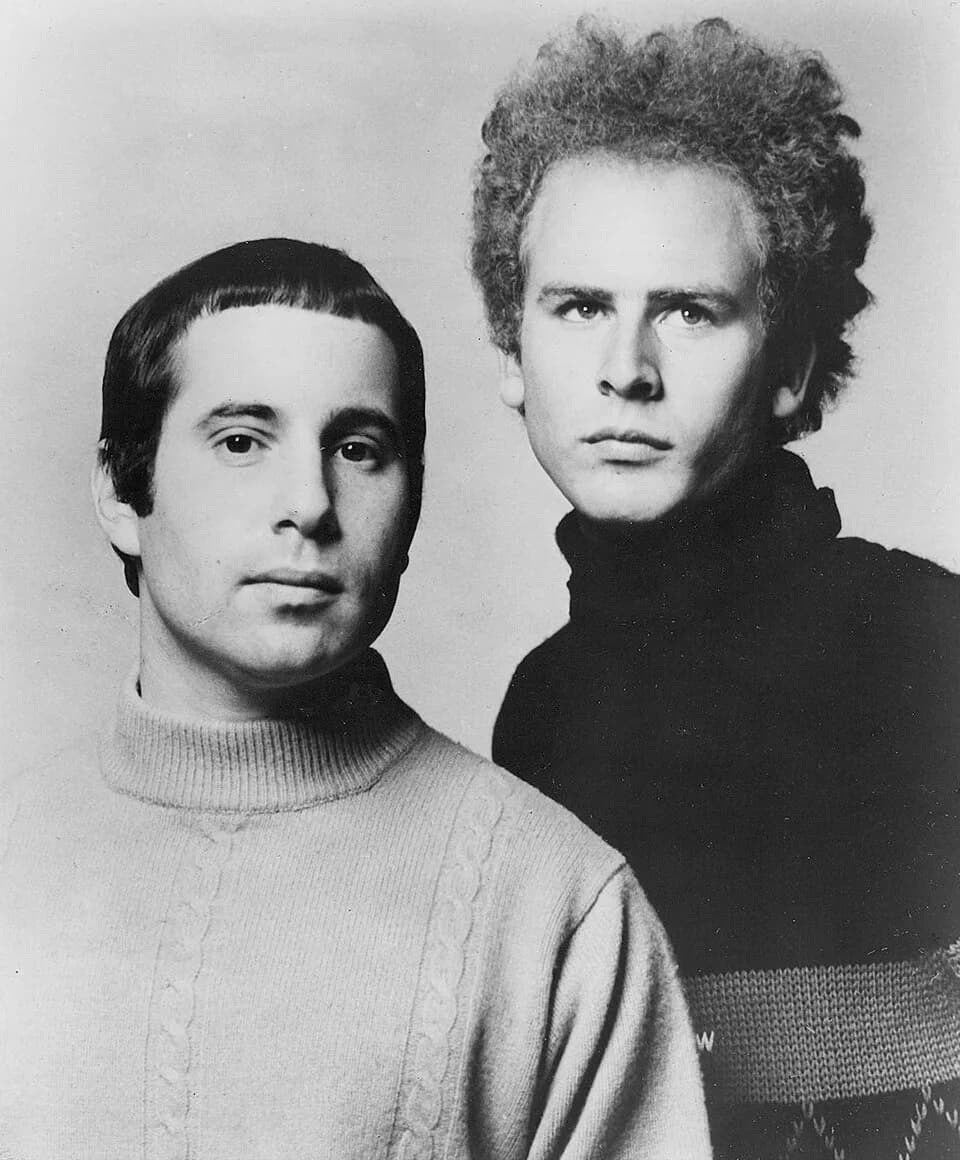
Simon & Garfunkel's 1970 breakup remains the most bitter in folk-rock history, driven by Paul Simon's jealousy over Art Garfunkel's acting career and Garfunkel's resentment of Simon's creative control. Despite producing the era's best-selling album, Bridge Over Troubled Water, with 6x Platinum US sales, their live chemistry evaporated. While Fleetwood Mac's drama produced another three decades of music, Simon & Garfunkel's tension halted collaborations, proving that ego clashes can outweigh even platinum success.
- 0
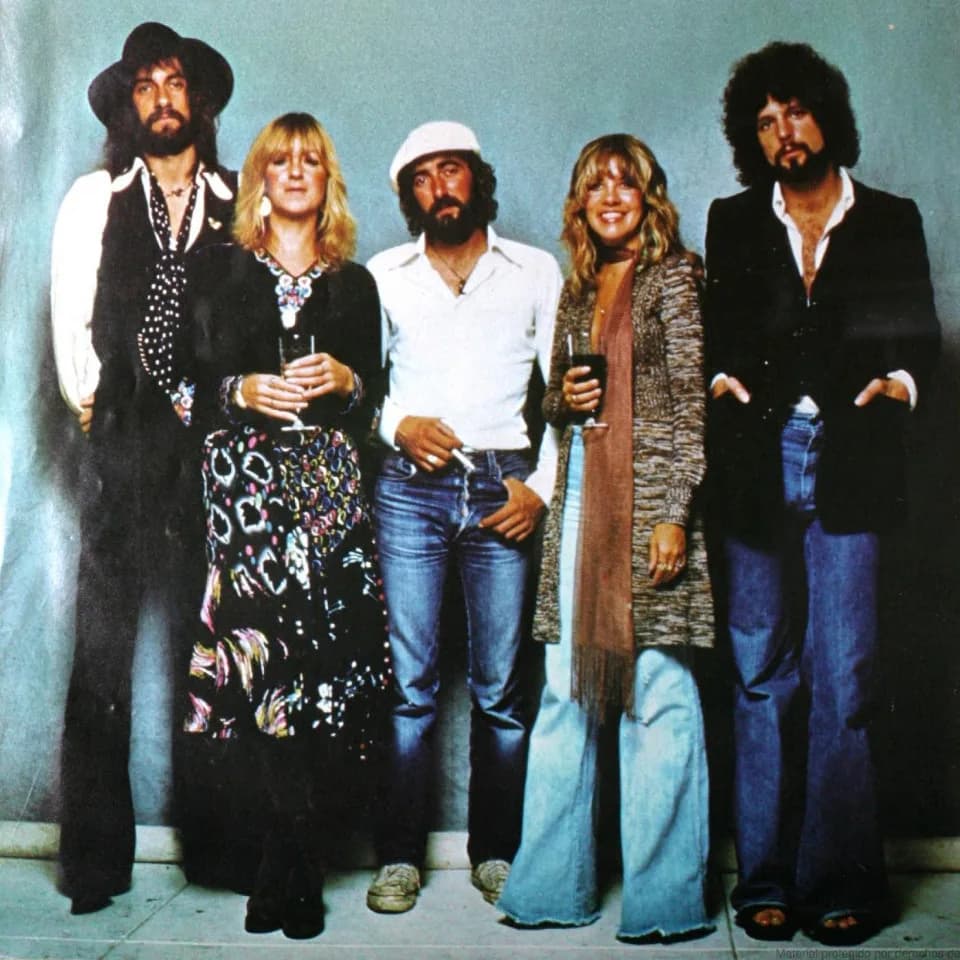
Fleetwood Mac's 1987 firing of Lindsey Buckingham stands as rock's most dysfunctional split, fueled by years of romantic entanglements among five band members and rampant substance abuse. Despite selling 40 million copies of Rumours, the internal battles became unsustainable after Buckingham's increasingly erratic behavior derailed studio sessions for Tango in the Night. This breakup was messier than Simon & Garfunkel's 1970 split because Fleetwood Mac's drama lasted over 30 years of on-again-off-again tours and legal fights over royalties. The band's 1998 induction into the Rock & Roll Hall of Fame required a fragile truce, highlighting that personal ties can fracture even the most commercially successful acts.
Frequently Asked Questions About Famous Band Breakups
## What is considered the worst band breakup in history?
The Beatles' 1970 breakup is widely regarded as the most devastating band breakup because it ended the most commercially dominant group of the era and triggered decades of solo feuding between its members.
## Which band breakup involved the most lawsuits?
Pink Floyd's 1985 split led to formal legal action over the band's name and catalogue, while Oasis's 2009 backstage departure in Paris resulted in years of public disputes between the Gallagher brothers.
## Are any of these broken-up bands still touring today?
No band on this list has reunited under its original configuration. Some former members continue to tour under related names or with new lineups, but each of these splits is considered final.
## Why do bands break up so acrimoniously?
The breakups on this list share common triggers: creative disagreements over direction, financial disputes over royalties, and personal conflicts between founding members who grew apart after years of touring together.
Image credits
- The Beatles (1970): Bo Trenter / Public domain (entity-adopted)
- Oasis (2009): Raph_PH / CC BY 4.0 (entity-adopted)
- Pink Floyd (1985): Krzysztof Jaworski Fotografia Toruń / Pexels
- Guns N' Roses (1996): Raph_PH / CC BY 2.0 (entity-adopted)
- The Smiths (1987): Paul Cox; Distributed by Sire Records / Public domain (entity-adopted)
- Destiny's Child (2005): Pete Sekesan / CC BY 2.0 (entity-adopted)
- The White Stripes (2011): Wikimedia Commons / CC BY-SA 2.0 (entity-adopted)
- Simon & Garfunkel (1970): GAC-General Artists Corporation-management and Columbia Records, their recording company / Public domain (entity-adopted)
- Fleetwood Mac (1987): Warner Bros. Records / Public domain (entity-adopted)
Rank it your way
Remix this list into your own ranking, or head to the play hub for every game mode and community breakdown — blind mode, challenges, tier lists, and more.
You Might Also Like

Top 10 Most Overrated Artists in Music
Top 10 Most Overrated Artists in Music

Top 10 Best Rock Bands of All Time
Top 10 Worst Band Breakups

Top 12 Emerging Music Artists Dominating 2026
#1 Chappell Roan · #2 Tyla · #3 Sabrina Carpenter

Top 10 Greatest Rappers of All Time
#1 The Notorious B.I.G. · #2 Tupac Shakur · #3 Nas

Top 10 Apple Music — Top Songs (GB) — March 20, 2026
#1 Man I Need — Olivia Dean · #2 iloveitiloveitiloveit — Bella Kay · #3 Rein Me In — Sam Fender & Olivia Dean

Top 10 Apple Music — Top Albums (US) — March 23, 2026
#1 ARIRANG — BTS · #2 The Way I Am — Luke Combs · #3 Kiss All The Time. Disco, Occasionally. — Harry Styles