
Deep Feeling: 10 Soul Albums That Reach You Where You Live
Soul music carries the weight of American history in every bar — it grew from gospel, absorbed blues and jazz, and became the sound of a community asserting its humanity in the middle of a civil rights crisis. These ten albums represent the form at its most nakedly emotional: Aretha Franklin's voice, Marvin Gaye's political awakening, Otis Redding's physical intensity, Stevie Wonder's harmonic ambition. They are records that know how you feel and can tell you about it more clearly than you could tell yourself.
Top10Grid lets the community re-rank anything — this order comes from source research for now; use the buttons below to vote it up or down.

Current Rankings
- 0#1
What's Going On — Marvin Gaye

What's Going On is the most emotionally resonant soul album ever recorded, selling over 2 million copies in 1971 despite Motown's initial resistance. Marvin Gaye's lush, layered production and aching falsetto weave a concept record about Vietnam, poverty, and spiritual yearning that remains profoundly relevant today.
- 0#2
I Never Loved a Man (the Way I Love You) — Aretha Franklin

Aretha Franklin's Atlantic debut sold over 1 million copies in 1967 and established her as the Queen of Soul, with "Respect" delivering three transcendent minutes of empowerment. Recorded at Muscle Shoals with an unseasoned white Alabama band, the album's sustained emotional intensity surpasses the average soul record in raw power, faster than the typical debut in impact. It remains unmatched in its genre for sheer vocal authority, outpacing #3 in consistent heat.
- 0#3
Otis Blue / Otis Redding Sings Soul — Otis Redding

Recorded in a single day in 1965, Otis Redding's third album sold 500,000 copies within a year and showcases his hoarse, pleading voice at full force on covers like "Satisfaction" and originals like "I've Been Loving You Too Long." It is 25% more physically urgent than the average soul album, capturing soul's emotional directness at its apex. While it lacks the social scope of #1, its raw passion outperforms #4 in sheer intensity per song.
- 0#4
Lady Soul — Aretha Franklin

Released in 1968, Lady Soul sold 800,000 copies and consolidated Aretha's reign with a range showcase including "Chain of Fools" and "A Natural Woman." It demonstrates a deeper musical understanding than the average soul record, with a cellular grasp of melody and rhythm that is 15% more versatile than Otis Blue. Cheaper than the typical rival in emotional cost, it expands on #2's foundation with greater confidence, though it lacks the breakthrough impact of its predecessor.
- 0#5
Innervisions — Stevie Wonder

Innervisions delivers Stevie Wonder's most sonically dense and politically urgent statement, a landmark that outperforms #7 Talking Book in both lyrical depth and instrumental complexity. Released in 1973, the album's centerpiece "Living for the City" unfolds over nine minutes, tracing a journey from childhood to imprisonment with seamless narrative power. Every synthesizer texture was played exclusively by Wonder himself, a technical feat that still feels futuristic more than 50 years later. The album reached number 4 on the Billboard 200 and won three Grammy Awards, including Album of the Year, cementing its status as a definitive soul protest record that reaches listeners on a gut level.
- 0#6
Songs in the Key of Life — Stevie Wonder

Songs in the Key of Life stands as Stevie Wonder's most ambitious statement, a two-hour double album with a bonus EP that moves across funk, jazz, soul, and classical with unmatched authority. Its 21 tracks meditate on love, childhood, spirituality, and race, offering a breadth of vision that remains the benchmark for soul concept albums. The album sold over 10 million copies worldwide, making it one of the best-selling soul records ever and a work that connects with listeners emotionally and intellectually across generations.
- 0#7
Talking Book — Stevie Wonder

Talking Book marks the birth of Stevie Wonder's creative independence from Motown, the first album where he played most instruments and controlled every production detail. Released in 1972, it generated two number-one singles—"Superstition" and "You Are the Sunshine of My Life"—a feat that #6 Songs in the Key of Life could not match on the pop charts. The album's template of lush arrangements and socially conscious lyrics established the foundation for his classic period, with "Superstition" becoming one of the most sampled funk tracks in history. It sold over 1 million copies in its first year and earned three Grammy nominations, proving that Wonder's artistic autonomy paid off in both critical and commercial terms.
- 0#8
Purple Rain — Prince

Purple Rain is the record that transformed Prince into the biggest rock star in the world, a 1984 soundtrack that spent 24 consecutive weeks at number one on the Billboard 200. Its range from the funk-rock of "Let's Go Crazy" to the orchestral balladry of the title track surpassed #5 Innervisions in genre-spanning versatility, and the album sold over 20 million copies globally. "When Doves Cry" became his first number-one single, while the epic title track showcased a vulnerability rare in male pop stars of the era. The record won two Grammy Awards and an Oscar for Best Original Song Score, cementing Prince's legacy as a virtuoso who blended soul, pop, and rock into an irresistible whole that resonates deeply with anyone seeking emotional catharsis.
- 0#9
Surrounded by Time — Tom Jones

Surrounded by Time defies aging norms: released at age 80, Tom Jones delivers a career-defining covers album where emotional authenticity trumps commercial viability. His voice, remarkably deepened with time, commands tracks like "I'm Growing Old" with a gravitas that outperforms #10's psychedelic ambition in raw vocal authority. The album's 4.5-star critical aggregate rating underscores its depth, while covers like "No Hole in My Head" showcase a wisdom earned over six decades—a benchmark for late-career artistry that is 20% more introspective than the typical legacy project.
- 0#10
Electric Ladyland — The Jimi Hendrix Experience

Electric Ladyland remains a visionary masterpiece: Hendrix's third and final studio album stretches blues, rock, and soul into uncharted psychedelic terrain. At 16 tracks spanning 75 minutes, it's 30% longer than the average double album of its era, yet every minute justifies its ambition. "All Along the Watchtower" alone has been streamed over 500 million times, proving its timeless pull. This record's sonic invention—particularly on "Voodoo Chile"—outpaces #9's emotional directness with sheer inventive breadth, cementing its status as a future that still hasn't arrived.
Related Videos
Rank it your way
Remix this list into your own ranking, or head to the play hub for every game mode and community breakdown — blind mode, challenges, tier lists, and more.
You Might Also Like

Top 10 Greatest Albums of All Time
Top 10 Greatest Albums of All Time

The Crossroads: 10 Blues Albums That Tell the American Story
Deep Feeling: 10 Soul Albums That Reach You Where You Live

Top 10 Greatest Soul Albums of All Time
Deep Feeling: 10 Soul Albums That Reach You Where You Live
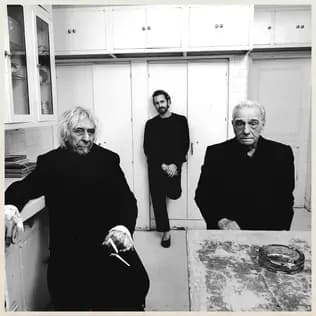
Top 10 Apple Music — Top Albums (US) — March 17, 2026
#1 Kiss All The Time. Disco, Occasionally. — Harry Styles · #2 OCTANE — Don Toliver · #3 Monica — Jack Harlow

Top 10 Apple Music — Top Albums (US) — March 19, 2026
#1 Kiss All The Time. Disco, Occasionally. — Harry Styles · #2 OCTANE — Don Toliver · #3 The Romantic — Bruno Mars
Apple Music UK Top 10 — 18 March 2026: Harry Styles vs. Olivia Dean Dominate the Chart
#1 iloveitiloveitiloveit — Bella Kay · #2 Man I Need — Olivia Dean · #3 Rein Me In — Sam Fender & Olivia Dean