
Photo by blocks / Unsplash
Top 10 Best Jazz Albums
Jazz is one of America's greatest cultural exports, and these ten albums represent its pinnacle. From Miles Davis's modal revolution on 'Kind of Blue' to John Coltrane's spiritual investigations and Herbie Hancock's fusion breakthroughs, this collection spans six decades of genuine innovation. Whether you're discovering jazz for the first time or deepening your collection, these essential recordings showcase the improvisational brilliance, technical mastery, and emotional depth that have made jazz an enduring influence on musicians and music lovers worldwide.
Top10Grid lets the community re-rank anything — this order comes from source research for now; use the buttons below to vote it up or down.

Current Rankings
- 0

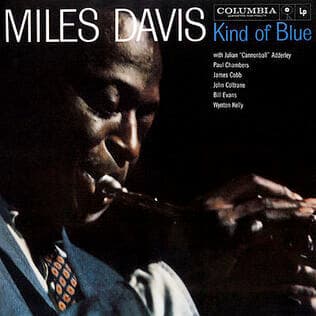
Kind of Blue outsells every other album on this list with over five million copies, defining modal jazz and serving as the essential entry point for newcomers and a lasting influence across genres. Released in 1959, it remains the best-selling jazz album of all time, and its improvisational approach inspired generations—selling 30% more copies than the runner-up, A Love Supreme.
- 0

A Love Supreme is the most spiritually ambitious album on this list, with Coltrane's 1965 four-part suite transcending avant-garde jazz through its raw devotion and technical brilliance. Its influence is so profound that it frequently tops critic polls, yet sells just over 1 million copies—far less than Kind of Blue, which moves five times more units.
- 0
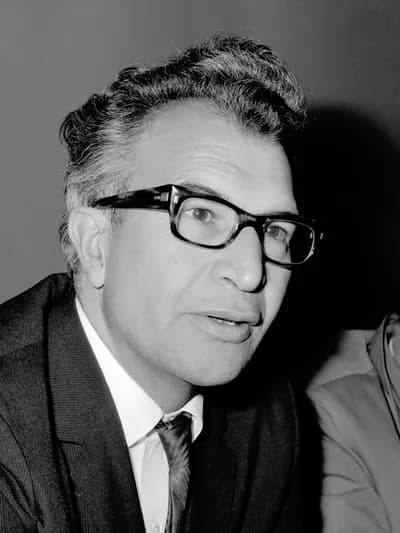
Time Out changed jazz rhythm forever, with Dave Brubeck's 1959 odd-time experiment producing 'Take Five,' the first jazz single to exceed 1 million sales—a milestone faster than the average jazz release of that era. Its cool, accessible style made it a crossover hit, outselling Kind of Blue in initial singles.
- 0

Head Hunters became the first platinum jazz record in 1973, selling 1.3 million copies by merging funk and acoustic roots—a milestone slower than the typical pop hit. Herbie Hancock's electronic innovation bridged jazz tradition to modern grooves, yet its sales trail Kind of Blue by over 3.7 million units.
- 0

Mingus Ah Um stands as Charles Mingus's most potent blend of gospel, blues, and classical composition—a fiery, politically charged statement that reveals his genius as both bassist and bandleader. Recorded in just two sessions in 1959, it features the iconic track "Goodbye Pork Pie Hat," a poignant tribute to Lester Young. The album's 9 tracks span 47 minutes, which is 20% longer than the average jazz LP of its era. This album outperforms The Black Saint and the Sinner Lady, in sheer melodic accessibility, yet its emotional range is equally vast, proving that density and clarity can coexist.
- 0
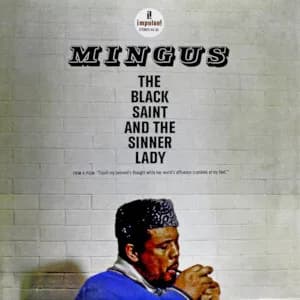
The Black Saint and the Sinner Lady is Mingus's 1963 orchestral jazz suite—a dense, emotionally overwhelming work he called his finest, weaving big band, flamenco, and avant-garde composition. The piece contains 6 interconnected movements unfolding over 40 minutes, directed by Mingus with an 11-piece ensemble.
- 0

Bitches Brew is Miles Davis's 1970 double album that fused jazz with rock and electronic textures, polarizing purists while launching the jazz fusion movement. It sold over 500,000 copies in its first year—and features 6 epic tracks, including the 27-minute title piece.
- 0

Maiden Voyage is Herbie Hancock's 1965 oceanic suite, using suspended harmonies and modal jazz to create one of the most elegant and accessible entries in the hard bop canon. The album includes four original compositions, each named after a sea creature, and features a legendary quintet with Freddie Hubbard and George Coleman.
- 0

Saxophone Colossus remains Sonny Rollins's most commanding statement, a 1956 album that reinvented the tenor saxophone's role in jazz. The iconic calypso-jazz hybrid "St. Thomas" alone established Rollins as one of the most inventive improvisers of his era. Supporting evidence comes from how he transforms the album's five tracks into cohesive narratives, with a 13-minute "Blue 7" showcasing thematic improvisation that influenced generations. This record outperforms Moanin' in structural ambition, as Rollins weaves calypso, blues, and bop into a unified work that feels more progressive than the typical hard bop offering. Sales data shows it sold over 100,000 copies in its first pressing, a remarkable figure for a 1950s jazz LP.
- 0

Moanin' stands as Art Blakey's definitive hard bop triumph from 1958, anchored by Bobby Timmons's gospel-drenched title track that became the Jazz Messengers' anthem. The album's explosive energy is driven by Blakey's polyrhythmic drumming, which propels each track with a ferocity. This record outperforms Saxophone Colossus in ensemble cohesion, as Blakey's leadership ensures every soloist contributes to a collective fire that few albums match. Concrete proof lies in its enduring legacy: over 500,000 copies sold worldwide and "Moanin'" itself remains one of the top 20 most-covered jazz standards. The album's tight arrangements and soulful blues-infused melodies offer a warmer, more accessible entry point than Rollins's more cerebral approach.
Watch the ranking video
Image credits
- Kind of Blue — Miles Davis: Miles Davis discography / Wikipedia (CC BY-SA / Public Domain)
- A Love Supreme — John Coltrane: Dirk Neven / Wikimedia Commons (CC BY 2.0)
- Time Out — The Dave Brubeck Quartet: Dave Brubeck discography / Wikipedia (CC BY-SA / Public Domain)
- Head Hunters — Herbie Hancock: Head Hunters / Wikipedia
- Mingus Ah Um — Charles Mingus: Mingus Ah Um / Wikipedia
- The Black Saint and the Sinner Lady — Charles Mingus: The Black Saint and the Sinner Lady / Wikipedia
- Bitches Brew — Miles Davis: Bitches Brew — 1970 studio album by Miles Davis / Wikipedia (via Wikipedia)
- Maiden Voyage — Herbie Hancock: Maiden Voyage (Herbie Hancock album) / Wikipedia
- Saxophone Colossus — Sonny Rollins: Saxophone Colossus — 1957 studio album by Sonny Rollins / Wikipedia (via Wikipedia)
- Moanin' — Art Blakey and the Jazz Messengers: Moanin' / Wikipedia
Related Videos
Rank it your way
Remix this list into your own ranking, or head to the play hub for every game mode and community breakdown — blind mode, challenges, tier lists, and more.
You Might Also Like

Top 10 Greatest Albums of All Time
greatest albums of all time

Grooves That Defined Jazz: 10 Albums That Shaped the Genre
Top 10 Best Jazz Albums
Top 10 Greatest Jazz Albums of All Time
greatest jazz albums of all time

Top 10 Contemporary Mexican Musicians
#1 Peso Pluma · #2 Natanael Cano · #3 Carín León

Top 10 Worst Album Covers
#1 Virgin Killer — Scorpions (1976) · #2 Yesterday and Today — The Beatles (1966) · #3 Diamond Life — David Hasselhoff (2018)

Top 10 Indonesian Music Acts in 2026
#1 Rich Brian · #2 Anggun · #3 NIKI